What it is
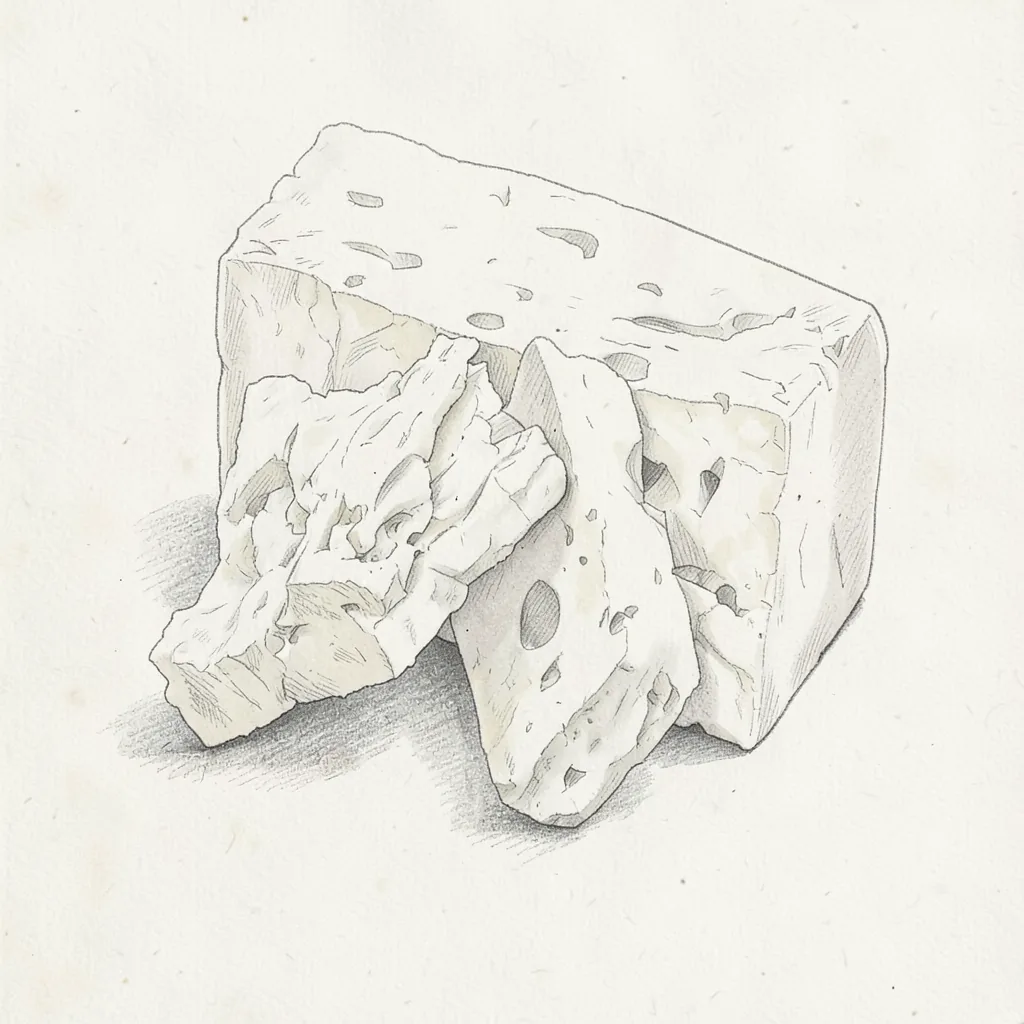
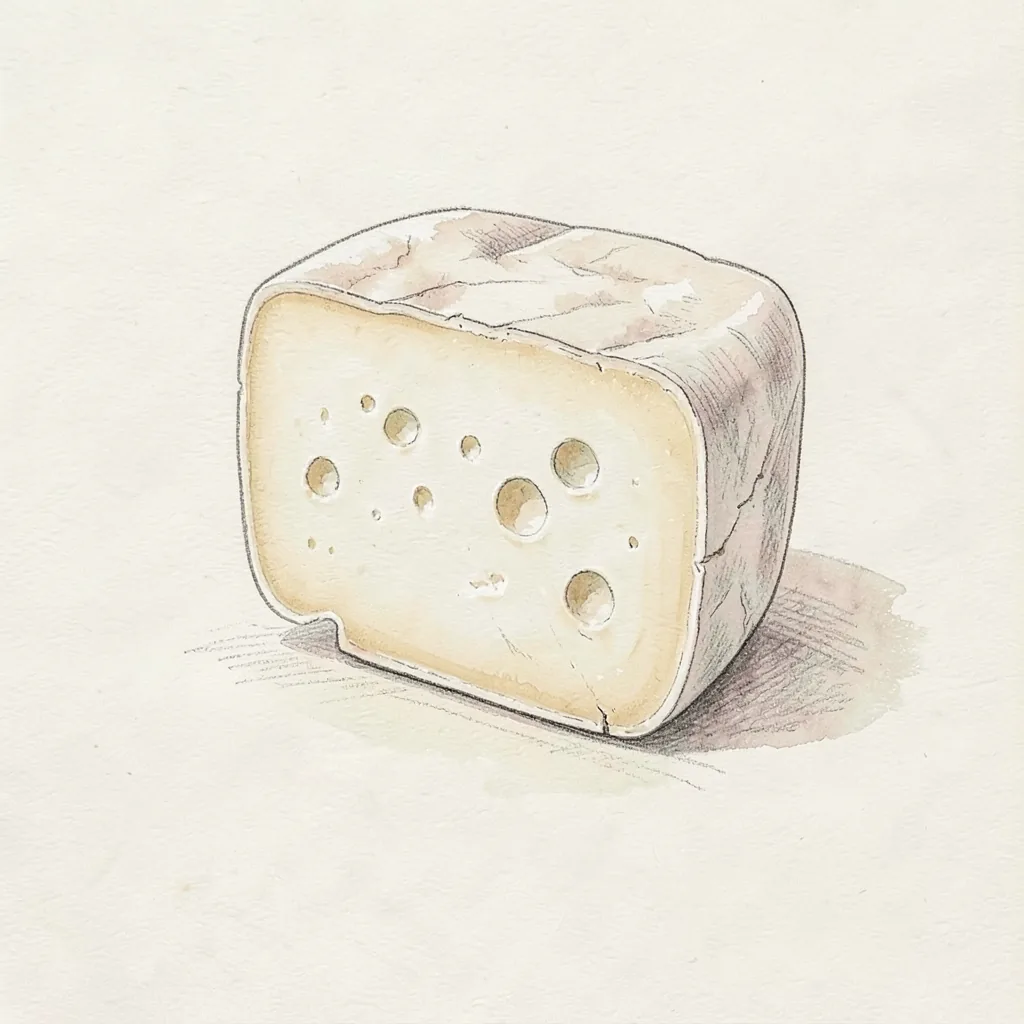
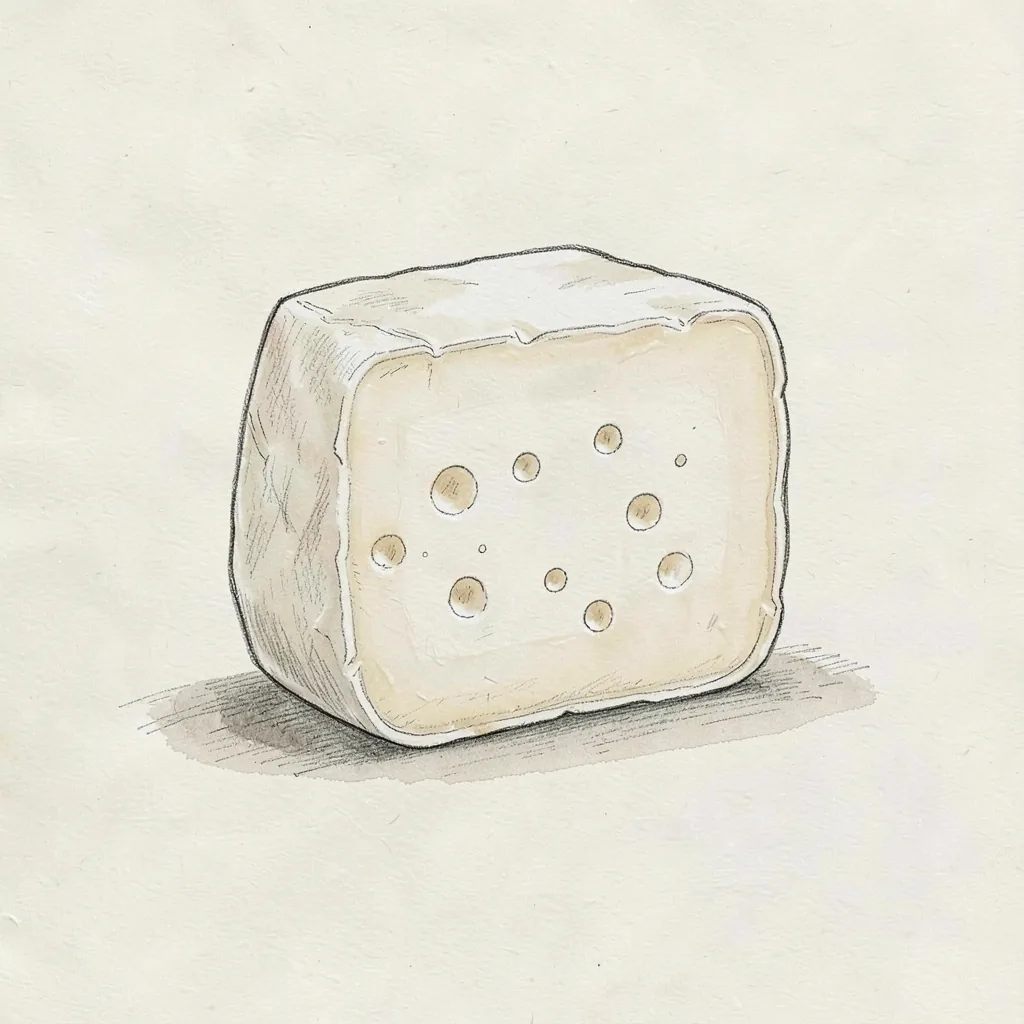
The paste is white and slightly grainy, and it breaks into moist crumbs rather than bending like a soft bloomy cheese. Salt is part of the identity, because the cheese finishes in brine. In Bulgaria the name means this everyday white cheese, not one branded wheel. A block can taste fresh and tangy, or firmer and saltier, depending on its time in the brine.
The milk behind a block is not one fixed recipe, so the label matters more than a guess. Some dairies use a single milk, and some blend milks. That choice changes richness, but the brine, the white color, and the crumbly cut stay the same. Shoppers abroad sometimes treat sirene as another word for feta. The cheeses are cousins rather than copies, and sirene is its own Bulgarian table cheese for salads, baking, and bread.
History
White cheese kept in brine is an old way to hold milk where the weather is warm, and sirene is the Bulgarian form of that idea. Households and later dairies packed the curd in salt brine so it would keep and stay moist. The cheese became the usual white cheese in Bulgarian cooking, beside the firmer yellow cheeses used for other meals. No one town owns the method. The name travels with Bulgarian food, from home tables to factory blocks in tins and tubs.
Neighboring countries have their own brined white cheeses, and the family is easy to mix up. Bulgarian eaters still know sirene as the cheese in the brine, not as a rare festival food. Factory blocks and small dairy blocks share the same basic plan: white curd, salt, and time in brine. The everyday word in Bulgaria remains sirene. It still means that salty white cheese, whether the block is mild or firmly salted.
How it is made
Milk is soured and set, and the curd is cut, drained, and salted. The pieces are packed into containers and covered with brine, which is the step that makes sirene what it is. The brine seasons the cheese and keeps the paste white and moist. There is no bloomy rind and no long dry aging in a cave. Makers may use one milk or a blend, which is a recipe choice rather than a new cheese family, and the block stays in liquid until it is sold.
Time in the brine firms the block and deepens the salt. A shorter bath leaves a softer, milder cheese. A longer bath makes a firmer, saltier block that crumbles cleanly under a knife. Many commercial blocks are pasteurized, while some traditional batches are not, so the label is the guide. Once the brine is poured off, the edges dry and the salt tastes stronger, so keep some liquid with the cheese if you want the texture you bought.
Taste
Salt comes first, then a clean lactic tang, and then a milky finish that can turn slightly sharp. The paste is moist, a bit grainy, and crumbly, with small irregular breaks rather than a smooth bendable slice. Aroma is fresh and briny, not mushroomy and not blue. A richer batch tastes fuller, while a leaner batch tastes brighter and more plainly salty. Both are still sirene if the cheese is white, brined, and ready to crumble.
Texture depends on how wet the block still is. Straight from the brine, it is moist and a little squeaky under a knife. After a short rest on a board, it firms and crumbles into damp pebbles for a salad. It does not melt into long strings, though heat softens the crumbs and can brown them while the salty tang remains. If a block tastes harshly salty, a brief soak in plain water pulls some brine out before cooking.
In the kitchen
Sirene is a salad cheese and a baking cheese, and the usual plate is a crumble over tomatoes, cucumbers, and peppers. Fold it into phyllo for banitsa, the savory pastry many households bake with this cheese and eggs. Cubes can sit on bread with oil, or go into a filling for cooked vegetables. It is too salty and too crumbly to play the role of a mild melting slice. Use it where salt and tang should stay obvious.
Because the cheese is already salty, recipes need little extra salt. A very salty block can be rinsed before it goes into a pie, so the brine does not take over. The crumbs hold their shape in a pastry better than a wet fresh curd does. They also scatter well over cooked greens and beans. Sirene is not a grating cheese for pasta or a sweet dessert cream, so keep it for savory food and let the salt do much of the seasoning.
Around the world
Outside Bulgaria, sirene shows up in Balkan shops, in tins, and in the cheese case near feta. An English label may say white cheese or Bulgarian white cheese. Those words point to the same brined block. A buyer who only knows feta will recognize the salt and the crumble, then notice a difference in tang and firmness. Sirene is the name to use for the Bulgarian cheese, while feta remains a separate Greek cheese with its own identity.
Similar white cheeses appear under other names, including beyaz peynir and telemea. They can stand in for sirene in a salad, but they are not the same product. A Bulgarian recipe that says sirene expects that salty white crumb, not a hard yellow cheese and not a fresh unsalted curd. If a shop has no sirene, another brined white cheese is the closest practical swap. Taste it first, because the salt level changes the dish more than the country on the tub.