What it is
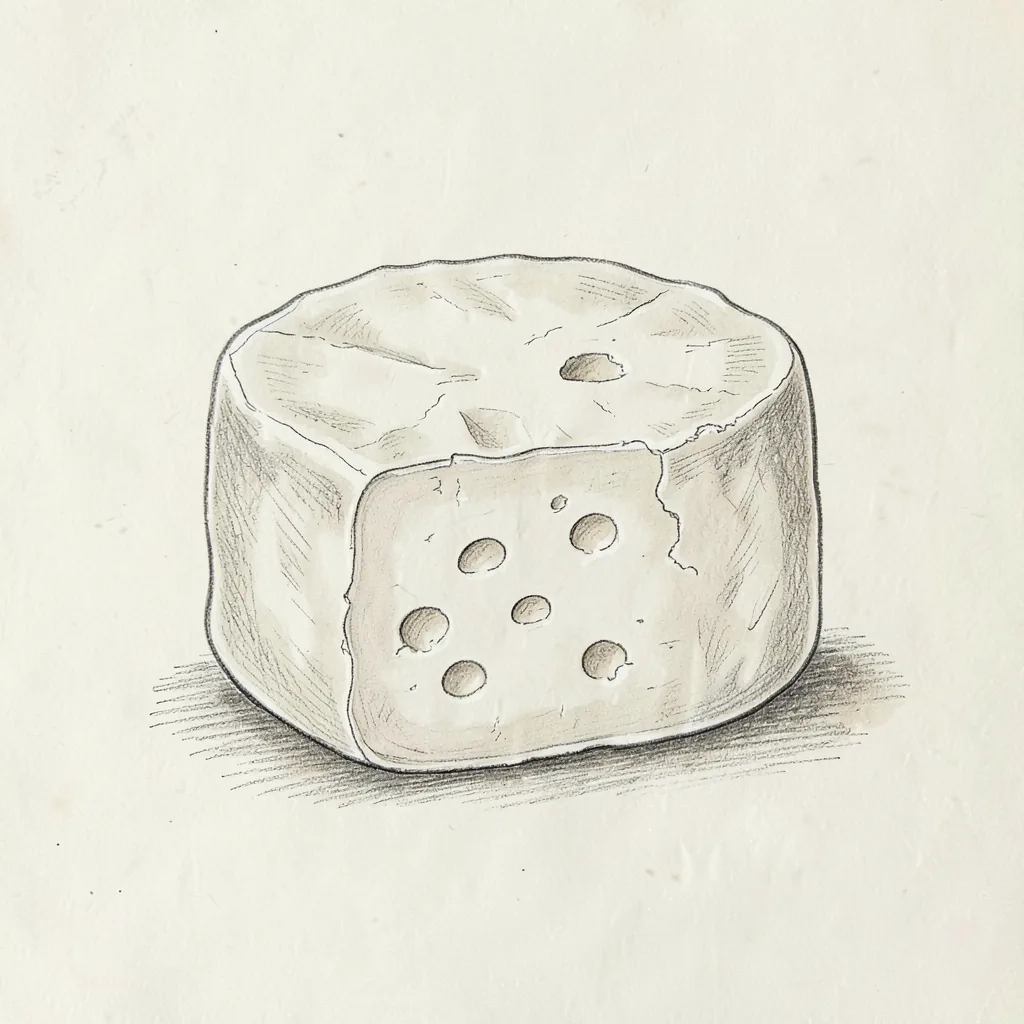
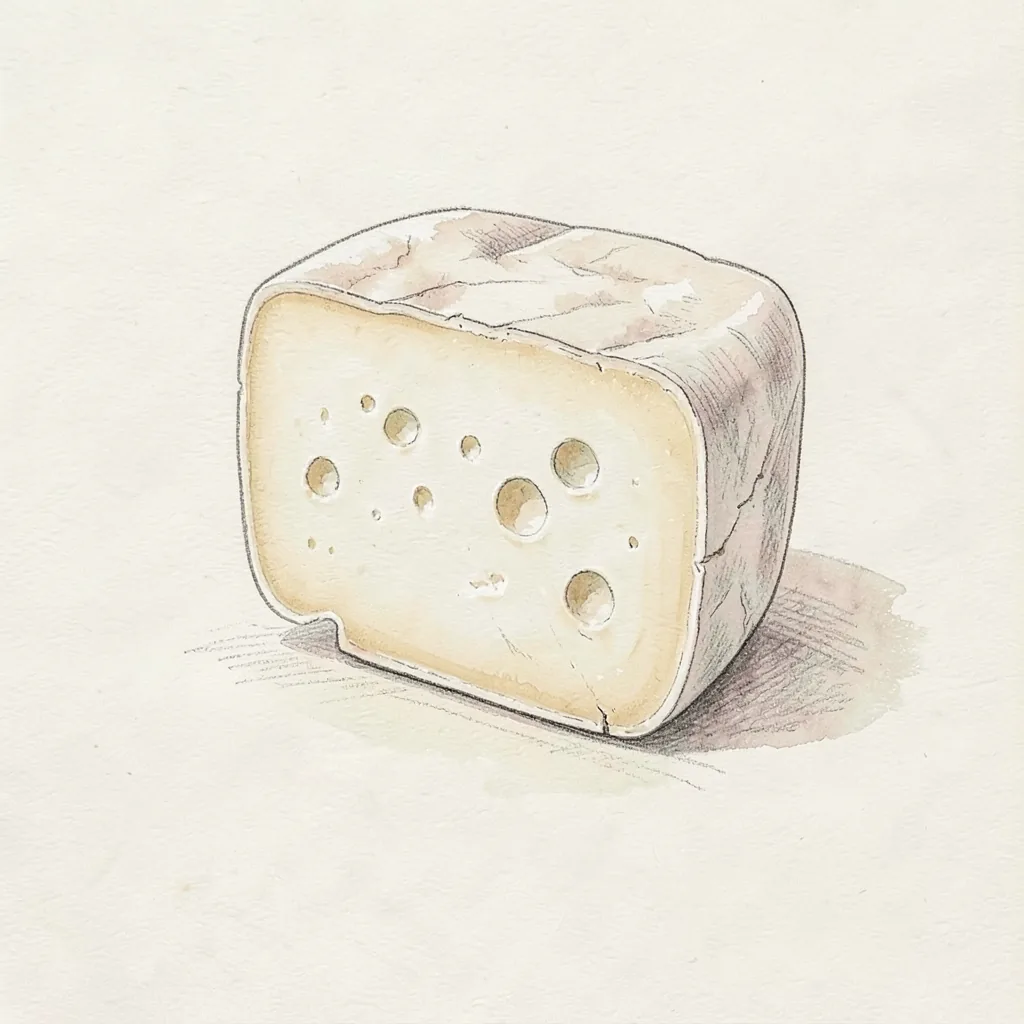
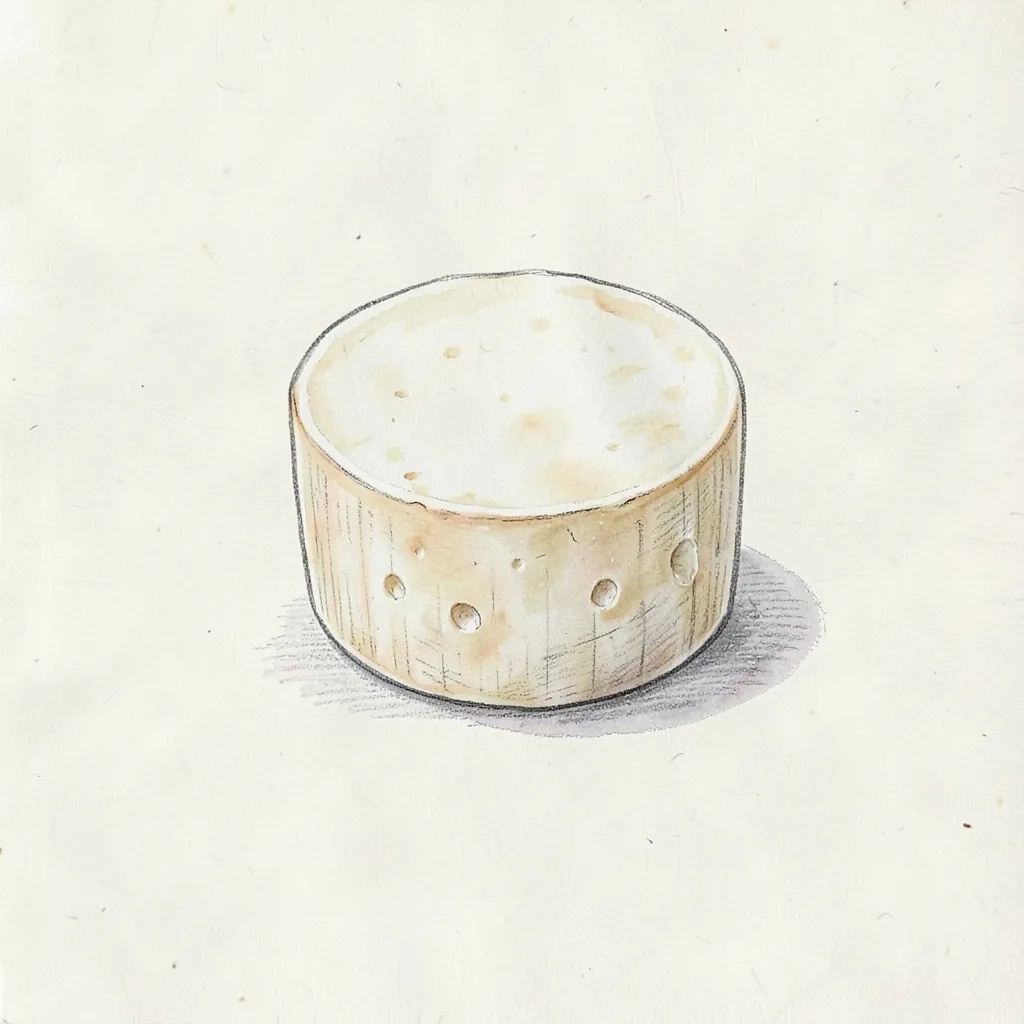
It is made across Turkey, often at home as well as in dairies, and it has no single town of origin. Cooks heat yogurt, or the whey left from yogurt, until the proteins gather into small curds, then they drain those curds. The cheese is white, moist, and unsalted or only lightly salted at first. It is a cooking and breakfast cheese, not a cheese with a rind or a long age.
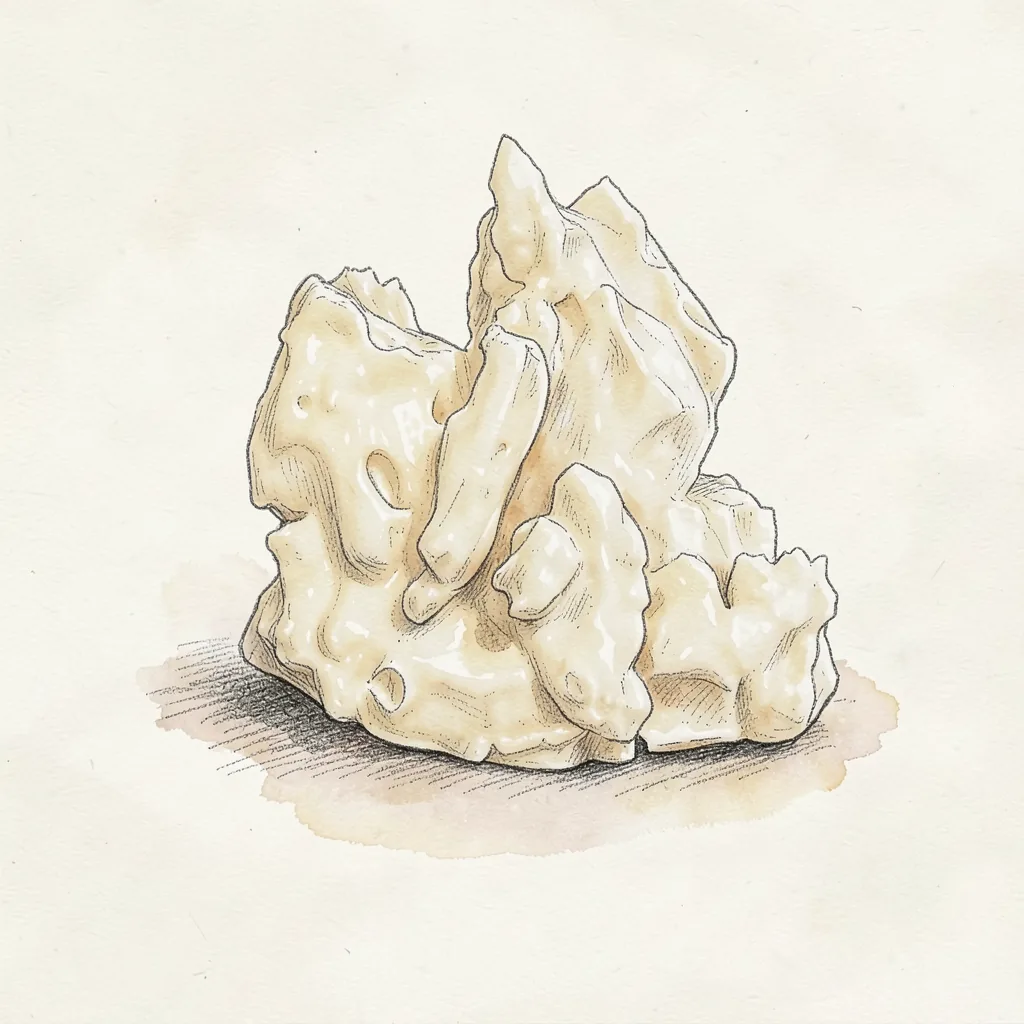
Texture can run from soft and spreadable to a drier crumble, depending on how long it drains and whether it is pressed. A fresh batch tastes clean and sour, like strained yogurt with more body. Herbs, olive oil, and salt are often added at the table or in the kitchen, not inside every dairy version. The cheese shows up in pastries, pies, and salads, where it behaves more like a curd than like a slicing cheese. People in Turkey also eat it plain at breakfast with bread.
History
Çökelek grew out of a thrifty kitchen habit. When yogurt was on hand, or when whey was left after making yogurt or cheese, heat could recover the remaining solids instead of pouring them away. That habit fits a food culture where yogurt is already a daily staple. Over time the curd became a named cheese in its own right, with a place at breakfast and in filled breads. Different parts of the country dry it more or less, but the idea stays the same.
Home production is still common, and the method is short enough for a family kitchen. Small dairies also sell fresh çökelek, sometimes salted and ready to crumble. The cheese did not become a luxury export with a strict recipe locked to one valley. It stayed a practical food. That is why two batches can look different and still both be çökelek, as long as they are fresh drained curds with a tangy taste.
How it is made
A usual method starts with yogurt. The yogurt is loosened with a little water if it is very thick, salted if the cook wishes, and heated until the curds separate from the whey. The pot is then taken off the heat and left until the curds settle. They are poured into a cloth or a fine sieve and drained. Light pressure makes a firmer cheese, while a short drain leaves a moister one.
Another path uses whey itself. The liquid is heated so the proteins left in it gather into fine curds, which are then drained in the same way. Both paths give a white cheese without rennet as the main setting agent, and without a molded rind. Some cooks mix in nigella seed or herbs after draining, and some pack the curd into a jar for cold storage. The cheese is eaten fresh, and it is not aged into a hard wheel.
Taste
Fresh çökelek tastes tangy, clean, and milky, with a yogurt-like sourness and a plain dairy finish. Salt, if it is added, stays in the background unless the cook seasons it further. There is no butterscotch sweetness, no mold aroma, and no washed rind funk. Herbs or nigella, when used, sit on top of that plain sour base. The flavor is simple, which is why olive oil, pepper, and fresh herbs are such common partners.
In the mouth the cheese is grainy and moist, and it breaks into crumbs instead of bending. A well-drained piece feels drier and more like a soft farmer's curd. A briefly drained piece feels creamier and can be spread. Bitterness is a fault, usually from overheating, and a good batch stays bright rather than sour in a harsh way. The smell is fresh and yogurty, and it should not smell fermented or stale.
In the kitchen
Çökelek is a filling for savory pastries and flatbreads, often mixed with herbs, greens, or pepper. Crumbled over a salad, it acts a little like a dry fresh cheese, soaking up olive oil and lemon. At breakfast it can be spread on bread or spooned beside tomatoes, olives, and eggs. Heat softens it further, so it disappears into a pie filling rather than staying in distinct cubes. Taste before you salt, especially if the batch was already salted.
It does not grill in slices, and it does not grate. If a recipe needs a salty brined white cheese that holds a cube, choose a different Turkish cheese. Çökelek is the one you crumble, mash, or stir. A spoon of it can lighten a dough filling that would be heavy with a fattier cheese. Keep it cold and covered, and use it while it still smells fresh and sweet-sour.
Around the world
Outside Turkey, çökelek appears in Turkish and Middle Eastern groceries, and sometimes under the spelling cokelek. It may be sold loose or in a simple tub, with no rind and no long label story. Shoppers who expect a firm white brined cheese can be surprised by the crumble. Ask for the fresh curd used in pies and breakfast plates if the name is unfamiliar. A dry, yellow, or sharply sour tub is past its best.
Cooks who cannot find it often use cottage cheese, quark, or a dry ricotta, then add a little salt and olive oil. Those stand-ins are milder, so a spoon of yogurt can bring back the tang. The Turkish cheese is still the better match for recipes written around its crumb and its sour note. It is an everyday food in Turkey, not a rare festive cheese. Treat it as a fresh ingredient, and plan to use the tub soon after you open it.