What it is
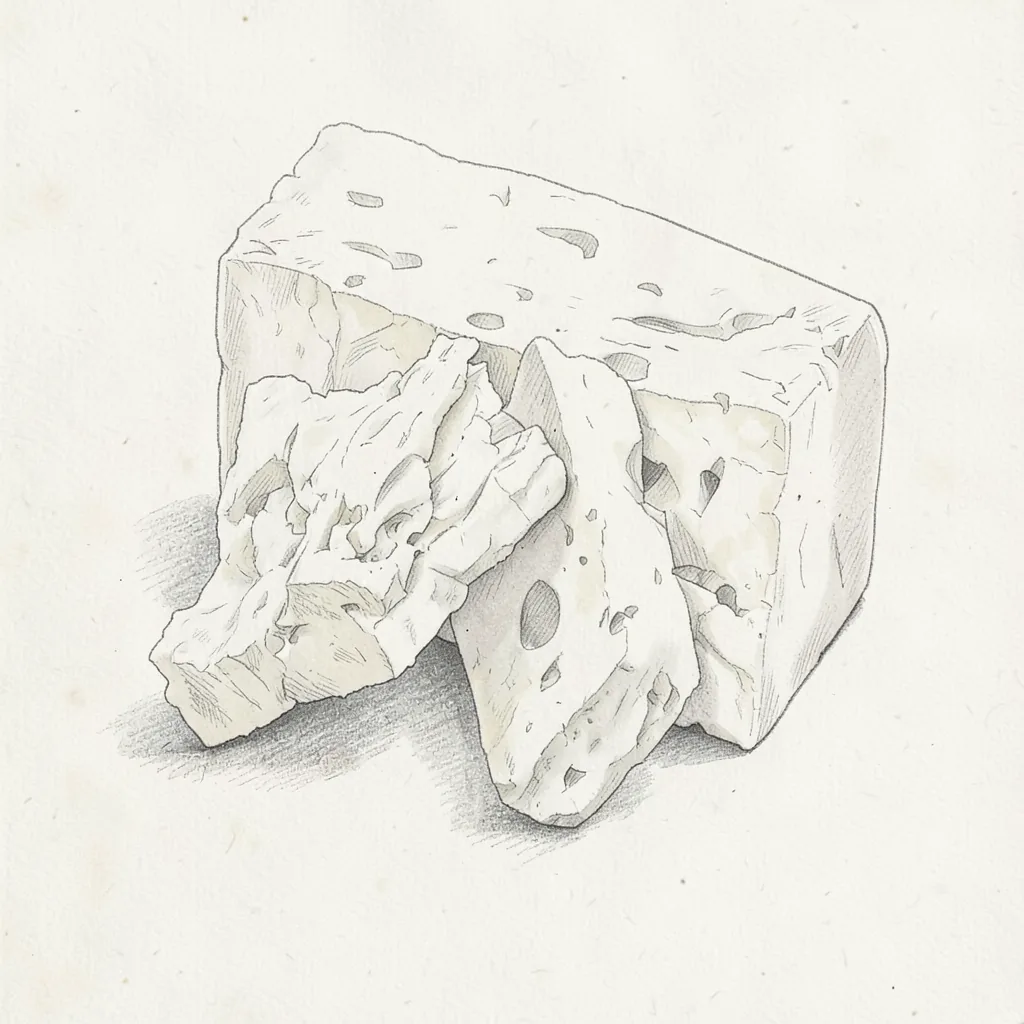
Blocks are salted and kept in brine, so the paste stays moist, bright white, and free of a rind. Traditional production uses unpasteurized milk, and the cheese can range from a fresh mild curd to a firmer, sharper block. It stands with other white brine cheeses rather than with pressed yellow wheels. Shoppers across Turkey meet it in slices and in packed blocks.
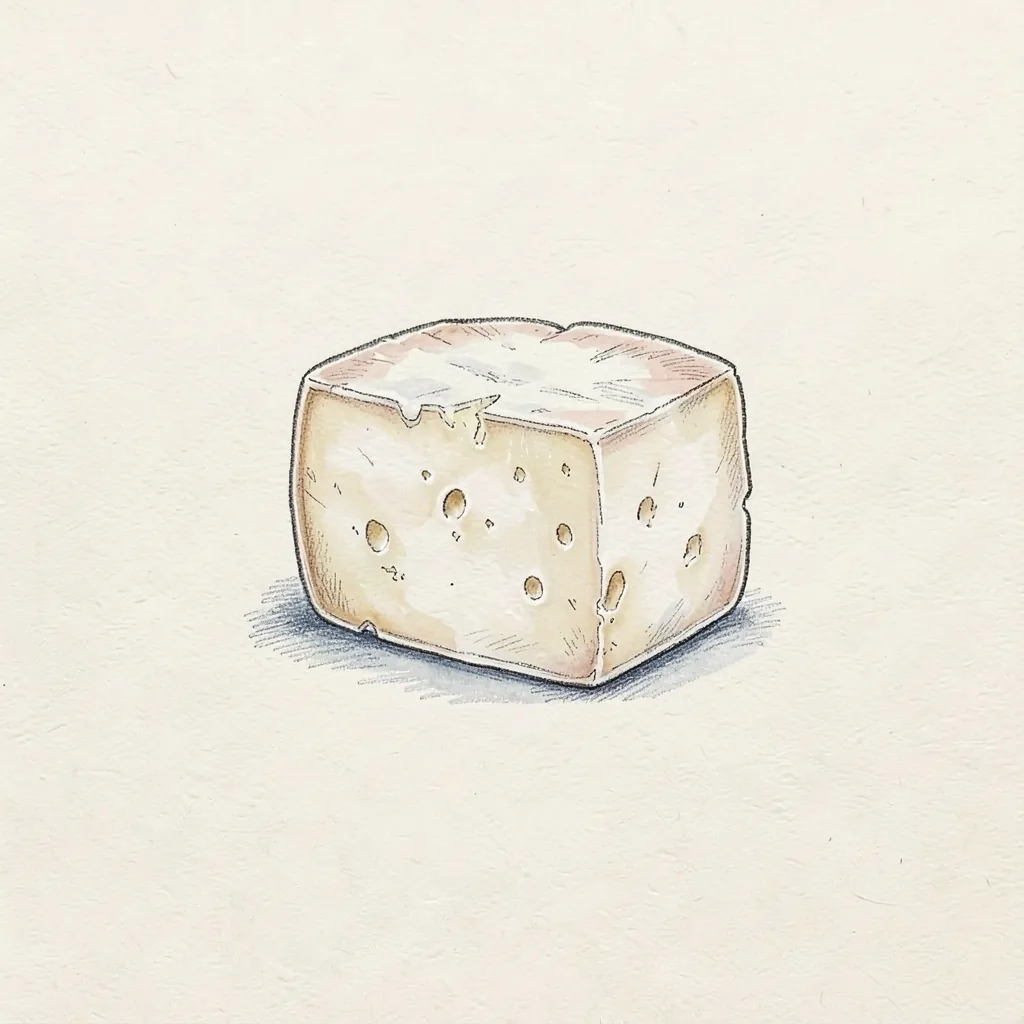
A young piece tastes clean, milky, and salty, while a longer stay in brine brings a grainier texture and a more pungent bite. The color does not turn yellow with age. There is no mold-ripened rind to trim and no set of holes in the paste. Cooks crumble it into salads and pastries, and they also set plain slices on a breakfast plate with bread, olives, and tomatoes. Salt is the feature you plan around, not a mild background note.
History
White brine cheese has long been a staple of Turkish meals, and beyaz peynir is the name most people use for the common version. The style belongs to a wide group of salted white cheeses kept in liquid rather than under a dry rind. Farmers and larger dairies both make it, so one block can be mild and another quite sharp. The cheese is not limited to a single district on the label. Production is spread through Turkey, which is why recipes differ from one maker to the next.
Writers describe it as Turkey's standard white cheese, and that description fits the way it appears at ordinary tables. There is no single brand behind the name, and there is no one town you must name to explain it. Home cooks and creameries have both shaped the taste people expect, salty, white, and ready to crumble. Export packs sometimes use the English words Turkish white cheese beside the Turkish name. The cheese itself remains a brine cheese, whether the label is bilingual or not.
How it is made
Milk is curdled, and the curds are pressed, chopped, and drained before they are cut into blocks. Salt is added, and the blocks then rest in brine, which keeps the color white and the paste closed. A traditional batch uses unpasteurized milk, though factory versions may handle the milk differently before the same salting step. There is no bloomy rind and no repeated wash that turns the outside orange. The brine tub is the aging place, and time in that tub is what firms the cheese and deepens the salt.
Makers vary how long the blocks stay in brine, so the same name covers a soft fresh cheese and a saltier mature one. The paste is formed without eyes, and the surface stays bare. Rennet sets the milk, the whey drains, and salt does the rest of the preserving work. The goal is a white block that can be sliced or crumbled at the table. Nothing in the method calls for a cave, a wax coat, or a blue mold.
Taste
Salt and a light acidity lead the flavor, and a young block still tastes of fresh milk. The texture is moist and slightly grainy, so a slice breaks into soft crumbs rather than bending in a sheet. A longer brine stay raises the salt and adds a piquant edge that some eaters want and others rinse briefly under water. The aroma is clean rather than barnyard. There is no mushroom rind and no caramel note from a cooked curd.
Color is part of the taste expectation, because a good block looks pure white, not ivory and not orange. Fat and moisture change the feel from creamy to firmer, but the cheese should not look oily or hollow. If a piece tastes harshly bitter, it has gone past the usual flavor and is a poor example. Most blocks are simply salty, tangy, and refreshing with bread. That plain profile is why the cheese can sit beside olives, cucumber, and herbs without a fight.
In the kitchen
Breakfast in Turkey often puts beyaz peynir on the table in thick slices, with bread, tomatoes, cucumber, and olives. Crumbled cheese fills borek and gozleme, and it can finish menemen, the egg and pepper dish, once the pan comes off the heat. Salads take it in irregular crumbs so the salt hits in small bites. Heat softens the cheese but does not pull it into long strings. Add it late when you want the curds to stay visible in the dish.
Rinse a very salty block briefly if a recipe is already seasoned, and pat it dry before it goes into pastry. The cheese is useful anywhere a salty white brine cheese would be crumbled, including baked vegetables and egg dishes, but it will not replace a mild melting cheese. Plain slices can sit on a board with bread and fresh fruit. Grating is unnecessary because the paste already crumbles under a fork. Keep unused pieces in their brine so the surface does not dry out.
Around the world
Beyaz peynir is the Turkish face of a broad family of white brine cheeses. Feta, sirene, and telemea are the names many cooks abroad already know, and they share the salty white block and the tub of brine. They are not interchangeable in every recipe, because salt, firmness, and tang differ from one cheese to another. Turkish breakfast culture gives this cheese a daily role that those cousins do not always have. In a shop outside Turkey, the Turkish name on the pack is the surest guide.
Grocery cases in Europe and North America sometimes stock imported blocks beside other eastern Mediterranean cheeses. A label that says only white cheese can mean several products, so read for beyaz peynir if that is the taste you want. The cheese travels well in brine, which is why tins and sealed packs are common in export. It is a table cheese first, and a cooking cheese second. Use a substitute only when the Turkish block is missing, and expect a close cousin rather than a perfect match.