Cow
What it is
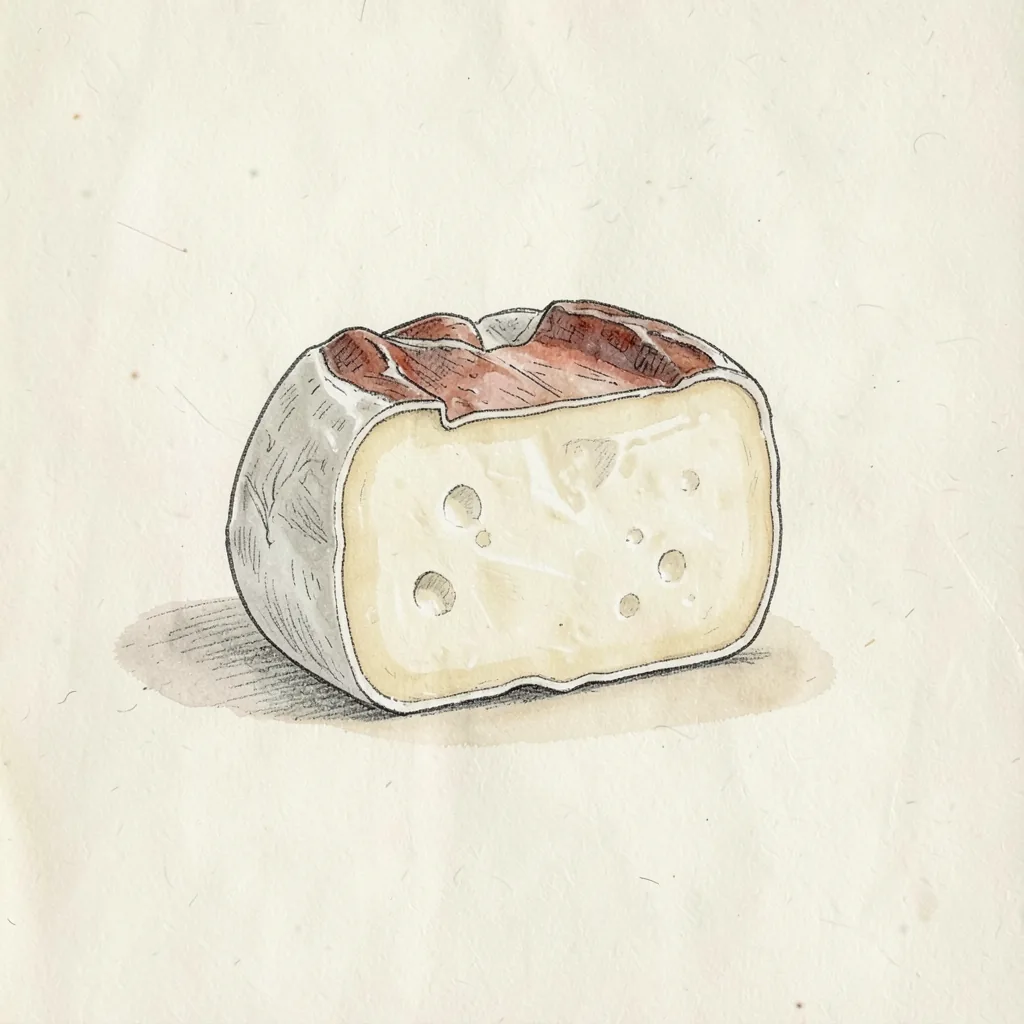
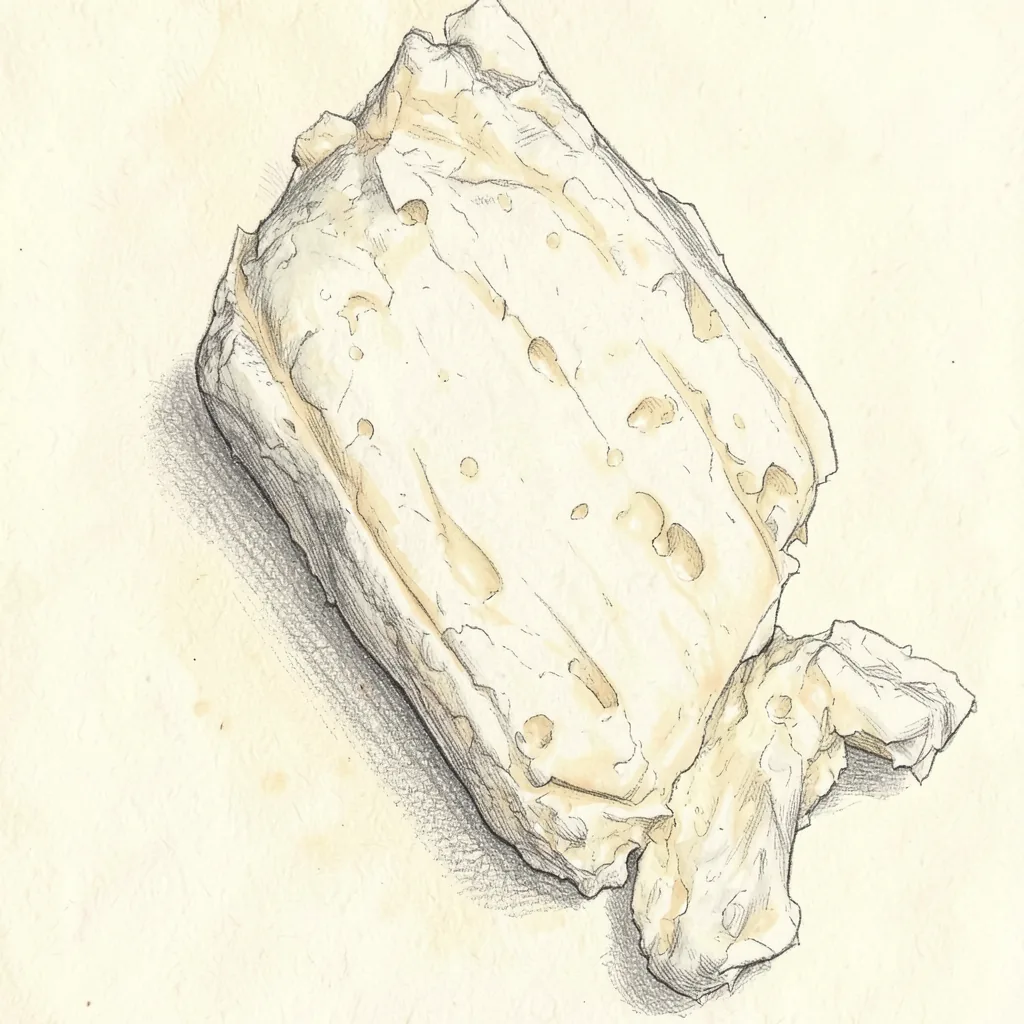
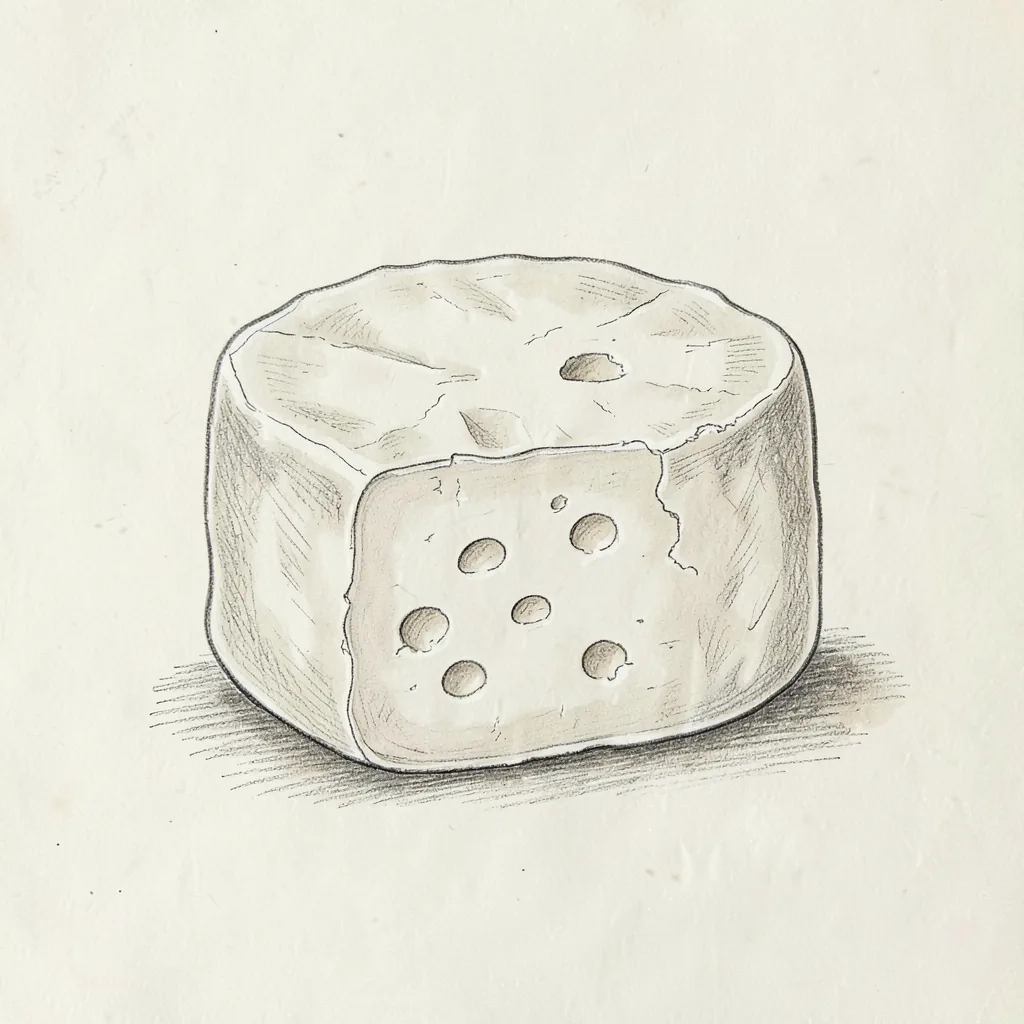
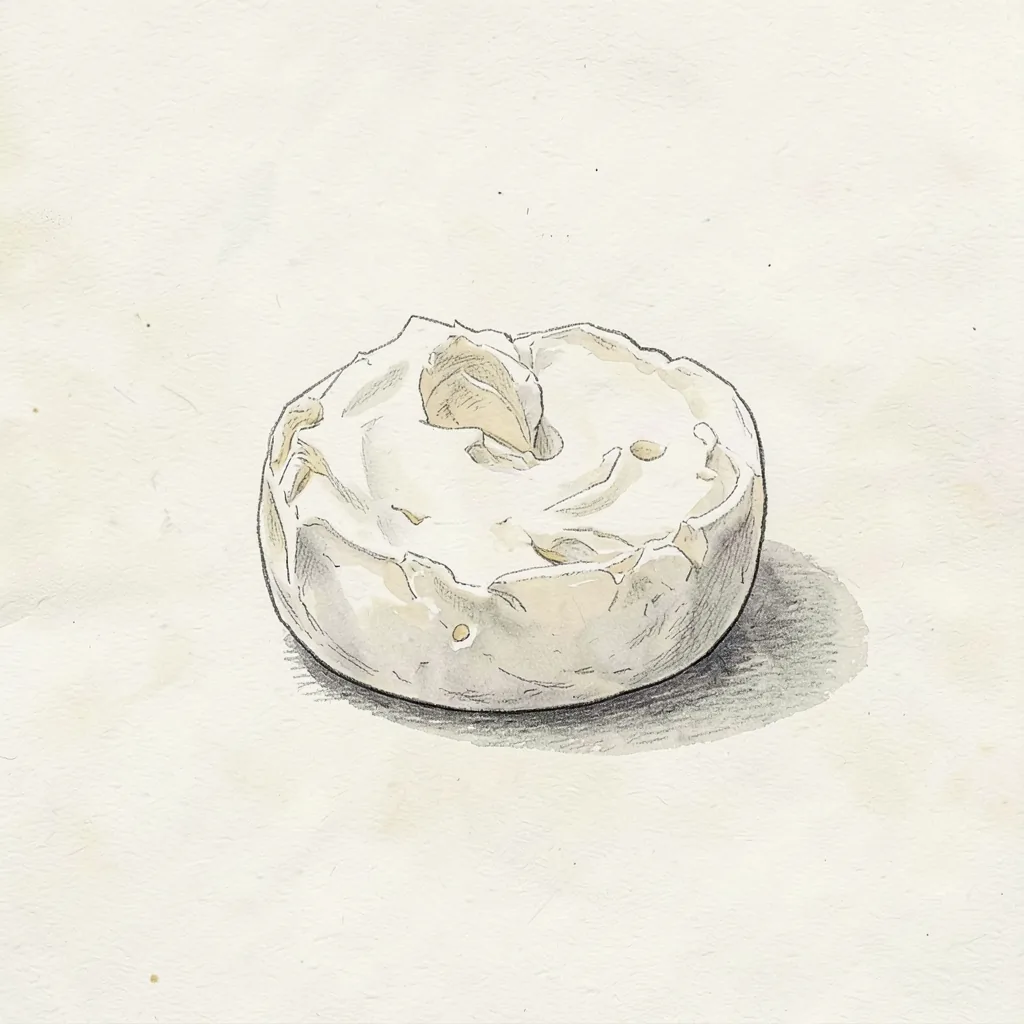
The body is smooth and spoonable, closer to a thick soft cheese than to a sliced wheel. Rennet is slight or absent, so the set comes from lactic acid rather than from a long press. German cooks keep it for savory spreads and for baking. It has no rind, and it is not aged into a hard cheese.
A lean tub is tangy and a bit dry on the tongue, while a richer tub, with cream mixed back in, tastes milder and feels silkier. Both are still the same family of fresh cheese. The German name on a pot is often Speisequark, which simply marks quark meant for eating. It is stirred, spread, or folded into batter. It is not grated, and it does not sit in a cellar like an aged wheel.
History
Acid-set curds are an old way to keep milk in a form people can eat with a spoon, and quark belongs to that broad habit in Germany and nearby countries. In Germany it became a standard fresh cheese, sold plain and used through the week, not a rare farmhouse trophy. The method relies on souring milk until the protein sets, then draining the whey. Creameries now do that work in clean vats. The idea is older than branded pots, and no single town owns the name.
Neighboring countries use other words for closely related curds, which shows how widely the method spread. Austria says Topfen, and kitchens farther east have their own names for a similar fresh cheese. German shops still treat quark as a basic dairy item, next to yogurt and cream. A lean cooking style and a creamier dessert style sit side by side. The country on the label may change, but the spoonable curd is the constant.
How it is made
Pasteurized cow's milk is warmed and soured with lactic cultures until it thickens. A small amount of rennet may be used, but acid does the main work, which is why quark is called an acid-set cheese. The gel is cut and stirred gently, and whey drains off through cloth or a separator. What remains is a smooth white curd with a fresh lactic smell. Salt is optional, and many plain pots are only lightly salted or not salted at all.
Producers then adjust the body before packing. A lean quark stays tart, and a close look may show a fine grain, though good examples are still smooth. Cream can be blended back in to make a richer, softer style that spreads like thick yogurt. There is no rind treatment, no wash, and no aging room. The cheese is packed cold and meant to be eaten fresh, and heat in a kitchen may soften it, but that is cooking, not cheesemaking.
Taste
Plain quark tastes milky, clean, and tangy, with a lactic finish that can remind you of yogurt. A lean pot is sharper and a little chalky if it was drained hard. A creamier pot is rounder, less sour, and more like a soft cheese on bread. There is no rind flavor, and there is no salty bite unless salt was added. Herbs, fruit, or sugar change it quickly because the base is mild and fresh.
Texture matters as much as taste, and a good pot is uniform from the spoon to the last bite. Well made quark has no separate lumps of the kind you see in cottage cheese, and it is less dense than a very rich cream cheese. If a little whey weeps on the surface, a short stir brings it back. Bitterness or a yeasty smell means the pot is past its best. Fresh quark should smell like clean cultured milk.
In the kitchen
German home cooking uses quark as a spread and as a batter ingredient. Mix it with chopped herbs, salt, pepper, and a little oil for a quick savory spread on bread. In baking, it lightens cakes and dumplings, and it makes a cheesecake filling that tastes tangier than a cream-cheese version. It can also go into dips and cold sauces for potatoes or vegetables. High heat can make it split, so gentle heat is kinder in a pan.
On a salad plate, seasoned quark works as a thick dressing or a soft dollop beside beets, cucumbers, and potatoes. It does not melt into a smooth sauce the way a pressed cheese does, so do not ask it to replace a grating cheese on pasta. Sweet breakfasts are just as common, with fruit, honey, or jam stirred through a richer pot. Keep it cold until you use it. Once opened, it is fresh dairy, not a pantry cheese.
Around the world
Outside Germany, quark shows up wherever Central and Eastern European baking traveled. Bakers look for it when a cheesecake should taste tangy rather than purely rich. Where no pot is labeled quark, fromage blanc is the closest French fresh cheese, and tvorog covers a similar role farther east. Cottage cheese is easier to find in some shops and can work if you blend it smooth. Unless you do that, the result stays lumpier than true quark.
Cream cheese is the usual substitute in American recipes, and it is richer and less sour, so the dish changes. A German recipe that expects lean quark will taste heavier if you swap in cream cheese without thinking. Read the pot before you start. Speisequark, Topfen, and similar names are the same idea under local labels. None of them is a pressed cheese, and none of them belongs on a hot grill.