What it is
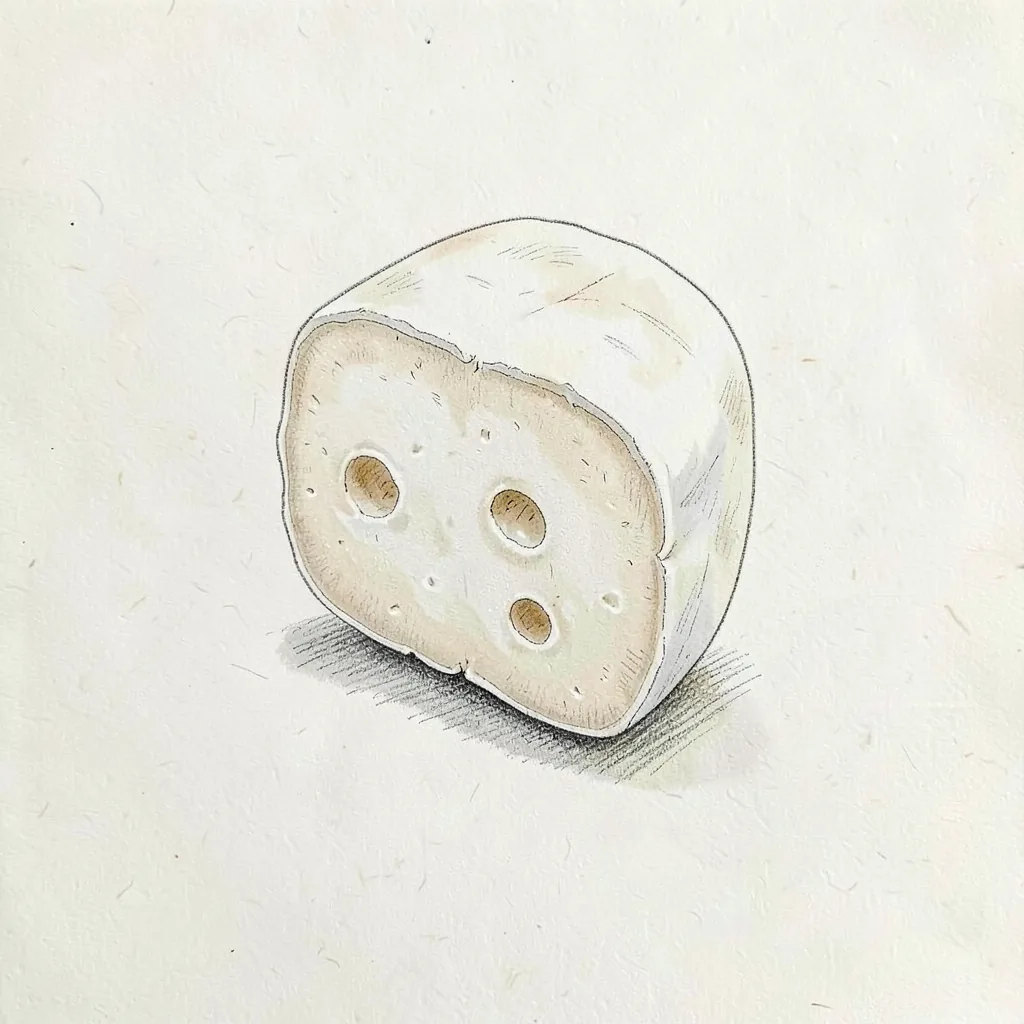
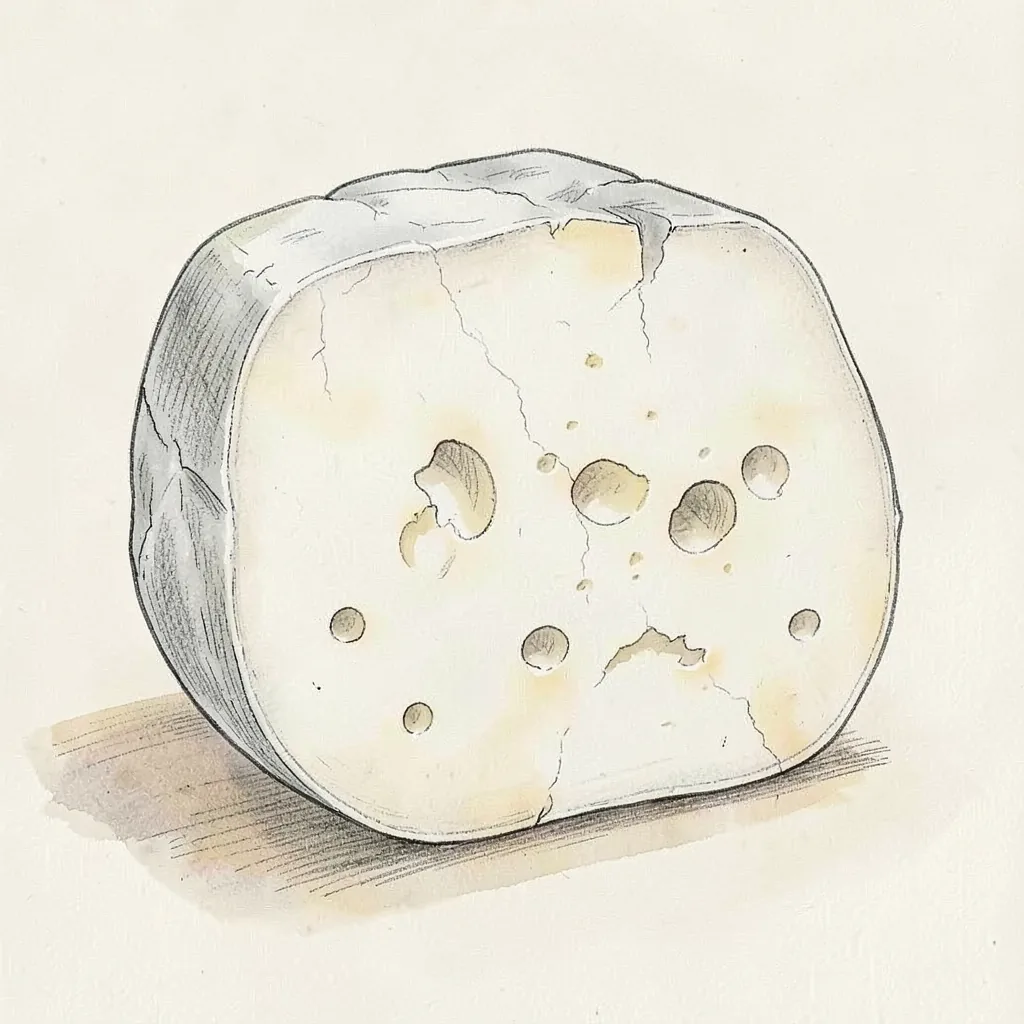
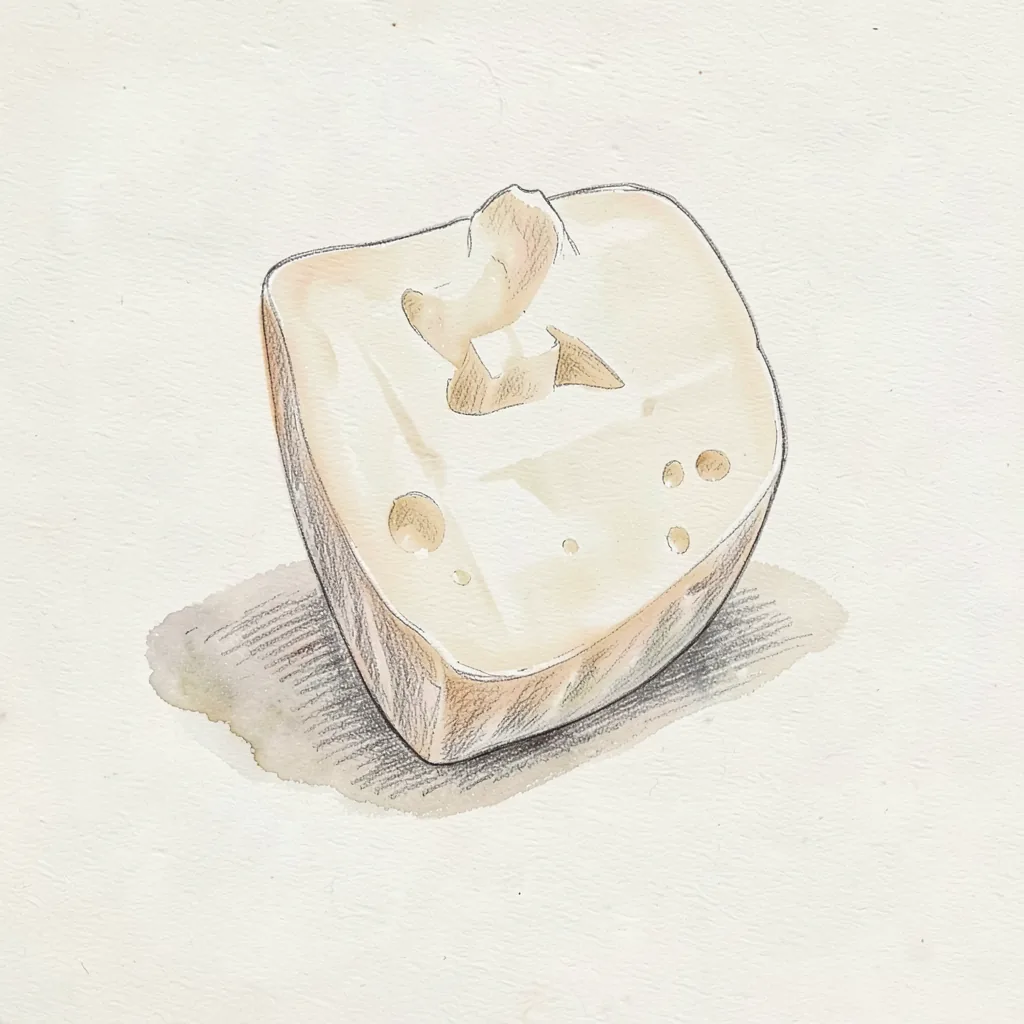
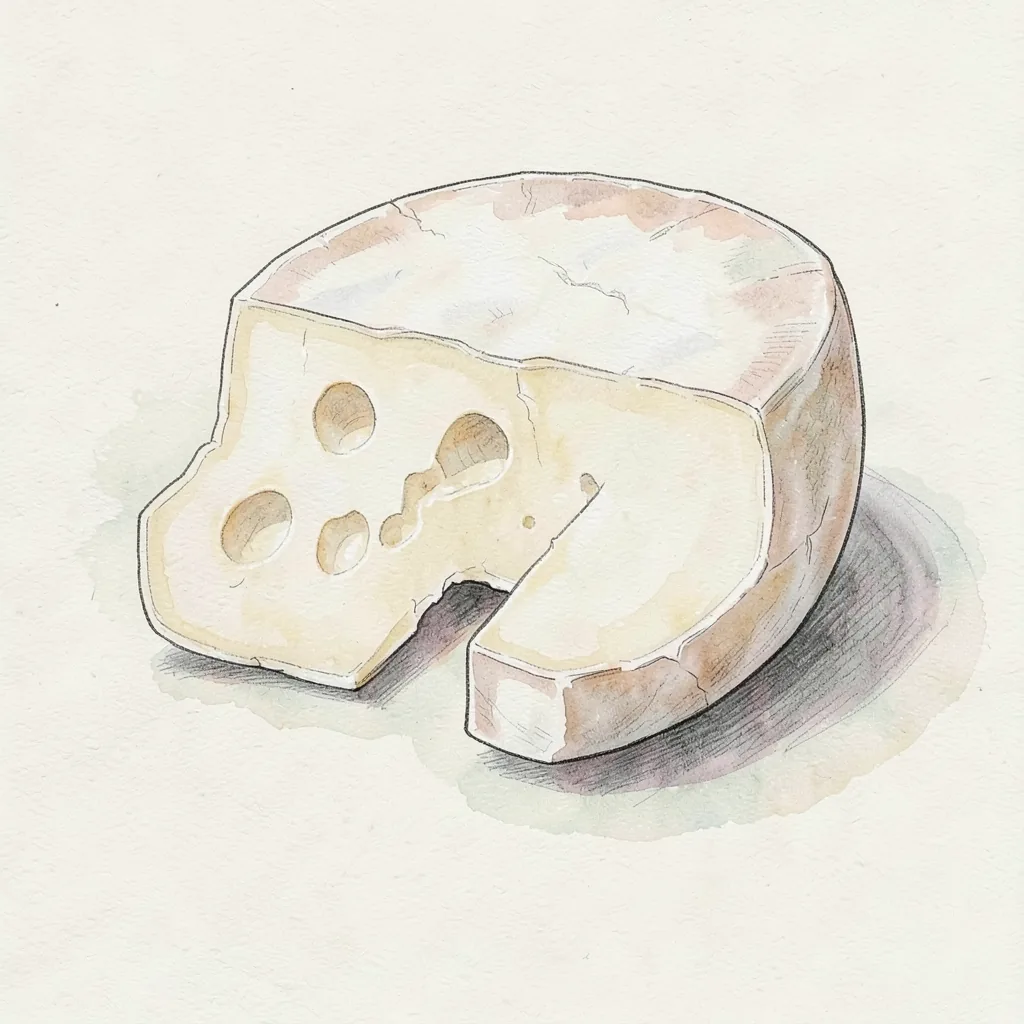
Makers heat fresh milk and curdle it with sap from papaya, not with animal rennet. The curds are soft, mild, and a little chewy, closer to a firm fresh curd than to a long-aged wheel. Banana leaves often wrap the pieces after a short rest in brine. It is a local food, sold and cooked in ordinary Indonesian meals.
Salt and a light bitterness from the papaya sap are part of the taste, so cooks keep the sap sparing. Too much sap makes the curds harsh. A good piece is clean, white, and gently salty, with a springy bite. People eat it plain with rice, or they fry and grill it so the outside browns. It does not run when heated, which is why the kitchen treats it more like a slice of curd than like a melting cheese.
History
Dangke belongs to home dairying in Indonesia, where fresh milk was turned into a food that would keep a little longer than raw milk. The method uses plants that grow beside the dairy, especially papaya. Families passed the steps along by practice, not by a written recipe from outside the country. The cheese stayed a regional specialty for a long time. Wider notice came later, as Indonesian cooks and food writers started to name it beside other fresh curds of Asia.
One local explanation ties the name to a Dutch phrase of thanks, spoken when visitors were offered the cheese. That story is widely repeated, but it is not a documented record. What is clear is that the cheese was a food of hospitality, set out for guests with rice. It was never a factory brand with a single owner. Small producers still make it for nearby markets, and some now sell it farther from home.
How it is made
Fresh milk is warmed until it is ready to set. A small amount of papaya leaf, stem, or unripe fruit, or the sap itself, goes in to clot the proteins. The papaya enzyme does the work that rennet does in many other cheeses. Curds form and whey separates. Makers then gather the curds, drain them, and shape the mass while it is still warm.
The drained curd is pressed into a simple mold. A halved coconut shell is a traditional mold, and it gives a small rounded piece. Salt may go into the milk or onto the curd. Many makers soak the cheese in brine for a short time, then wrap it in banana leaves so the surface stays moist and the bitter edge softens. The cheese is eaten fresh, not cellared for a long age.
Taste
Plain dangke is mild, milky, and lightly salted. A faint bitter note from the papaya can sit in the background, and it should stay faint. The paste is white and moist, with a spring that feels closer to tofu than to a crumbly aged cheese. There is little aroma when the piece is cold. Frying or grilling brings out a toasted smell and a gentle savory edge.
Texture matters as much as flavor. A fresh piece bends and chews rather than crumbles. If the sap was heavy, bitterness covers the milk taste and the curd can feel tight, while a light hand with the sap leaves the flavor clean and slightly sweet. Salt from the brine keeps it from tasting flat. Heat browns the outside while the center stays soft.
In the kitchen
Cooks in Indonesia serve dangke with rice, as a side or a simple main. Slices can be fried until the faces color, then eaten with chili or garlic. A grill marks the outside and keeps the center tender. Stir-fries use cubes with vegetables. Because the curd holds its shape, it can go into a hot pan without melting into the oil.
A short marinade of salt, garlic, and coriander is common before frying. The banana-leaf wrap can come off before the pan, or the packet can warm through if the cook wants a softer result. Dangke is not a grating cheese and it is not a spread. Leftover pieces keep their use as a cooking ingredient, cut into crackers or a dry snack in some kitchens. Keep the heat moderate so the outside browns before the center dries out.
Around the world
Dangke is still little known outside Indonesia. Most people who eat it do so near where it is made, or in Indonesian cities where specialty stalls carry it. It does not travel as a standard export cheese the way many European wheels do. Visitors meet it as a local dish, often fried, rather than as a labeled wedge on a shop counter. Food writers sometimes call it Indonesia's traditional cheese, which is a fair short description.
Cooks abroad who cannot find it look for other fresh curds that fry or grill without melting away. Paneer and halloumi are the usual stand-ins, though neither uses papaya sap. The papaya step is the detail that sets dangke apart from those cheeses. In Indonesia it remains an everyday food, not a rare showpiece. Anyone who wants the real taste should look for the leaf-wrapped pieces and a kitchen that fries them simply.