Water buffalo
What it is
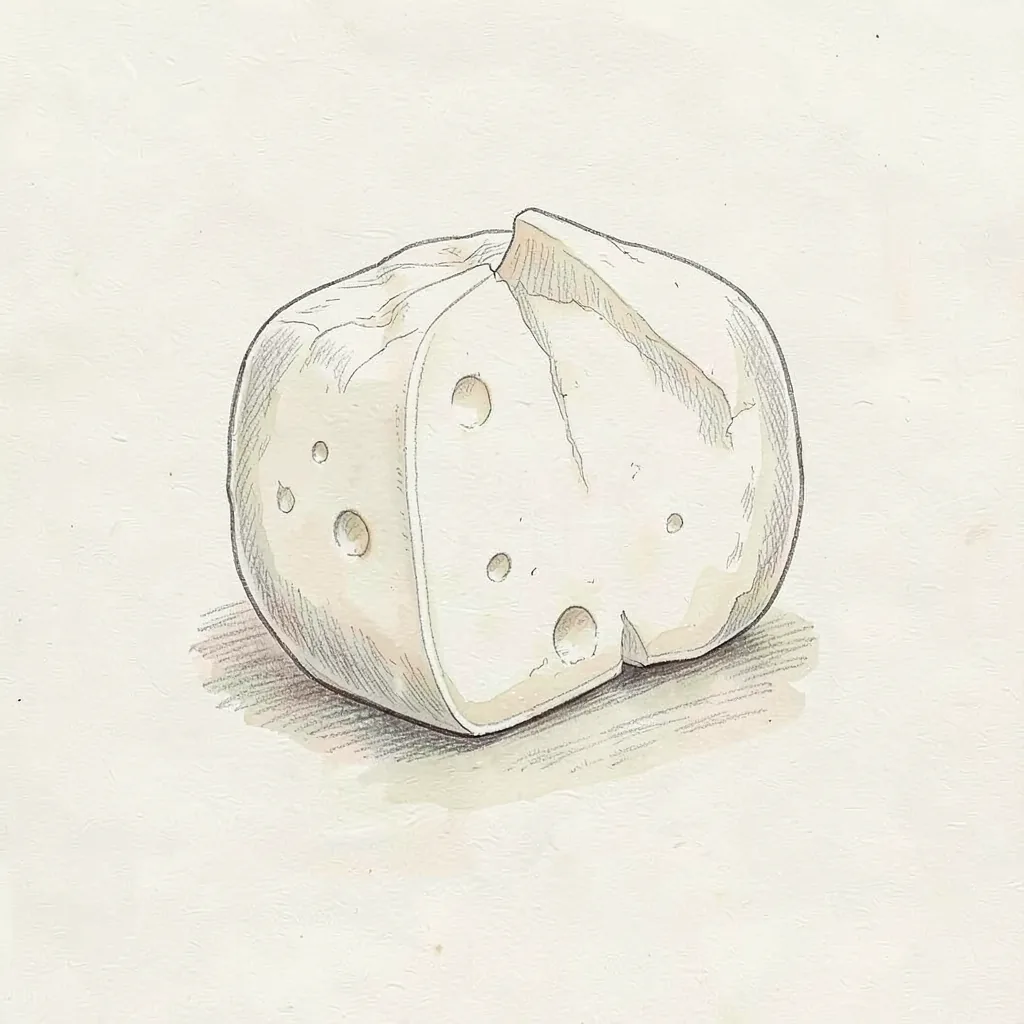
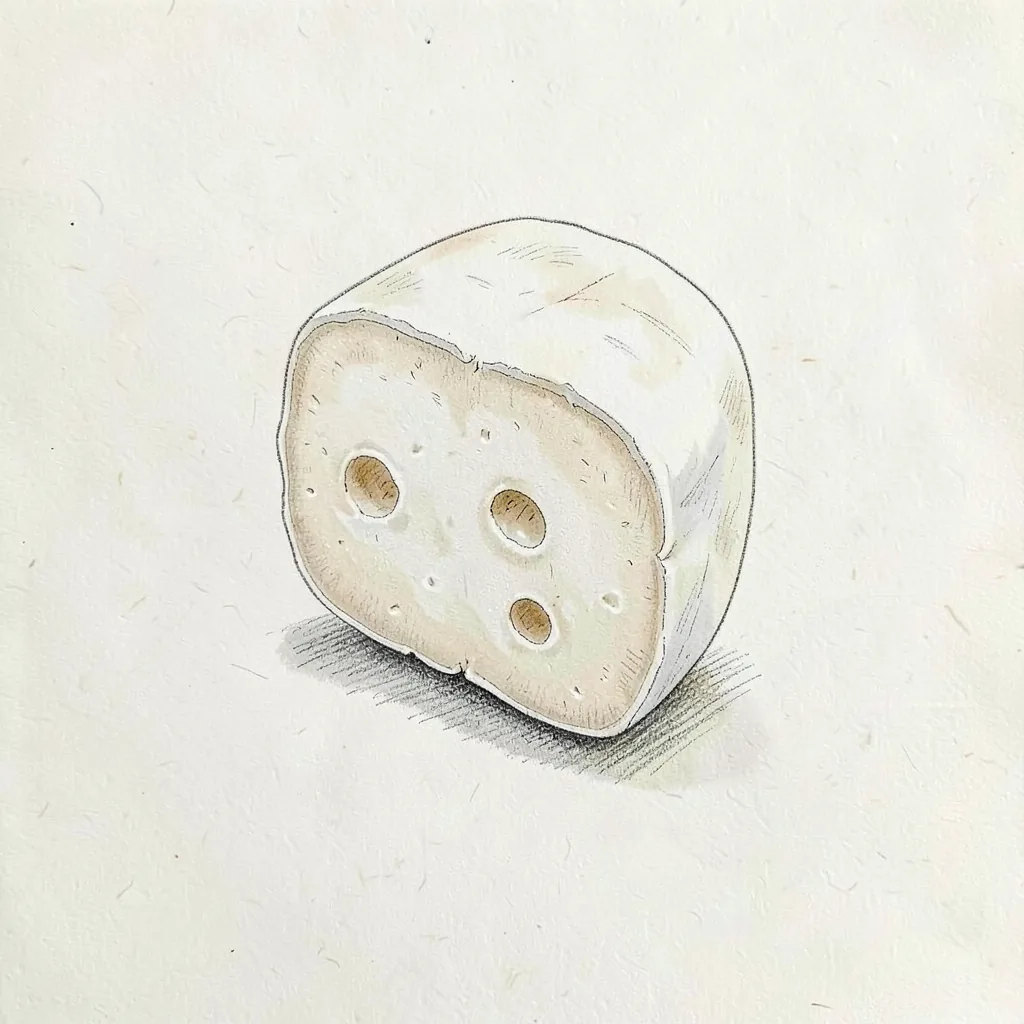
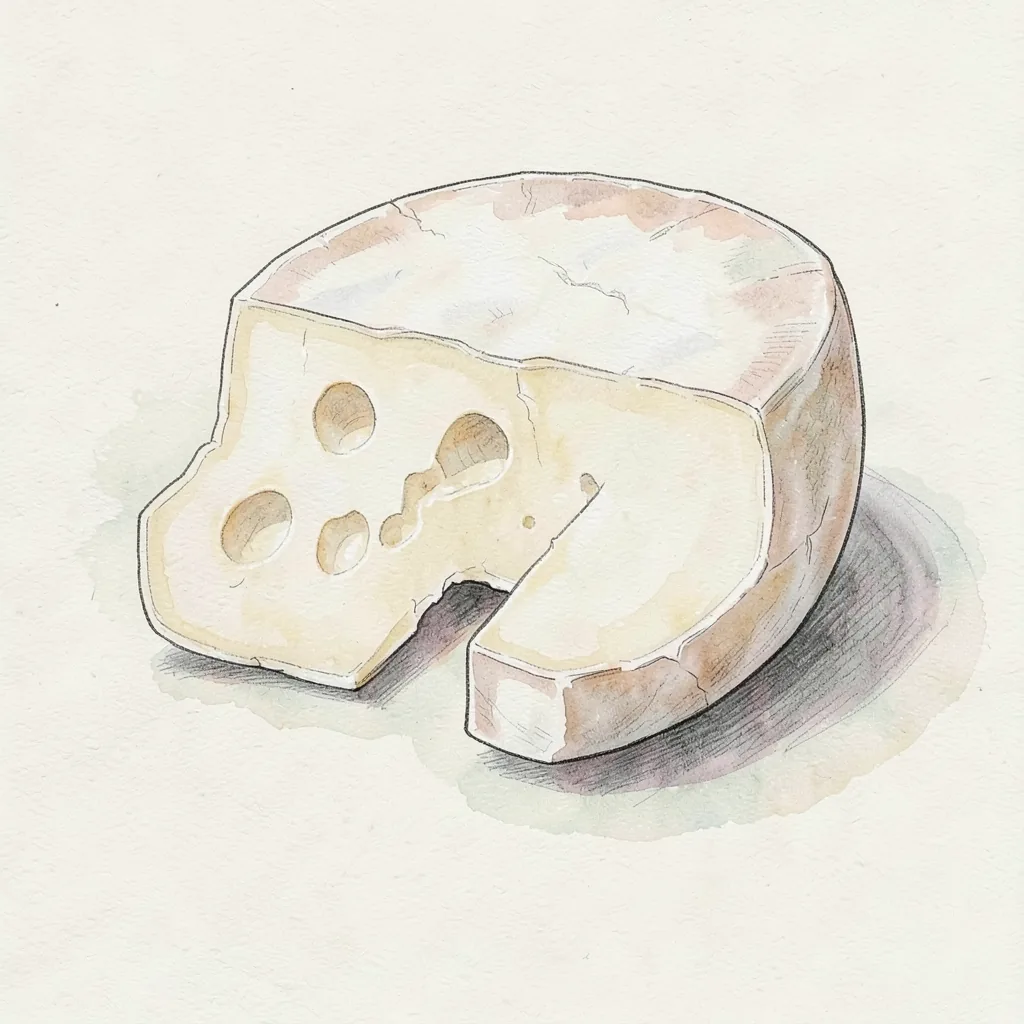
The name means white cheese. The curds are mild, salty, and a little tart, with a moist texture that can be spooned or sliced. Many pieces are wrapped in banana leaves, which add a faint leafy smell. It is an everyday cheese, not a long-aged wheel with a rind.
Makers heat the milk and coagulate it with vinegar, citrus, or sometimes rennet, and then they drain the curds. The result is white and soft, closer to a fresh curd than to a ripened wheel. Some batches are loose and creamy, and others are firm enough to cut into neat slices. Salt is already part of the taste, so the cheese comes seasoned. Eat it while it is fresh, because it is not made to sit and mature.
History
Fresh cheese fits a warm country where milk had to be used quickly, and kesong puti is a Filipino answer to that need. Carabao, the local water buffalo, supplied the rich milk that became the traditional base. Home makers and small dairies passed the method along, often with banana leaves as the wrapper. There is no single founder and no single village behind the name. The cheese belongs to the Philippines as a country, not to one town on a label.
Older spellings such as quesong puti still turn up, and they show how the name moved through local speech. The cheese itself stayed a fresh white curd, lightly salty and a bit tart, rather than becoming an aged European-style wheel. Small producers still wrap portions in leaves for markets. Larger makers sell plain packs as well. The identity remains a soft white cheese meant to be eaten soon after it is made.
How it is made
Traditional kesong puti uses unskimmed carabao milk, which is water buffalo milk, together with salt. The milk is heated gently, and an acid such as vinegar or citrus is stirred in so the curds form. Some makers use rennet instead of acid, or they use both in the same batch. The curds are drained in cloth until the whey runs off. A light press makes a sliceable piece, while a gentler drain leaves a softer cheese that can be spooned.
Banana leaves are the classic wrap, and they keep the cheese moist while adding a light aroma. There is no rind and no ripening room in the usual method. The cheese stays white, with a mild salty tang from the salt and the acid. Commercial batches may look neater than a market bundle, but they are still a fresh curd. Because the cheese holds a lot of moisture, keep it cold and finish it soon after the pack is open.
Taste
The flavor is mild, milky, and lightly salty, and a gentle tart note comes from the acid that set the curds. Water buffalo milk gives a rich, soft taste without a strong smell when the cheese is fresh and clean. Texture may be a tender curd, a soft slice, or a moist white block that yields under a spoon. It should taste sweet-milk and quiet. A sharp sour smell or a bitter edge means the piece has gone too far.
A banana-leaf wrap can add a faint green aroma, and that smell belongs to market cheese more than to a bare factory pack. The paste does not grow blue veins, a white bloomy coat, or a sharp aged bite. Salt is moderate, not the heavy soak of a cheese stored in brine. Cold dulls the flavor, so a short rest out of the fridge helps the milk taste show. Even then, the cheese stays gentle beside bright, sour, or salty foods.
In the kitchen
Eat kesong puti with warm bread, and it is a familiar partner for pandesal in the morning. Crumble it into a salad of tomato and onion when you want salt, cream, and a light tang. Slices sit well on fruit or on a soft rice cake. In a hot pan the curds soften, but they do not stretch like a spun-curd cheese. Treat it as a fresh cheese for the table, not as a block for the grater.
The curds are already salty and slightly tart, so they season a simple dish with little extra help. Fold pieces into eggs, or lay them on a flatbread for a short bake. Do not expect a long cheese pull or a dark fried crust. A very soft batch can be spread on bread with something sweet or with a savory relish. Once the pack is open, keep the portions moving and eat them while the taste is still clean.
Around the world
Outside the Philippines, kesong puti is easiest to find in Filipino groceries, and it may be missing from a general cheese counter. The traditional water buffalo version is the one to choose when the label names the milk. Queso blanco and paneer are the cheeses cooks use when the Filipino one is not there. They are fresh and mild, but they are different products from different places. Read the pack so you know which curd you actually have.
Queso panela is a Mexican fresh cheese, and it can stand in for slicing, but it is not the same food. Paneer is the Indian cooking curd people use when a pan needs a soft white piece that holds its shape. None of those swaps carry the banana-leaf aroma of a market bundle from the Philippines. At home, kesong puti is an ordinary cheese sold to be eaten fresh. Treat an imported pack the same way, and do not try to age it on a shelf.