Cow
What it is
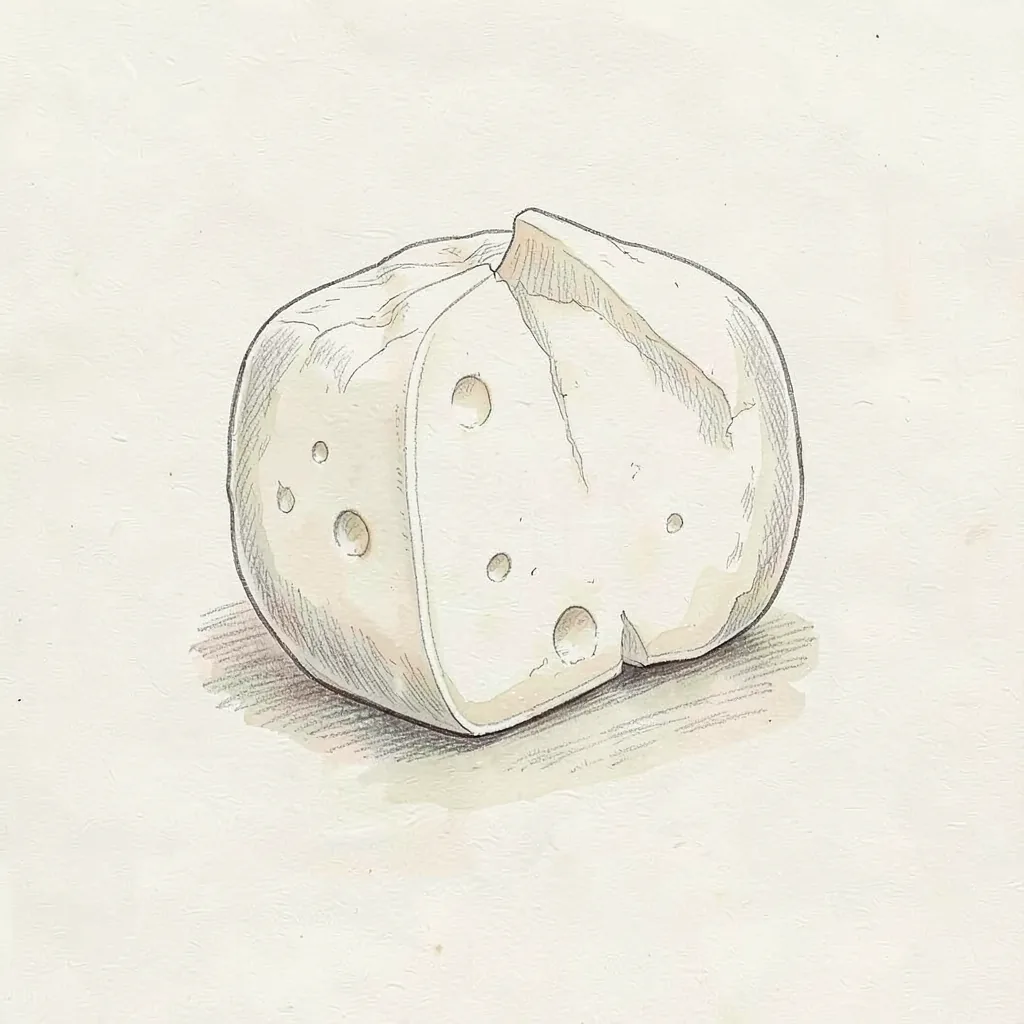
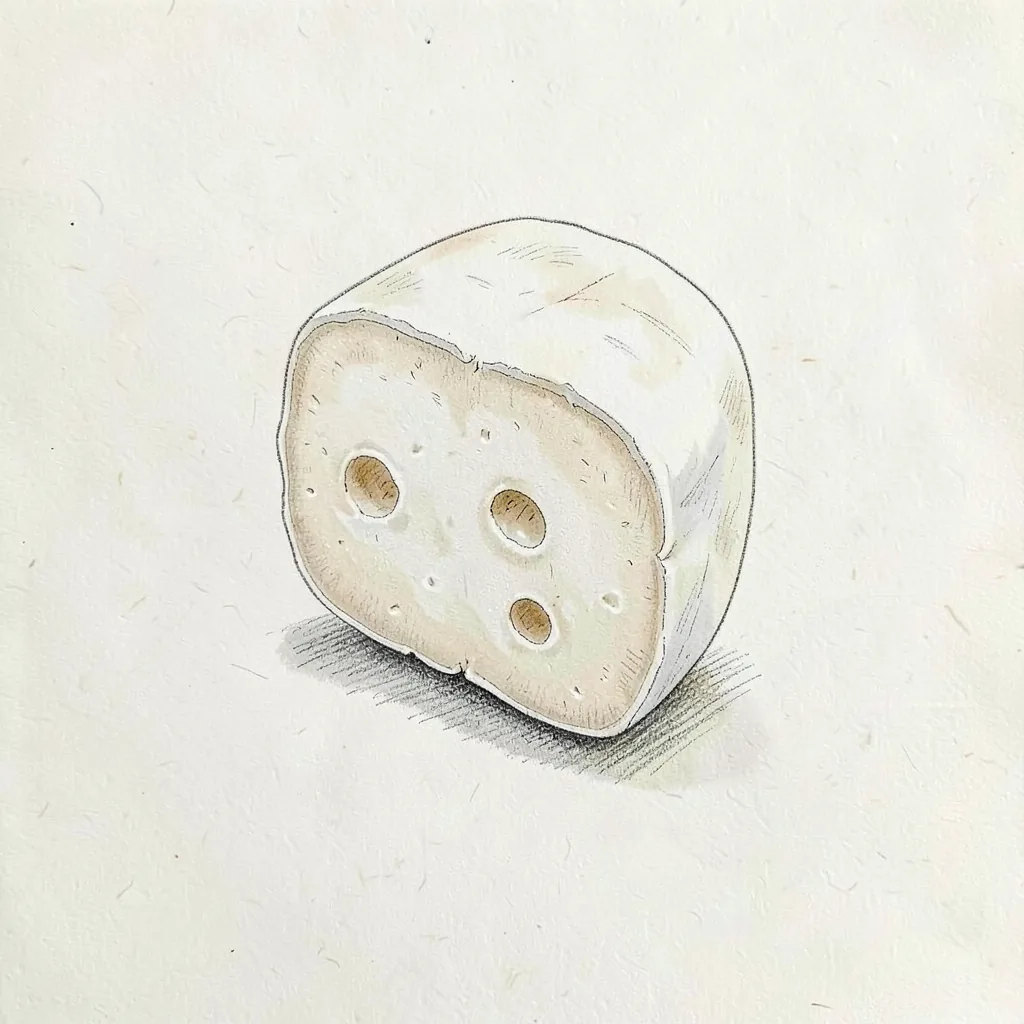
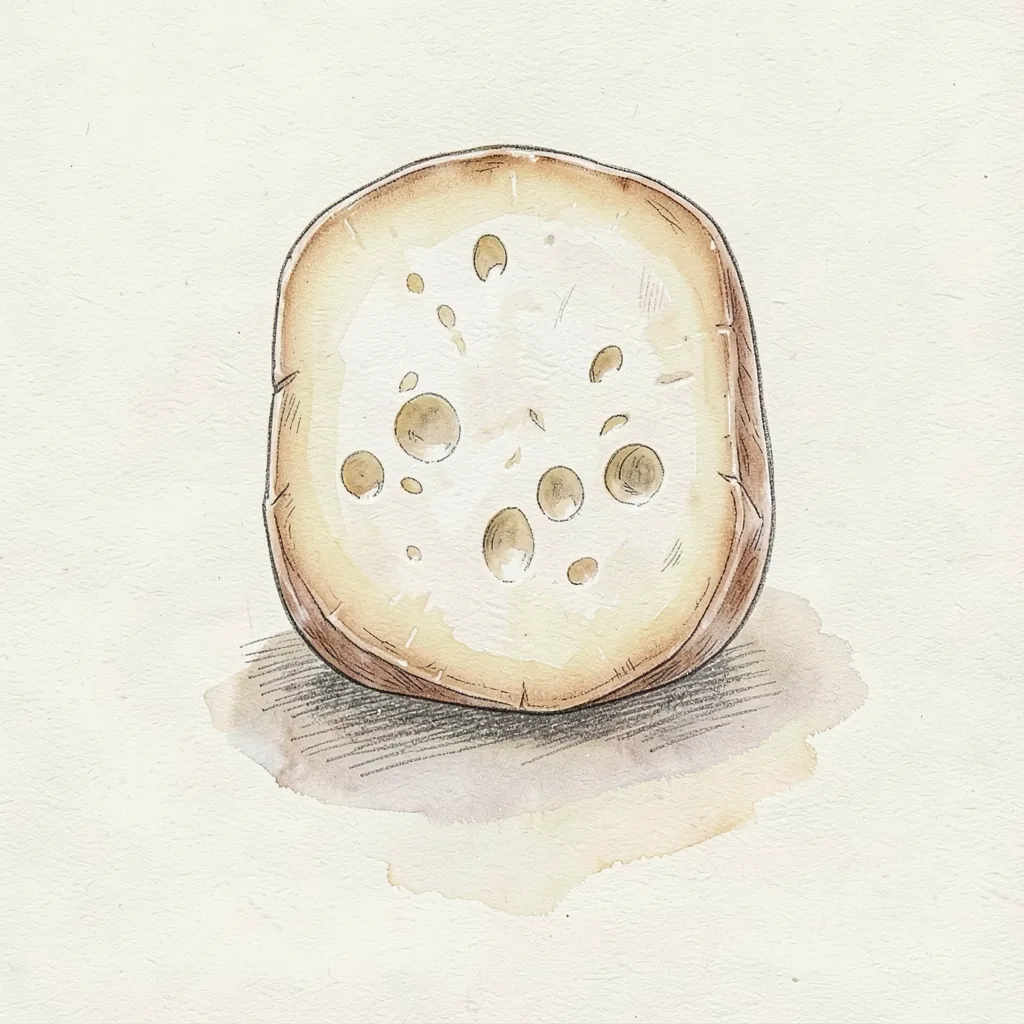
It is the Mexican cheese of that name, not a goat cheese from California that sometimes uses a similar word. The loaf is soft, moist, and mild, and it has no rind. Basket molds leave a woven pattern on the surface, which is why people also call it queso de canasta. It is eaten fresh, not aged into a sharp wheel.
The paste holds a slice, and it softens in a hot pan without melting into strings. That habit puts it with other fresh cheeses that brown on the outside and stay tender inside. The flavor is lightly salty and milky, with a clean finish. Mexican cooks use it in salads, tacos, and antojitos. It is an everyday cheese, sold in markets and in ordinary grocery dairy cases.
History
Fresh cow's milk cheeses are basic to Mexican cooking, and panela is one of the sliceable kinds. The basket mold is the detail people remember, because the weave marks the face and lets whey drain. The name refers to a round loaf, like a small cake of cheese rather than a tall aged wheel. Dairies across Mexico make it for quick sale. It was never meant to sit in a cave until it dried and turned sharp.
The cheese stayed a market cheese as cities grew, and packaged versions kept the same white paste and light salt. Nothing about the style depends on one estate, one founder, or one village recipe. What matters is fresh cow's milk, a gentle set, and a basket or a mold that copies the basket weave. Shoppers outside Mexico sometimes meet a different cheese that borrows the word panela. That product is not this fresh Mexican loaf.
How it is made
Cow's milk is warmed and set, usually with rennet, until a soft gel forms. The gel is cut so whey can leave, and the curds are stirred gently so they stay moist. They are then scooped into baskets. The basket drains the cheese and prints a woven pattern on the surface. The curd is not cooked into a stretchy strand, and it is not pressed for a long time under heavy weight.
Salt is moderate and is mixed in or added as the curds settle in the mold. Once the cheese holds its shape, it is turned out of the basket and cooled. There is no rind treatment, no aging board, and no long stay in a brine barrel. The loaf should look bright white and feel moist and springy. Dairies sell it soon, because the style is fresh, and a sour smell means it is no longer good to eat.
Taste
Panela tastes clean, milky, and lightly salted. There is a little sweetness from fresh cow's milk and a soft lactic tang, but no sharp bite. The paste is moist and smooth, with a fine tight body that slices instead of falling into wet crumbs. It can squeak faintly against the teeth when it is very fresh. Nothing in the flavor comes from mold, smoke, or a washed rind, and the impression is quiet dairy rather than a strong aged cheese.
Heat browns the outside and makes the inside softer and a bit richer. The taste stays mild, so chile, salsa, or herbs will dominate if you add them. It does not become nutty the way a long aged cheese does, and it does not turn mushroomy like a bloomy cheese. If the loaf tastes bitter or yeasty, discard it. Fresh panela should remind you of milk, salt, and a clean dairy smell, and little else.
In the kitchen
Slice panela onto salads, beans, and antojitos where you want a mild white cheese that keeps its shape. Cubes can be pan fried or set on a grill until the faces color. The center softens but does not run across the plate. That makes it useful in tacos that would be flooded by a cheese that fully melts. Break it with a fork only when the piece is still moist, because dry chalky edges are a sign to start with a fresher loaf.
Because it does not stretch, do not choose it for a dish that needs long melted strands. Queso blanco is the closer cousin for fresh mild cooking, and paneer is the fresh cheese most likely to behave in a hot pan if you cannot find panela. Season the food around it, since the cheese itself is quiet. It takes lime, onion, cilantro, and chile without a fight. Keep it cold, and use it soon after opening, as you would any fresh cheese.
Around the world
In Mexico, panela is a normal grocery cheese, stacked with other fresh white cheeses. The basket mark is the quick way to recognize a traditional loaf, though some modern molds copy that pattern on a smooth block. Mexican shops abroad usually carry it in a small round or a sealed pack. The label should show a fresh Mexican cheese made from cow's milk. If a label points to a goat cheese from California, leave it, because that is a different product with a confusing name.
Cooks outside Mexico sometimes reach for paneer, queso blanco, or another firm fresh cheese when a recipe says panela. Those can match the mild taste and the way a slice holds in a pan. They will not show a basket weave, and they may be drier or saltier than the Mexican loaf. Halloumi is saltier and more rubbery, and it is a grill cheese from another tradition. Use the Mexican cow's milk cheese when you can, because the mild flavor and the moist slice are the point.