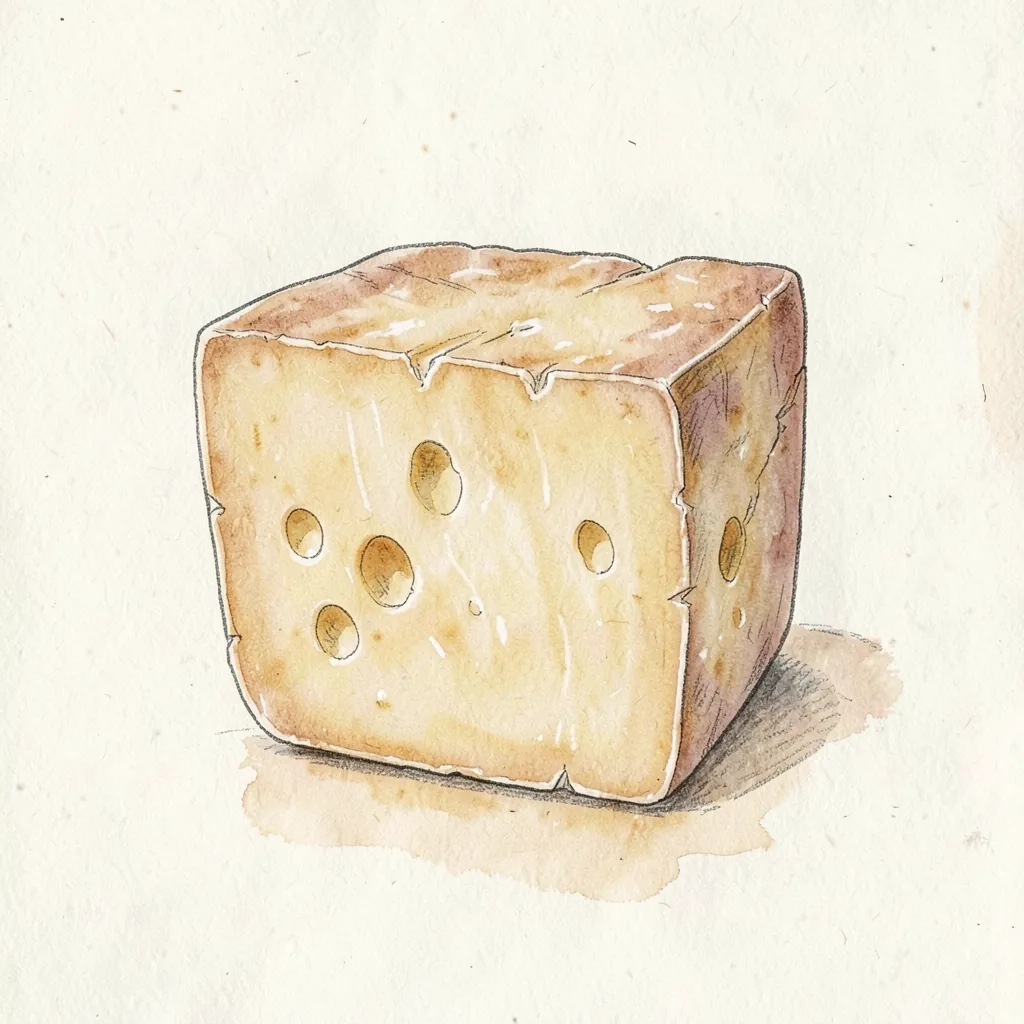
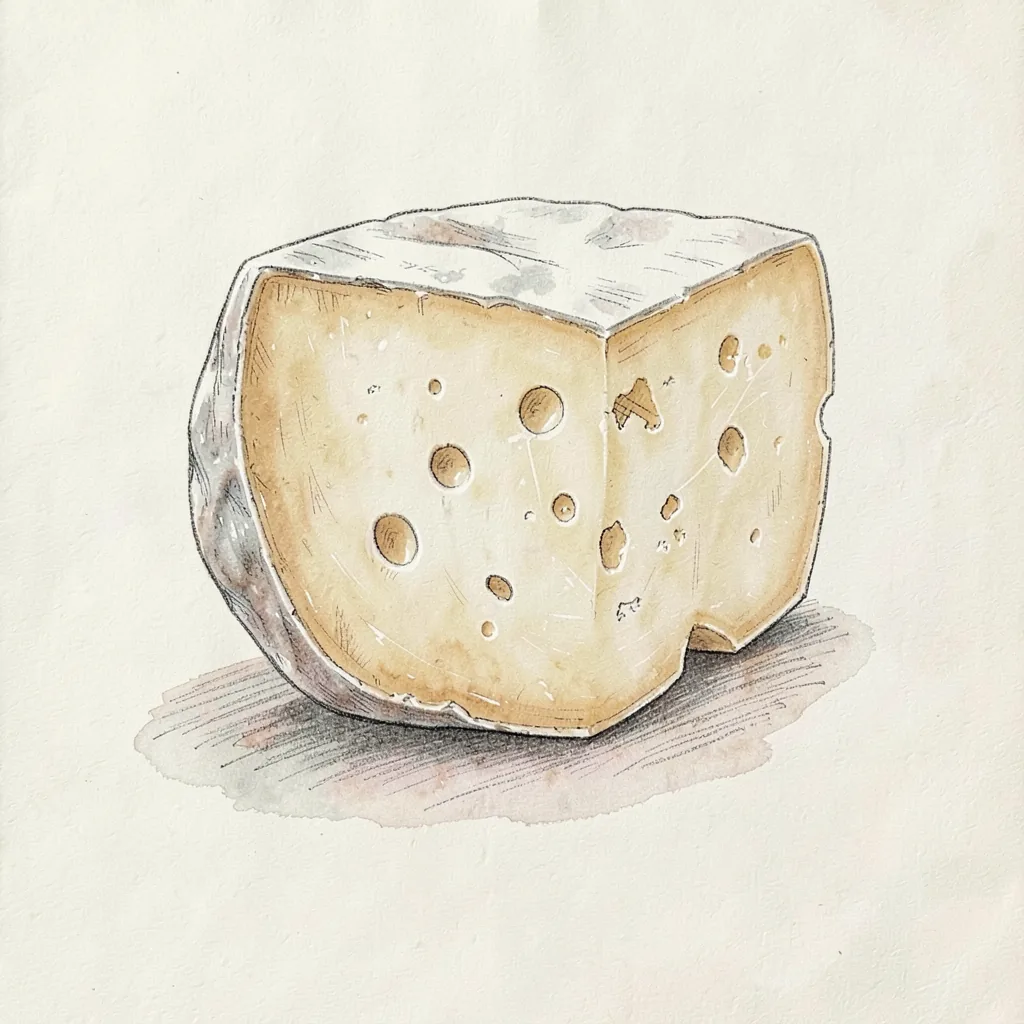
What it is
Tibetan herders make it in the high country, and the wheels are aged before they travel. The paste is dry enough to slice or grate, and the outside is a natural rind rather than a soft white coat. The Trace Foundation worked with those herders to turn local milk into this named wheel. It is a rare cheese, and ordinary shops outside Nepal rarely stock it.
The flavor starts mild and milky, then opens into notes of flowers, leather, and wood. A gentle earthy finish follows, and the taste stays clean rather than sharp. Red salt from a dry cure is part of that savor. Wheels have been wrapped in scarves and packed in bamboo baskets for the trip to lower ground. On a board it is a quiet cheese, and in the kitchen it is better grated than melted into long strings.
History
The name Flower of Rajya belongs to a finished wheel from Nepal, not to a fresh curd eaten the same day. Tibetan herders already handled milk in a cold climate, and this cheese put that milk into a larger aged form. The Trace Foundation helped with the make so the method could be repeated beyond a single camp. The result is a firm wheel with a savory slow flavor. It never became a mass-market block, which is why many cheese counters still do not carry it.
High pastures shape the milk, and the cheese keeps a floral earthy taste from that feed. There is no washed orange rind and no blue vein. Aging in mountain air, a salt rub, and simple packing in scarves and baskets are the details most accounts share. The name is not a flower stirred into the curd. Buyers who want only a dried morsel for soup are closer to other mountain cheeses than to this wheel.
How it is made
Makers warm the milk in large copper vats and let it ripen before the curd is set. The curd is drained and molded into wheels, then left to firm. A dry cure with red salt seasons the outside and helps the wheel keep. After that rest, the cheese is aged in mountain air until the paste is firm and the flavor has length. Nothing in the usual account points to a brine bath or a bacterial smear on the rind.
Finished wheels are wrapped in scarves and set in bamboo baskets for the move to lower ground. That packing protects the cheeses on the trip. The make is simple, with heat, curd, drainage, salt, and time. It is not a stretched curd and not a fresh spoon cheese. Because the cheese is uncommon, you should not expect a standard young wheel and an extra-old wheel side by side in a shop.
Taste
A first bite tastes of milk, quiet and clean. Floral notes, a hint of leather, and a light woodiness follow, and the finish is earthy without a harsh bite. The paste is firm, so the flavor comes slowly rather than in one creamy rush. Salt from the dry cure should taste savory, not briny like a cheese kept under salt water. A cold piece is more closed, and a piece that warms a little shows more of the floral side.
The smell is mild when the wheel is in good condition. It should not hit the nose the way a washed rind does. There is no chalky white center and no herb or pepper mixed through the paste. The pleasure is the slow change from milk to flowers and then to a gentle earthy note. If a piece tastes flat or musty, it has dried past its best, and a good wheel stays clean, firm, and lightly savory.
In the kitchen
Serve Flower of Rajya in thin slices or small shards on a board, with bread and something crisp such as apple or nuts. It is firm enough to grate over soup, vegetables, or another warm dish. It does not melt into long strings, so it is a poor choice when a recipe needs a stretchy pull. Shave it at the table rather than leave it in a hot pan for a long time. Trim the rind if the salt coat tastes too strong.
Because the cheese is rare, taste a little on its own before you cook with a large piece. Grated, a small amount seasons a dish without hiding the slow flavor. Wrap leftovers well and keep them cold, since a cut face dries and takes on other smells. Do not expect a common shop cheese to match the floral finish exactly. Use the wheel on a board first, and use it as a seasoning cheese second.
Around the world
Outside Nepal, Flower of Rajya shows up in specialist notes and the occasional imported lot, not in a typical cheese case. People who know mountain dairy foods may group it with other firm cheeses from high country, but those cheeses are not the same piece. Some are dried until they are very hard, then chewed or simmered. This wheel is aged and firm, yet it is still a cheese you slice. Ask a specialist seller if you want it, and expect a short supply.
Chhurpi is the firm cheese many cooks in Nepal have when a named wheel like this is absent. Chura kampo is drier still, and it suits a soup better than a board. Neither one copies the floral leathery finish of Flower of Rajya. If you only need a firm savory cheese for grating, another aged wheel will work in the pan and will taste different. Keep this name for the real Nepalese wheel.