What it is
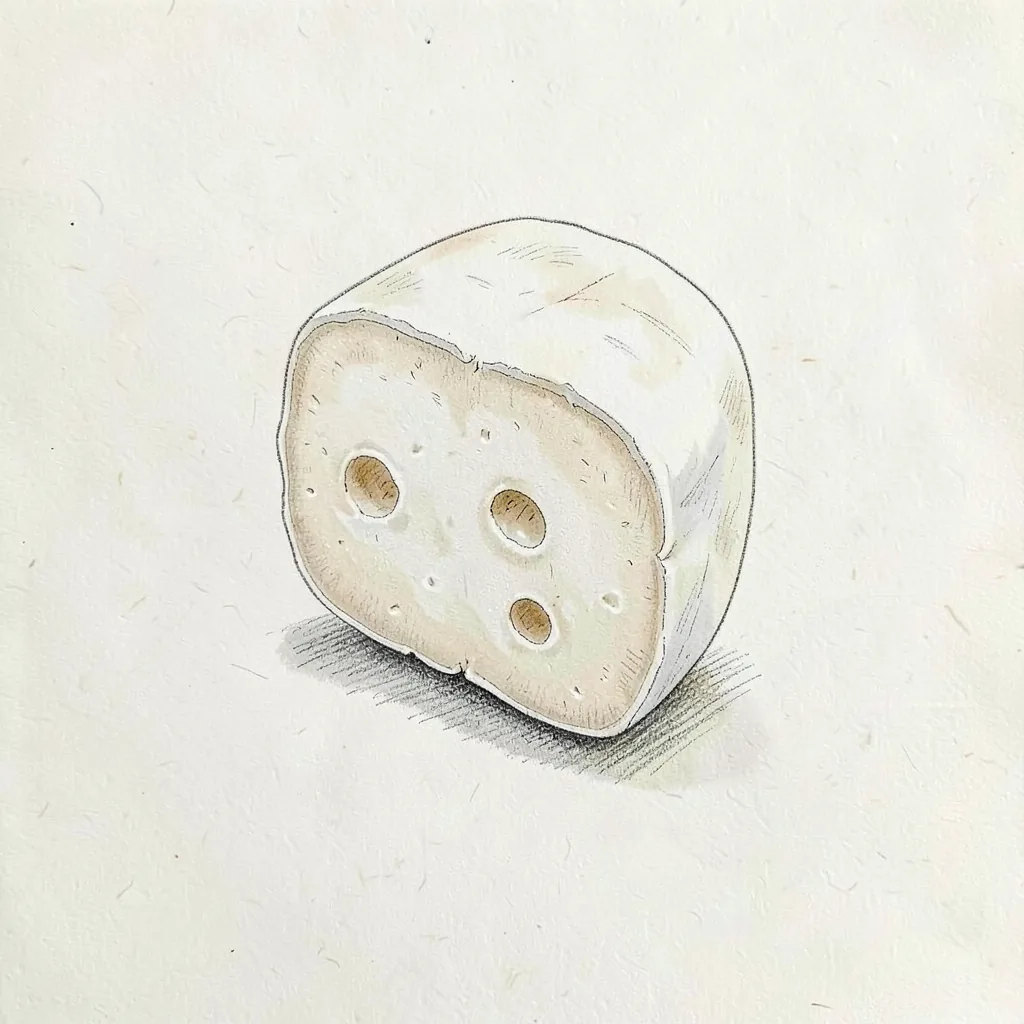
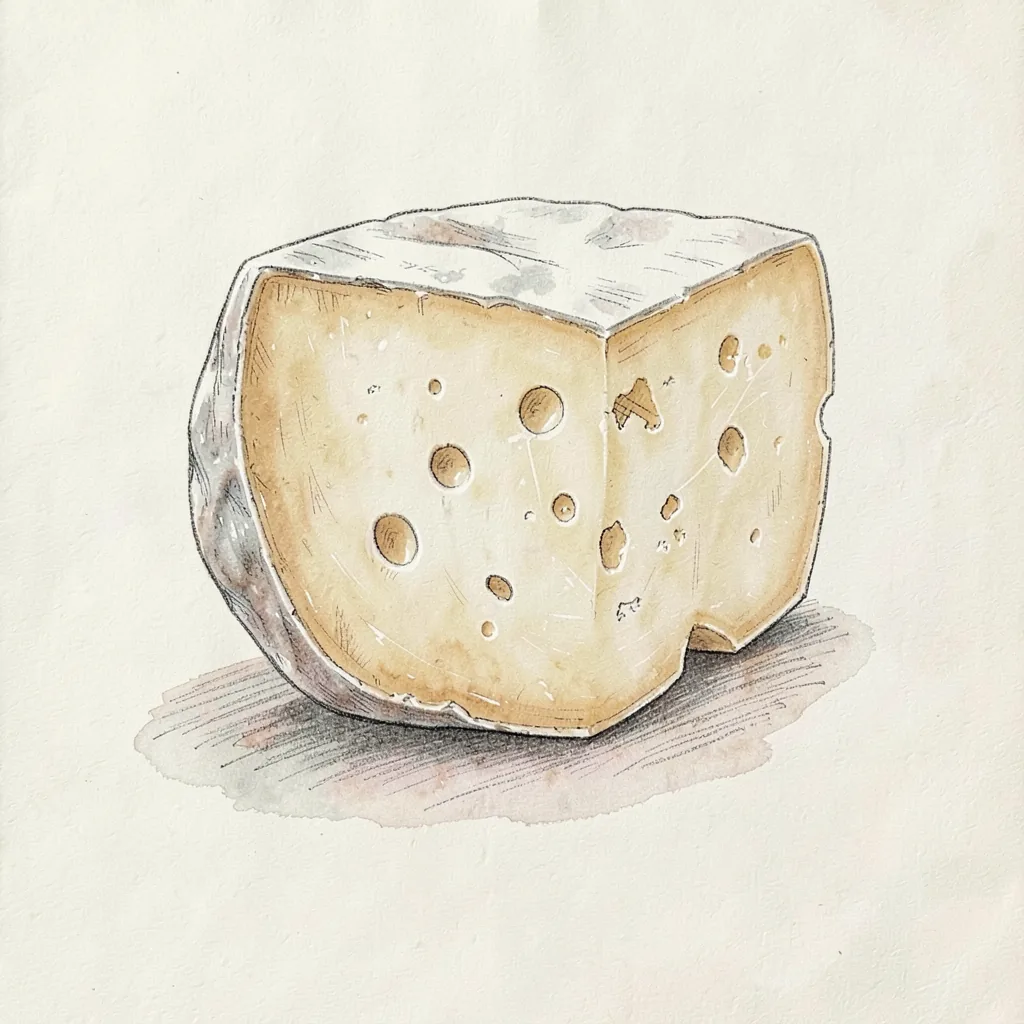
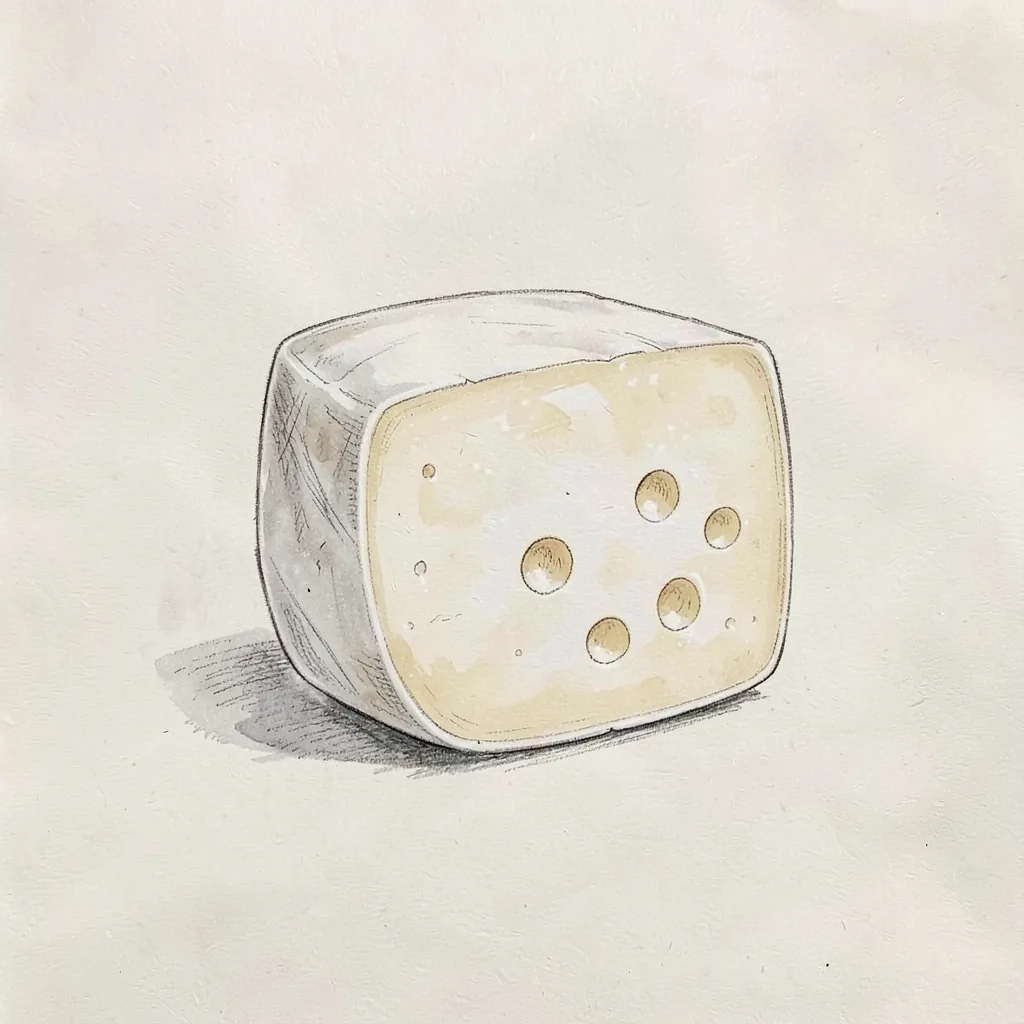
People in Nepal eat both forms, and the cheese is also known in neighboring highland areas. The soft kind is white and mild, and it goes into everyday dishes. The hard kind is dried until it is extremely firm, and it keeps for a long time. Visitors usually recognize the hard piece first.
Soft chhurpi behaves like a plain cooking curd in a vegetable pan or a soup. Hard chhurpi is chewed slowly as a snack, or it is broken and simmered until it softens. Some very hard pieces sold outside the region are labeled as dog chews. Buy a food product if you plan to cook or eat it. In Nepal the cheese is ordinary food, not a rare showpiece.
History
Herding communities in Nepal made chhurpi as a way to keep dairy after butter was taken off. Buttermilk is heated until solids gather, and those solids become the soft cheese. Drying, and sometimes smoking, turns part of that curd into the hard form that travels well. The habit is practical, because a hard piece can be carried and still be food much later. The method belongs to highland kitchens, not to one branded dairy.
The name chhurpi is Nepali, and related words such as durkha and chugo appear in neighboring highland speech. Soft and hard forms share a root, but they are not the same product in the pot. Families cook the soft curd through the week. They save the hard pieces for snacks, soup, and times when fresh dairy is scarce. No single village is the source, and the practice is spread across Nepal.
How it is made
Soft chhurpi starts with buttermilk. The liquid is heated so the solids separate, and the mass is drained in cloth until it is white and tender. A short rest can make the curd tangier, and at that stage it is ready to cook. It is not pressed into a long-aged wheel, and it has no rind. The flavor is plain, milky, and lightly sour if it has stood a little.
Hard chhurpi begins with that soft curd. Makers press out more moisture, cut the mass into small pieces, and dry them, sometimes in smoke over a fire. The pieces shrink and turn very hard, from pale gold to deeper brown. There is still no separate rind, because the whole piece is dense. The hard result is meant for slow chewing or for long cooking, not for a quick melt on toast.
Taste
Soft chhurpi tastes mild, milky, and a little tangy, with almost no salt unless the cook adds it. The body is tender and slightly grainy, closer to a fresh curd than to a creamy spread. Herbs, tomato, and chili change it more than the cheese changes them. It should smell clean and fresh. A sour, yeasty smell means the curd has stood too long and should be discarded.
Hard chhurpi is a different experience from the soft curd. The first bite is very firm, and the flavor is smoky, tangy, and concentrated. People soften a food-grade piece in the mouth by chewing, or they soften it in soup. It is not sharp like a blue cheese, and it is not buttery like a soft French cheese. If a piece smells stale or looks spoiled, do not eat it.
In the kitchen
Cooks simmer soft chhurpi with greens, potatoes, or tomatoes, and they use it as a filling for dumplings. It can be mixed with chili and tomato into a relish for rice. It does not melt into a stretchy strand. Treat it as a curd that warms through and takes on the sauce around it. Salt and spices do the seasoning, and unused soft cheese should stay cold because it is fresh dairy.
Hard pieces need time in liquid. Drop them into a soup or stew and simmer until they soften, or grate them if the piece will yield to a cutter. A very dry cube may need a soak before it joins the pan. Do not plan on a grilled melt or a European-style cheese board. As a snack, only a small food-grade piece should be chewed, and it is too firm for small children.
Around the world
Outside Nepal, chhurpi is sold in Himalayan grocery shops and, in the hard form, sometimes as a pet chew. Read the label before you cook with it. The food cheese is the one for soup and for snacking. Related dried cheeses appear under other names in neighboring highland kitchens, and they are cousins rather than identical products. A shop in a large city may stock only the hard cubes.
Paneer can stand in for soft chhurpi in a vegetable dish, though paneer is usually milder and a bit firmer. There is no perfect stand-in for the hard chewed piece. A recipe that calls for hard chhurpi wants that dry, smoky, long-keeping character. If you cannot find it, choose another highland dried cheese rather than a salty European grater. The flavor will still differ, and chhurpi remains a Nepali staple first.