What it is
The name means cheese that has been dried until it is firm through the center. Makers begin with soft curds taken from boiled buttermilk, then shape those curds and dry them in the sun or over low heat. The finished pieces keep for a long time in cold high country, where fresh curd would spoil. It is a food for storage and travel, not a soft cheese meant for the same day.
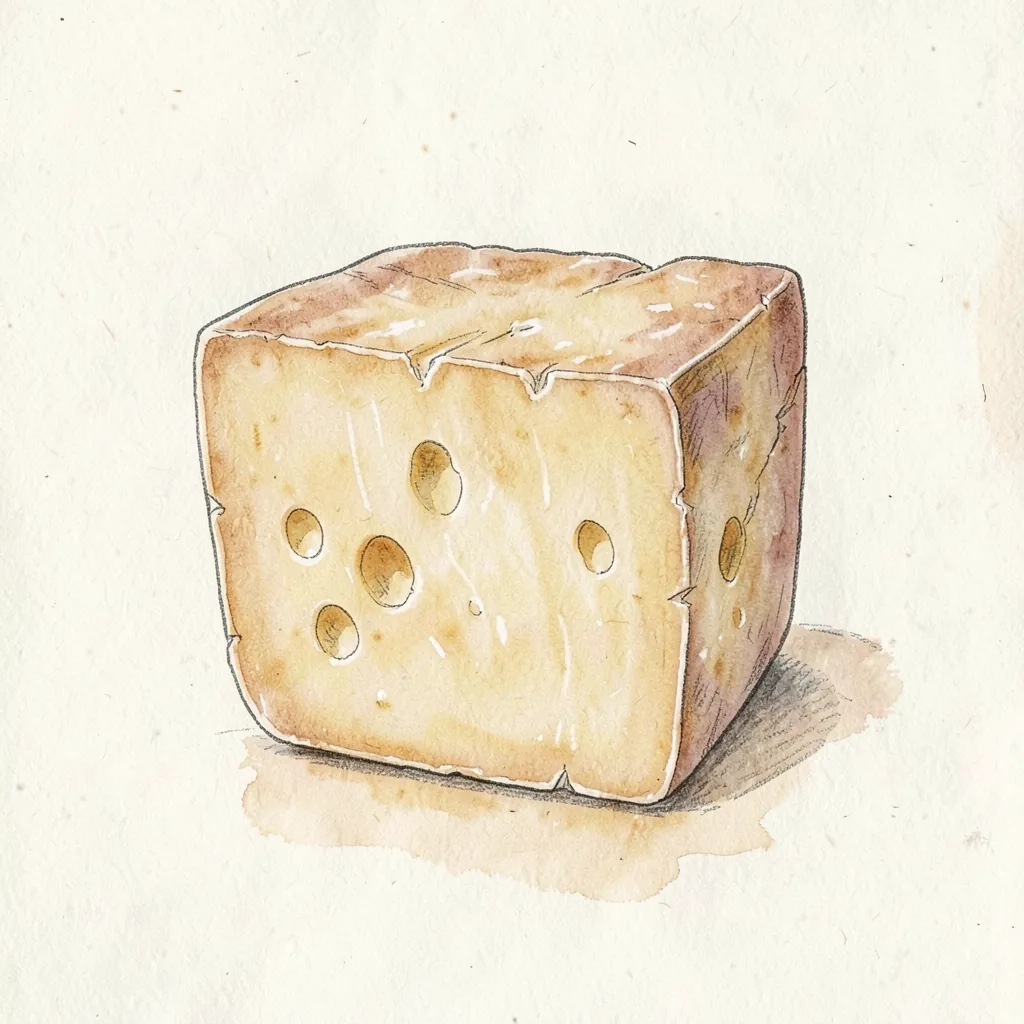
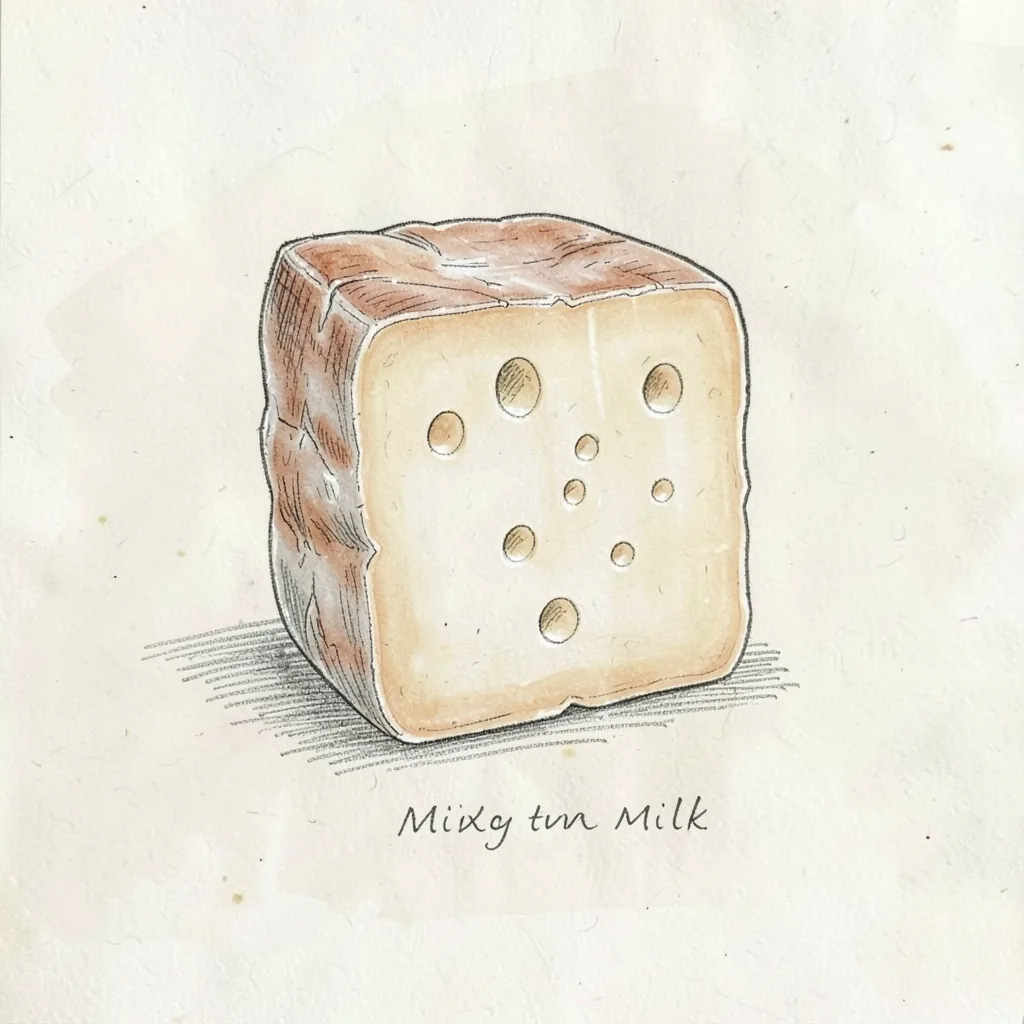
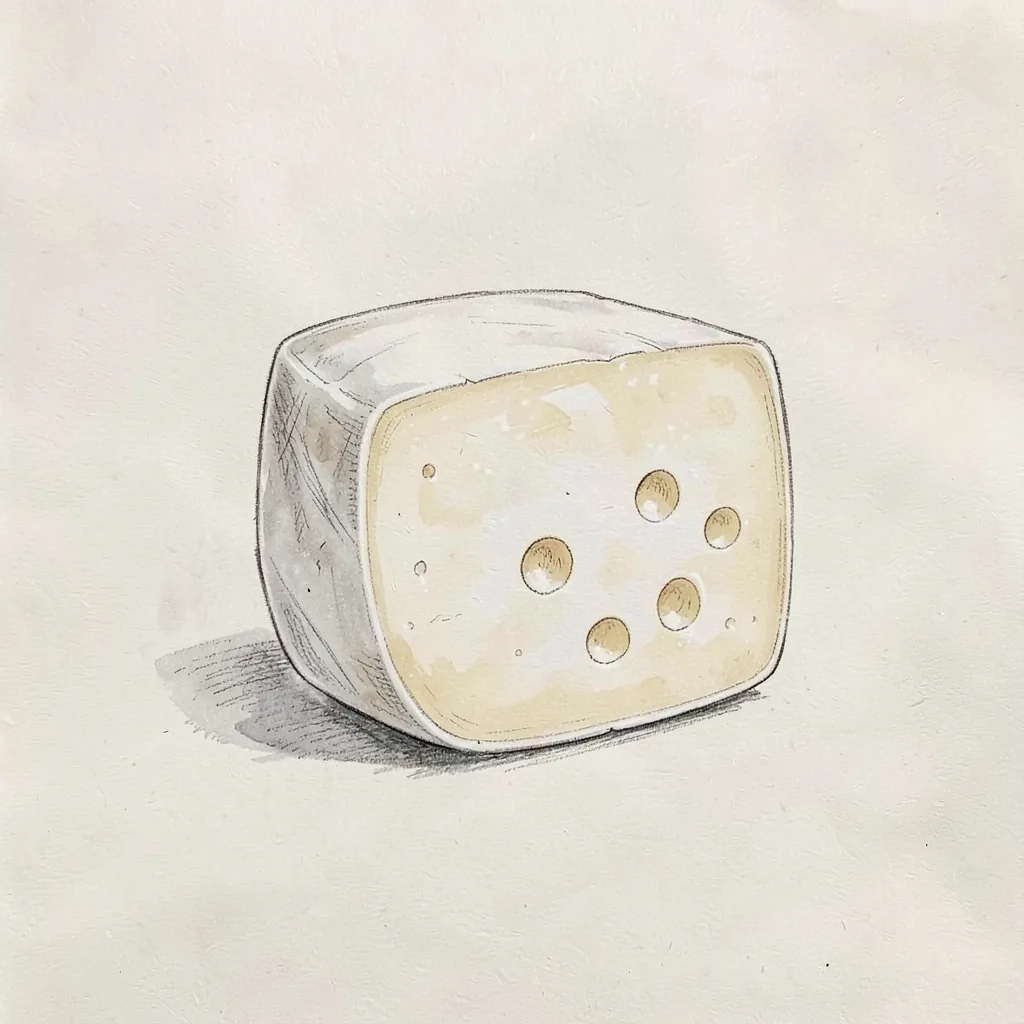
A finished piece is dense, dry, and pale, with very little moisture left inside. People form the soft curd into balls, flat cakes, strings, or small beads, so the dried pieces do not all look the same. The surface hardens along with the center, and there is no thick bloomy or washed rind. Some makers stir in melted butter or sugar before drying, which makes the taste richer or lightly sweet. A plain piece stays mild and almost chalky until warmth and moisture soften it.
History
Drying cheese is an old practical answer in the high Tibetan areas of China, where a fresh dairy food will not last through a long trip. Herders churn butter, boil the buttermilk, and keep the solid that separates. The moist curd can be eaten soon, but the dried form waits in a bag until it is needed. Hard pieces travel well because nearly all the water is gone. That keeping quality is why the cheese still matters in cold mountain districts.
The moist curd and the hard dried cheese are two stages of one method, not two unrelated foods. In Tibetan speech the dry form is chura kampo, while the soft curd carries another name. Across the Himalaya, a very hard dried cheese is often called chhurpi, and the methods sit close together. Writers mix those names, so the label deserves a careful look. Chura kampo, as sold from the Tibetan tradition in China, is the fully dried piece.
How it is made
The work begins with buttermilk, the sour liquid left after butter is churned. That liquid is boiled until a soft white solid separates, and the thin whey is poured away. Makers then shape the moist curd into balls, wafers, noodles, or beads while it is still soft. Butter or sugar is sometimes mixed in before shaping, but many batches stay plain. The shape is a choice of the maker, not a sign of a different cheese.
Drying turns the soft curd into chura kampo. Pieces sit in the sun, or they dry over gentle heat, until they feel firm and give up no more moisture. A warm room can finish the job in damp weather, and a fire may leave a faint smoke note. The longer the drying, the harder the piece, and a well-dried piece can be kept without a cold box. There is no brine bath and no mold coat, only curd with the water taken out.
Taste
Plain chura kampo is mild, lightly sour, and dry in the mouth rather than creamy. At first the piece feels stiff against the teeth, and then it softens as it takes up moisture. People often hold a small bit in the mouth and chew slowly, much as they would a firm snack. Butter mixed in before drying makes the taste richer. Sugar mixed in adds a gentle sweetness over the sour curd.
Dried pieces lack the sharp salty punch of a long-aged wheel. The flavor stays simple, with cooked milk solids, a clean sour note, and whatever was mixed in at the start. A small bead can seem stronger than a large ball because you chew it longer. Sun-dried pieces taste plain, while pieces dried near smoke pick up a light wood scent. Warmed in broth, the sour note spreads into the liquid and the curd turns more tender.
In the kitchen
Use chura kampo when you want a firm dairy bite that does not need a cold shelf. A small piece can be chewed on its own during a walk or a day of work. In the kitchen it goes into soups and vegetable stews, where heat and liquid soften the dry curd. It will not melt into a smooth sauce. Treat it as a solid addition that keeps its shape for a while, then gives a mild sour flavor to the pot.
If a piece is too hard to bite, soak it in warm water before you cook with it. Crumble or grate a dry piece over potatoes, greens, or noodles. Taste a sweetened piece before you add salt, because sugar changes the role from cooking cheese to snack. Keep leftovers in a dry tin, since damp air softens them and can let mold start. A plain dry piece has a long life if moisture stays away.
Around the world
Outside China, chura kampo is a specialty, found mostly in shops that serve Tibetan communities or in markets near the Himalaya. Travelers also meet a similar hard cheese under the name chhurpi, which can be even firmer and is chewed as a long snack. The names are easy to mix up on a label. Ask whether you are buying the moist curd or the fully dried cheese, because they are used in different ways. A soft white curd is not this hard piece.
Chhurpi is the closest substitute when a shop has no chura kampo. Both are dried until very firm, and both can be simmered or chewed in small bits. Chura loenpa is not a stand-in for the hard cheese, because it is the soft curd from earlier in the same method and it should be eaten fresh. A dry Greek whey cheese such as xynotyro can go into a hot pot in its place. Expect that substitute to taste saltier and less plain than the Tibetan dried curd.