Mixed milk
What it is
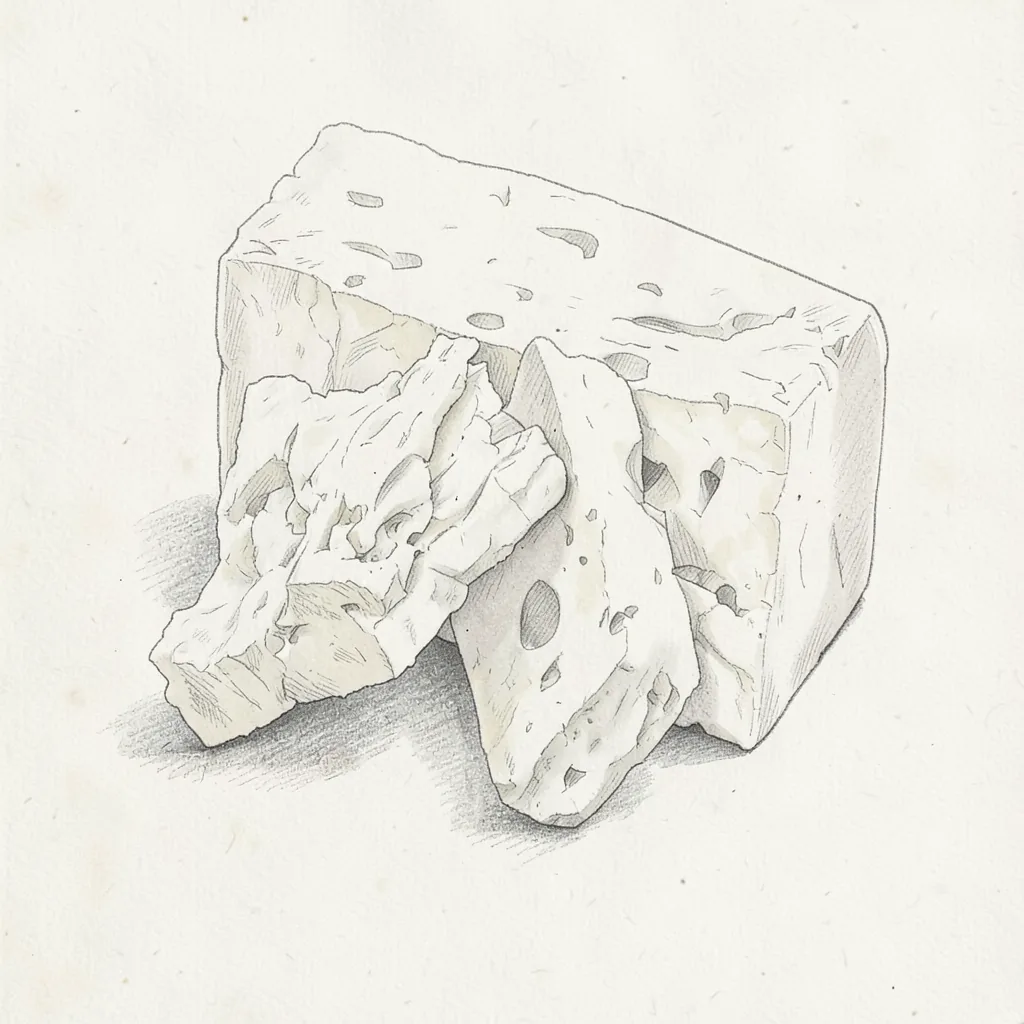
The name is protected for cheese from that island group. It is made from cow's milk, sheep's milk, goat's milk, or a mixture, depending on the herd. Makers knead the curd more than once while it ripens, which spreads a strong microbial flavor through the paste. The result is a spread, not a sliceable wheel, and the color runs from off white to a light beige.
The pepper is not mainly from chili, but from the way fats and proteins break down while yeasts and other microbes grow in the mass. Salt keeps the cheese in bounds, but it does not make it mild. A small amount seasons bread, tomato, and barley rusks. People who expect a quiet brine cheese like a standard feta will find Kopanisti much louder. That loudness is the point.
History
Kopanisti is an old cheese of the Cyclades, shaped by island herds and by the need to keep milk in a hot climate. The Greek word behind the name refers to something that has been beaten. That is a description of the method, not a brand. Makers learned to save a little of an older batch to start the next one, so the sharp character carried on. The cheese stayed local because the flavor was too specific to be copied by a mild factory loaf.
The name is protected, which ties Kopanisti to the Cyclades and to this beaten, spicy style. It stops a mild spread from borrowing the word. Within the islands, dairies still differ a little in milk mix and in how many times they knead, and those differences sit inside one tradition. What they share is salt, time, and the repeated working of the paste. A cheese that skips the kneading and the microbial heat is a different product, even if it comes from Greece.
How it is made
Milk from cows, sheep, goats, or a mix is set with rennet and drained until a soft curd remains. Salt is added, and the curd is inoculated with a piece of an earlier Kopanisti so the right microbes take hold. The mass is packed into wide pots and left to develop a strong growth on and in the paste. It is then kneaded so that growth is mixed through every part. The kneading is repeated as ripening continues.
Some makers add a little butter from the same milk to make the paste richer, but butter is not what makes it spicy. The work is in the timing of each knead and in keeping the salt even. When the flavor is fully peppery and the texture will spread, the cheese is packed in a tub or a small pot. There is no firm rind to wash or bloom. The whole mass is the cheese, so stir a clean dry surface back into the pot.
Taste
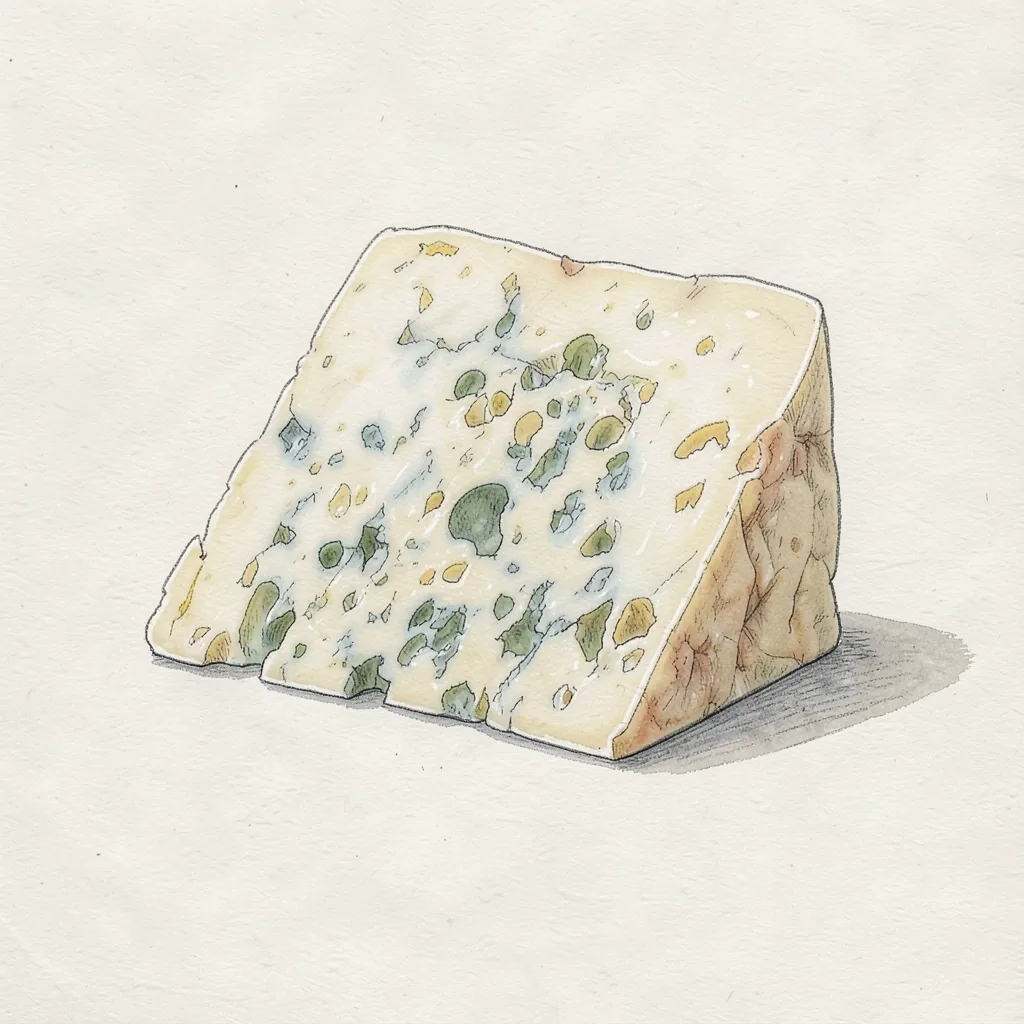
The first impression is salt, then a peppery burn, then a ripe dairy flavor that can remind a taster of blue cheese even though the paste is not veined. It is pungent, savory, and a little sour. The texture is creamy and coarse at once, because kneading leaves it soft but not perfectly smooth. A good pot smells strong and clean, not rotten. If the burn is missing, the cheese was not ripened long enough to be Kopanisti.
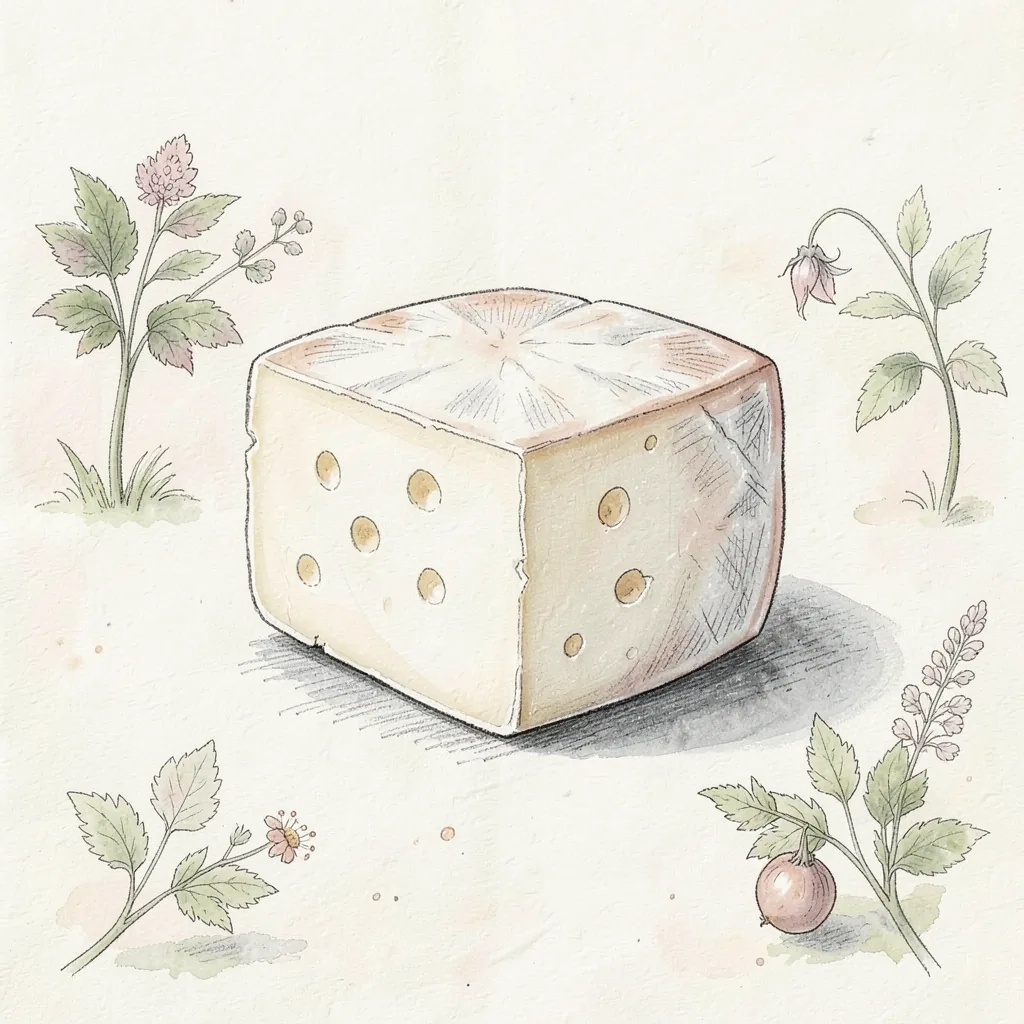
Goat or sheep milk gives a fuller animal note, while cow's milk can taste a bit sweeter behind the heat. A mixed milk pot sits between those poles. Chili, if a maker uses it, is extra and should not be required to explain the pepper. The finish is long and salty, so eat less than you would of a mild spread. Bread, tomato, and olive oil are there to give the mouth a rest between bites.
In the kitchen
Spread Kopanisti on bread or on a barley rusk that has been softened with a little water and oil. Tomato, oregano, and olive oil are the usual partners, and they make a small meal. It can go into a sandwich in a thin layer, or be dotted on a hot vegetable dish at the end. Do not stir a large amount into a delicate sauce, because the cheese will take over the pot. Use it as you would use a strong condiment that happens to be dairy.
Keep the tub cold and covered, and use a clean knife so the surface does not spoil. Let a spoonful lose its chill before tasting, or the salt will shout and the aroma will stay shut. It is a poor grater and a poor melting cheese for pizza. On a meze table it earns its place next to olives, cucumber, and a plain spirit such as ouzo or raki. Guests who dislike blue cheese may dislike this too, so offer a milder Greek cheese beside it.
Around the world
Inside Greece, Kopanisti is the Cyclades cheese, while feta is the brine cheese most of the country and the world already know. Feta is salty in a clean way and much milder on the tongue. Katiki Domokou is a soft spread from the mainland and does not carry this pepper. Anthotyros and other whey cheeses are gentle by comparison. Calling every Greek white cheese feta will miss Kopanisti completely, and the heat will surprise anyone who expected a quiet brine cube.
A related sharp cheese is made on the Aegean coast of Turkey, sometimes from goat's milk, and it may share the name in local speech. It is not the same protected cheese as the Cyclades original. Elsewhere, cooks substitute a strong blue or a peppered soft cheese and accept the gap. Neither copy has the beaten texture of a true pot of Kopanisti. Look for the Greek name and the Cyclades if you want the cheese described here, and skip a mild tub with chili stirred in at the end.