Cow
What it is
It is sold at more than one age, and a younger wheel is milder than a longer-aged one. A shorter brine bath leaves it less salty than many traditional Goudas, so the paste stays moist and supple. Colored stripes on the coat help buyers tell those ages apart. The name belongs to the brand, and it is not the name of one town.
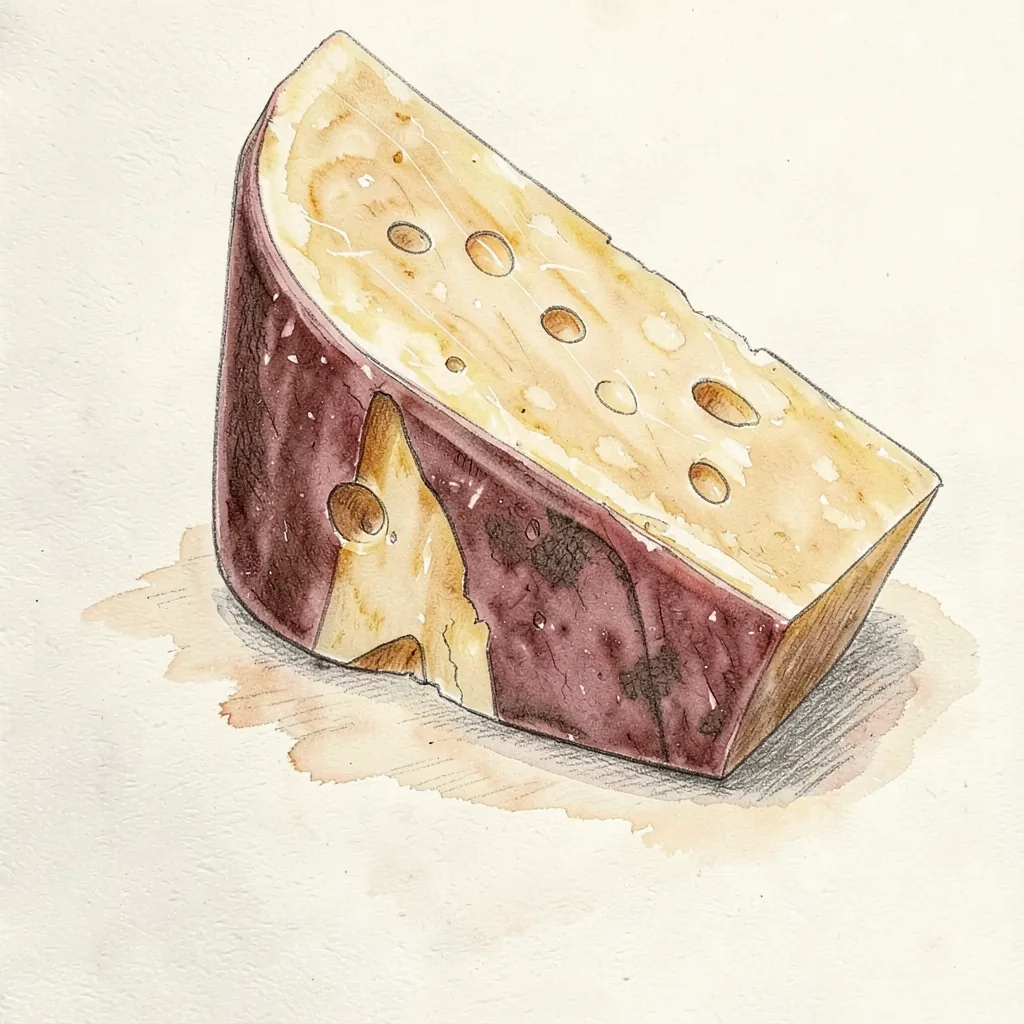
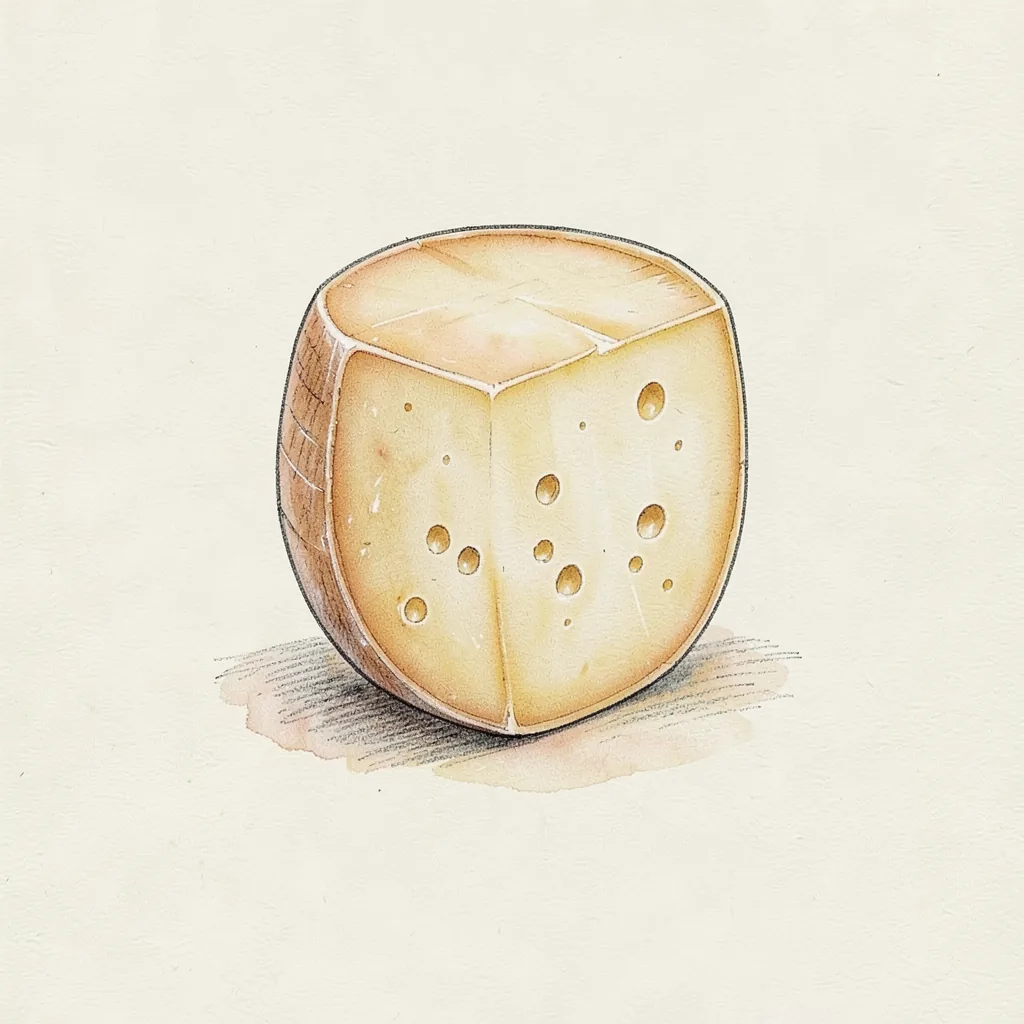
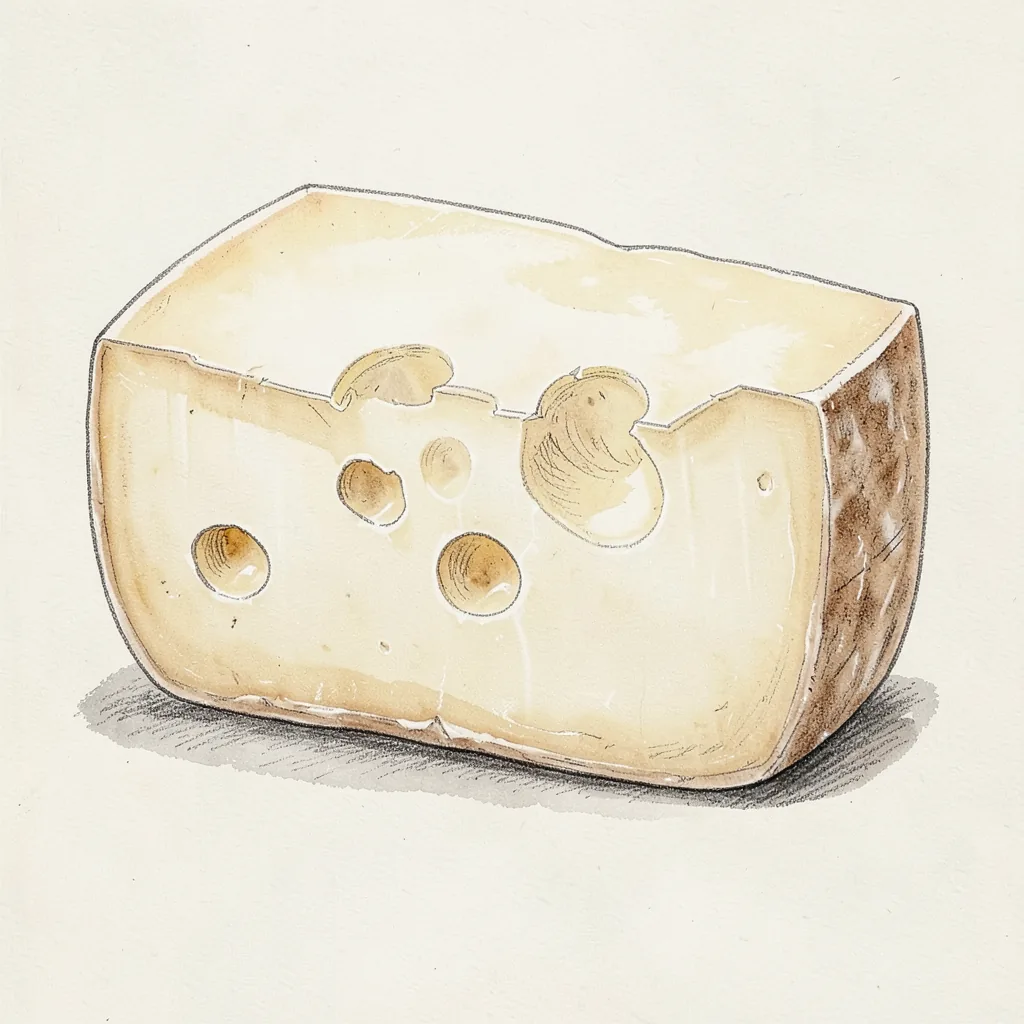
The interior runs from pale yellow in a young wheel to a deeper gold as it ages. The cut is smooth, with few large openings, and the paste slices cleanly. Young cheese is creamy and mild, while a more mature piece turns firmer and more savory. The coat is waxed or otherwise sealed in the usual Dutch way, not washed and not bloomy. Supermarkets in the Netherlands carry it as an everyday cheese, and export packs keep the same brand name.
History
Maaslander began as a branded Gouda, not as a farmhouse name tied to one market town. The aim was a semi-hard cow's milk cheese with a gentler salt level than many older Dutch wheels. A shorter time in brine kept more moisture in the paste, which made the flavor mild and the texture supple. Dutch shops then took it up as a regular table cheese. Colored bands on the rind became a simple code for age.
The range later included younger wheels and more mature wheels, still under one brand. Cheese under this name has also been made outside the Netherlands, so a pack can follow the Dutch style without coming from one famous market. The label stayed distinct from plain Gouda and from Maasdam, which is a different cheese with eyes. Maaslander did not become a general style that every dairy may use. When you buy it, you are buying this brand's Gouda-style cheese.
How it is made
Makers start with pasteurized cow's milk and set a Gouda-style curd. They cut and stir the curd, then wash it with warm water in the Dutch manner so the paste stays supple rather than dry and crumbly. The curd is pressed into wheels. Salting uses a brine bath that is shorter than the bath for many traditional Goudas, and that shorter bath is why the cheese tastes milder. Wheels then ripen on boards in a controlled store.
After pressing, the wheel gets a coated rind. Green and yellow stripes often mark a younger cheese, and red and yellow stripes often mark a more mature one. Aging runs from a moist young wheel to a firmer wheel with a deeper flavor. There is no blue mold and no white bloomy rind. The finished cheese should slice without falling into dust, and the coat should be whole.
Taste
Young Maaslander is mild, creamy, and lightly sweet, with a clean dairy taste and little bite. Salt is noticeable, but it is softer than in a long-brined Gouda. The paste feels smooth and a bit elastic. As the wheel ages, the flavor turns nuttier and more savory, and the color deepens. A mature piece can show small crunchy crystals, but it still should not taste harsh.
The aroma is buttery rather than farmy or sharp with ammonia. A cold slice hides the sweetness, so give it a little time out of the fridge. Next to Edam, Maaslander is usually richer. Next to a very old Gouda, it is gentler and moister. A flat taste often means a young wheel served too cold, and a dry sharp taste usually means a more mature cut.
In the kitchen
Slice Maaslander for bread and for a cheese board, or melt it on toast, in a sauce, or over potatoes. Young cheese melts smoothly and stays mild in the dish. A more mature piece grates well and brings a stronger savory note to a bake. It behaves like other Gouda-style cheeses in the pan. Apples, mustard, and a plain brown bread are easy partners.
Do not expect the punch of a blue or the smell of a washed rind, because this brand stays in the mild Dutch range. Cut the coat away if you dislike wax, and eat the paste. Cubes of young cheese can go into a salad while the paste is still moist. Wrap the cut face so the wheel does not dry in the fridge. It is as useful in cooking as it is on a board.
Around the world
Maaslander is a Dutch brand, and most buyers meet it in the Netherlands or in shops that import Dutch cheese. Some packs are made outside the country while they still carry the brand. The striped coat is the usual visual cue on the shelf. It often sits near Gouda, Edam, and sometimes Maasdam. The name sounds like Maasdam, but that cheese has eyes and a sweeter, nuttier taste.
Plain Gouda is the closest stand-in when you want a semi-hard cow's milk cheese that slices and melts. Edam can fill the same sandwich or sauce, though it is often a little leaner. Maasdam will change the dish because of its eyes and its sweeter aroma. Leerdammer follows that eyed style as well. Ask for Maaslander when you want this milder branded Gouda rather than a generic Dutch wedge.