Cow
What it is
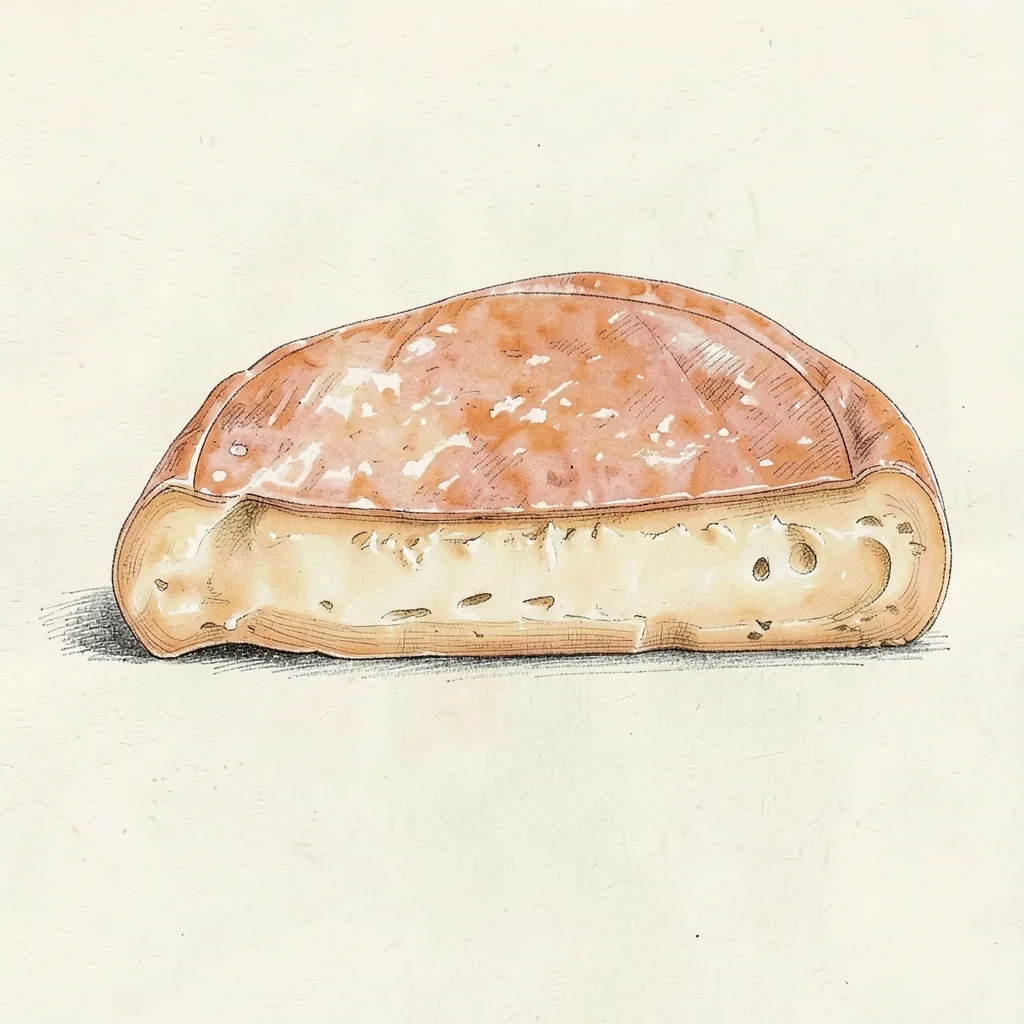
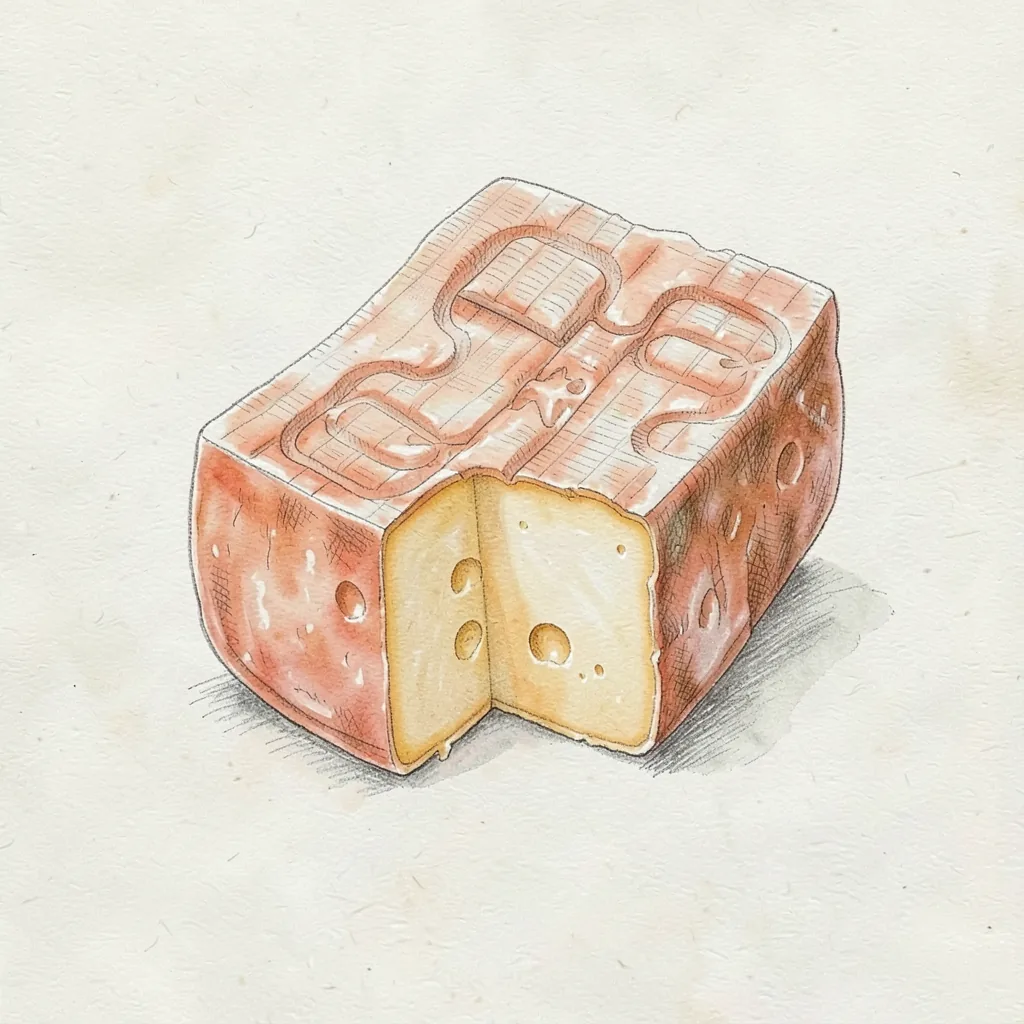
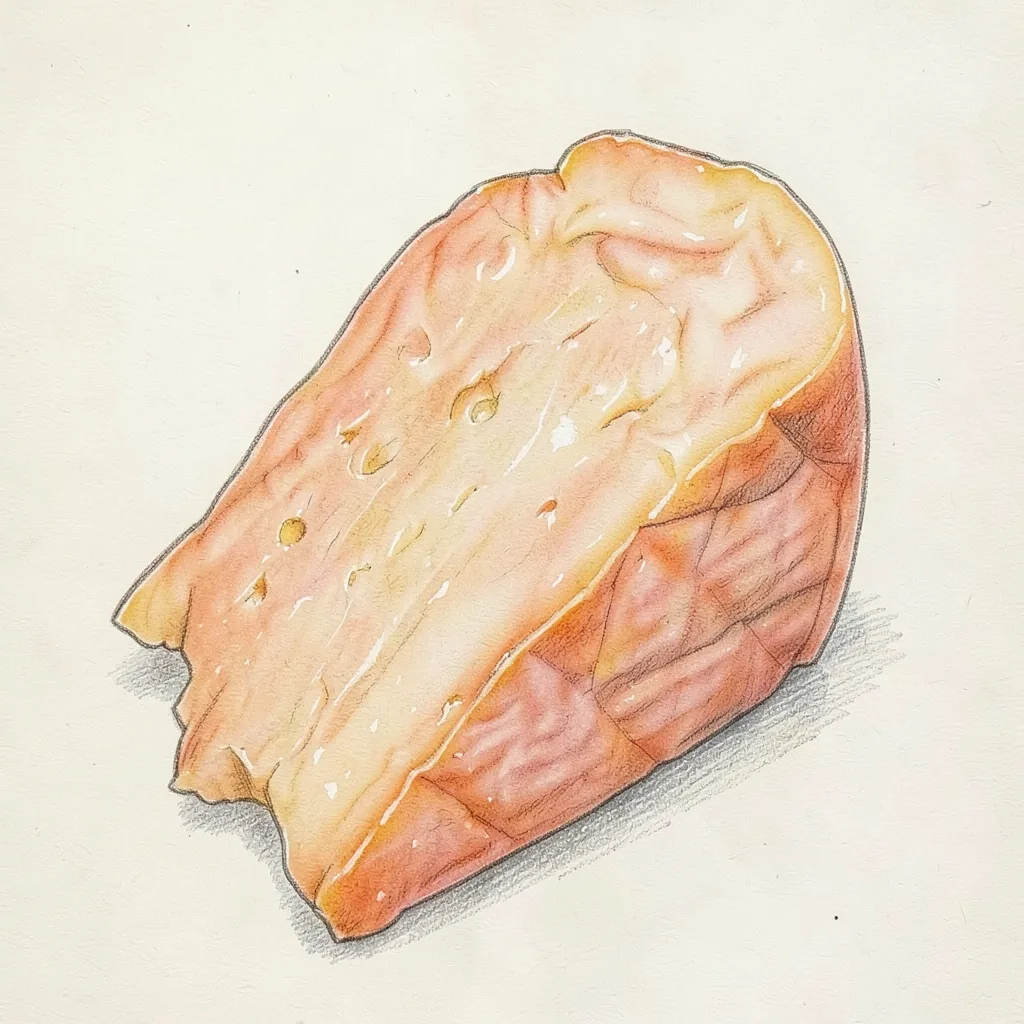
It is a washed-rind cheese, soft to semi-soft, with a mottled peach or orange rind and a buttery paste. Young wheels taste mild and lactic. Mature wheels turn more herbal, earthy, and savory, and the paste can soften toward a creamy flow. Small rounds are called dotes, and they are the same cheese in a smaller size, still from County Cork.
The brand is known as a starting point for modern Irish farmhouse cheese, made on a farm in County Cork rather than in a large factory. The damp coastal air suits a washed rind, and the paste stays rich from cow's milk. A young dote is the gentlest way in. A ripe large wheel is stronger, softer, and better when you want aroma. Both carry the same peach to orange surface and the same buttery heart.
History
Milleens is widely credited with starting the return of small farmhouse cheesemaking in Ireland. It was first made on a farm in County Cork, where a damp coastal climate suits a washed rind. At that time much Irish cheese was made in factories, and a small aromatic wheel was unusual. The brand showed that local cow's milk could carry a soft washed cheese in the manner of continental classics. The name is the farm name, and the cheese stayed a brand of that place.
The make stayed small and tied to the seasons in County Cork. Rinds are washed in brine so the surface can color and the smell can deepen. The cheese is sold as a large round and as the smaller dote, and both are the same brand. Other Irish washed rinds came later, but Milleens kept its own balance of butter, herbs, and a spicy tang. You buy it by name, not as a generic Irish cheese.
How it is made
Milleens is made from cow's milk. Cultures and rennet set the curd, which is filled into molds and drained until a wheel forms. The young cheese is salted and then washed with brine while it rests. Those washes encourage the orange and peach rind and the savory aroma of a washed cheese. The paste is not pressed into a hard block and not veined with blue, and time in the aging room moves it from semi-firm toward a softer center.
The dote uses the same method in a smaller round, so it ripens on a different rhythm from the large wheel. A smaller cheese softens sooner, while a larger one can keep a firmer middle for longer. Neither size is smoked, mixed with herbs in the paste, or wrapped in leaves. The rind is thin and edible. Makers still work in small batches with cow's milk from County Cork, and the finished cheese is sold ready to eat with the rind on.
Taste
A young Milleens is buttery, mild, and smooth, with a lactic sweetness and a gentle salty edge. The rind smells stronger than the paste, which is normal for a washed cheese. As it matures, the flavor picks up flowers, hay, herbs, and a hint of the sea, along with a spicy tang. The paste turns richer and can slump toward a soft cream near the rind while the center stays a little firmer. It is savory and floral, not sharp like a long-aged hard cheese.
The rind color runs from mottled peach to a bright orange, and a brighter rind often means a stronger smell. That smell can be farmy or meaty, but the taste is usually milder than the nose suggests. Salt is present and clean. There is no blue vein and no chalky sourness in a well kept piece. People who like only very mild slices may prefer a young dote, and people who want depth should choose a wheel that yields to a light press.
In the kitchen
Put Milleens on brown bread, oatcakes, or a plain cracker, with apples or pears if you want fruit. A ripe piece can be spread when the paste softens, and it also melts over potatoes, leeks, or roasted vegetables. Keep the heat moderate so the cheese turns glossy instead of oily. The rind may stay on if you enjoy the stronger flavor, or you can trim it for a milder dish. A little seasons a plate, because the mature taste is concentrated.
For a board, serve a soft dote with a spoon and cut the larger wheel into wedges. Let it warm out of the fridge before you taste it, or the aroma stays closed. Cider, a crisp white, or a malty ale all fit, along with radish or apple to cut the richness. Do not grate it, and do not grill it like a firm slice that must hold a shape. Wrap the cut face so the washed rind does not dry or fill the fridge with its smell.
Around the world
Milleens is an Irish brand, and it is best known in Ireland and in British shops that stock Irish farmhouse cheese. Farther away it shows up at specialist counters rather than in ordinary dairy cases. The name is not a style that other countries copy under a shared license. If you see it abroad, it should still be the County Cork washed rind, made from cow's milk, with a peach or orange surface. The dote is the small round, not a different recipe.
Reblochon is a fair substitute when you need a soft cow's milk cheese with a washed rind and a buttery melt. Taleggio plays a similar role in cooking, with a supple paste and a stronger tang. Munster can match a ripe, aromatic wheel, though it is often fiercer. Dubliner is Irish too, but it is a firm cheese for slicing and grating, not a soft washed wheel. Use Milleens when you can find the brand, and use another washed cow's milk cheese when you cannot.