Water buffalo
What it is
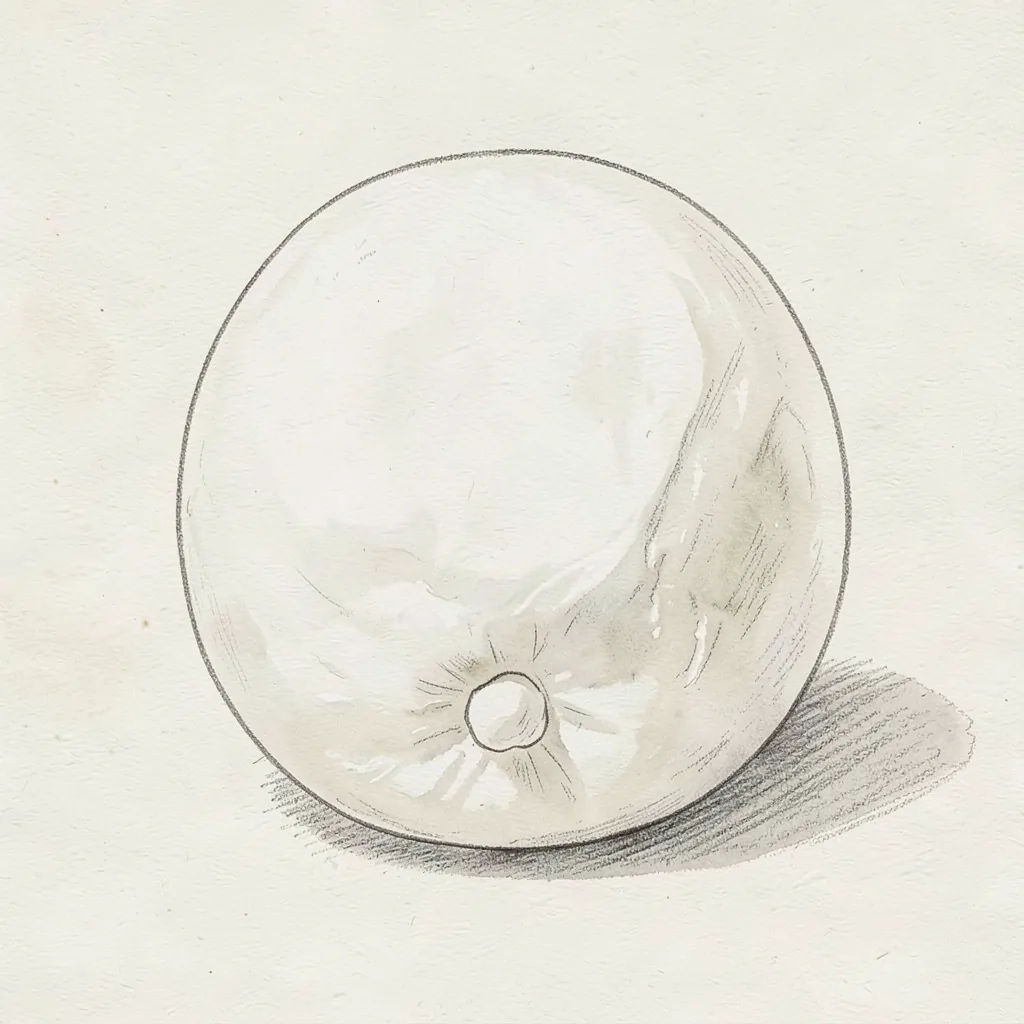
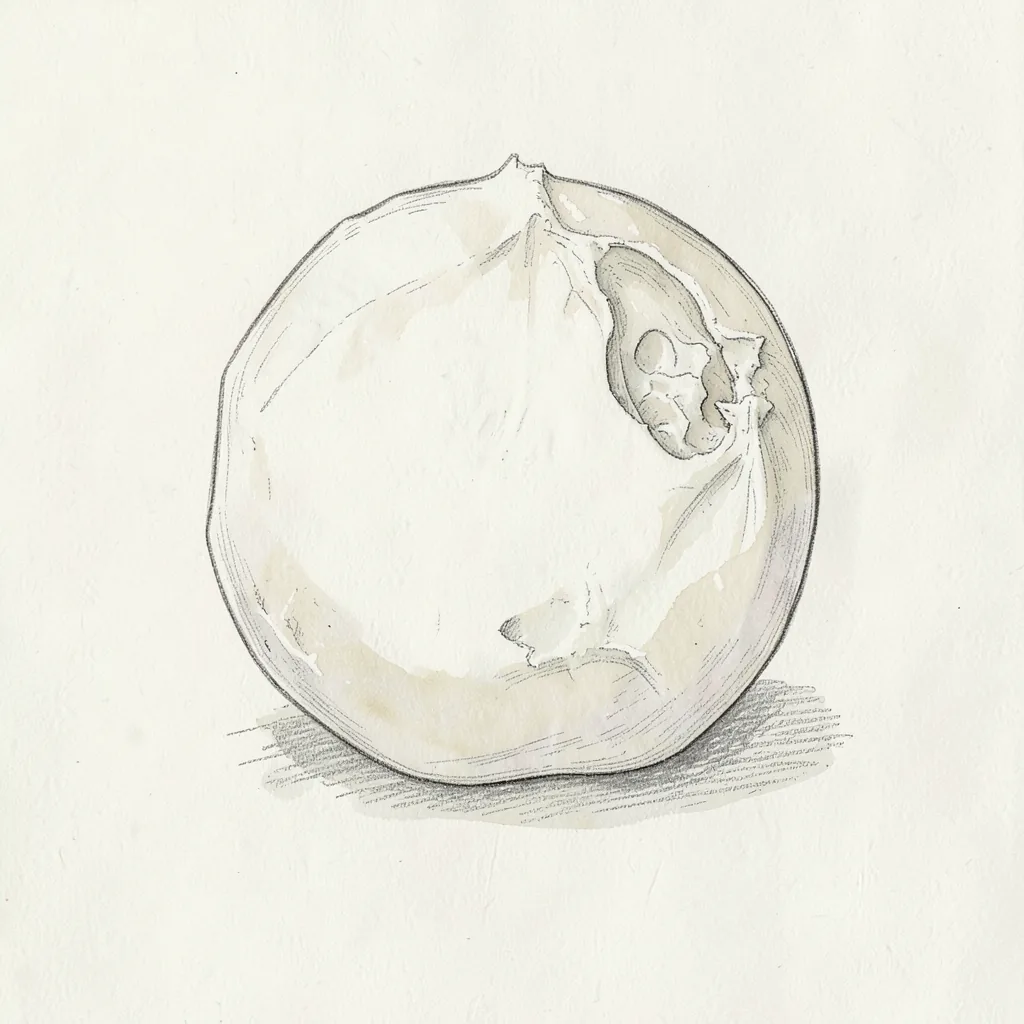
It is made from the milk of water buffalo, and that milk is part of its identity. The name is protected, so a ball sold under the full name must come from the defined area and follow the agreed method. The cheese is white, moist, and soft, with a thin skin and a milky center. It is not the same food as the cow's-milk mozzarella common in many countries.
Balls, braids, and smaller bites are sold in whey or a light brine, often in a bag or a tub. A fresh piece pulls apart in layers and releases a little liquid when cut. The smell is clean and milky, with a faint animal note from the buffalo milk. It is meant to be eaten soon, while the center is still juicy. Cooks also melt it, but the fresh slice on its own is the clearest way to taste it.
History
Water buffalo have long been part of farm life on the plains of Campania, and their milk became the base of this mozzarella. Stretching the curd in hot water is an old southern Italian method shared with other pasta filata cheeses. Over time the buffalo-milk ball became a regional specialty rather than a generic fresh cheese. The protected name later fixed the link between the cheese, the milk, and the place. That rule is what separates it from similar white cheeses made elsewhere.
Demand grew as Italian cooking traveled, and the cheese moved from local tables to export cases. Production stayed tied to buffalo herds in the protected zone, which includes Campania and a few neighboring areas. The full name cannot be used for a cow's-milk copy, even when the shape looks the same. Shoppers still mix the two up, because both are called mozzarella in casual speech. Reading the label is the practical lesson of that history.
How it is made
Fresh buffalo milk is warmed and set with rennet. The curd is cut and left to sour slightly, which helps the finished cheese taste lively rather than flat. Pieces of curd then go into very hot water. The maker stretches and folds the mass until it is smooth, shiny, and elastic. That stretching step is what puts it in the pasta filata family.
The stretched paste is shaped by hand or with forms into balls, knots, or small bites. Each piece is cooled in cold water, then packed in liquid so the surface does not dry. There is no long aging and no rind to develop. Salt in the brine seasons the cheese lightly. A maker judges the batch by the sheen of the paste and by how the ball yields under a finger.
Taste
Buffalo milk gives a richer, tangier taste than cow's milk. The flavor is milky and slightly sweet, with a clean sour edge and a faint musk. Fresh salt from the brine stays in the background. The paste is tender and layered, and a good ball squeaks a little against the teeth. Liquid in the center should taste like milk, not like sour storage water.
Age on the shelf changes it quickly. A very fresh piece is delicate and juicy. After more time in the pack, the sour note grows and the center firms up. That older piece can still be good for cooking, but it is less ideal on a plain plate. Bitterness or a yeasty smell is a sign that the cheese has gone too far.
In the kitchen
The best known plate is a salad of sliced mozzarella, tomato, basil, and olive oil. Torn pieces also suit grilled vegetables, prosciutto, and crusty bread. Because the cheese is wet, it should be drained before it goes on toast or pizza, or the crust turns soggy. On a hot pizza it melts and browns in spots, with a flavor that stays milky. Leftover pieces can go into pasta at the last minute.
Do not grate it, and do not expect it to keep its shape like a firm cheese. Cubes can be grilled briefly if they are patted dry, but the classic use is fresh or just melted. Pair it with acidic tomatoes, lemon, or a sharp green salad so the richness does not sit heavy. It needs little salt if the brine was already seasoned. Cow's-milk mozzarella is the practical stand-in when the buffalo cheese is too costly or hard to find.
Around the world
Exported balls travel in liquid and appear in cheese shops and Italian markets far from Campania. The protected name is a buying guide, because many packages say mozzarella without buffalo milk or without the Italian zone. A true ball costs more than a standard supermarket pizza cheese. It is worth serving simply when the price is high. Cooking it under a heavy sauce hides the difference that you paid for.
In Italy it remains an everyday cheese of the south as well as a food for guests. Pizzerias may use it, though many pizzas still rely on cow's-milk mozzarella or a drier pizza cheese. Burrata, made with a pouch of cream and shreds, is a richer relative and not a match in every recipe. Smoked provola is firmer and saltier. If the label does not say buffalo milk and Campania, assume you have a different cheese.