Cow
What it is
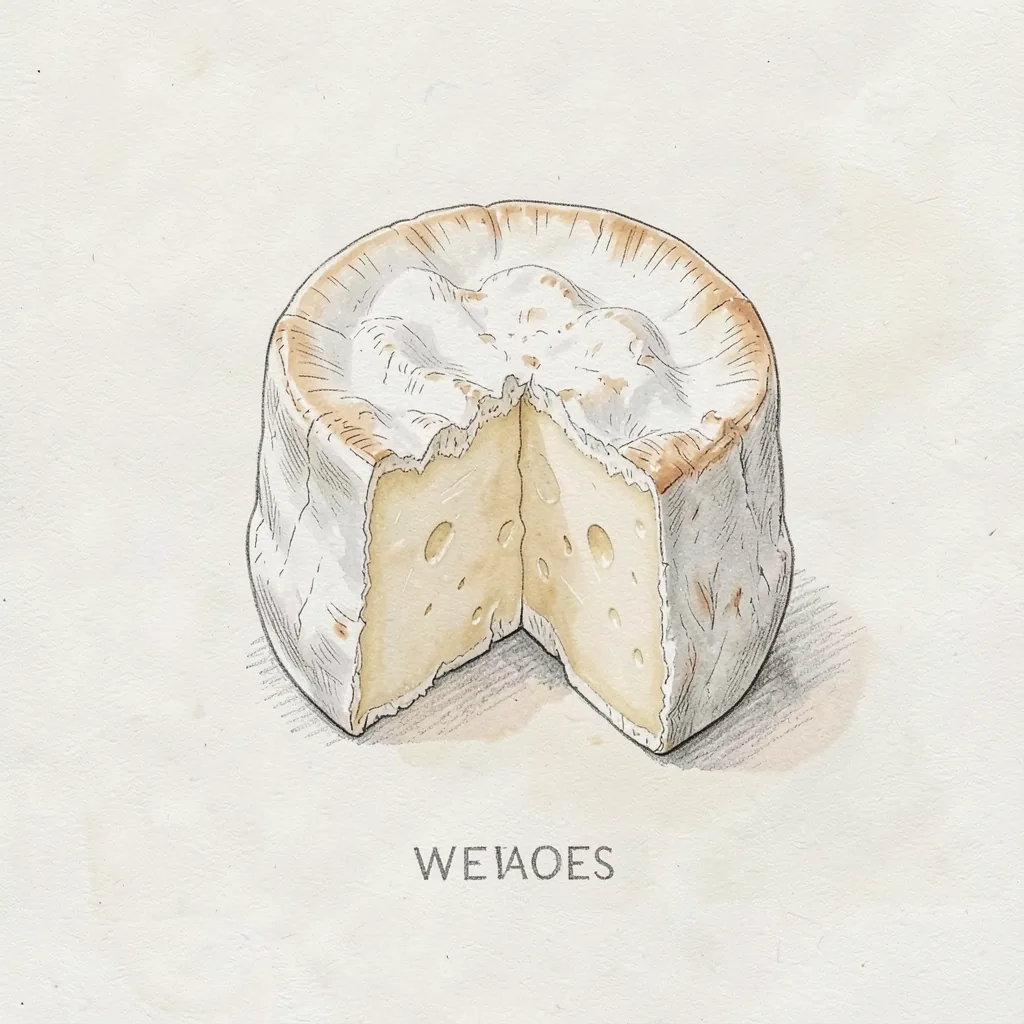
It is a fresh-ripened cheese in the same broad family as Camembert, but the paste is often a little firmer and more grainy when young. The flavor is mild, salty, and lightly mushroomy, and it deepens as the rind ripens the center. Many traditional pieces are heart shaped, though other forms exist. It is eaten with bread more often than it is cooked hard.
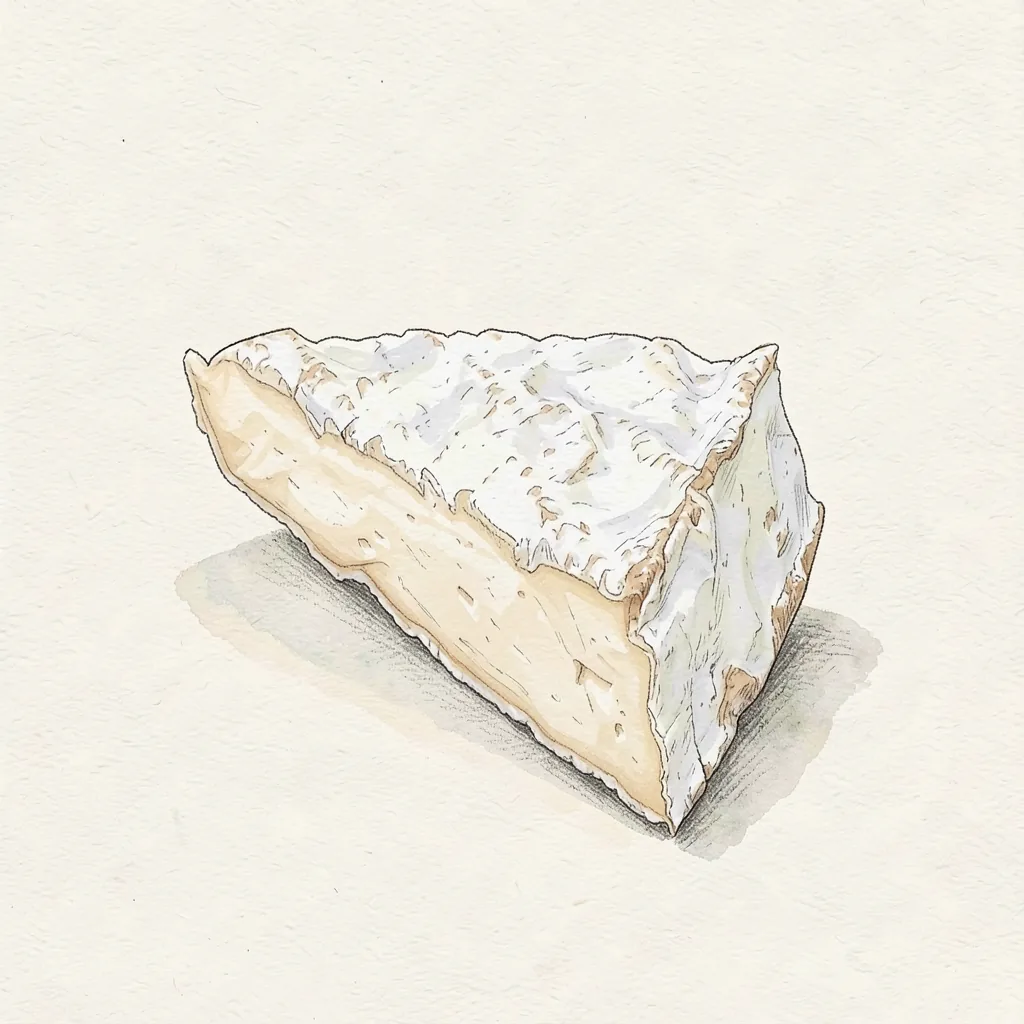
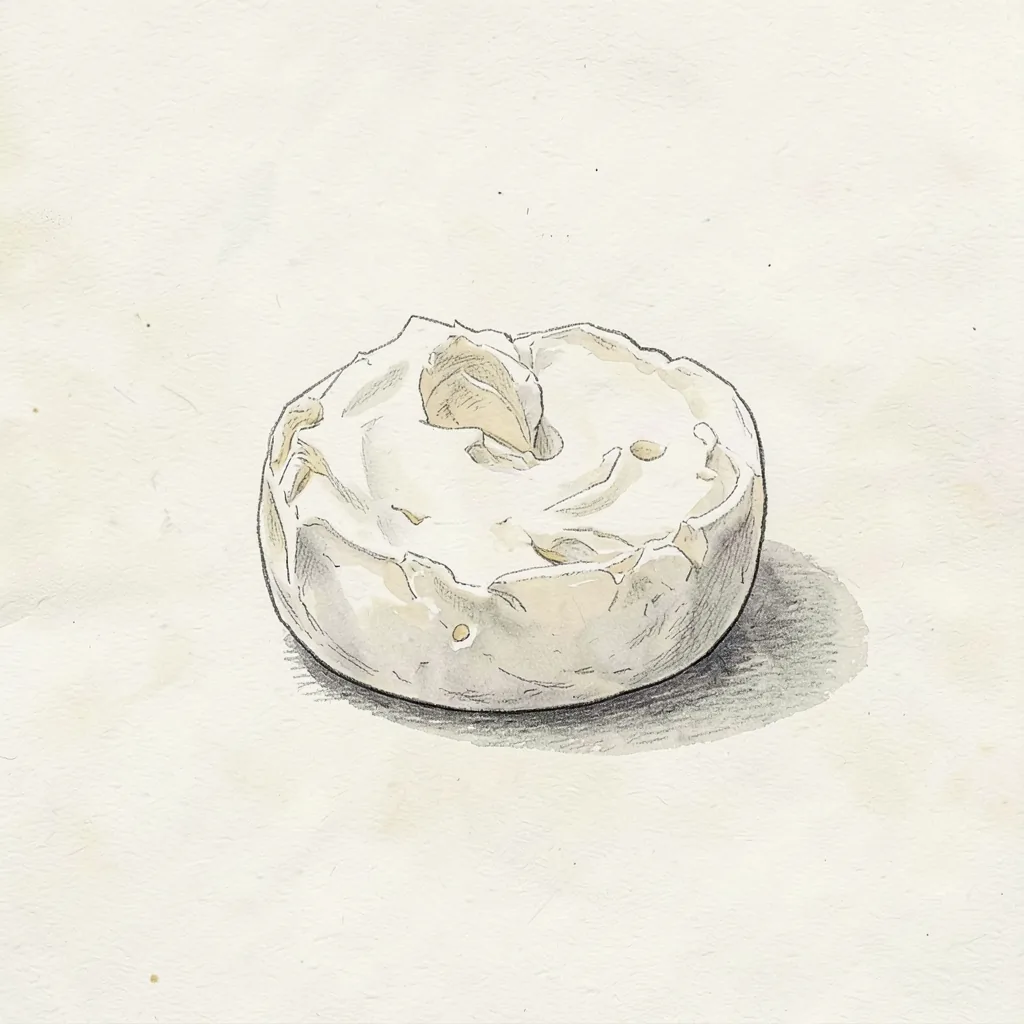
A young wheel or heart holds its shape and tastes lactic, with a clean salt and a soft rind that is still a bit firm. A riper piece slumps, smells more of mushroom, and can turn buttery at the center. Both stages are normal. The cheese is not a blue, and it is not a fresh pot of cheese with no rind. Buy it when the rind is white and dry looking, not slimy, and treat a bitter or ammonia smell as a sign it has gone too far.
History
Soft bloomy cheeses have a long place in Norman farm cooking, and Neufchâtel belongs to that group. The heart shape became a familiar mark of the cheese, though the milk, the rind, and the mild salty paste matter more than the outline. The style stayed tied to Normandy rather than spreading as a generic French name for every soft white cheese. Small dairies and larger creameries both make it. The idea is a cow's milk cheese with a white rind, ripened until the center softens.
Camembert, also from Normandy, took more of the export fame, and Neufchâtel stayed a bit more local in the minds of many shoppers. The two are relatives, not copies. Neufchâtel is often saltier and a little drier in texture when young, and the heart is a visual cue Camembert does not use. Written accounts keep the cheese in Normandy without hanging the story on one founder. Modern pieces in shops are usually pasteurized, and the rind is still the white bloom that defines the family.
How it is made
Cow's milk is cultured and set, then the curd is ladled or lightly worked into forms. The cheeses drain under their own weight more than under a heavy press, which keeps the paste soft. Salt is added, and the surfaces are seeded with the white molds that grow into a bloomy rind. Heart-shaped forms are traditional, and round or squared pieces are made the same way. Aging stays short in cheese terms, while the rind blooms and the paste slowly relaxes from the outside inward.
During ripening the mold feeds on the surface and the texture under the rind becomes creamier. A young piece can still show a chalky line at the center. A ripe piece is soft almost to the middle, but it rarely turns as runny as a very ripe Camembert. Makers turn and watch the cheeses so the rind stays even and white. There is no brine wash and no blue piercing, and the cheese is ready when the bloom is complete and the paste has softened.
Taste
Neufchâtel tastes milky, salty, and gently mushroomy, with a lactic tang that is clearer than in a very buttery triple-cream cheese. The rind adds an earthy note if you eat it, and the paste carries the salt. Young cheese can seem slightly grainy or chalky in the center, which is normal and not a fault. Riper cheese turns softer and more savory. It is milder than many washed-rind Norman cheeses, and it is saltier than a bland industrial Brie.
Aroma should be clean mushroom and fresh milk, not ammonia and not barnyard rot. The paste color is pale cream. A grey, wet rind or a bitter finish means the cheese is tired. If the center is still firm, give the flavor credit for being young rather than calling it dull. Salt level is part of the identity, so a flat piece may be a mild factory batch, and the same cheese changes as it ripens.
In the kitchen
Neufchâtel belongs on a board with bread, fruit, and a few nuts. Serve it at cool room temperature so the paste softens and the mushroom note opens. The heart shape makes a simple dessert plate if you add pears or a little honey. It can be spread when ripe, and it can be cut in wedges when young. Strong pickled condiments will cover the mild flavor, so keep partners gentle, and use a spoon as well as a knife when the piece is ripe.
Cooking is possible but easy to overdo, because high direct heat makes the fat separate. A few slices can melt into potatoes, an omelet, or a tart if you add them near the end. The rind softens rather than frying into a hard crust. Choose mozzarella when you need stretch, and choose a hard aged cheese when you need a sharp grate. Neufchâtel is at its best uncooked, with bread and fruit.
Around the world
Outside France, Neufchâtel is less common than Camembert or Brie, but shops that carry Norman cheeses often have it. The heart shape helps buyers spot it among white rounds. In the United States, a different fresh cheese uses a similar spelling and sits near cream cheese, and that product is not this bloomy wheel. Read the country and look for a rind. France plus a white rind means the Norman cheese, while a foil block with no rind is the other product.
Camembert de Normandie is the closest famous neighbor, and Brie is the larger soft cheese many people already know. Either can stand in on a board if the heart-shaped cheese is missing, with small changes in salt and softness. Chaource and Coulommiers are further bloomy cousins. None of them should be confused with the American fresh cheese that borrows the name. When a French recipe says Neufchâtel, it means the rinded Norman cheese, and a cream cheese block will make the dish richer and less mushroomy.