Cow
What it is
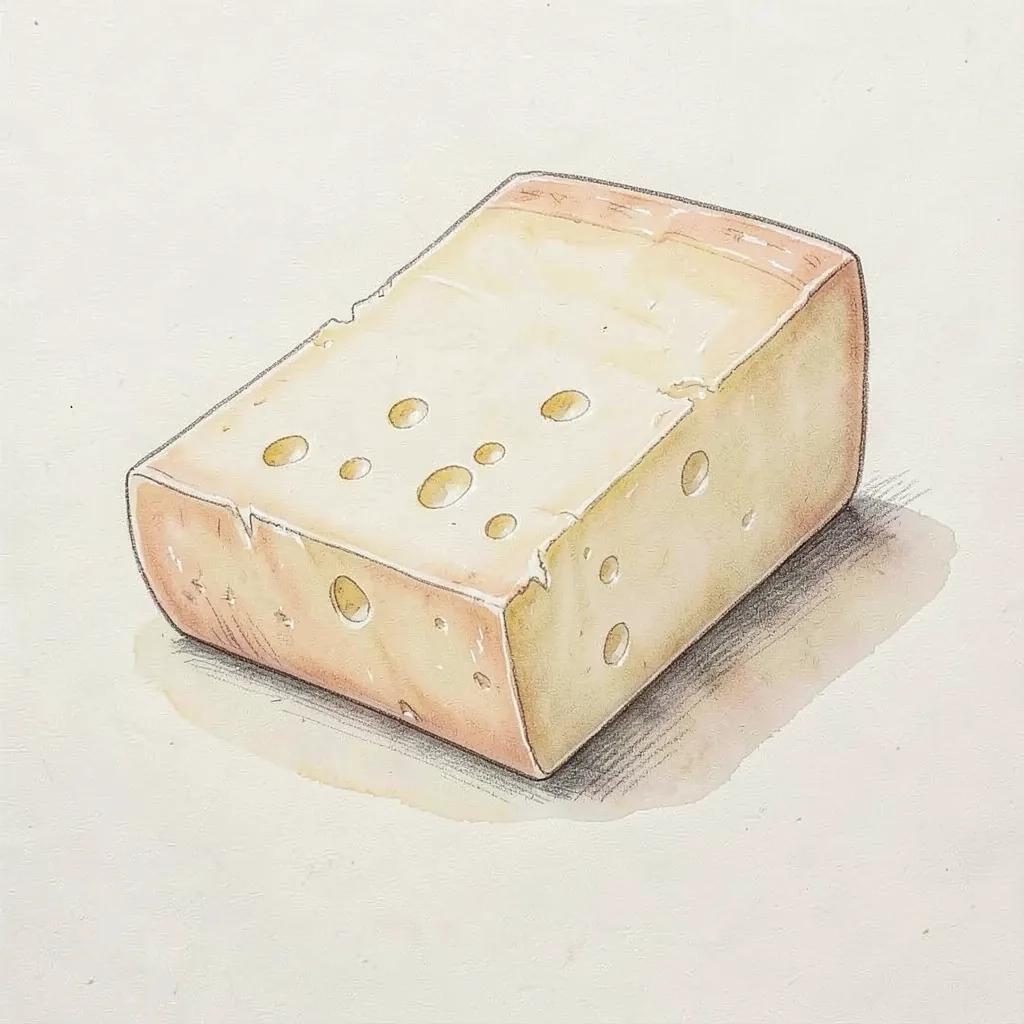
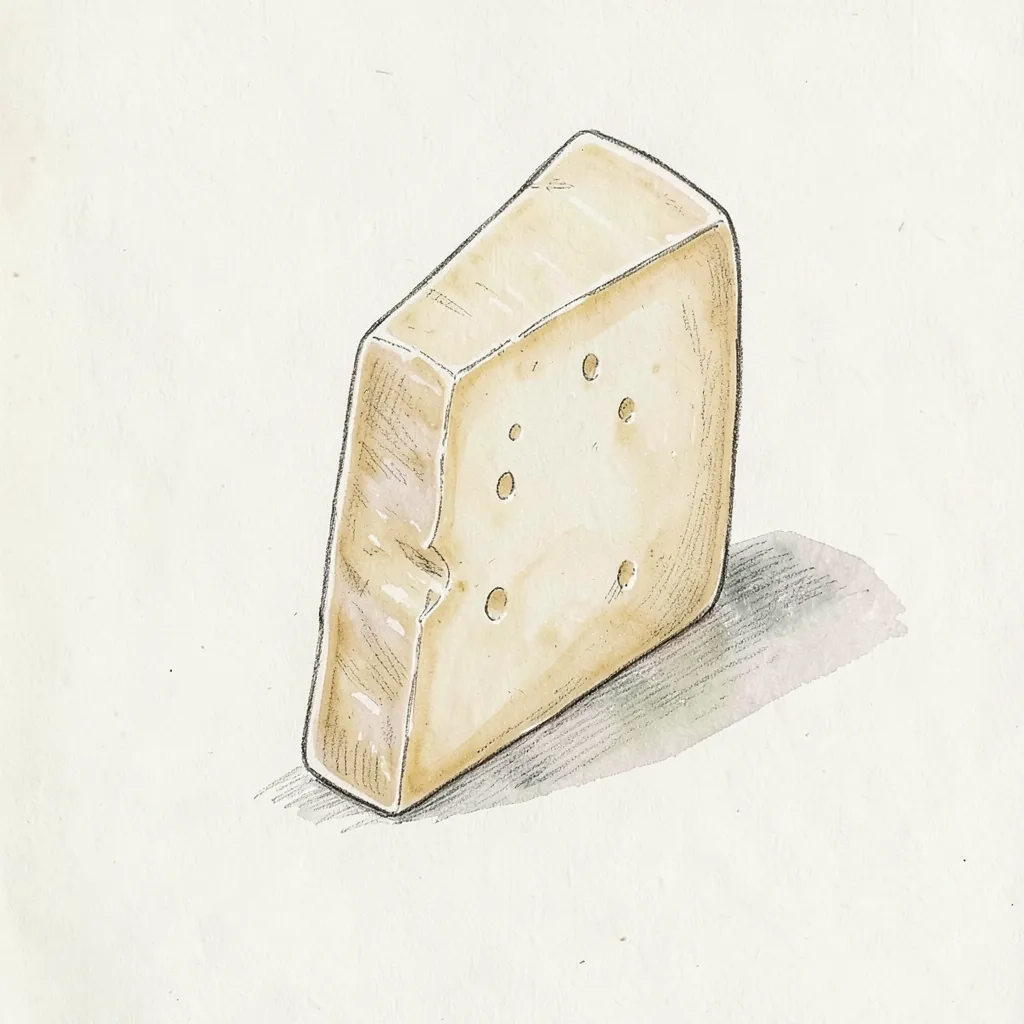
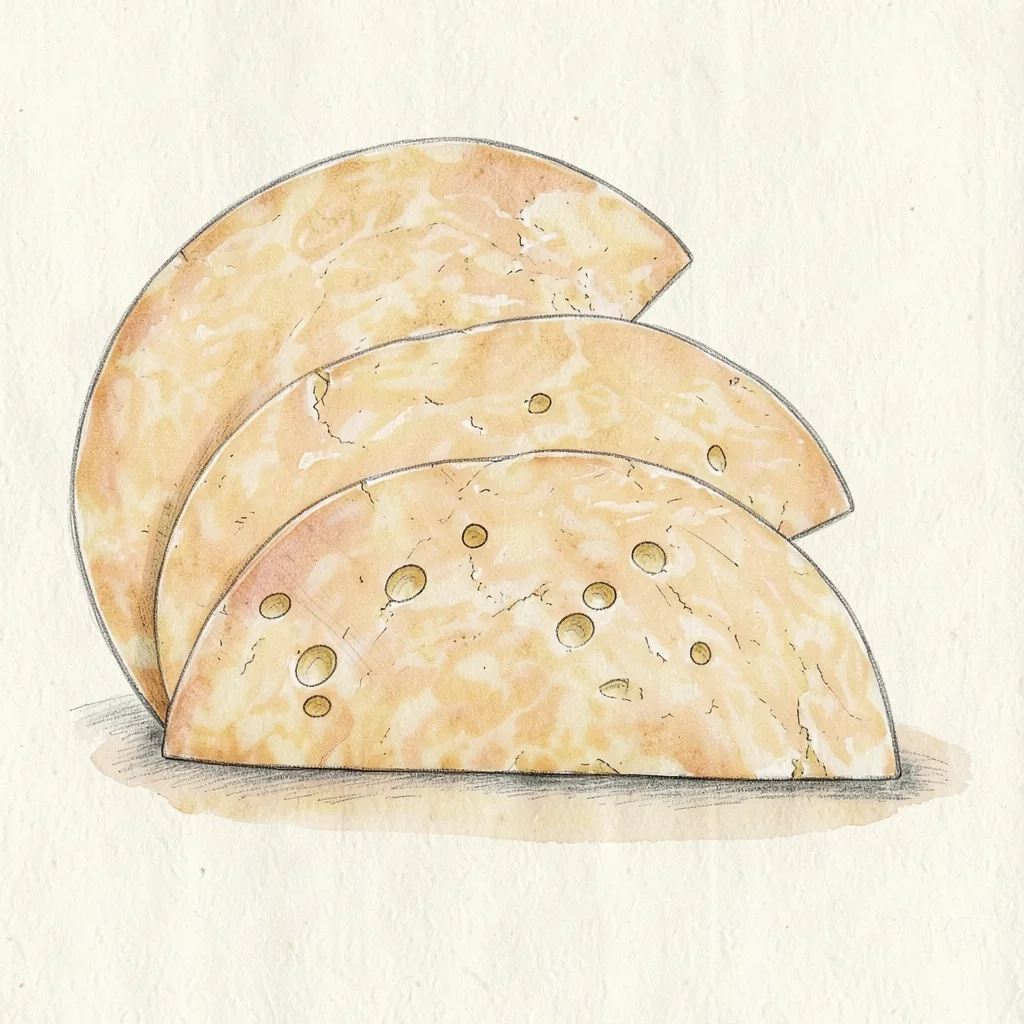
It is made from cow's milk and is often compared with Colby or a mild cheddar. The paste is smooth, moist, and usually mild when the cheese is young. Longer aging makes it drier, firmer, and sharper on the palate. People in Michigan know it as a local table cheese that melts well and also suits a board.
The name points to Pinconning in Michigan, a place long tied to local cheese making. Dairies there made a moist, Colby-like cheese that could be eaten young or kept to sharpen. The style spread through state shops and roadside trade. Color can be pale or orange, depending on annatto. What stays constant is the semi-hard texture and the wide range from mild to sharp.
History
Cheese making around Pinconning grew with Michigan dairy farming. Local plants needed a cheese that kept well and still tasted mild for everyday use. A washed-curd method, close to Colby, gave a moister result than a firm cheddar. Wheels and blocks left the area by road and reached other parts of the state. The city kept that trade and still links its name with cheese.
Over time, makers offered more than one age. A young cheese stayed mild and flexible. An older cheese developed a sharper, more savory taste and a drier bite. Both remained Pinconning cheese, which can confuse a shopper who expects one flavor. The story is local to Michigan, but the technique sits in the wider American family of Colby and cheddar styles.
How it is made
Producers start with cow's milk and set a curd with cultures and rennet. They cut the curd and, in the Colby manner, wash it with water to limit acid. That step leaves more moisture and a milder taste than a cheddar make. The curd is salted, hooped, and pressed into blocks or wheels. Annatto may be added when an orange color is wanted.
Young cheese can be sold soon after pressing, while it is still supple. Other lots are aged until the flavor sharpens and the body dries. A wax coat or a tight wrap protects the surface during that wait. The rind, when present, is not the point of the cheese. The paste inside is what makers judge for moisture, salt, and age.
Taste
Young Pinconning cheese tastes mild, milky, and slightly sweet, with a clean dairy finish. Salt is present but not aggressive on the tongue. The texture is springy and a little open, so it does not feel like a long-aged crumbly cheese. Orange and white versions taste much the same when the age matches. The color is a cue for the eye, not a promise of extra sharpness or heat.
Aged Pinconning cheese moves toward a sharper, nuttier flavor on the board. The paste loses some moisture and can crumble at the edge. It still usually stays milder than a very old cheddar. A sour or soapy note is a fault, not a sign of age. Let a cold piece warm a little before you judge it, because chill mutes the aroma.
In the kitchen
Mild Pinconning cheese melts well in sandwiches, burgers, and simple egg dishes. It is a practical cooking cheese because the flavor does not take over the rest of the plate. Cubes can go on a snack board with crackers, apples, and pickles. Aged pieces grate over potatoes, pasta, or a hot casserole. Use gentle heat so the cheese melts cleanly instead of turning greasy.
For a cheese plate, choose an aged piece and give it something crisp beside it. A mild block is better in a grilled cheese or a quesadilla, where stretch and melt matter more than bite. It can stand in for Colby in most home recipes. It is less suited to a dish that needs a very salty grating cheese. Keep the cut face wrapped so the paste does not dry out.
Around the world
Pinconning cheese is best known in Michigan and in nearby states. Visitors often buy it as a regional food rather than as a national brand. Outside the Midwest it can be hard to find under this name. A shop may simply file it with Colby. That does not erase the local name, which still matters to people from the area.
Cooks elsewhere can use Colby or a young cheddar when Pinconning cheese is absent. The swap works in sandwiches and casseroles. It is less perfect on a board if the substitute lacks the same moisture. Cheese fans who travel in Michigan still seek the original, especially an aged piece. The cheese remains a state specialty more than an export staple.