Cow
What it is
It is made by cooking cow's milk whey until the milk sugar browns and the mass stays soft enough to spread. That cooking gives the tan color and the sweet taste. The paste is lighter in body than a firm block of brunost. Norwegians treat it as a bread cheese and a dessert cheese, not as a salty table cheese.
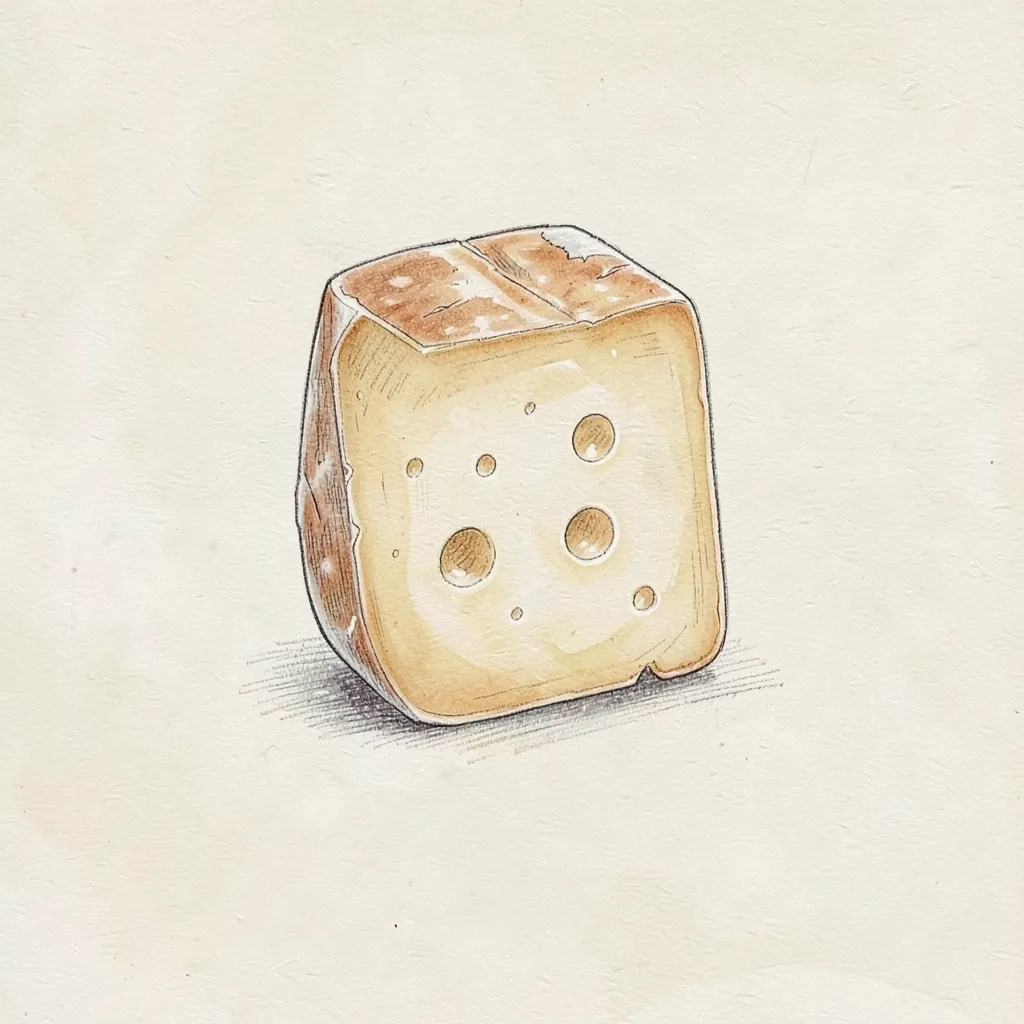
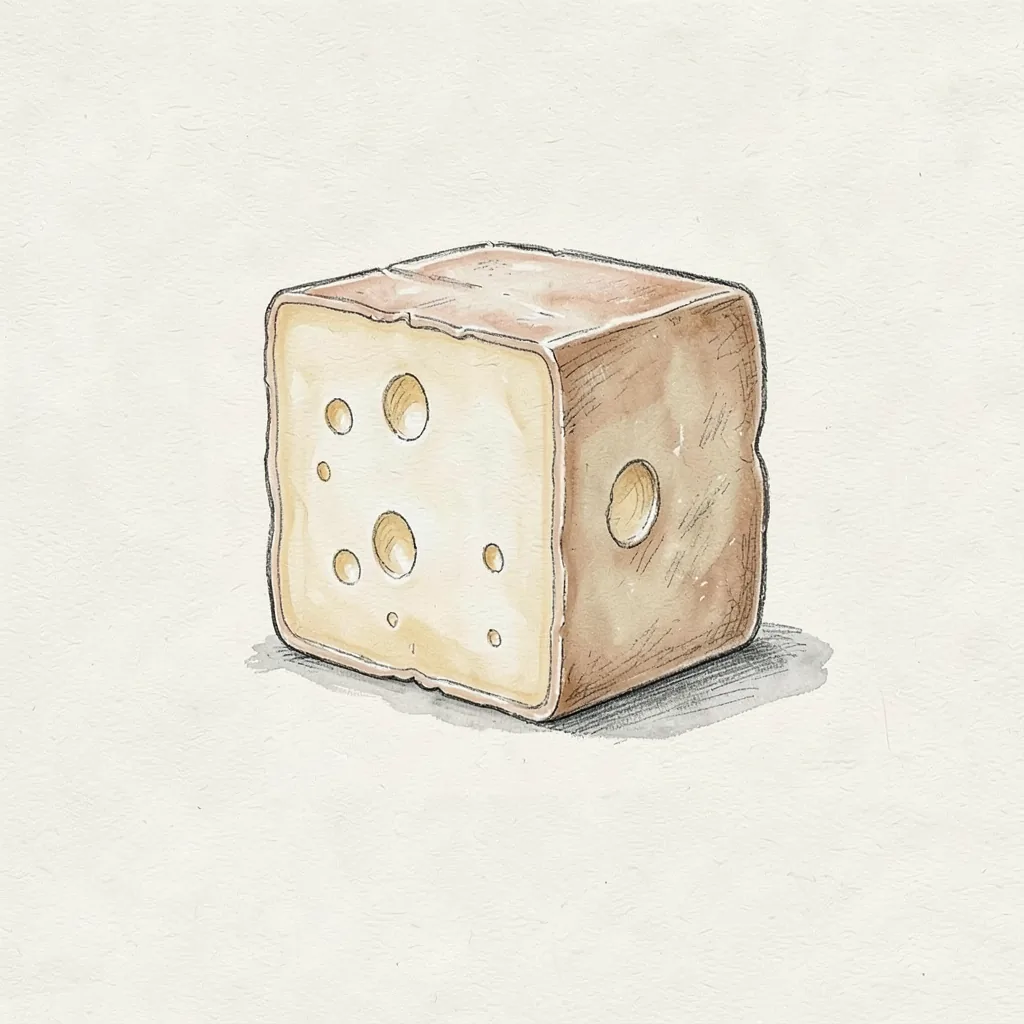
The color runs from tan to light brown, and the smell is caramel rather than barnyard. A spoonful tastes sweet first, then milky, with a faint tang from the whey. It is sold soft, often in a tub or a tube, because it is meant to spread. It is not aged with a rind and it is not a blue. If you expect a slice of yellow cheese, the sweetness will surprise you.
History
Brown whey foods are an old Norwegian answer to leftover whey, which would otherwise spoil. Cooks boiled the whey until it thickened and the sugar browned, then kept the result as a spread. Primost is the softer end of that family, cooked for less time than a firm brunost. The shorter cook keeps it spoonable instead of sliceable. The habit belongs to farm kitchens and to later dairies across Norway.
Firm brown cheeses became the famous face of the style, and many people abroad meet brunost first. Primost stayed the everyday spread, closer to a soft caramel than to a slice you cut with a cheese plane. Swedish cooks know a close relative as messmör, made in the same short-cook way. In Norway the name Prim is also used for the spread in a tube. Both names point to the gentle, spoonable cheese, not to the dark hard block.
How it is made
Whey from cow's milk cheese is the base. It is simmered in an open kettle until much of the water leaves and the milk sugar begins to brown. The cook stirs so the thickening mass does not scorch in one spot. The batch is stopped while it is still soft, before it can set into a sliceable block, then cooled and packed. No rennet curd is the main body of this cheese.
There is no rennet set and no ripening room for this cheese. The flavor comes from heat and reduction, not from mold or a washed rind. When the mass is thick and tan, it is cooled and packed into a tub or a tube that keeps it soft. A firmer brown cheese, such as brunost or fløtemysost, is cooked longer and often shaped into a block you slice. Primost is the spreadable cousin of those cheeses.
Taste
Primost tastes like sweet caramel and warm milk, with a light tang underneath. It is not salty in the way a cheddar is salty. The texture is smooth, a little sticky, and easy to spread when cool. A larger bite can feel very sweet, so a thin layer on bread is the usual serving. The brown color matches the flavor: cooked sugar, not smoke and not herbs.
Compared with a dark, firm brunost, Primost is milder, paler, and less intense. Goat brown cheeses can taste sharper and more animal, while this one stays in the cow's milk range and tastes cleaner. There is no rind flavor and no bitter edge when the batch is well made. If it tastes burnt, the kettle was taken too far. If it tastes flat and pale, it was not cooked long enough for the sugar to brown.
In the kitchen
Spread Primost on dark bread, crispbread, or a Norwegian flatbread. Butter under it is common, and a thin layer is enough because the cheese is sweet. It also works as a simple dessert with fruit or waffles. In cooking, a spoonful can melt into a sauce where you want caramel sweetness and a dairy note. It will not grate, and it will not behave like a salty melting cheese on a pizza.
Use it in small amounts, because a little enriches a gravy for meatballs or a pan sauce and too much makes the dish cloying. It pairs with tart fruit, such as apple or lingonberry, which cuts the sugar. It does not belong on a savory board next to sharp cheddar as if it were the same kind of cheese. Keep the tub closed and cold so the surface does not dry. An open tub can crust at the top.
Around the world
Primost and its tube form, Prim, are ordinary foods in Norway and familiar across the Nordic countries. Elsewhere they are specialty items, often next to brunost in a shop that stocks Scandinavian food. Read the label, because brown cheeses differ in milk and in firmness. A goat block will taste stronger, while a cream whey cheese such as fløtemysost is closer in sweetness but usually firmer and meant to slice. Primost is the one you spread.
If a shop has no Primost, brunost can stand in on bread when you slice it thin, though it is denser and often stronger. Fløtemysost is the other practical swap, with the same caramel idea and a cow's milk base, but you will cut it rather than spoon it. Neither one is a salty cheese for grating over pasta. Tell guests the cheese is sweet before they take a large piece. People who like caramel sweets usually understand it at once.