What it is
Cooks make it by reducing whey until the milk sugar browns and the paste turns sweet. The finished food is a firm block without a rind, closer to caramel fudge than to a salty table cheese. Norwegian dairies sell several styles under the same name, and the sweetness and tang change with the recipe. Breakfast tables across the country treat a few thin slices as an ordinary food.
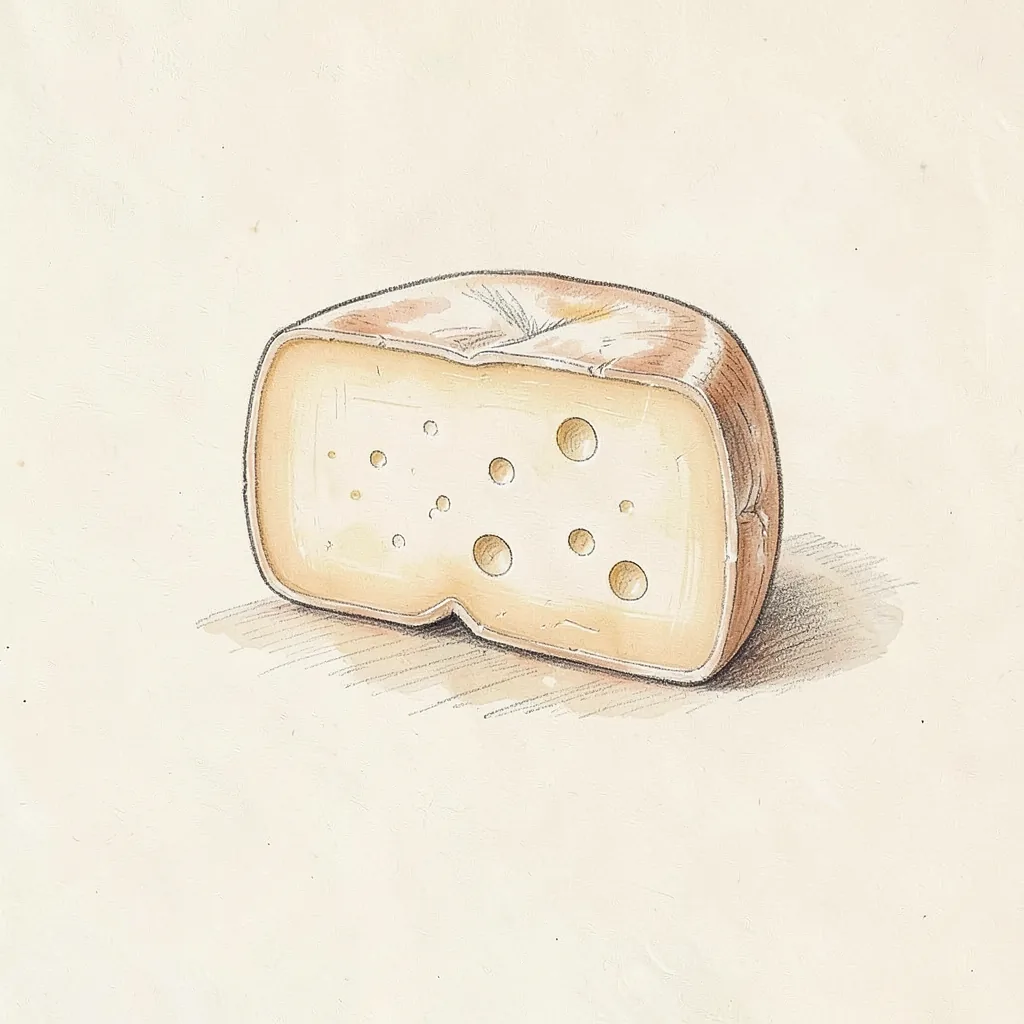
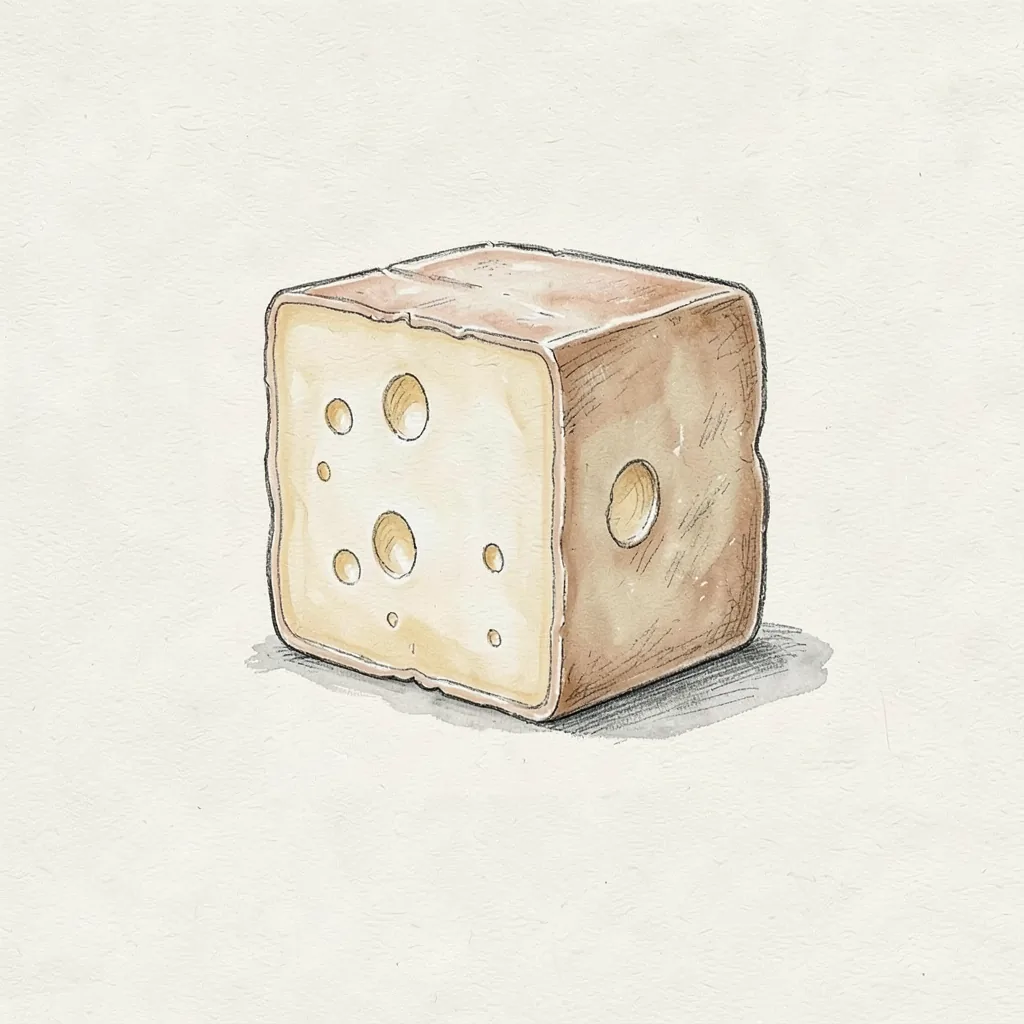
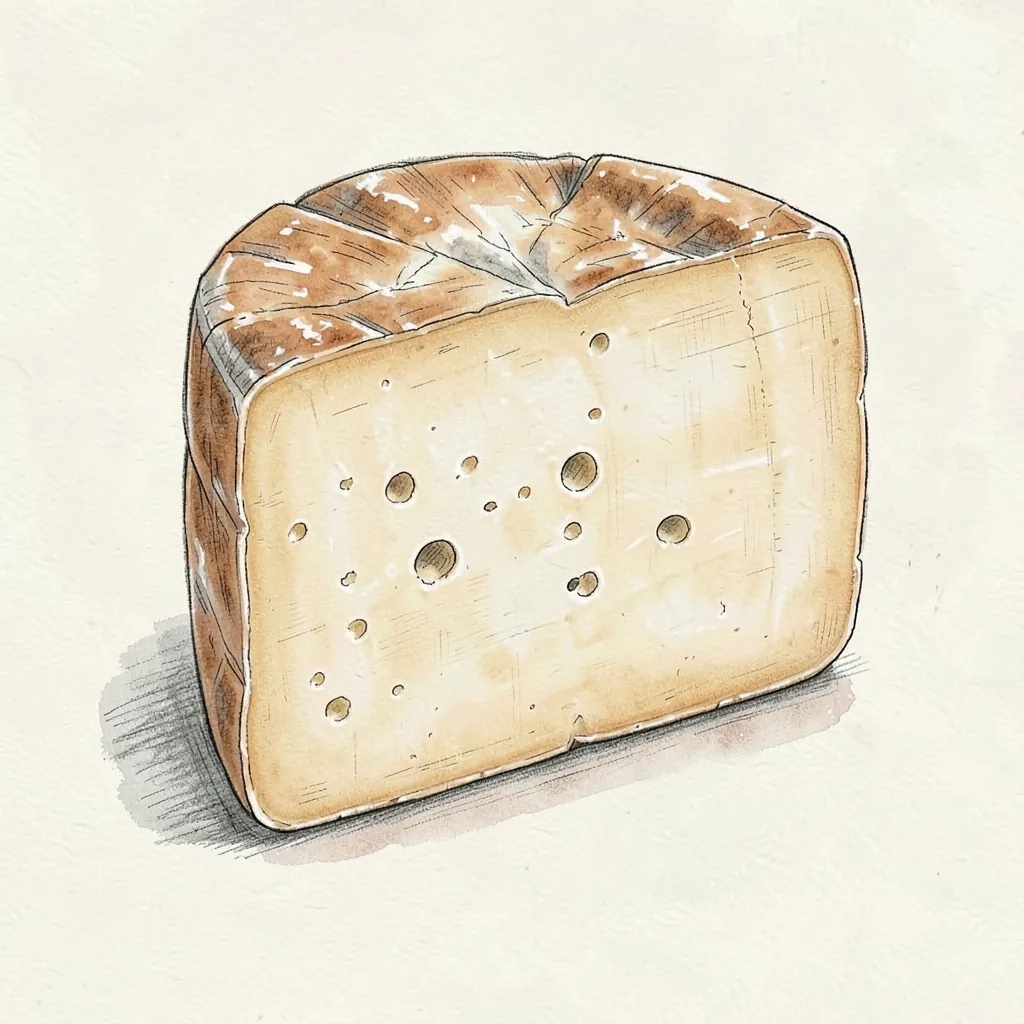
The color runs from tan to deep brown, and the cut face is smooth and dense. A cheese slicer is the usual tool, because a thick piece is very sweet. Many people meet it on buttered bread or crispbread, while others melt it into a simple sauce. It keeps well when wrapped and kept cool, which made it a practical food for travel as well as breakfast. Outside Norway it is still a specialty, not a standard grocery item.
History
Brown whey cheese grew out of a practical habit in Norwegian dairying. Whey is the liquid left after the curd is taken for other cheeses, and boiling it down saved a food that would otherwise be wasted. Over time the sweet brown block became its own product, with a name that simply means brown cheese. Families kept it for everyday bread as well as for travel food. The habit stayed national, not limited to one valley or one dairy.
Exports and grocery brands later carried the block beyond farm kitchens. The taste still surprises visitors who expect a savory cheese, because the first impression is caramel. In Norway the same block is not a rare delicacy. It sits with bread, butter, and jam at breakfast, and it also appears in sauces for meat. That daily role explains why the product has so many small variations on one idea.
How it is made
Makers start with whey, then cook it slowly until much of the water is gone. As the pan thickens, the milk sugar browns and gives the paste its color and sweet smell. Some recipes add milk or cream before the end, which changes the richness. The cook stirs so the mass does not scorch. When it is thick enough to set, it is poured out and cooled.
The cooled paste is packed into blocks and wrapped for sale. There is no rind to wash and no aging room in the usual sense. The brown color is from the heat, not from a dye or a mold. A firmer block can be sliced at once. Soft brown whey spreads exist beside it, but the classic brunost is the sliceable block with a clean, fudge-like face.
Taste
The first taste is sweet, with caramel, toffee, and cooked milk. A mild tang sits under the sugar, so the block is not like candy alone. Salt is low compared with most cheeses. The texture is dense and slightly grainy when cold, then glossy when it warms. A thin slice is pleasant, while a thick chunk can feel heavy and cloying.
Styles differ more than a single label suggests. A cream-rich block is milder and smoother. A whey block with a sharper edge tastes more savory and leaves a longer finish. Neither style smells like a washed rind or a blue cheese. A thin slice with sour bread or tart jam is still easier to enjoy than a thick sweet piece.
In the kitchen
Thin slices on buttered bread, crispbread, or waffles are the everyday use. A Norwegian cheese slicer makes even pieces that do not overwhelm the bread. The same block melts into a brown sauce for meatballs, pork, or game. A little goes a long way because the sweetness is strong. It does not belong on a salty cheese board next to olives and cured meat unless the rest of the plate is mild.
Grate a cold block over potatoes, or stir a few slices into a pan sauce at the end of cooking. Heat makes it smooth, but high heat can make it grainy or bitter if the pan scorches. It pairs with tart fruit, pickled cucumber, and dark bread. Sweet breakfast foods such as waffles need only a modest piece. For cooking, treat it as a seasoning as much as a cheese.
Around the world
Brunost is a normal grocery item in Norway and a familiar food in other Nordic countries. Specialty shops and Scandinavian markets abroad stock the blocks, often in red or brown packs. Travelers sometimes buy it as a souvenir and then learn that the open block is best kept cool and dry. The sweet taste is the main surprise for people raised on salty cheese. A first serving should be small.
Cooks outside Norway use it where a recipe asks for a caramel note in a savory sauce. It can stand in for other Scandinavian brown whey products, though names and recipes differ. It is not a substitute for a hard grating cheese, and it will not behave like a mild melting cheese. Readers who want a softer brown whey spread can look for primost. Readers who want a cream whey block can look for fløtemysost, which is a close relative rather than a different food.