Cow
What it is
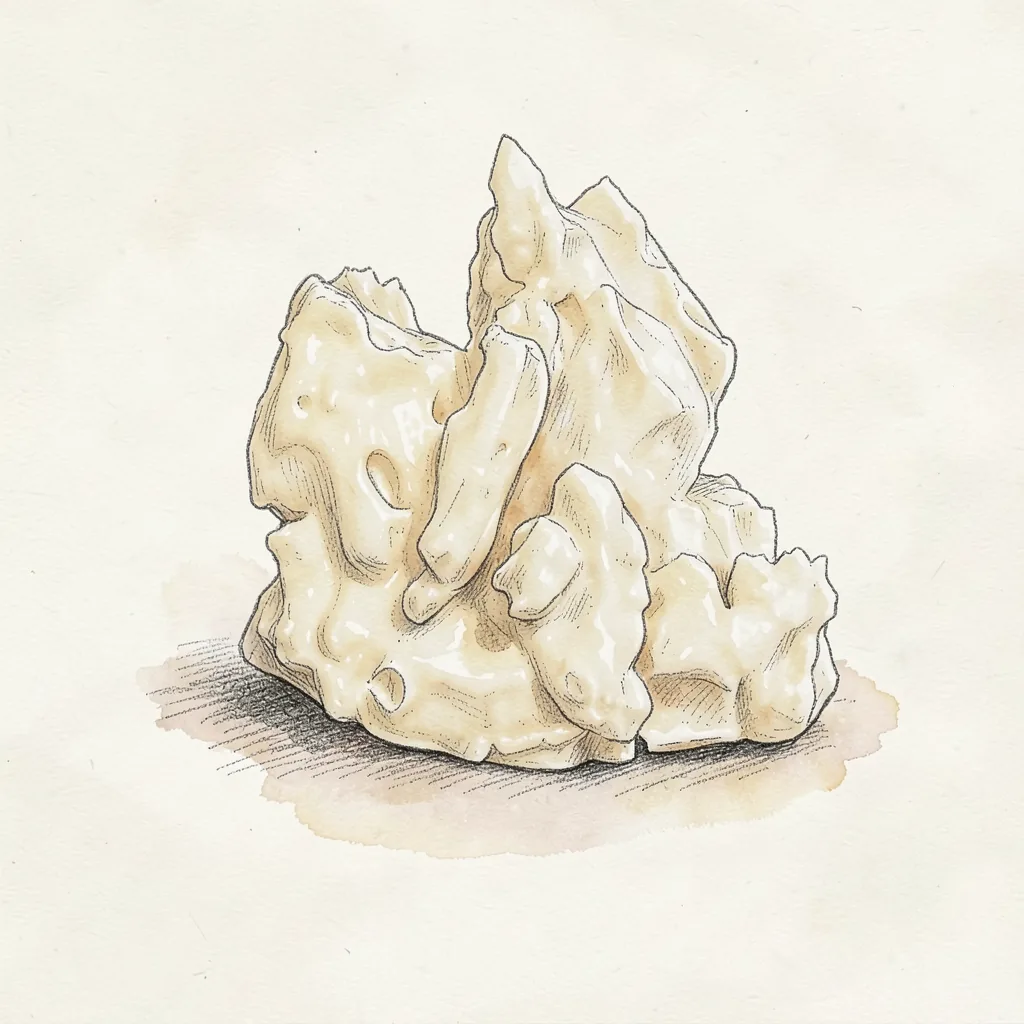
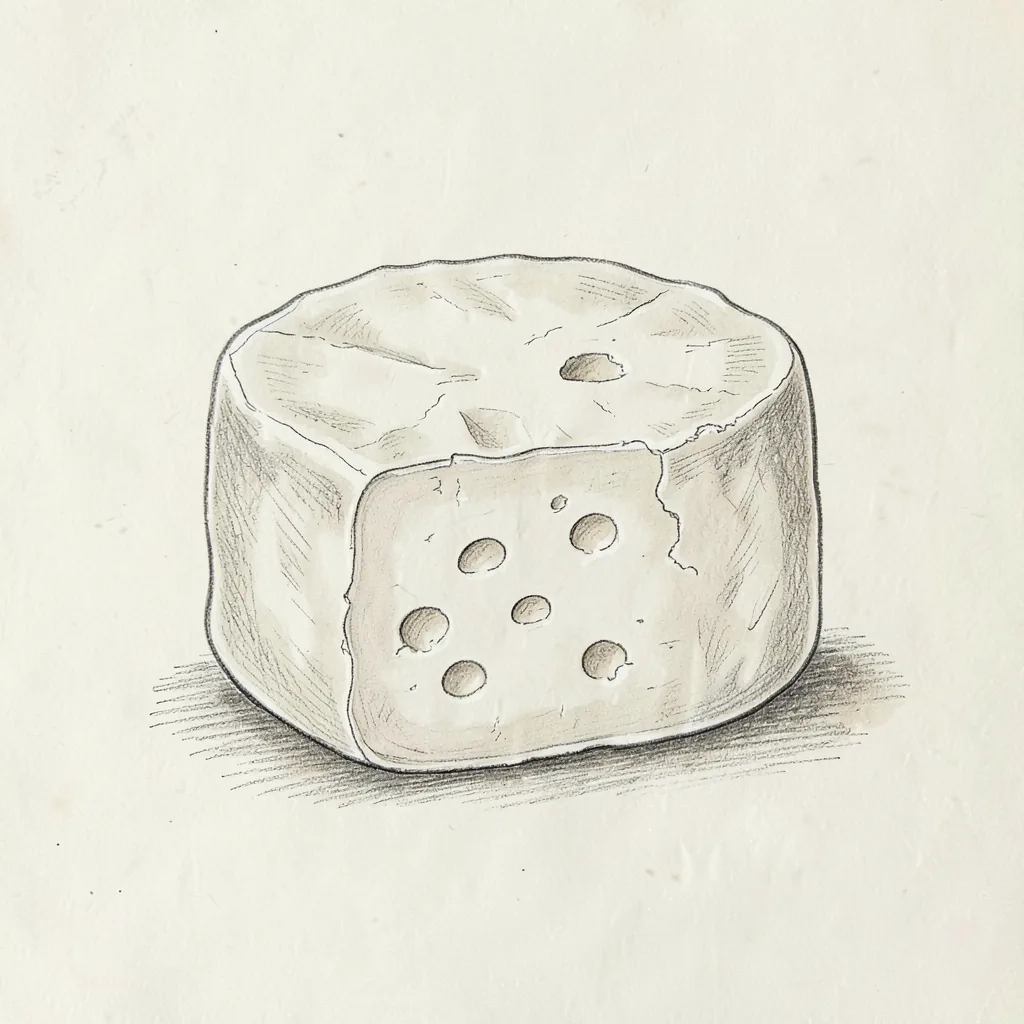
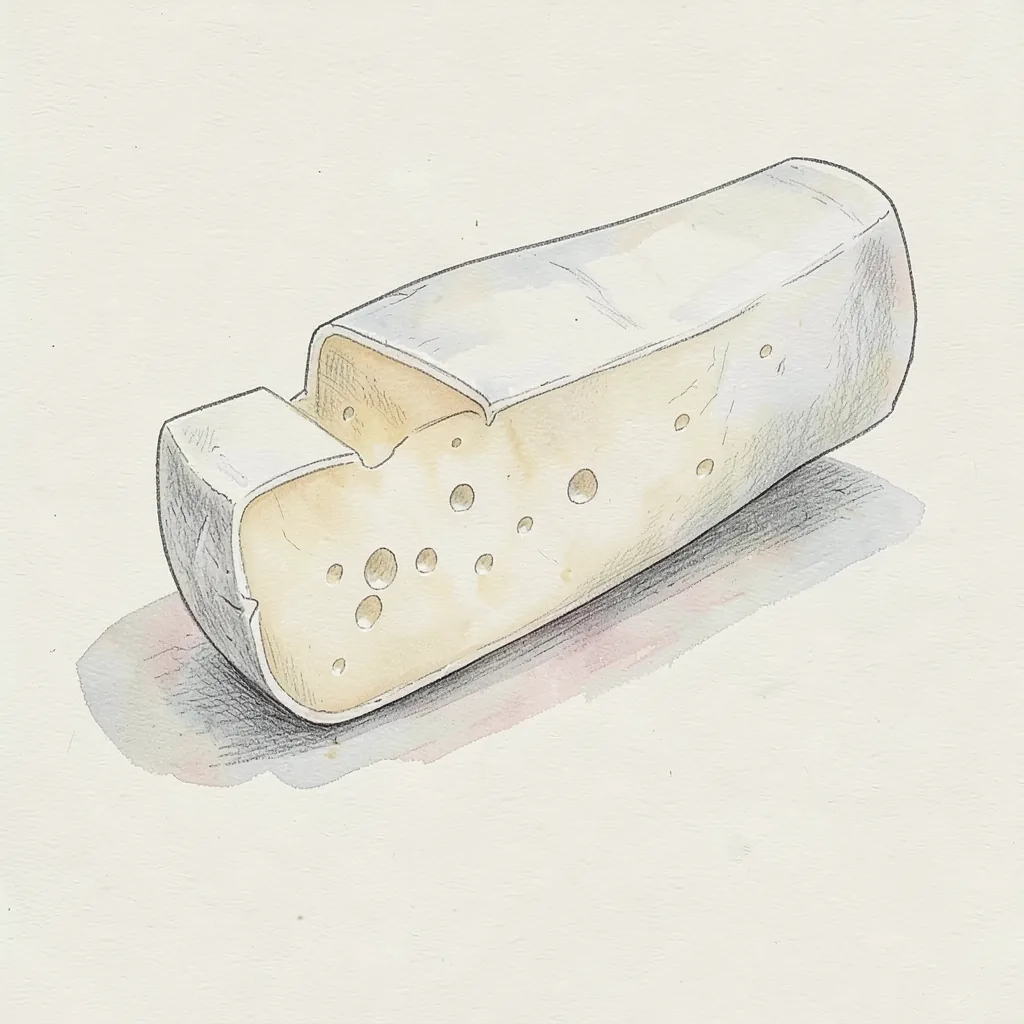
Makers set cow's milk, drain the curd, and sell it without a rind or a long aging step. The paste may be creamy and spreadable or dry and crumbly, depending on how firmly it was pressed. People in Russia eat it plain, sweet, or savory, and they cook with it often. It belongs with quark and other fresh curds, not with hard wheels.
The color is bright white, and the smell is clean and lightly sour. A rich batch feels smooth, while a lean batch breaks into small soft grains. Sour cream, honey, or a pinch of salt are common partners at the table. In the kitchen the curd fills pancakes, dumplings, and simple baked puddings. Because it is fresh, it should be kept cold and eaten while the taste is still bright.
History
Tvorog grew from a plain farm habit that suited daily milk. Sour cow's milk was warmed until the curd separated, and the curd was then drained and eaten fresh. The method needed no long cellar and no rind care, so a household could make cheese often. In Russia that white curd became a staple rather than a rare treat. Families used it at breakfast and again in cooked dishes later in the day.
The Russian name stayed with this curd even where neighbors used other words for a similar food. Shops now sell tvorog in tubs and blocks that differ in richness and in how dry they are. Those differences change a recipe more than a fancy label does. A home batch and a dairy batch still share one idea, a drained fresh curd from cow's milk. No single town owns the method, and Russia as a whole is the home of the cheese.
How it is made
The usual path starts with cow's milk that has soured, or with milk set by a culture. Gentle heat helps the curd firm and release whey. The curd is drained in cloth until it reaches the body the maker wants for the batch. A short drain leaves a moist, creamy cheese that spreads easily. A firmer press leaves a drier, crumbly cheese that holds its shape in a filling.
Salt may be mixed in for a savory batch, or left out when the curd will be sweetened later. There is no washed rind and no coat of mold to tend. The cheese is finished once enough whey has left and the curd tastes clean. Dairies pack it soon after draining so the fresh character holds. Most cooks now meet it as a tub from a shop rather than as a cheese they drained themselves.
Taste
Tvorog tastes milky, lightly sour, and clean, with little salt unless the maker added some. The sourness is gentle and closer to fresh yogurt than to a sharp aged cheese. A moist style feels soft and cool on the tongue. A dry style is grainier and a bit more intense, while staying mild. The smell should stay fresh, and a harsh sour tub is past its best.
Richness changes the impression more than any added spice does. A fuller curd tastes rounder and coats the mouth in a soft, lasting way. A lean curd tastes brighter and more plainly sour, with less creaminess. Sugar, honey, or ripe fruit pull the cheese toward a simple dessert bowl. Salt, fresh herbs, or a spoon of sour cream pull it toward a savory spread for dark bread.
In the kitchen
Stir tvorog with sour cream for a simple spread on bread, or fold in herbs and salt for a savory bowl. A sweet bowl takes honey, fresh fruit, or a little jam. For cooking, a dry curd holds together in pancakes and fried patties. A moist curd suits a baked pudding better than a crisp patty. Dumpling fillings need a cheese that is not watery, or the dough turns soggy.
Tvorog does not melt into a stretchy sheet, so it is a poor top for pizza. Heat makes it soft and tender rather than glossy and stringy. In a salad, crumble a dry batch where you might use another mild fresh cheese. Keep sweet portions moderate, because the curd is more filling than it looks. Serve it cold or just warmed, and do not expect the crust of a browned hard cheese.
Around the world
Tvorog is an everyday food in Russia and a close cousin of fresh curds across Eastern Europe. Quark in German-speaking countries plays almost the same part on the table and in recipes. Farmer cheese in some English-speaking shops is another near match when the curd is dry. Cottage cheese is what many American cooks buy when they want a mild white curd. Travelers meet tvorog in dairy cases and in cooked breakfasts more than on formal cheese boards.
Outside Russia, quark can replace tvorog in most recipes that need a soft tangy curd. Cottage cheese works when a looser, milder result is acceptable in the dish. A dry farmer cheese helps when you need a curd that crumbles cleanly into a filling. None of those foods is a washed-rind cheese or a hard grater. Tvorog is ordinary in Russian kitchens and a specialty item in many grocery stores abroad.