Cow
What it is
It is made from cow's milk enriched with cream, then washed in brine until the rind turns red-orange. Cowgirl Creamery produces it in that coastal region. The name points both to a local hawk and to the color of the rind. The paste is rich, salty, and savory, with an aroma far stronger than a mild white-rind cheese, and the wheels are small enough for a board or a spoon.
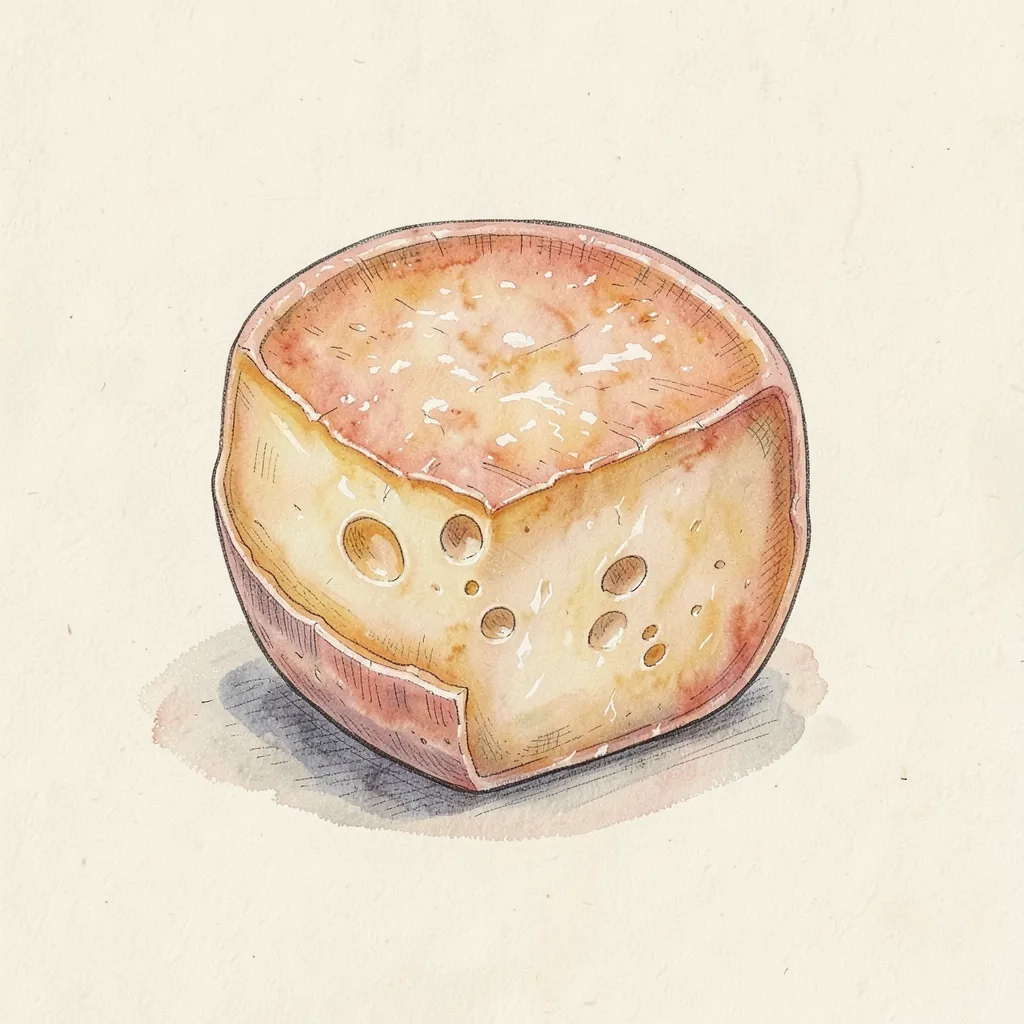
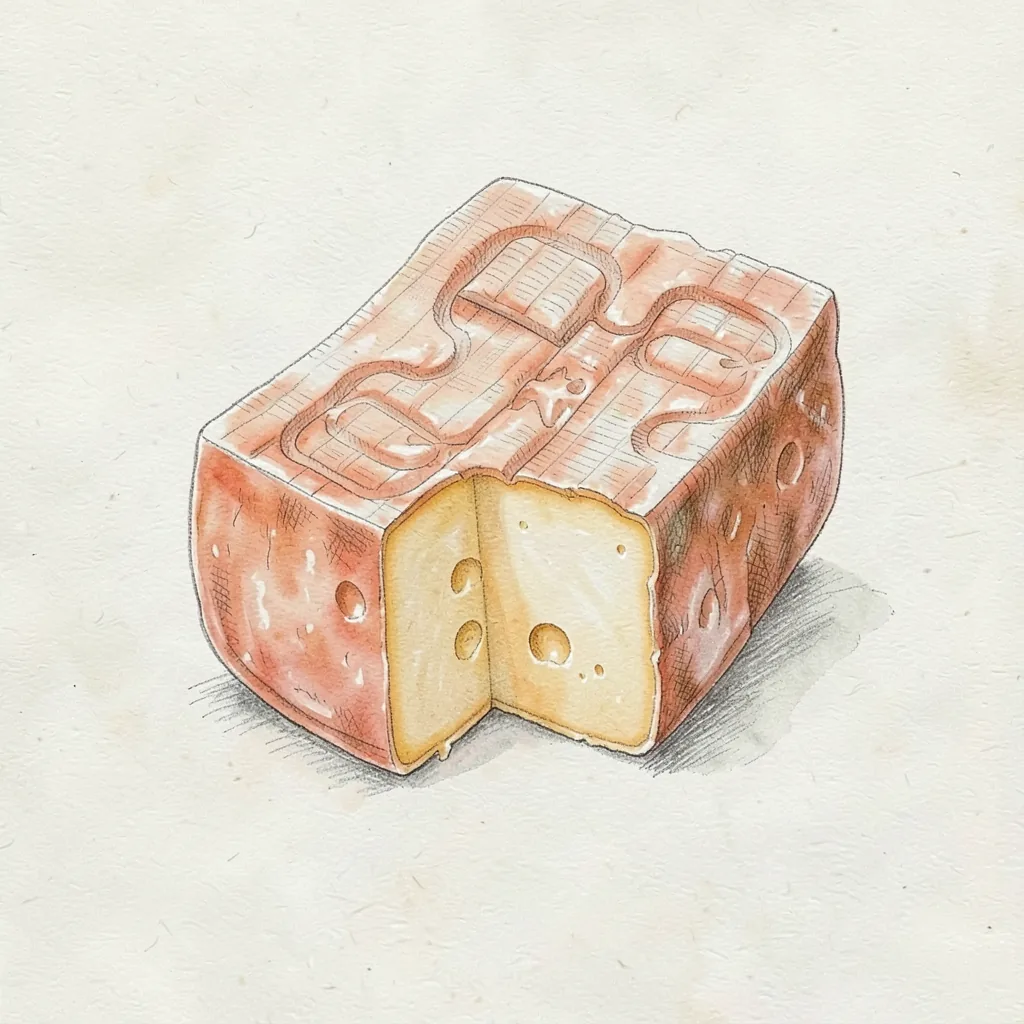
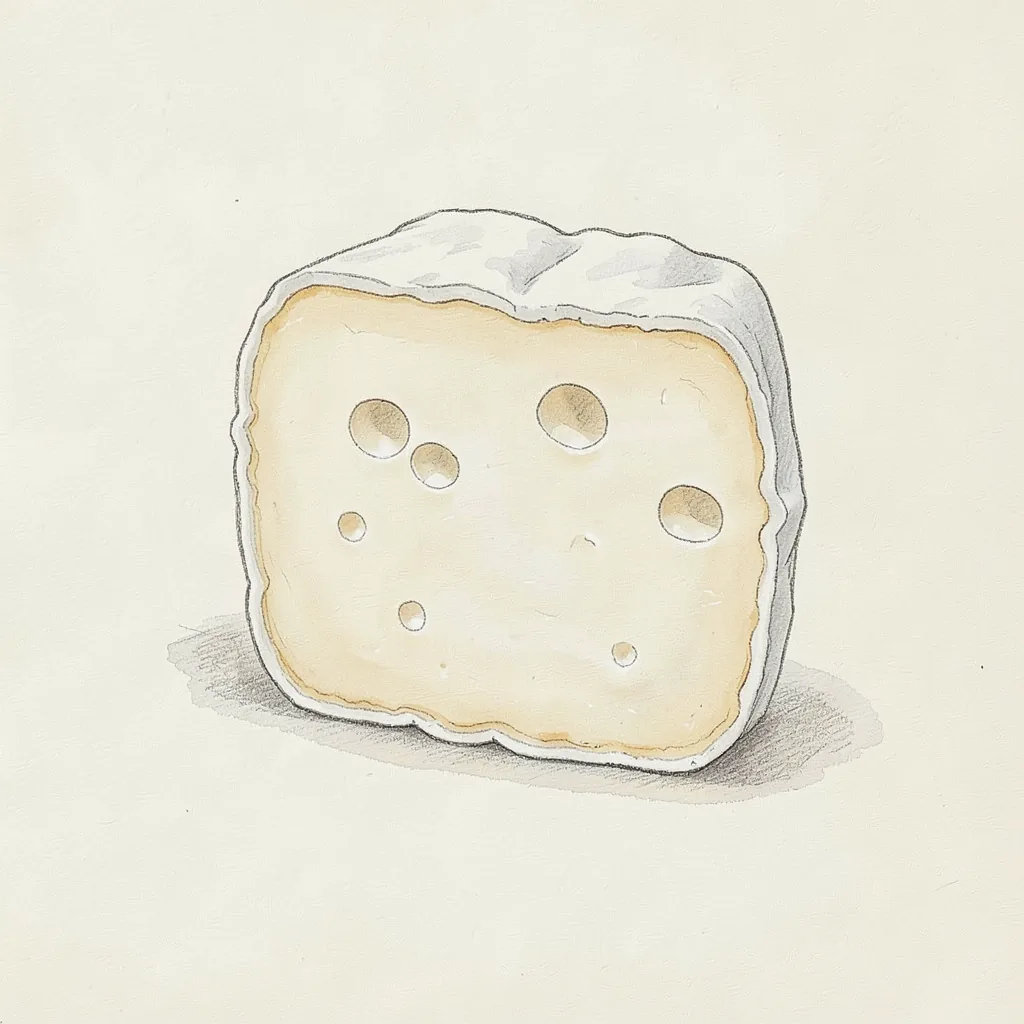
The rind is thin, moist, and orange to brick colored, and it is meant to be eaten. Under it, the paste is pale gold to cream and softens until a ripe wheel may slump toward the board. You get both the butter of added cream and the savory depth of a brine-washed rind. It is not a blue cheese, and it is not a firm wheel for grating. Serve it warmed to room temperature, when the meaty sweetness and the smell both open up.
History
Red Hawk is the washed-rind triple cream made by Cowgirl Creamery in Northern California. A brine wash gives it the red-orange rind, and the name refers to a hawk of that coast as well as to the color. The cheese uses local cow's milk and cream, and the wheels stay small. It has remained the product of that creamery rather than a recipe copied by many dairies. Washed-rind practice was already familiar in Europe, and this cheese brings that method to a California triple cream.
The creamery built a reputation on soft cheeses, and Red Hawk became one of the pungent cheeses in that group. Brine washing lets the rind take color and lets the flavor deepen beyond plain cream. The small format makes it practical to sell when the paste is already soft. It has a following among people who want an American washed rind with extra richness. The cheese is still tied to Northern California milk, not to a European place name.
How it is made
Pasteurized cow's milk is blended with cream, set with cultures and rennet, and ladled into small forms. The curd drains into a soft wheel, and salt is added on the surface or through brine. During aging, the wheels are washed with brine so the red-orange rind culture can grow and the surface stays moist. Ripening moves from the outside toward the center. A ripe wheel feels giving under the rind, not dry or chalky in the middle.
Triple cream means cream is added, so the paste is richer than a soft cheese made from milk alone. The wash does a different job and builds a savory, pungent rind around that rich center. The wheels stay small, which helps the rind flavor reach the middle before the cheese is sold. Nothing is pressed into a hard block, and no wax is applied. The finished surface should look damp and evenly colored, with a cream interior that yields when you press it.
Taste
The smell is the bold part, earthy and salty, with a clean barnyard note and a hint of cured meat. The taste is rounder than the smell, bringing butter, a roasted-nut note, and a savory broth-like depth. Salt is firm, but the cream balances it. A light tang keeps the richness from feeling heavy. The rind holds more of the pungent side, and the center holds more of the sweet milk fat.
Temperature changes the cheese sharply, and a piece straight from the cold can seem quiet and mainly salty. Once it warms, the paste softens and the meaty sweetness comes forward. If ripening goes too far, the aroma turns sharp and ammonia-like, and the pleasure falls away. At the right point the finish is long, savory, and creamy. Fans of very mild cheese may stop at the smell, while fans of washed rinds often find the flavor gentler than they feared.
In the kitchen
Serve Red Hawk on a board with bread, pickles, or a spoon of onion jam, and let people spread the soft paste. It is rich, so a small wedge is a full serving for one person. Do not bake it for a long time, or the finer flavors will blow off. A melt over warm potatoes or toast can work if you want the scent in a hot bite. Pair it with something crisp or acidic, because the cream needs a contrast, and wrap leftovers so the aroma stays put.
A ripe wheel may stick to the knife, so a small spoon often works better. If the outer edge of the rind tastes bitter, trim that bit and eat the rest of the slice. Bring the cheese out before the meal so the center is not cold. It will not grate, and it will not behave like a firm grilling cheese. Treat it as a spread and a board cheese, and eat a cut wheel soon, because the paste dries and the smell grows stronger.
Around the world
Red Hawk is a cheese of the United States, and most of it is eaten there. Shops in other countries sometimes carry it where California cheeses are imported, but it is not a staple abroad. In Northern California it is a known washed-rind cheese, sold beside other soft cheeses from the same coast. Visitors who expect every dairy product from the United States to taste mild are surprised by the aroma. The small orange wheel is easy to recognize once you know the name and the brine-washed rind.
Époisses is the usual substitute when you want a pungent washed rind and a creamy center. It is French, and it is not a triple cream, but the salty savory character comes close. Taleggio can stand in for a softer washed cheese with a milder taste and a texture that spreads. Brillat-Savarin is also a triple cream, but its rind is white and bloomy, so the aroma is different and the two should not be confused. A firm cheddar or a blue cheese will not give you this flavor.