Cow
What it is
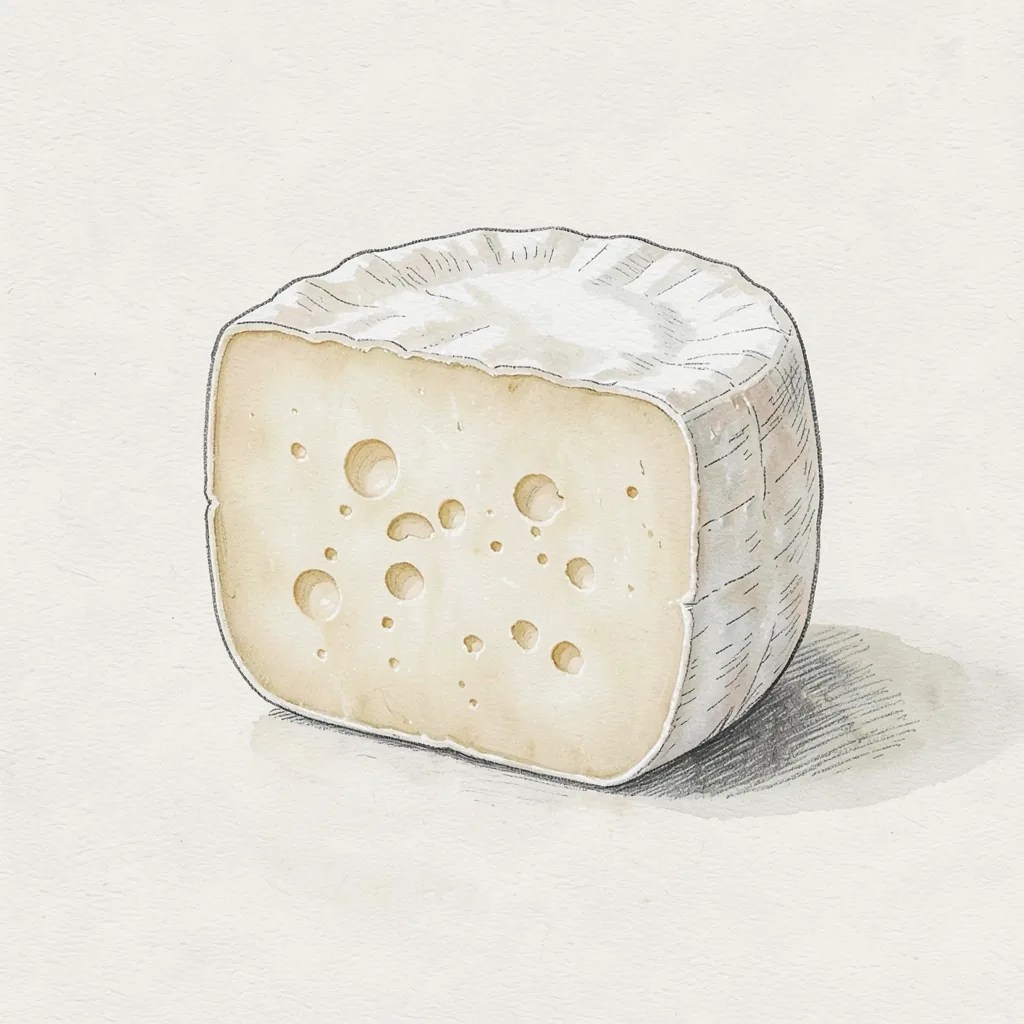
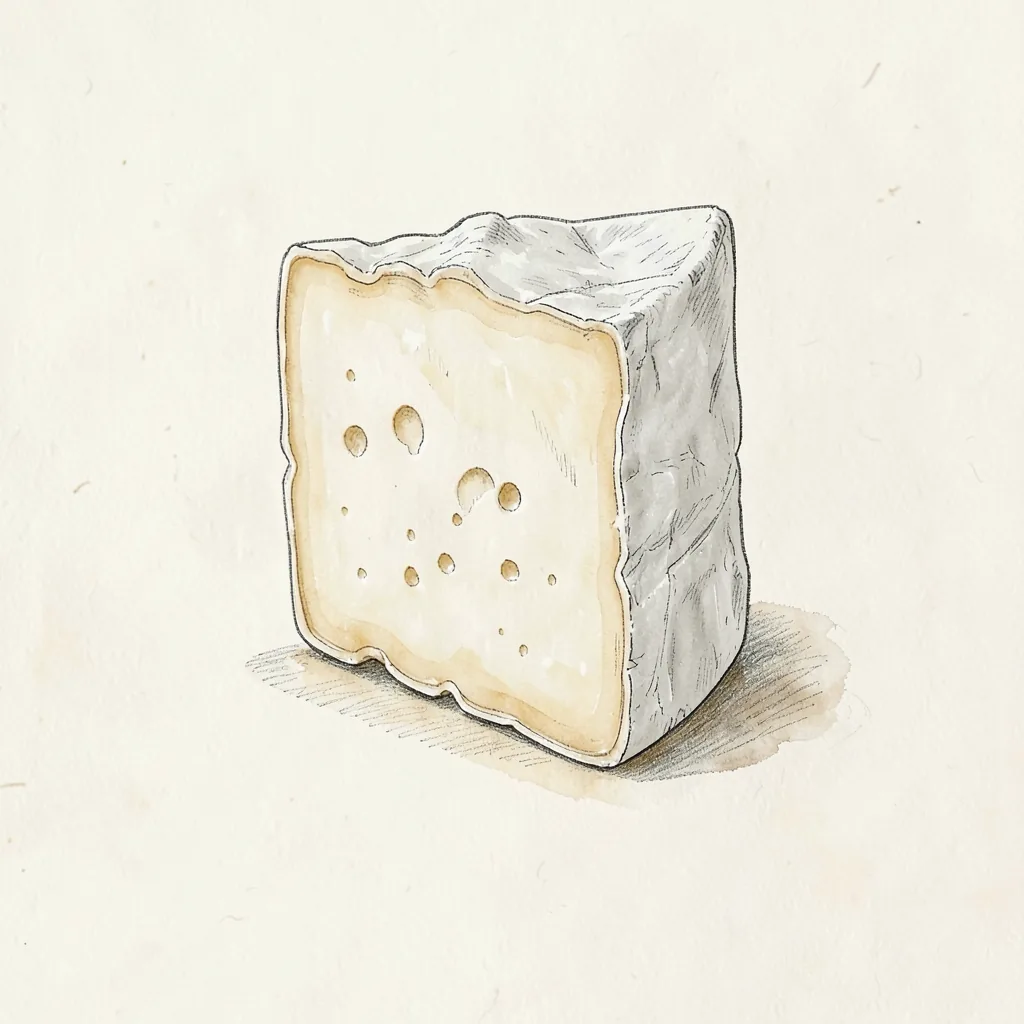
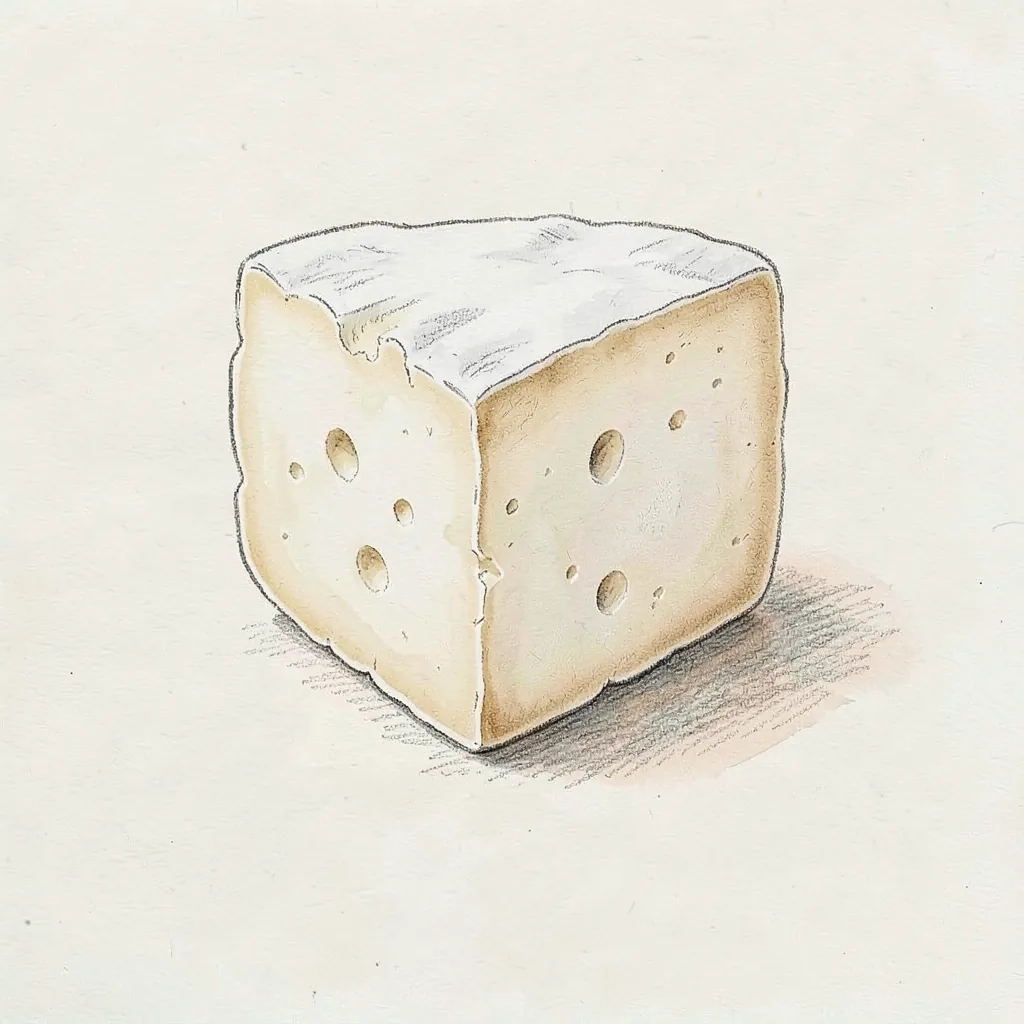
Extra cream goes into the milk, so the paste is rich, pale, and almost spoonable when ripe. A white bloomy rind covers the wheel. The flavor is mild, buttery, and lightly sour, with a mushroom note near the coat. It is a board cheese and a spread, not a cheese you buy for grating.
Wheels are modest in size, and dairies make them through the year. A fresher piece tastes like thick sweet cream with very little rind character. A riper piece softens further and smells more of mushroom and warm milk. Both moments are the same cheese. It is often confused with Délice de Bourgogne, a close French relative, and the two can stand in for each other on many plates.
History
Brillat-Savarin is a creamery cheese, not a farmhouse antique tied to one village. Burgundy is the region given for it here, and makers in Normandy also produce the style. The recipe adds cream to cow's milk and finishes the wheel with a bloomy rind. That combination was meant to taste lush and easy to like. It was never built as a sharp, long-aged wheel for the grater.
An older label, Excelsior, still appears in accounts of the cheese, and Délice des gourmets is another early name. Shops now use Brillat-Savarin. Production continues in more than one part of France, with Burgundy often named on export labels. The cheese did not become a single-valley farm style with one rigid recipe. What stayed constant is the rich cow's milk paste and the white rind.
How it is made
Cow's milk is enriched with cream before it is set. Lactic cultures and a little rennet form a delicate curd, which is ladled into round molds. The curd drains slowly so the paste stays smooth and moist. Salt is moderate rather than sharp, and a white surface mold is encouraged until it grows into the bloomy rind. There is no washing step and no heavy press.
Aging is brief by the standard of a pressed cheese. The rind whitens, and the paste softens from the edge toward the center. Some pieces are sold very fresh, almost like a rich cream cheese with little rind flavor. Others rest until a soft cream line forms under the coat. Either way, the cheese is kept cold and eaten soon, and a bloomy wheel that smells sharply of ammonia has gone too far.
Taste
The first impression is sweet cream, butter, and a mild lactic tang. Salt is present, but it stays gentle. Under the rind, the flavor picks up mushroom and a light earthiness. The center remains milder and denser than the outer paste. A ripe wheel can slump a little on a warm plate, which is a sign of richness rather than a fault, and the color runs from ivory to pale yellow.
Texture ranges from spreadable to softly sliceable, depending on age and temperature. A cold wedge holds a cleaner cut, and a wedge that has lost its chill feels lusher and tastes fuller. Bitterness and a strong barnyard smell are not the goal of this style. If the rind tastes harsh, eat the paste and leave the coat, or choose a younger wheel next time. The pleasant version is clean, fatty, and faintly sour.
In the kitchen
Put Brillat-Savarin on a board with crusty bread, pears, berries, or a little honey. It spreads on toast, and a spoon can loosen it into a simple dip. Sparkling wine and light white wine are easy partners. Strong condiments cover the cream, so use them with a light hand. A small slice is satisfying because the cheese is rich, so there is no need to serve a large wedge to each guest.
You can stir a little into scrambled eggs, a tart, or a potato dish, and you should add it off a hard boil so the fat stays smooth. It will not grate, and it will not brown like a grilling cheese. A barely ripened piece behaves more like a rich cream cheese in a cold tart. A riper piece is better eaten plain, while the mushroom note is still gentle. Keep leftovers covered and cold.
Around the world
Export shops sell Brillat-Savarin wherever French soft cheeses have an audience. It sits near Délice de Bourgogne, Explorateur, and Saint-André, all cream-enriched cheeses with white rinds. Délice de Bourgogne is the usual mix-up, and many recipes will accept either name. Explorateur is another triple-cream with a similar lush paste. Saint-André strikes some people as a little more tangy, and any of them can rescue a board.
Burgundy on the label names a French region, and it does not make this cheese identical to every wheel from that area. Chaource, also associated with Burgundy, is less rich and more sharply lactic. Brie is generally leaner in feeling and more mushroom-forward when ripe. If a recipe names Brillat-Savarin, it wants the triple-cream texture. A standard cream cheese is a different tang and has no bloomy rind, so use that swap only when the French cheese is unavailable.