Cow
What it is
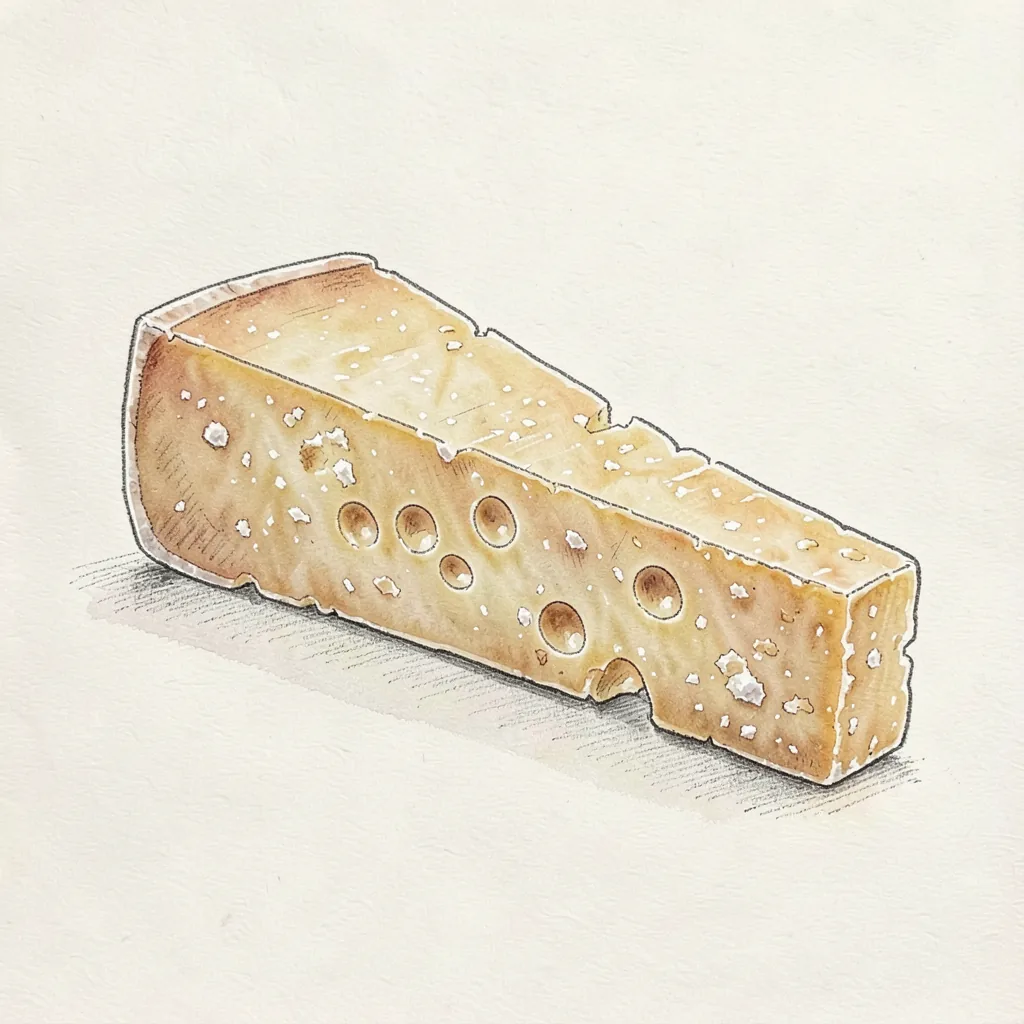
The name is a diminutive of Reggiano, and it points to a smaller everyday relative of the Italian grating cheeses. The paste is compact, pale gold, and granular, made to be broken or grated rather than cut in soft sheets. Salt and time give it a savory, nutty bite that holds up in a hot dish. It is the hard cheese many Argentine cooks reach for when a recipe needs a dry, sharp grate.
The wheels are modest beside a full drum of Parmigiano, which makes them easier to handle in a home kitchen. A natural rind forms on the outside, and that rind is not the part you eat. Inside, the cheese snaps and grates into flakes that soften in sauces and soups. The flavor is often saltier and more direct than a long-aged Italian grana, with less sweet crystal character. Cooks use it as seasoning, and exporters ship it to kitchens that want a hard cow's milk cheese.
History
Italian immigrants in Argentina wanted a cheese that recalled Parmigiano Reggiano, and they made Reggianito from local cow's milk. The new cheese kept a cooked, pressed, hard paste, but it took a smaller wheel and a taste of its own. The diminutive in the name means little Reggiano. It is a nod to the model, not a claim that the cheeses are the same. No one brand owns the style, and it became a national cheese for grating.
Creameries later scaled the method and sent wheels abroad, where some buyers filed the cheese under a loose Parmesan label. That shortcut hides real differences in place, habit, and taste. Reggianito grew up among other Argentine cheeses shaped by Italian memory, including firm cheeses for the table and the grill. Its own job stayed at the grater. Home cooks and pasta makers made it ordinary, which suited a cheese born as a practical answer to another tradition.
How it is made
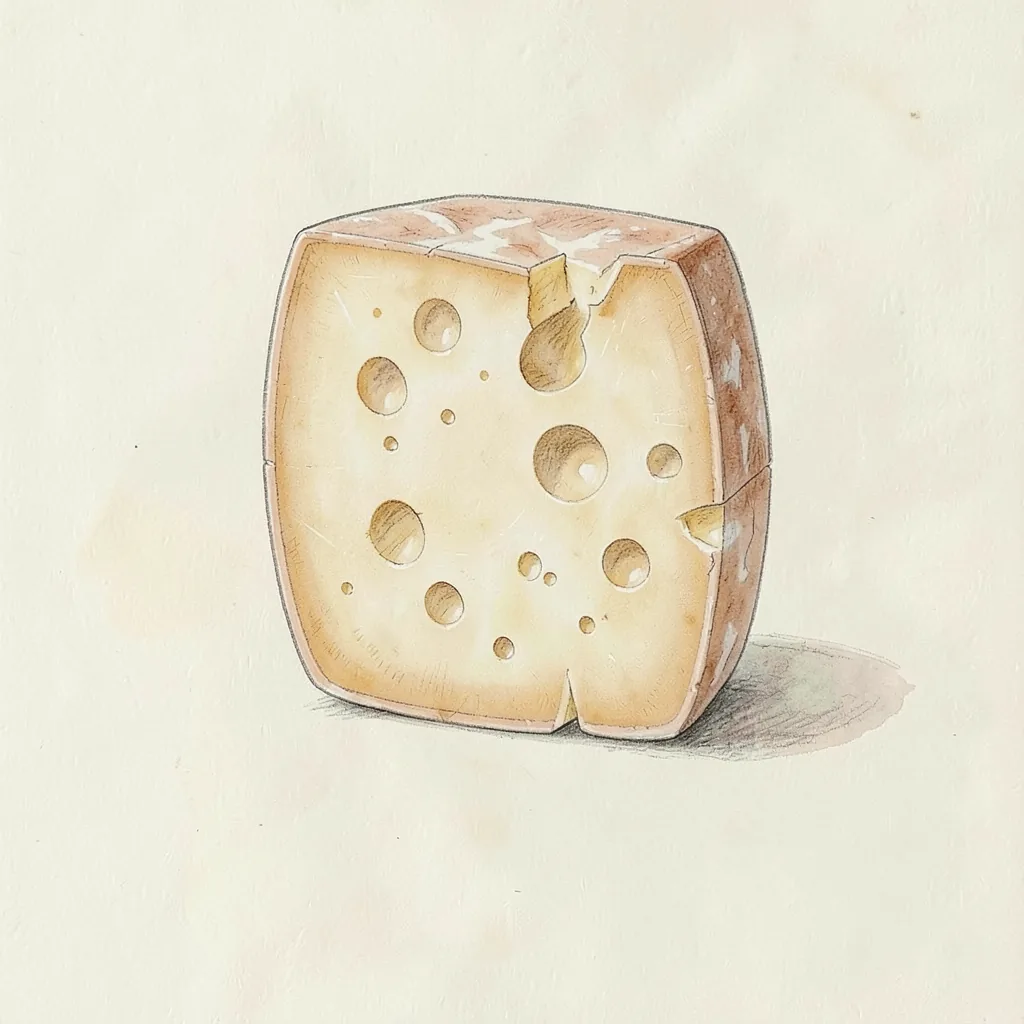
Cow's milk is warmed, cultured, and set with rennet. The curd is cut fine and cooked until the grains firm and give up moisture. Those grains are gathered, pressed in molds, and salted, which knits a dense paste without large eyes. A natural rind forms as the wheels dry. The technique sits near the Italian grana family, even though the cheese is fully Argentine.
The wheels stay in store until the paste is hard, dry, and ready to grate. They do not need the very long rest given to a top Parmigiano, and the flavor often stays a little sharper and saltier for that reason. Smaller wheels are practical to turn, cut, and ship. Some plants use pasteurized milk, and the label should say if they do. Low moisture is why a flake softens in a hot sauce instead of sitting in rubbery strips.
Taste
Reggianito tastes savory, salty, and nutty, with a brothy depth and a clean sharp finish. The texture is granular and firm, and it flakes rather than bending. You may find a little crunch, but it is plainer than the crystals in a very old Italian grana. The aroma is cooked milk, salt, and a light fruit note, not smoke. A slight bitterness can appear, while a harsh chemical smell means poor storage.
Set next to Parmigiano Reggiano, Reggianito is more direct and less sweet. Set next to a sheep's milk pecorino, it shows its cow's milk nature and lacks that sheep tang. On a board, one small shard is enough beside dried fruit or a plain nut. Eaten alone it can seem very salty. In hot food that salt becomes seasoning, so grate first and taste before you add any more.
In the kitchen
Grate Reggianito over pasta, risotto, soups, and baked vegetables. It softens into a moist, hot sauce, and it browns on the top of a gratin. Stir it in near the end so it seasons the dish without turning gummy. A coarse grate leaves texture on a salad or meat, and a fine grate disappears into dough or a filling. Taste the food before you add more salt.
Broken shards belong on a board with bread, cured meat, and something sweet. The cheese is too hard and salty to be the only soft thing on a plate. It is not a thick slicing cheese for a sandwich. If you need long melted strands, choose a stretched-curd cheese instead. Keep the wedge wrapped so the cut face does not dry out, and trim a hard edge if you must, because the inside will still grate.
Around the world
Reggianito is an Argentine export as well as a staple at home. Shops in other countries may place it with Parmesan, grana, and other hard cheeses. Read the country of origin before you assume the piece is Italian. A label that says Argentina is telling you to expect this saltier hard grate. Use a lighter hand with extra salt than you might with a sweeter Italian wheel.
Parmigiano Reggiano is the famous model, and Grana Padano is the other common substitute. Both are hard cow's milk cheeses, and both will finish a bowl of pasta or a soup. They often taste sweeter and more layered, and they usually cost more. They will not copy the salt level of Reggianito exactly. If the package says Reggianito, expect the Argentine grate, and name the substitute when you serve one.