What it is
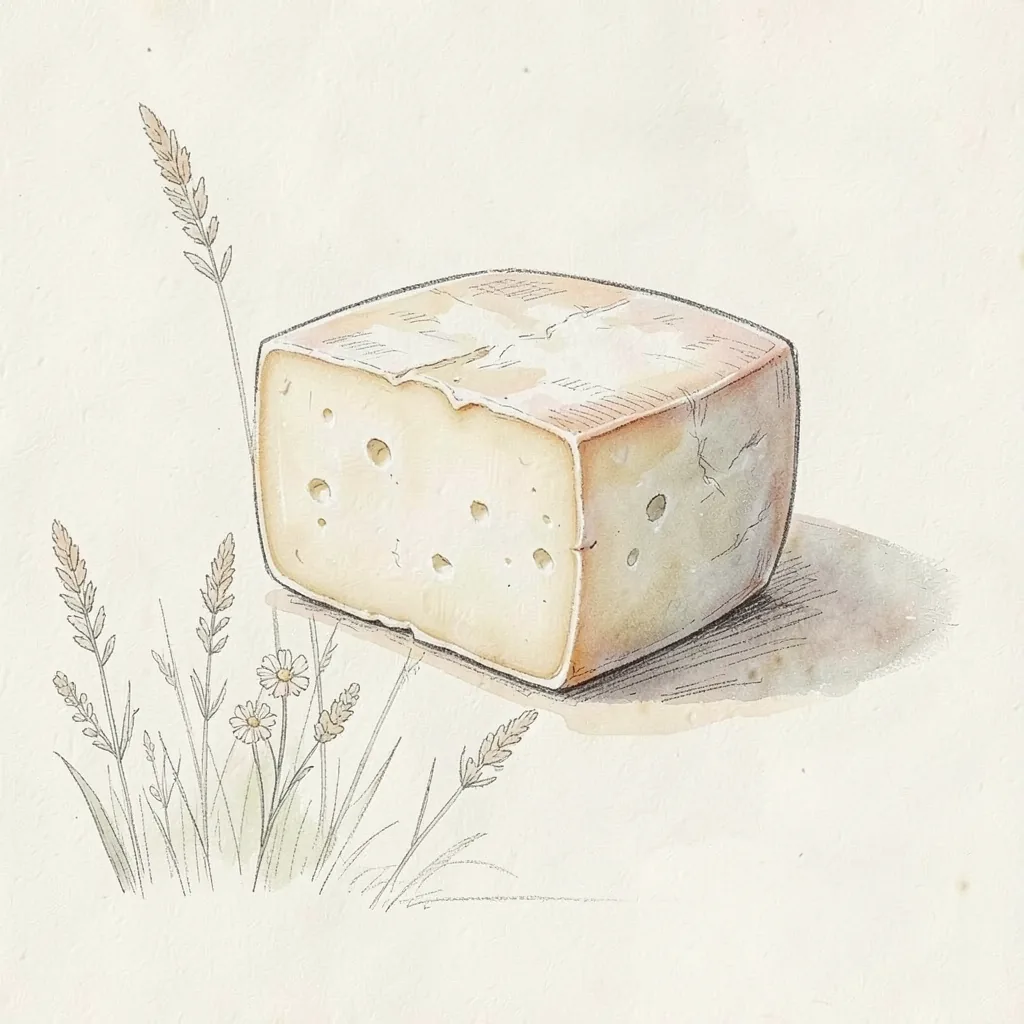
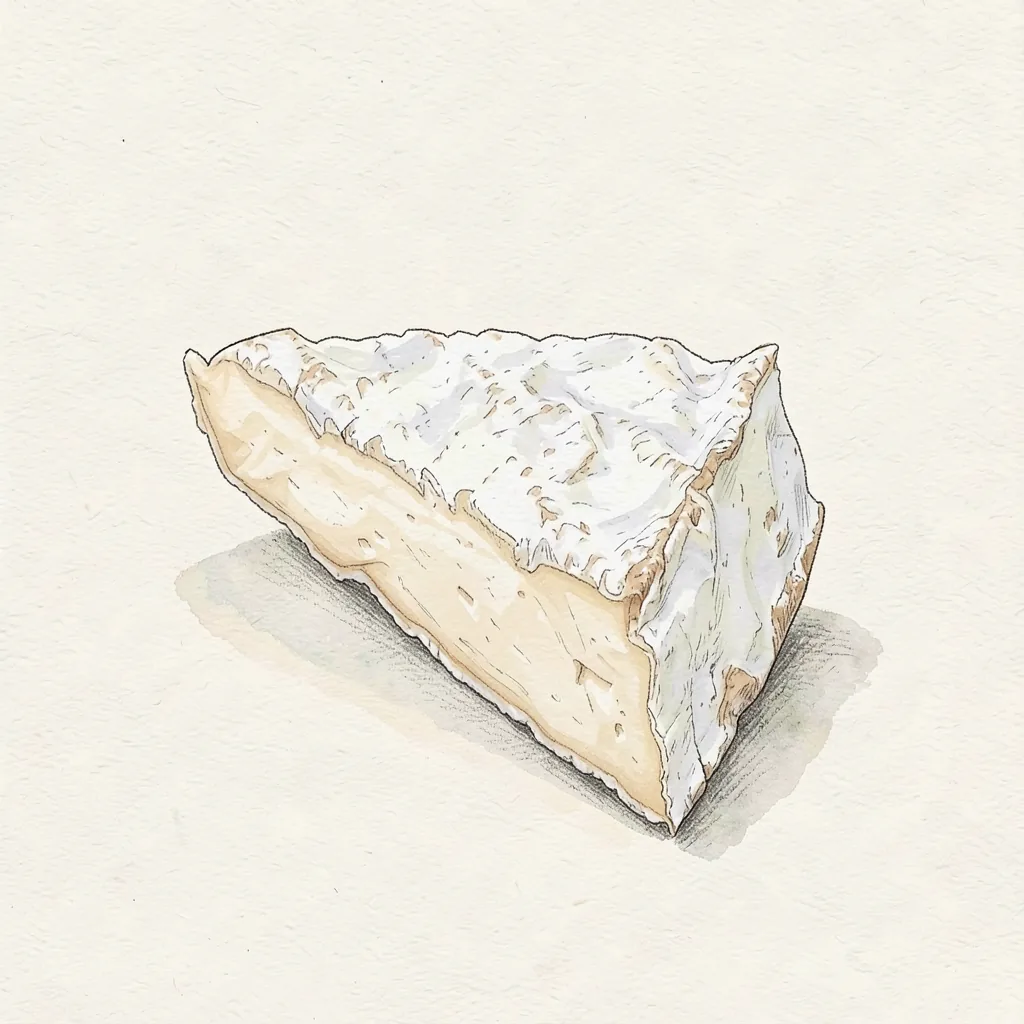
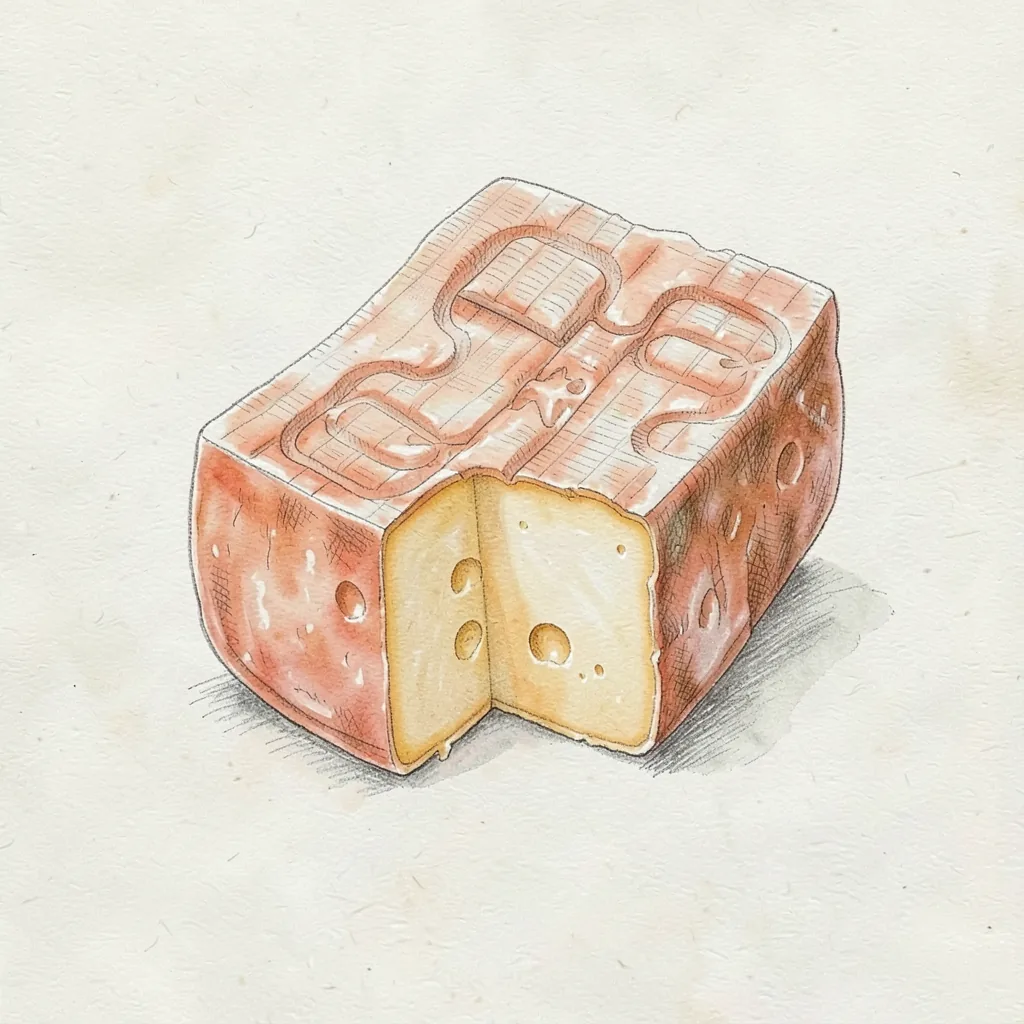
The paste is creamy and pale, and many pieces wear a thin white rind. A very young one tastes fresh and lactic, with a bright mild tang. A slightly older one tastes richer, with a gentle mushroom note from the rind. The name covers a family of cheeses rather than one single recipe, so two packs can differ.
Italy eats it as a table cheese, a spread, and a light cooking cheese. It is mild enough for bread and fruit, and soft enough to spoon once it ripens. It is not a hard grater and not a salty brine cheese. Because the milk and the ripening vary by maker, the label on the pack matters more than the word alone. Expect a small cheese with a gentle flavor and a tender body.
History
Soft fresh cheeses have a long place in Italian dairy work, and Robiola grew inside that habit. Farmers made small cheeses that could be eaten soon, without a long aging room or a heavy press. Over time the name came to mean a tender cheese of that small size, whether the piece was almost fresh or lightly ripened. No one town holds the whole story. Dairies in more than one part of Italy still use the word for a small soft cheese.
A young Robiola shows only a faint coat, and a riper one has a clearer white bloom on the surface. Shoppers abroad usually meet the bloomy style in a paper wrap, ready for a cheese board. In Italy you can also find softer, wetter pieces meant to be eaten quickly. The shared idea is a small, rich, mild cheese, not a wheel for a cellar. Age changes the spoonability more than it changes the name.
How it is made
Milk is cultured so it sets gently, often with little rennet and with no hard press. The curd is ladled into small molds, and whey drains by gravity until the cheese can hold a soft shape. Salt goes on the surface or into the curd. At this stage the cheese is moist, mild, and still very pale. Some makers move it to sale while it is still bright and fresh, before a full rind develops.
Others let a white mold bloom on the outside for a short ripening. The rind stays thin, and the paste under it turns creamier and softer. There is no brine wash, no blue veins, and no wax coat. Timing changes the result more than any spice does, because Robiola is usually left plain. A piece that slumps and smells clean and mushroomy is ripe, while a sharp ammonia smell means it has gone too far.
Taste
A young Robiola tastes of fresh cultured milk, with a soft tang and a little sweetness. The paste is smooth and moist, and it can be slightly grainy if it was only lightly drained. Salt is moderate, not sharp, so the finish stays gentle. There is no bitter rind at this stage and no strong fermented punch. Fruit, honey, or plain bread all sit easily beside it because the cheese does not fight those flavors.
With a white rind, the taste gains a gentle mushroom note and a softer, more buttery center. The rind is edible, and it is milder than the rind of a very ripe soft cheese. The finish stays clean rather than spicy or salty. If the center is still chalky, the cheese is young. If the center is glossy and spoonable, it is ready to spread, and both stages are normal for this name.
In the kitchen
Put Robiola on a board with bread, pears, or a little honey. At room warmth it spreads with a knife, so one small cheese can be a snack for one or two people. Torn pieces can go into a salad of leaves and nuts, where the mild paste contrasts with something bitter or crisp. It does not need a heavy dressing. Olive oil and a pinch of pepper are enough to finish the plate.
Warmth melts it only in the soft sense, not into long strings. A short time in a moderate oven can loosen the center inside a small rind, or you can spoon it onto warm vegetables. High heat can split the paste and make it oily, so treat it gently. It is a poor choice when a recipe needs a stretchy melt. Use it where creaminess matters, and keep a cut piece covered so the surface does not dry.
Around the world
In Italy, Robiola is both an ordinary pleasure and a cheese-shop cheese, and the small size fits a single meal. Exporters pack the firmer bloomy versions so they can travel without collapsing. A very soft wet version is more of a local buy, because it does not like a long trip. Supermarkets abroad may stock one wrapped example and treat it as the whole category. That pack is a real example of the style, not every Robiola that Italy makes.
People sometimes confuse Robiola with stracchino, and the two soft Italian cheeses can overlap in the kitchen. Stracchino is often sold younger and a bit flatter in flavor. Taleggio is softer and stronger, with a washed rind and a more savory aroma. A mild brie can stand in when you need a white rind wedge and cannot find Robiola. Read the pack, because the same word can hide a fresher cheese or a riper one.