Cow
What it is
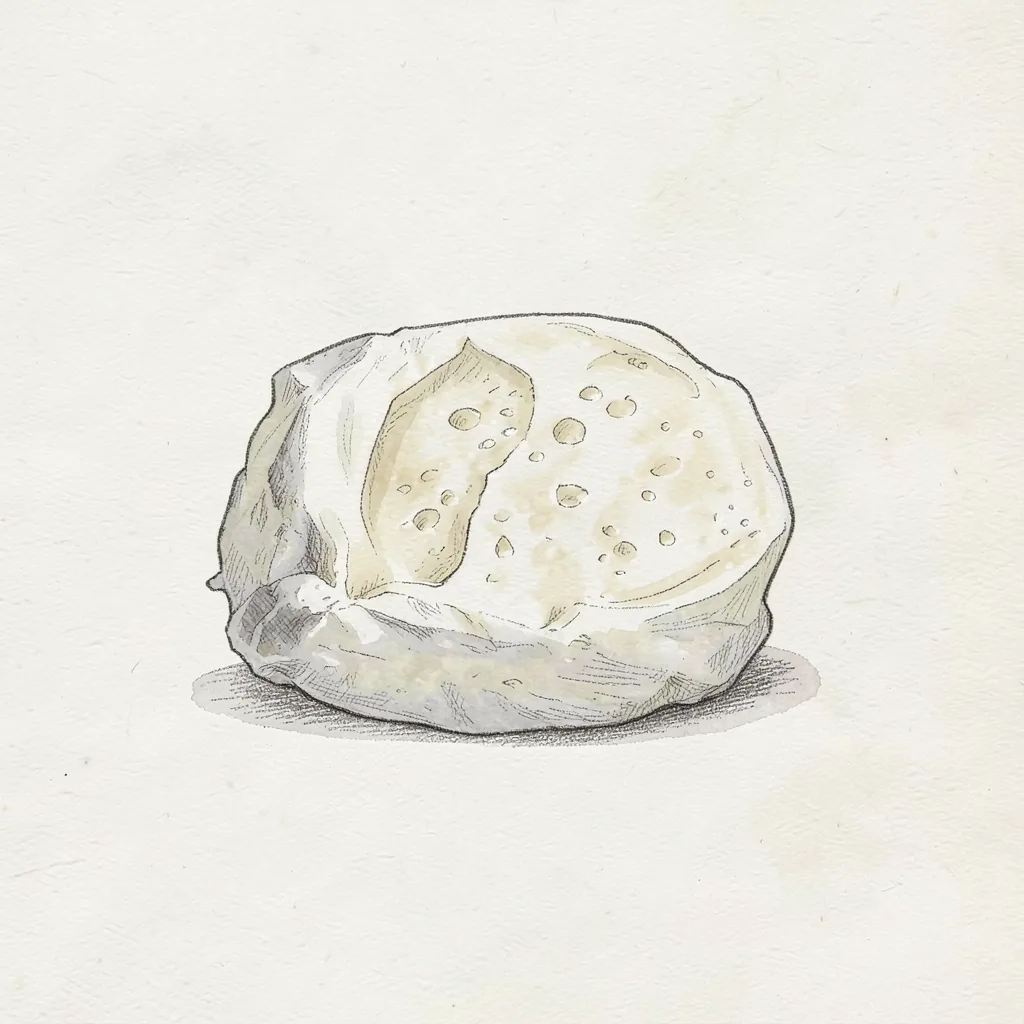
The paste is pale, moist, and creamy, and most pieces have no real rind. Crescenza is the freshest form of the same family, and shop labels often use the two names for one product. It is a spreading cheese rather than a long-aged wheel. The usual taste is mild, milky, and a little tangy.
Buyers find it in squares or small blocks in Italian delis and in many supermarkets abroad. The texture stays spoonable when it is cold, and it softens further at room temperature. It belongs with fresh cheeses, not with firm grating cheeses. A clean dairy smell is normal, and a sharp or bitter smell means the piece is past its best. Keep it chilled and eat it soon after opening.
History
Stracchino is an old Italian fresh-cheese tradition, and the name is still used for a soft cow's milk style. One folk explanation links the word to tired cows after the seasonal move from high pasture. Another links it to the way the curd is drained. Neither story is proved, and both are only guides to the name. What is clear is that the cheese was made to be eaten young.
Over time the word came to cover several other soft Italian styles, and crescenza became the name for the youngest and most spreadable one. Makers still sell both names, and shoppers treat them as close cousins. The cheese never needed a long cellar life, so it stayed a local daily food. Modern dairies now send it far beyond Italy, and the plain fresh version is the one most people mean. Stronger relatives in the wider soft-cheese group are not the same product.
How it is made
Dairies start with whole cow's milk and warm it enough for cultures and rennet to set a soft curd. The curd is cut gently and drained, and it is not cooked hard or pressed into a dense wheel. Salt is light, and the goal is a moist paste. Fresh crescenza is held only briefly so the body stays spoonable. A slightly older stracchino may form a thin skin, and that skin is still tender.
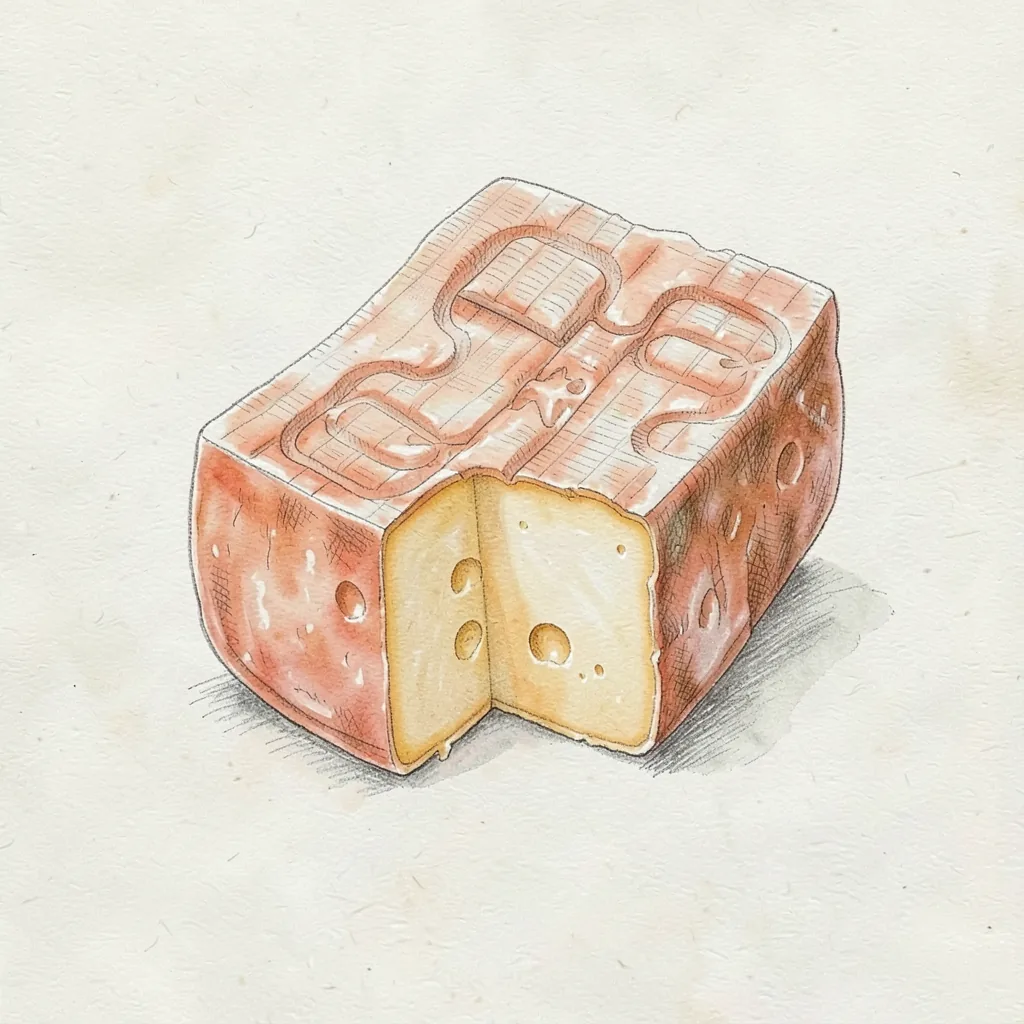
The cheese is shaped in square or rectangular forms, and the surface is left plain. There is no washing, no wax, and no mold rind on the usual fresh piece. Milk may be pasteurized in large dairies, and some small makers still use raw milk. Either way, the cheese is kept cold from the dairy to the shop. A warm display will make it weep and turn sour, and that is a storage fault rather than a style.
Taste
The flavor is sweet milk first, and a gentle lactic tang comes after. Butter and fresh cream are the usual comparisons, and there is little salt on the finish. The paste is glossy, soft, and a bit sticky on the knife. It does not have eyes, crystals, or a sharp bite. If the piece tastes yeasty or bitter, it has gone too far.
Crescenza is the mildest and loosest, and a stracchino held a little longer tastes fuller. The difference is small, and both stay in the fresh range. Cold cheese tastes flatter, so a short rest out of the fridge helps. Spread a little on bread and the tang shows more clearly than it does from the tub. The smell should stay clean and dairy-like.
In the kitchen
Stracchino is a breakfast and snack cheese in Italy, and bread is the usual partner. It spreads like a soft cream, so it works on toast, crackers, and flatbread. A pinch of salt, black pepper, or honey is enough, and it does not need a strong garnish. It also sits well next to ripe fruit or a simple salad. Do not expect it to grate.
Heat melts it quickly, and a thin layer on warm polenta, pizza, or flatbread is a common use. It can enrich a pasta sauce or a vegetable bake, but a long boil makes it oily and bland. Fold it in at the end and keep the heat gentle. It is a poor choice for a cheese board that needs slices that hold a shape. For that role, pick a firmer cheese and keep stracchino for spreading.
Around the world
Outside Italy, stracchino appears in Italian shops and in some larger grocery stores, usually under the crescenza name as well. It is less famous than mozzarella or ricotta, and many buyers meet it first on a sandwich menu. The cheese travels only if it stays cold, so it is not a market-stall cheese in hot weather. Packs are small because the cheese is meant to be finished quickly. Look for a clean white paste and a sealed pot or wrapper.
Cooks abroad use it where a recipe asks for a mild soft cheese that spreads and melts. Taleggio is a relative with a washed rind and a stronger smell, and it is not a straight swap in a cold sandwich. Squacquerone is closer when the dish needs a very loose texture. If neither is on the shelf, a plain soft cow's milk cheese can fill a cooked dish. The fresh Italian character is still worth seeking when the label is clear.