What it is
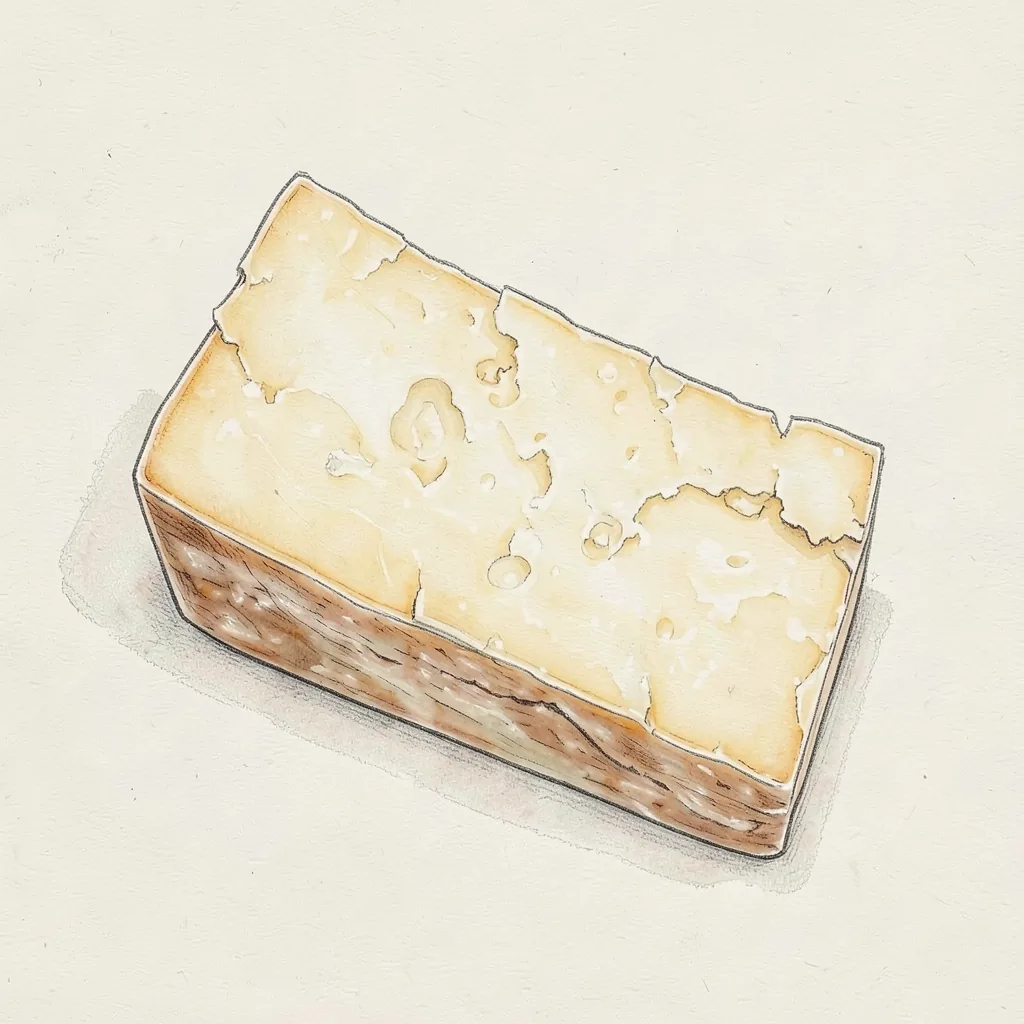
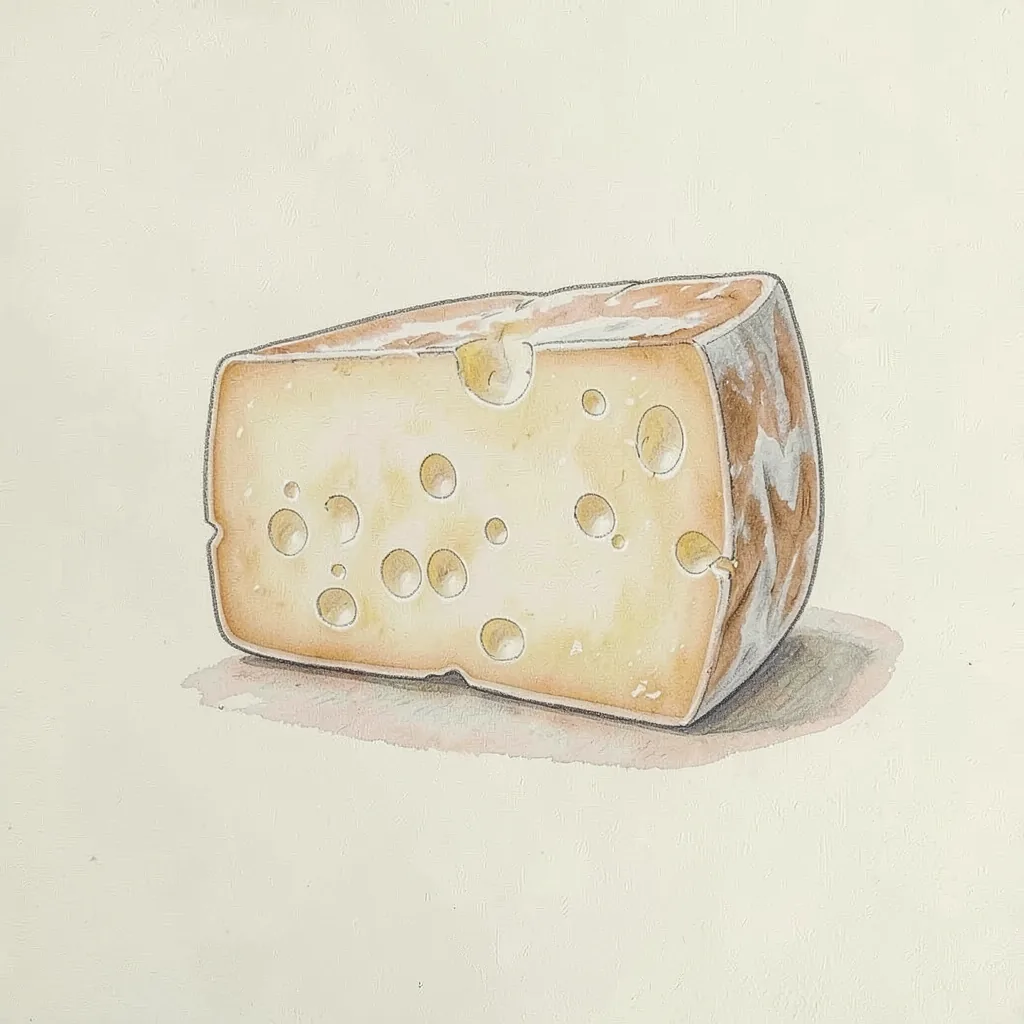
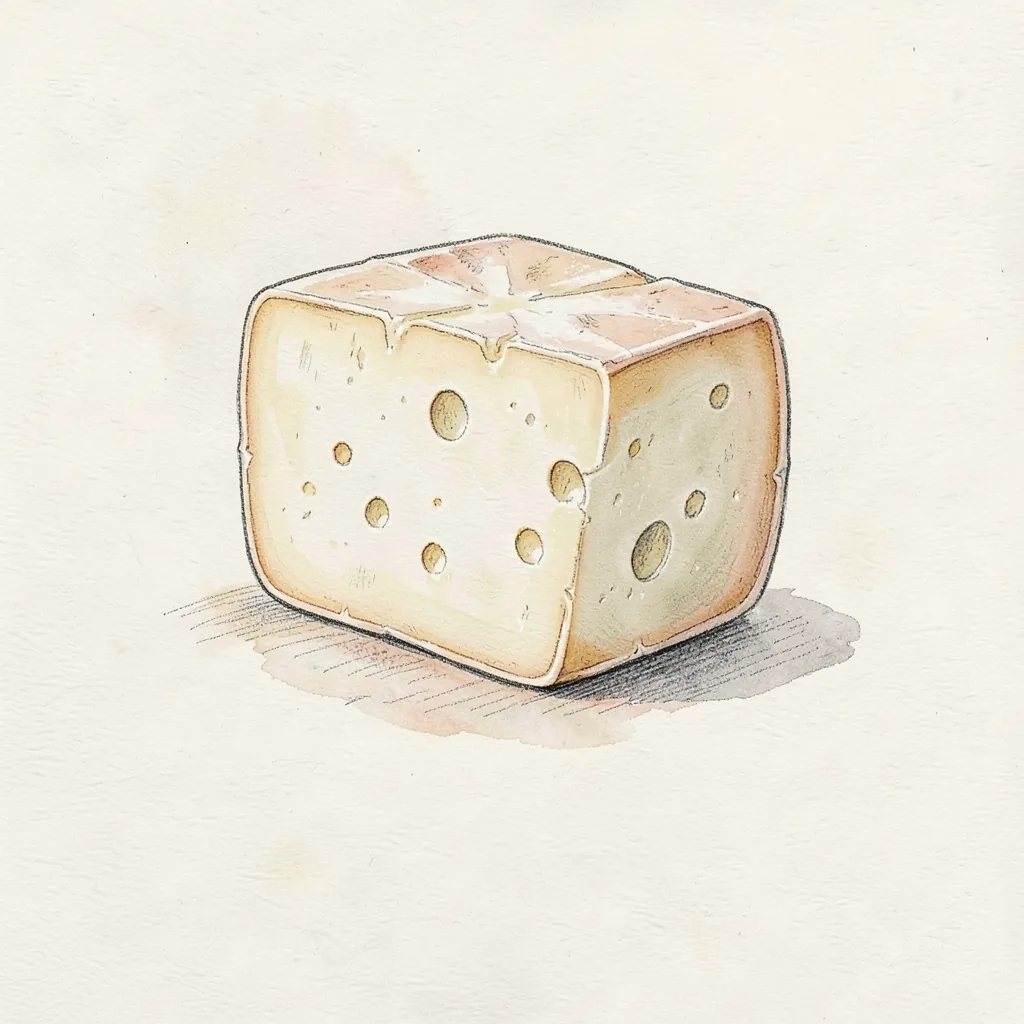
The Arabic name means Roman, but the cheese is Egyptian, not an Italian import with a borrowed label. Wheels are large and pale to deep yellow, with a salty taste and a pungent smell that grows as they age. Some batches include peppercorns in the paste. People eat it in thin slices at breakfast and grate the older, drier pieces over food.
Gebna rumi is the local name, and Ras is another name used in parts of the Arab world. A young wheel is milder and a little more supple, so it slices cleanly for bread. An older wheel turns drier, saltier, and more crumbly, and the flavor can feel peppery even when no pepper was added. It is not the soft fresh cheese of Egypt, and it is not a white block kept in a light brine. Shops sell it in wedges and in packed slices.
History
Hard salted cheese has a long place in Egyptian cooking, and Rumi is the name people use when they want that sharp style. The Roman word in the name points to a firm cheese style, not to a foreign dairy that still produces this wheel. No single firm owns the name. Creameries across Egypt make it, and the age of a wheel matters more than a logo on the pack. Two pieces on one counter can taste quite different if one is young and the other is old.
The cheese stayed a domestic staple while softer Egyptian cheeses filled other roles at the table. Breakfast tables, grocery counters, and packed slices all carry it, which kept the name familiar at home. Export is more limited, so many eaters abroad meet Rumi only in a Middle Eastern shop. Alternate spellings such as Roumi and Roomi appear on those packs and refer to the same cheese. The story to remember is simple: an Egyptian hard cheese, salty and pungent, sold at more than one age.
How it is made
Traditional makers start with full-cream milk and do not add a starter culture. Rennet sets the curd, the curd is cut, and a gentle heat helps it firm before the whey drains away. The curds are then pressed into large rounds that become the familiar wheels. Salt goes in by dry salting or by a strong brine, and peppercorns may be mixed into some batches. The wheels then age until the paste opens slightly and the flavor turns sharp and pungent.
Time is the main variable after salting, and it changes the cheese more than any spice does. A shorter age leaves a firmer but milder cheese that still slices in long pieces for bread. A longer age dries the paste, raises the salt impression, and builds the pungent aroma Rumi is known for. The wheels are large, so vendors cut them for retail rather than selling only whole discs. Modern packs may be slices in sealed bags, but the hard yellow paste remains the sign of the cheese.
Taste
Salt and a sharp aroma define Rumi, and both depend on how long the wheel has aged. A newer wheel tastes tangy and savory, with a firm bite that slices cleanly and still has some moisture. An older wheel is drier and more intense, sometimes with a peppery edge and small crunchy spots from the salt. Added peppercorns make that edge obvious rather than subtle. The paste is not creamy like a soft washed rind, and it finishes salty on the tongue.
The smell can be pungent enough to surprise a first-time buyer, and it matches a hard salty cheese rather than a spoiled soft one. Color deepens from pale yellow toward gold as the wheel matures. A good piece tastes cleanly sharp, not soapy and not moldy. Texture moves from sliceable to crumbly, which is the easiest clue to age when the label is vague. Choose a younger wheel for a mild nibble, and choose an older one when you want force for grating.
In the kitchen
Thin slices of Rumi are a breakfast food in Egypt, eaten with bread and often tucked into pita with vegetables. Grated cheese goes over eggs, baked vegetables, and savory pies where a sharp salty note is useful. It can soften and melt once it is grated fine, but it does not stretch into strings. Very old pieces are better as a grate or a crumble than as a thick sandwich slice. Pair the cheese with tomato, cucumber, and olive oil rather than with a sweet dessert.
Because the salt level is high, taste the cheese before you season the rest of the dish. A little grated Rumi can take the place of another salty hard cheese in a casserole, while a thick slice is better eaten plain. It is not a spreading cheese, and it is not a cheese you grill in a steak-sized slab. Cubes on a shared plate work when the wheel is not yet extremely dry. Store the wedge wrapped, and expect the aroma to remain strong in the refrigerator.
Around the world
Outside Egypt, Rumi is less known than many European hard cheeses, but Middle Eastern grocers sometimes stock it as Rumi, Roumi, or Ras. Cooks compare it with firm salty cheeses such as kashkaval, and that hint helps in the kitchen. Kashkaval remains a different cheese, so the match is practical rather than exact. Domiati, the other famous Egyptian cheese, is softer and kept in brine, so do not swap the two blindly. If a label says Ras, treat it as this hard cheese.
Diaspora shops in Europe and North America are the usual place to find a wedge, often beside other Egyptian dairy foods. Supermarkets without that section rarely carry it. A firm grating cheese or kashkaval can stand in when Rumi is missing, though the flavor will not match. Do not substitute a mild white brine cheese and expect the same result. Rumi's role is the salty hard cheese of the Egyptian table, and that role travels with cooks who know it.