What it is
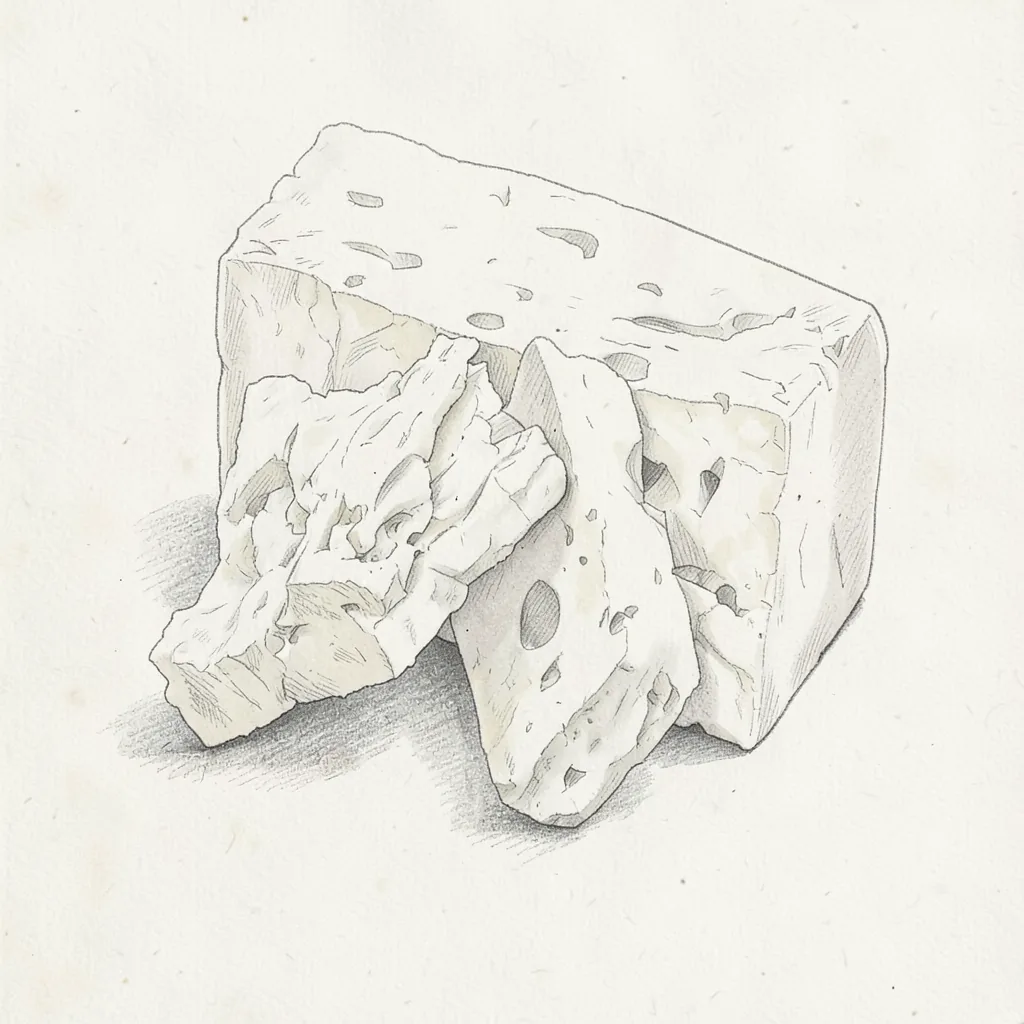
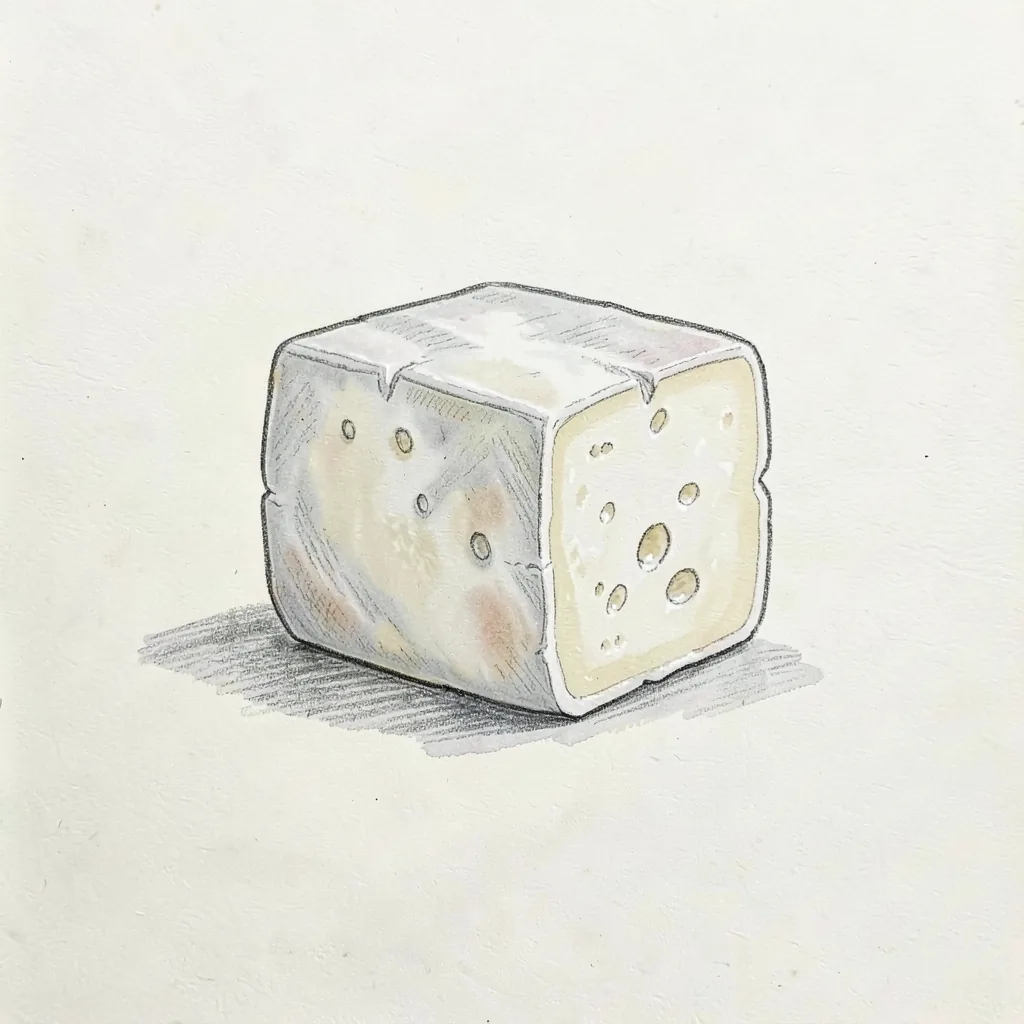
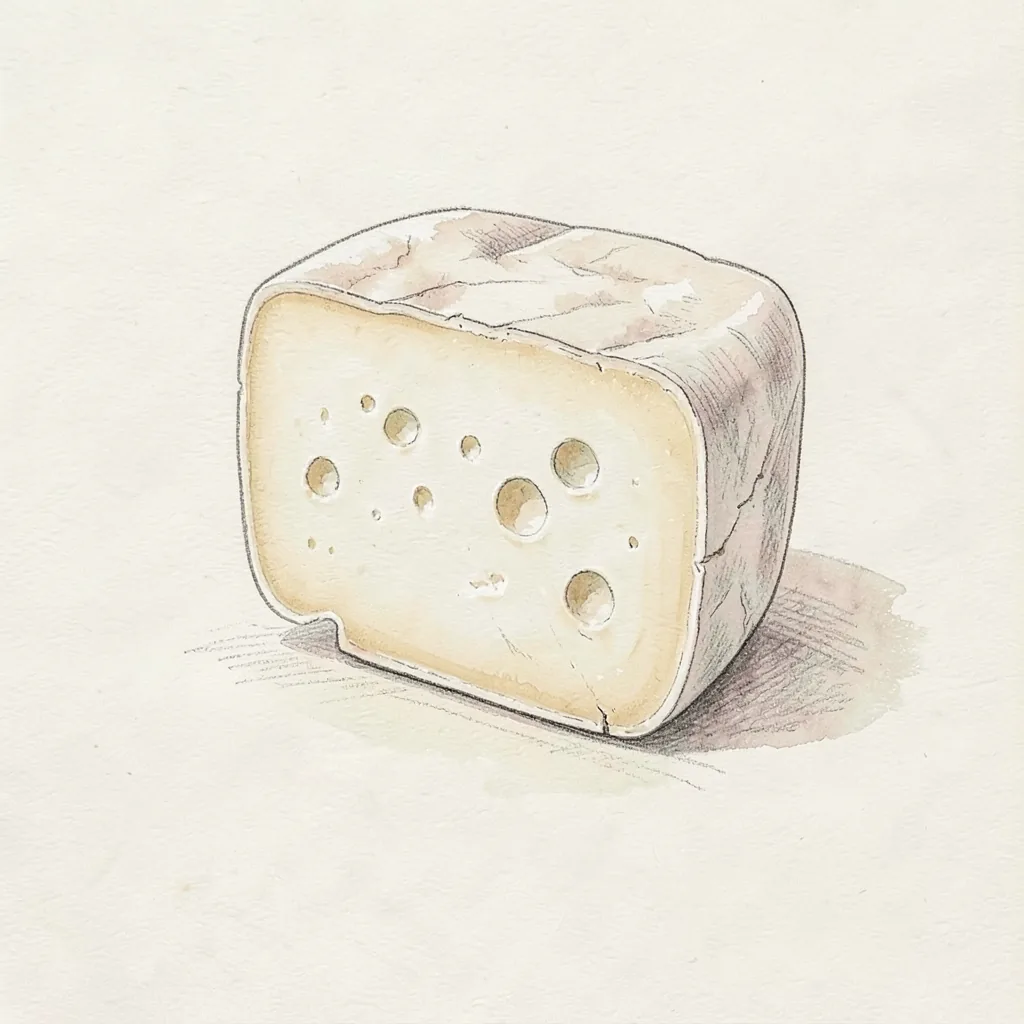
It has no rind, and the paste ranges from creamy to a little crumbly as it sits in that salt. Egyptians eat it as an everyday cheese, at breakfast and in simple cooked dishes. Fresh pieces taste milder, while cheese held longer in brine grows sharper and firmer. The name is the one to seek in Egyptian and Arab grocery shops.
Salt is not an afterthought here, and it shapes both the taste and the way the cheese is kept. Makers work salt in early, which helps the cheese last in a hot climate and gives the familiar bright bite. A very fresh piece can seem almost spreadable on bread. A piece stored longer slices or crumbles and tastes more pickled. Both are Domiati, and you should cook or serve it according to the texture in the tub.
History
Domiati is one of the old white cheeses of Egypt, made to be eaten fresh or stored in its salty liquid. The early salt is the practical heart of that history, because it let households keep cheese where cool storage was scarce. Arabic speakers know it as gebna domiati, and English labels usually keep the name Domiati. The cheese belongs to Egypt as a country, not to one hidden dairy. It remains a staple rather than a rare festival food.
Home production and small dairies carried the cheese for generations, and larger makers now sell it in tins, tubs, and brine. No single founder owns the method, and none is required to explain a cheese this common. What stayed constant is the white paste, the salt, and the lack of a rind. Some batches are eaten within a short time, and others are left in brine until the flavor deepens. That range is traditional, not a modern trick.
How it is made
The distinctive step is salting the milk before the curd is set, which is unusual among cheeses. Rennet then forms a soft curd in that salty liquid. The curd is drained in molds or cloth until it holds together as a white mass, without pressing into a hard wheel. There is no rind treatment, no wash, and no bloom. The cheese may be eaten soon, or packed in brine or whey to keep.
Storage is part of the making, not only a shop detail. Cheese left in brine slowly firms and takes up more salt, and the flavor grows sharper. Cheese sold very fresh stays softer and milder. Makers adjust the salt to the batch, but a low salt Domiati would be a different food. What you should see is a white paste without holes from blue mold, packed wet rather than as a dry wheel.
Taste
Fresh Domiati tastes milky, salty, and lightly tangy, with a clean dairy aroma. The salt is the first impression, then a soft acidity. The texture can be tender and moist, closer to a slice that bends than to a hard crumb. It should not taste soapy or bitter. A sour smell that seems rotten, rather than pickled, means the pot is past use.
Cheese that has rested in brine tastes saltier, sharper, and more pickled. The paste may crumble instead of spread, and the flavor lingers longer. Some people find that stage better with bland bread, tomato, and cucumber, which cool the salt. It is not a sweet cheese, and it is not spicy from added pepper. Compare it with feta only as a cousin, because the early salt and the Egyptian style are its own.
In the kitchen
Domiati is a breakfast cheese in Egypt, set on the table with bread, tomato, cucumber, and olives. Crumble the firmer pieces over salad, or tuck slices into a sandwich. Very fresh cheese can be spread when it is too soft to cube. It also goes into savory pastries, where the salt seasons the filling. Rinse a very salty piece briefly if a dish cannot take the full brine.
In cooking, the cheese can be fried until the outside colors, or baked inside a pastry until soft. It does not melt into long strings, so do not use it where you want a stretchy pull. Because it is salty, cut back other salt in the recipe. Pair it with mild foods such as egg, potato, or plain rice if you want the cheese to stand out. Keep unused pieces in their brine, in the cold, or they dry and harden.
Around the world
Outside Egypt, look for Domiati in Middle Eastern and Egyptian groceries, often in tins or tubs of brine. The name is less known in ordinary supermarkets than feta, even though both are white and salty. Akkawi and beyaz peynir are other brined white cheeses that shoppers may grab by mistake. They can fill a salad role, but the salt level and the texture will not match every time. Read the label, and choose the Egyptian name when the recipe is Egyptian.
Domiati is a national cheese of Egypt, and similar white cheeses exist across the eastern Mediterranean without sharing this name. A cook abroad can use feta in a salad if Domiati is absent, then adjust the salt. That swap is practical, not perfect. The early salting and the soft white paste are what make Domiati itself. If a tin smells clean and the paste is white and moist, you are in the right family of food.