Cow
What it is
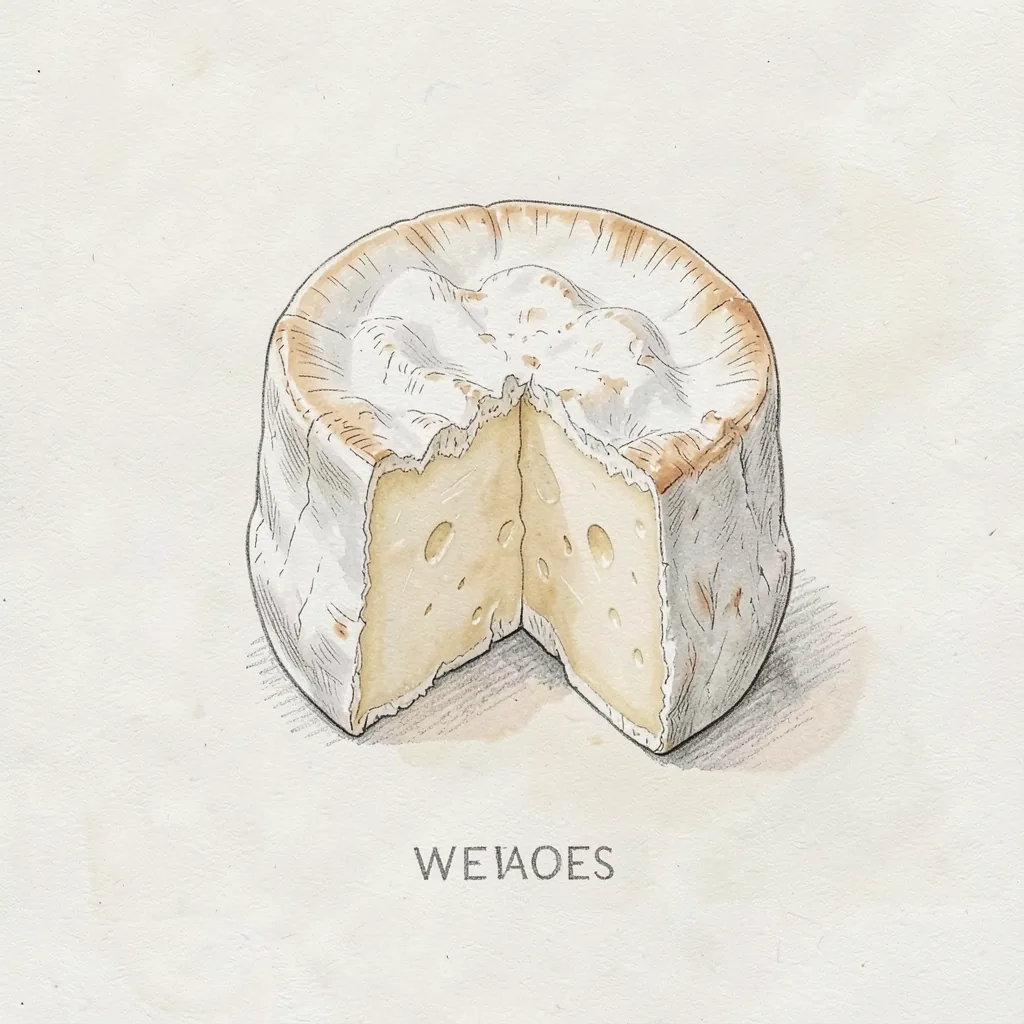
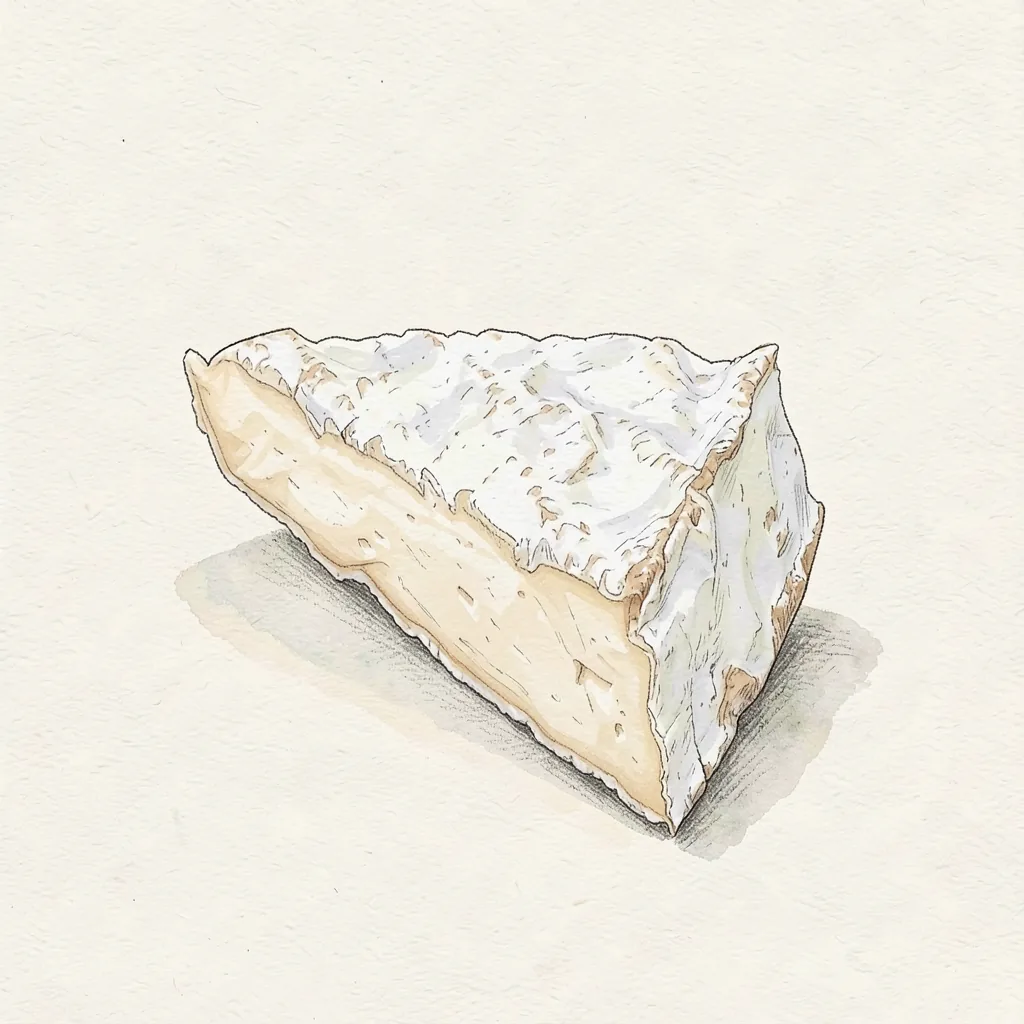
Kyodo Gakusha Shintoku Farm makes it, and the name means cherry blossom. A white bloomy rind covers a creamy interior, and salted cherry blossoms and cherry leaves give the cheese its floral note. The piece is small and meant for the table. It is a Japanese soft cheese in the bloomy family, not a washed rind cheese or a hard alpine wheel.
The farm uses Hokkaido milk and finishes the cheese with sakura, so the flower is part of the product rather than only a picture on the label. The paste is mild, smooth, and a little sweet, with a gentle salt from the preserved blossom and leaf. It is best when the center is soft and the rind is still fresh and white. Treat it as a delicate table cheese. A large cooking project is the wrong job for such a small, floral piece.
History
Sakura cheese was created at Kyodo Gakusha Shintoku Farm in Hokkaido, a dairy that set out to make cheese with a Japanese character. The makers took the soft white rind format familiar from France and added cherry blossom, a flower with a clear meaning in Japan. The result was not a copy of one European name. It was a small bloomy cheese built around a local flower and local milk. The farm still produces it as one of its own cheeses.
The cheese became one of the farm's best known pieces and helped put a Japanese farm cheese in front of tasters abroad. Shows and fairs gave it an audience outside Hokkaido, but the make stayed at the same farm. There is no wide set of licensed copies under the name. When you see Sakura cheese, the farm and the blossom are the points that matter. Other Japanese soft cheeses may look similar and still lack the cherry leaf and flower.
How it is made
Cow's milk from the farm is set into a soft curd for a bloomy cheese. The curd is drained in small molds until it holds a low, round shape. White mold grows on the surface so a tender rind forms. Salt seasons the paste. Salted cherry leaves and cherry blossoms are added as the cheese is finished, often with a blossom against the top and leaves against the cheese.
Ripening stays short, because the goal is a supple center and a fresh floral aroma, not a strong, runny aged rind. The cheese is handled as a small batch product from one farm. It is not pressed into a hard paste, and it is not washed for a sticky orange coat. After the rind blooms and the blossom note settles in, the cheese is wrapped for sale. Keep it cold and eat it while the flower scent is still gentle.
Taste
Sakura cheese tastes creamy, lightly sweet, and mildly acidic, with a soft salt note. The cherry blossom adds a floral scent that stays faint rather than perfumed. Cherry leaf can bring a gentle green, almost herbal edge. The rind is edible and milder than a very ripe bloomy cheese. The paste is smooth and should not taste bitter or sharply harsh, and cream and flower should stay in balance.
Compared with a strong Camembert, the flavor is quieter and more delicate. Butter and fresh milk lead, and the flower follows. A cold piece hides the aroma, so let it warm before you taste it. If the rind has dried out or the paste smells harsh, the cheese is past its best. The pleasure is in that balance, not in a long spicy finish, and one small piece is usually enough to show what the cheese is.
In the kitchen
Serve Sakura cheese on a small board with plain bread, rice crackers, or a few mild fruits. It also suits a quiet drink such as sake or a light white wine, because those do not bury the blossom. Spread a ripe piece on toast if the paste is soft. Do not grate it, and do not put it under a grill. Heat drives off the floral note and can turn the cream oily, so keep the plate simple.
In a meal, use it at the end or as a first plate, not as a melting cheese inside a casserole. A salad can take a few soft slices if the dressing is gentle and not very sharp. Pair it with cucumber or pear rather than with smoked meat or a hot chili. Wrap leftovers well and keep them cold. The flower and the rind both fade, or turn strong, if the cheese sits open for long.
Around the world
Sakura cheese is made in Hokkaido and is better known among cheese specialists than in ordinary export aisles. Travelers and mail order buyers seek it because few soft cheeses use cherry blossom in this way. It has been shown outside Japan and has drawn attention as a Japanese farm cheese, but supply stays limited to the one farm. A shop that carries Japanese cheese is the likely place to look. Read the label for the farm name so a different sakura flavored food is not mistaken for this cheese.
If you cannot buy it, a mild bloomy cow's milk cheese is the texture match. Camembert de Normandie or Brie will stand in for a soft white rind piece. Neither has the cherry leaf or the blossom, so the plate will miss the floral part. A pinch of salted sakura on the side is only a reminder, not the same cheese. For a recipe that only needs a creamy soft cheese, use the bloomy cow's milk cheese and drop the flower claim.