Cow
What it is
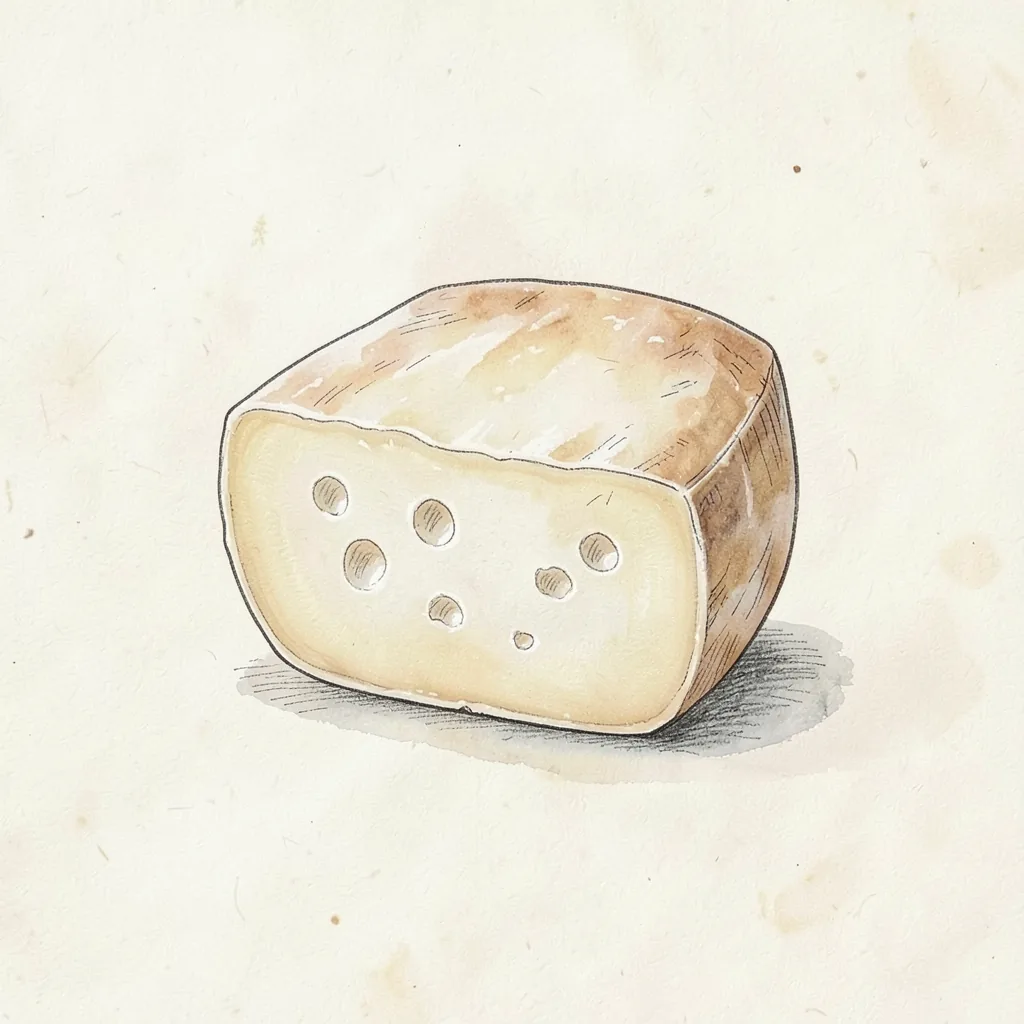
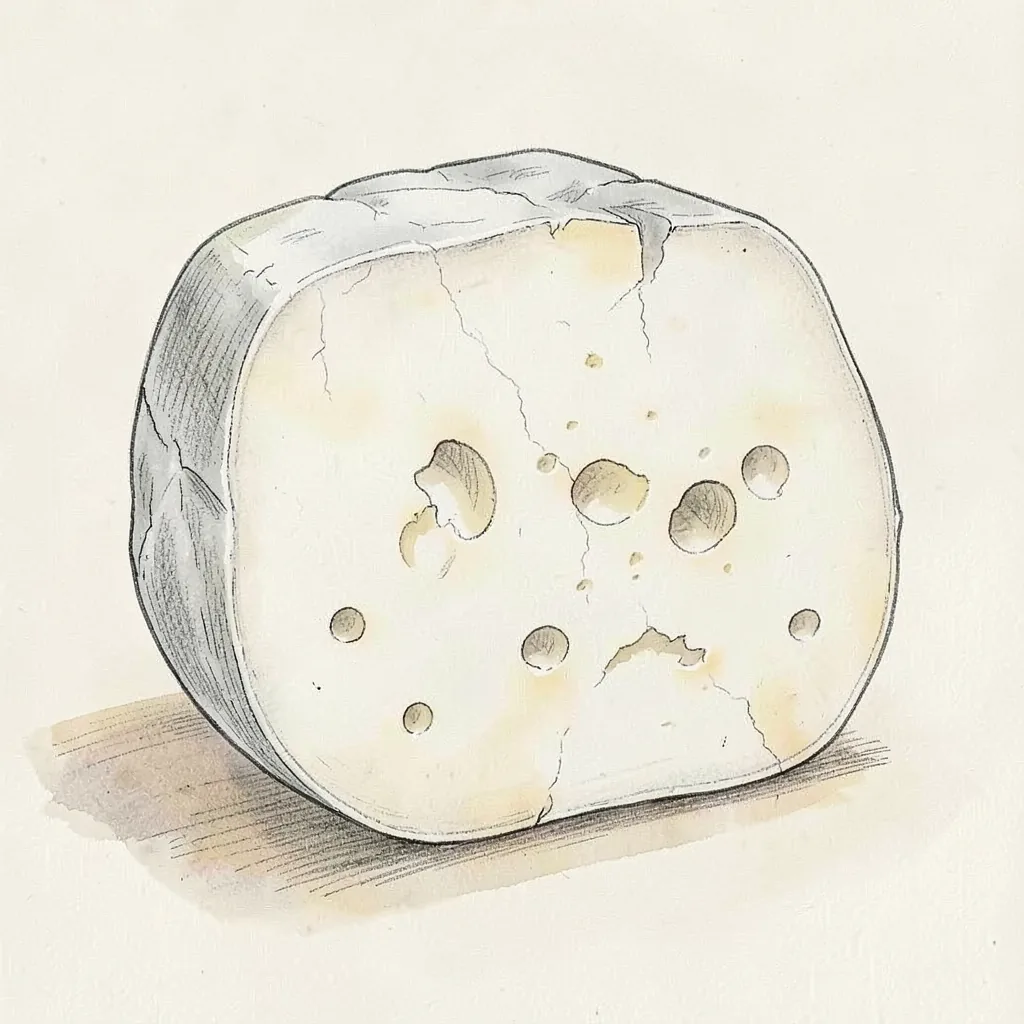
Herders and market sellers know it as a soft white cheese that is often shaped into rounds or balls. The curd is set with plant sap rather than with the rennet many European cheeses use, which gives Wagasi its own mild, milky character. It is an everyday food cheese, not a long-aged wheel with a thick rind. People fry it, simmer it, and add it to sauces.
Fresh Wagasi tastes gentle, lightly salty, and milky, with a springy bite that holds together in a pan. Some pieces are smoked or dried a little, and those taste deeper and firmer than a cheese sold the day it is made. The surface is bare, with no bloomy coat and no washed rind. In Northern Benin it shows up in markets as a cooking cheese that can be eaten soon after it is formed. A sharp blue or a hard grating cheese is a different food entirely.
History
Cheese making among herders in Northern Benin grew around milk that spoiled quickly in the heat. Wagasi is the local answer, a fresh cow's milk cheese set with the sap of a local plant and formed by hand. The method traveled with herding life, and similar fresh cheeses appear under other names in nearby countries. Wagasi stayed a market cheese rather than a branded export wheel. Its story is practical, because it turns milk into food that can be carried, sold, and cooked.
Fulani women make the cheese and sell it, and that trade is still part of market life in Northern Benin. The cheese did not need a cave or a long cellar, because it is meant to be eaten fresh or cooked soon. Over time, cooks also fried and smoked it, so one batch could serve more than one meal. Written records are thin compared with famous European cheeses, and the knowledge stayed in daily practice. The names Wagasi and Wagashi both point to this fresh West African cheese.
How it is made
Fresh cow's milk is warmed, and sap from the plant Calotropis procera is stirred in to set the curd. That plant coagulant is the usual path, and animal rennet is not the heart of the method. Once the milk gels, the curd is gathered, kneaded, and shaped into rounds or balls. Makers often cook the formed cheese in hot liquid so the outside firms and the piece holds its shape. Salt may be added, but the cheese is not pressed under a heavy weight for a long age.
Some Wagasi is sold still soft and moist, and some is smoked over wood or left to dry until it is firmer. Smoking adds a darker surface and a savory smell without building a true rind. There is no blue mold, no white bloomy coat, and no long brine bath. Because the cheese is fresh, keeping it clean and cool matters, and it is not a candidate for a long cellar rest. Buy it from a trusted seller, and do not copy the plant-sap method at home.
Taste
Plain fresh Wagasi is mild, milky, and lightly tangy, with salt that stays in the background. The texture is soft but springy, closer to a fresh curd that has been cooked than to a creamy bloomy cheese. It does not crumble into dry shards, and it does not stretch into long strings. Smoked pieces pick up a wood note and taste a little fuller, while a very fresh piece is almost like warm milk made solid. The smell is clean and dairy-like when the cheese is sound.
Frying changes the eating more than the base flavor does. The outside browns and firms, and the center stays moist and mild, so you get contrast without a sharp cheese taste. If a piece sits too long and dries, it becomes chewier and less sweet. There is no peppery blue vein and no washed-rind funk in a typical piece. Bitterness means something is off, so eat or cook the cheese while the milk flavor is still pleasant.
In the kitchen
Wagasi is a cooking cheese, so fry slices until the outside is golden, or grill pieces so they soften in the pan. It can go into sauces, stews, and grain dishes, where it adds a mild dairy note and some body. Cube a fresh piece over vegetables if you want something gentler than a salty brined cheese. It will not grate like a hard aged wheel, and it will not melt into a glossy sheet. Treat it as a fresh cheese that likes heat.
Season it at the table, because the cheese itself is quiet and milky. Onion, tomato, chili, and herbs are common company in West African cooking, and they give the mild curd something to stand against. Smoked Wagasi can flavor a sauce the way a lightly smoked fresh cheese does, without tasting like a European washed rind. Keep unused cheese cool and covered, and use it soon. If the only job is a board of ripe aged wheels, Wagasi will feel out of place, and it belongs nearer the pan.
Around the world
Beyond Benin, Wagasi is less famous than the fresh cheeses of Europe, but related cheeses are known across West Africa. Wagashi is a common alternate spelling, and Nigerian warankasi is a close cousin made in a similar fresh style. Cooks who meet Wagasi abroad often find it in African markets rather than in a supermarket cheese case. The cheese travels as a food ingredient, not a luxury wheel. A shopper who wants it should ask for the fresh Beninese cheese, not for a blue or a bloomy round.
If Wagasi is unavailable, warankasi is the nearest swap, because it is another West African fresh cow's milk cheese set in a similar way. Halloumi is from another place, and it holds together in a hot pan when you need a mild cheese that browns. Paneer can cook in a similar quiet way, though the curd is not the same. None of those is a copy of the market cheese of Northern Benin. Use them only when the real Wagasi is out of reach.