Cow
What it is
The Yoruba name is also shortened to wara, a word tied to milk. Makers curdle fresh milk with an extract of the sodom apple plant, Calotropis procera, known locally as bomubomu. The curds are mild, moist, and usually eaten soon after they are formed. It is ordinary street food, not a long-aged wheel.
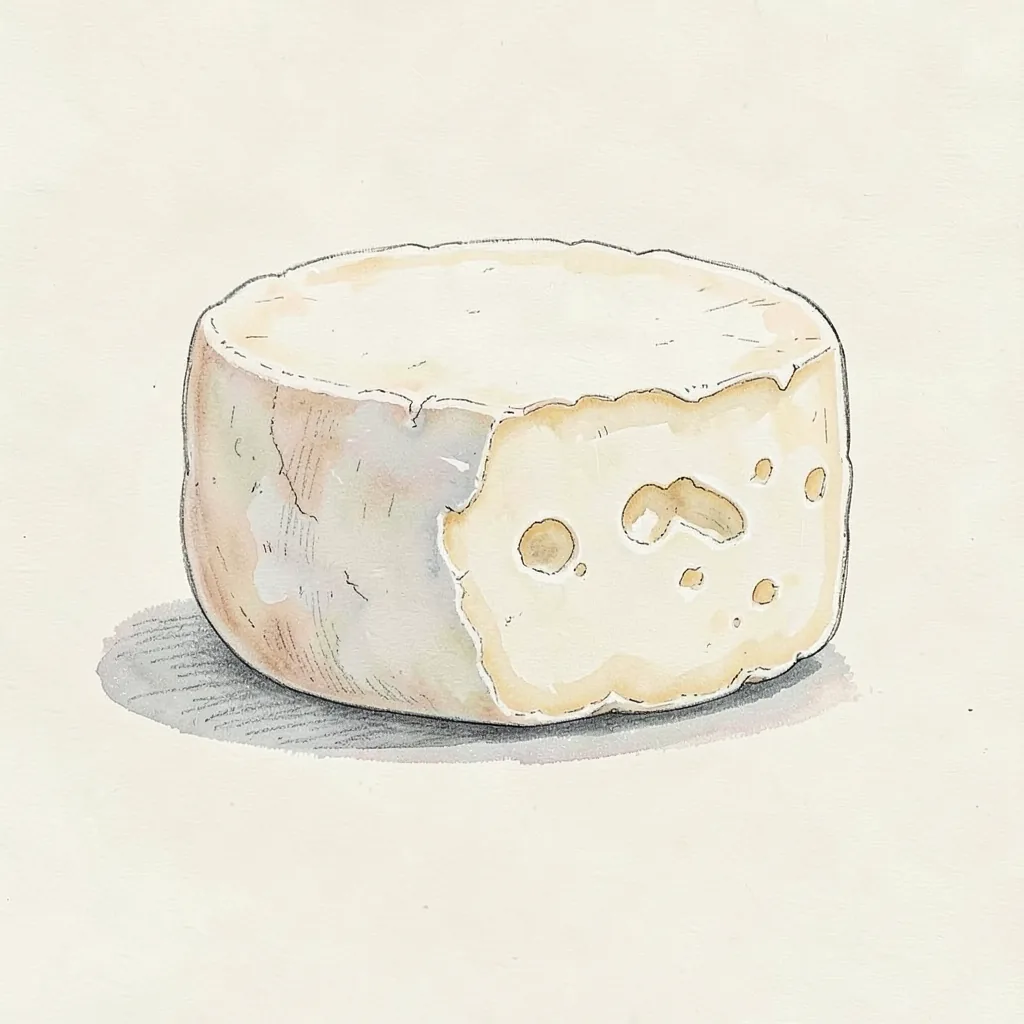
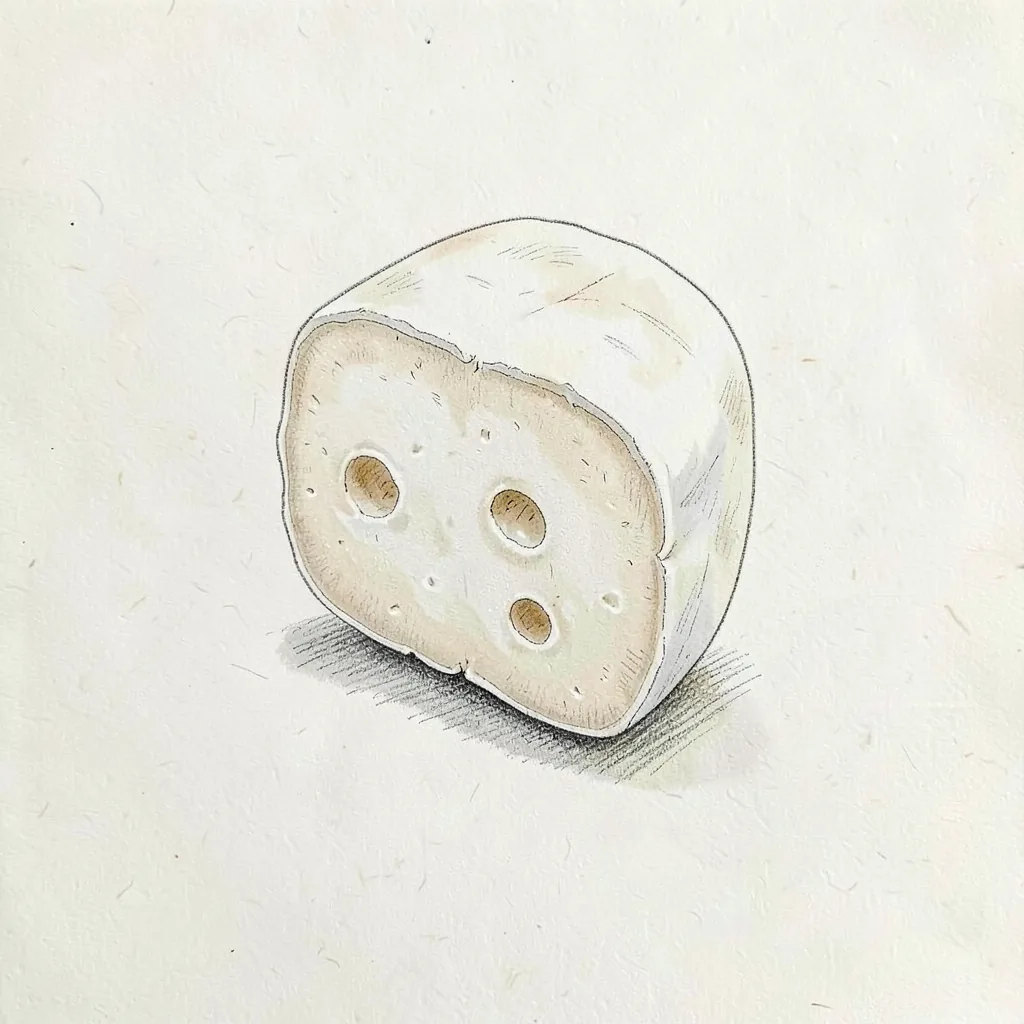
The cheese has no rind and no sharp salt crust. Pieces are often sold in their whey, sometimes from a calabash, while they are still soft. The texture is closer to a tender curd or a very fresh farmer's cheese than to a slice that bends. Some people compare a plain bite to cooked egg white. Salt, pepper, and a hot pan are what turn the mild curd into a snack with more flavor.
History
Wara belongs to Yoruba food in Nigeria, where fresh cow's milk was turned into curds for quick sale. The coagulant comes from a local plant rather than from animal rennet, which let makers work with the milk they had. The cheese was, and still is, a street food rather than a cellar product. Because it spoils fast in heat, it is made for quick sale rather than for storage. That habit explains why many people meet it fried at a stall, not wrapped for a long trip.
The same plant-set style of soft cheese appears under other names in West Africa. Wagasi, from Benin, is the cheese most often confused with wara. Both are fresh, cow's milk, and set with a plant juice, but they are not one product with two labels. In Nigeria the word warankasi can also be used loosely for cheese in general. When you want the local curd, look for wara made from cow's milk, not a packaged import that only borrowed the name.
How it is made
Fresh cow's milk is warmed in a pot. An extract from sodom apple leaves is added so the proteins clump and leave the whey. The curds are scooped out and drained, often in a woven basket that gives the pieces a soft shape. A little salt may go in, but many batches stay very mild. The whole making is short, which suits a cheese that will be eaten soon.
Some makers now curdle the milk with lemon juice or another food acid when the plant is not at hand. That still gives a fresh curd, but the traditional taste is tied to the leaf extract. There is no aging room and no repeated brine wash. The cheese may be left in whey so it does not dry on the stall. Once it smells sour in a harsh way, it is no longer the fresh food people expect.
Taste
Plain warankasi is mild, milky, and almost bland. The texture is soft and a bit springy, and a warm piece can remind you of egg white. Salt is not always built into the curd, so the first bite may seem unfinished. Pepper and a pinch of salt wake it up. A fried piece picks up a browned edge and tastes richer than the same curd eaten from the whey.
There is no blue vein, no strong washed-rind smell, and no sweet caramel note. If the leaf coagulant was strong, a faint bitter edge can show, but a good batch stays clean. The whey around it tastes lightly sour. Eat it while it is still fresh, because the flavor turns sharp as it sits in the heat. Cold leftover curds are still usable if the smell is pleasant and milky.
In the kitchen
Fry slices or small lumps in a little oil until the outside colors, then season them with salt and pepper. Vendors sell that fried cheese as a snack, sometimes with a pepper sauce. The curd can also go into a soup or a stew near the end of cooking, where it warms without falling apart completely. It is not a grating cheese and it is not a creamy spread. Fresh pieces can be eaten as they are if you like a very mild bite.
Pat the curds dry before frying, or the oil will spit and the crust will not color. Do not expect strings of melted cheese. The pieces hold a soft shape, more like paneer than like mozzarella. If the only wara you can find is very sour, use it in a highly seasoned stew rather than eating it plain. Keep unused curds cold and covered, and discard a batch that smells sour and yeasty.
Around the world
Warankasi is not a common export, so most people outside Nigeria meet it only if a West African shop or a home cook makes it fresh. Wagasi from Benin is the nearest cheese you are likely to see under another name. Paneer, queso blanco, and other fresh curds can stand in for cooking, especially for frying. They will not carry the leaf note of traditional wara. Read the label, because the Yoruba word is sometimes used for cheese in general.
If you substitute, match the use rather than the country. For a fried snack, paneer or halloumi holds together in the pan, though halloumi is saltier. Queso blanco is mild and soft and works in a hot pan. Wagasi is the closest in method and in taste when you can find it. Treat all of them as fresh cheeses, and do not swap in a hard grating cheese.