Cow
What it is
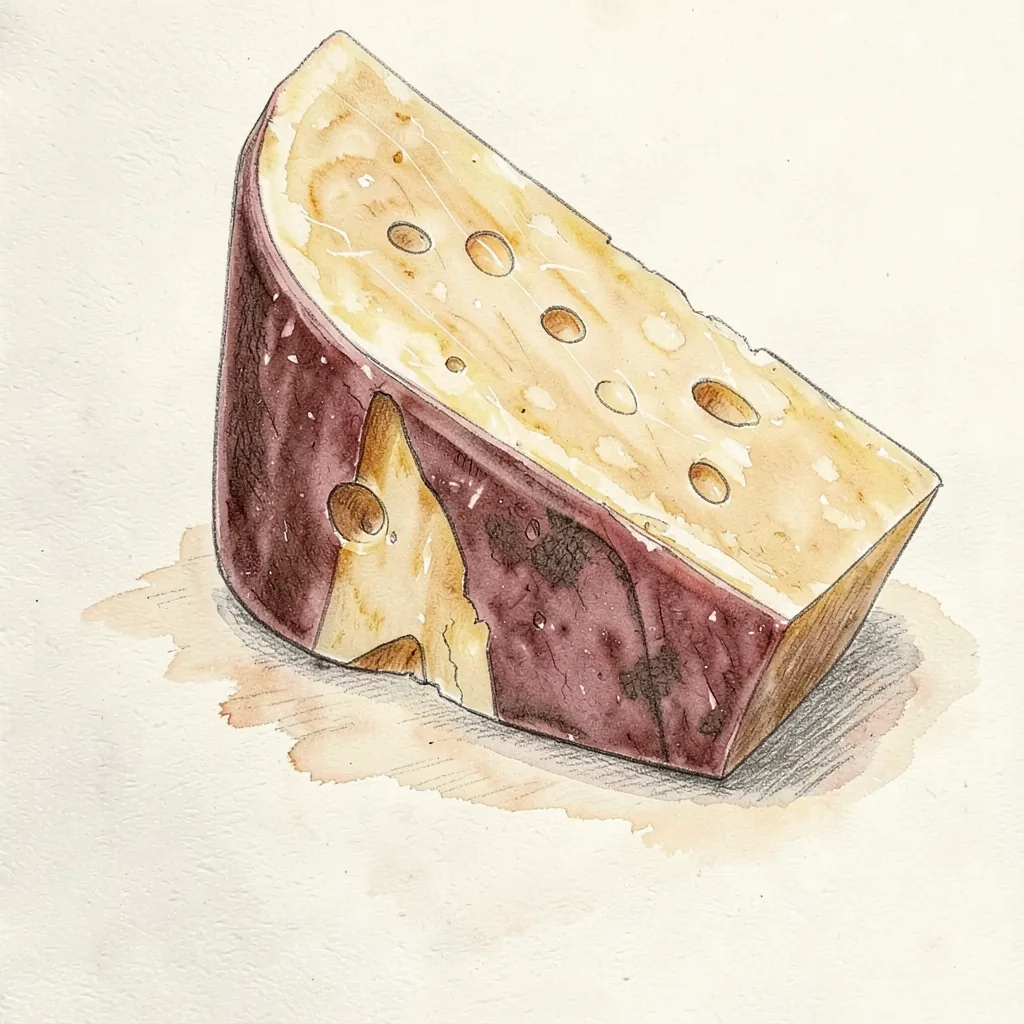
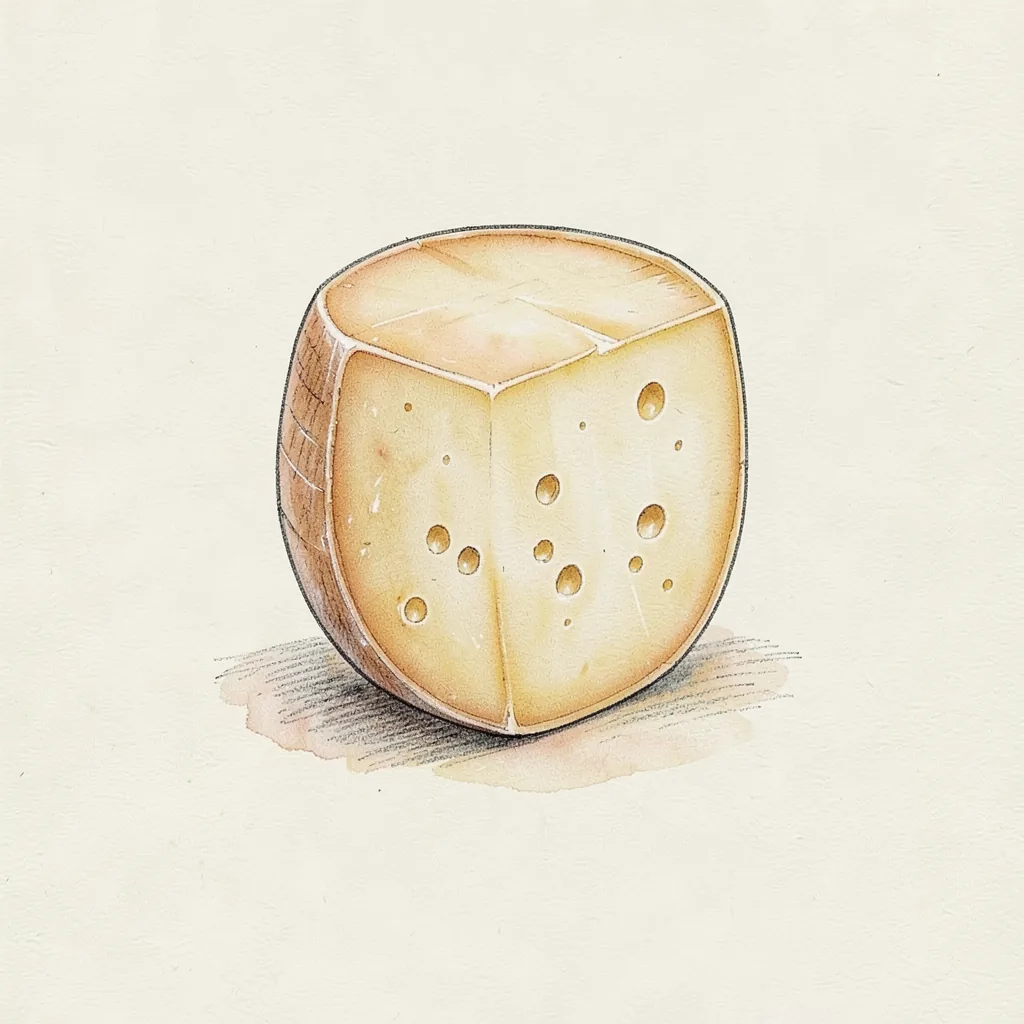
The name comes from the Wife of Bath, a character in Chaucer's Canterbury Tales, and the card names no town. Makers take a light cue from Dutch Gouda and finish a British wheel with a firm natural rind. The paste is nutty, creamy, and sweet, with a pale caramel tone as it ages. It is a board and cooking cheese, not a fresh curd.
The interior is smooth and supple when the cheese is young, with a buttery smell and a gentle savory finish. A longer-aged piece turns firmer and can show small tasty crystals. The rind is firm and dry, not bloomy and not washed. Salt is balanced, and a young wheel stays rich without a sharp bite. It slices for the table and also melts when you heat it.
History
Wyfe of Bath is a modern English cheese with an old literary name. The Wife of Bath is a famous pilgrim in The Canterbury Tales, and the spelling Wyfe keeps an older form of the word. Cheesemakers used that name for a semi-hard cow's milk wheel, not for a soft fresh cheese and not for a blue. A Gouda-like path, with brine and a firm paste, gave the wheel its character. The identity stayed British.
The cheese found a place among other English semi-hard wheels on farm counters and in cheese shops. Public notice grew, but the useful facts remain the milk, the texture, and the nutty taste. It did not become a generic name for every cheese from the west of England. Buyers still need the full name on the label. A soft cheese that only shares part of the name is a different product.
How it is made
Pasteurized cow's milk is set with vegetarian rennet, and the curd is warmed so it firms. Makers cut and stir it, then drain it and form it in cloth-lined baskets. That basket step helps give the wheel a textured rind. The young cheese is salted in brine, which also helps the coat develop. It is not a stretched curd, and it is not a blue.
The wheel then rests until the paste is semi-hard and the flavor turns nutty. A younger cheese stays elastic and creamy, sometimes with a few small openings. A longer rest dries the paste a little and can bring a light crystalline crunch. The rind stays natural and firm. There is no wax dip as the defining coat, and there is no white bloomy mold on a typical wheel.
Taste
Young Wyfe of Bath tastes sweet, buttery, and lightly nutty, with a creamy feel on the tongue. The smell suggests warm milk and sweet grass more than a strong barnyard rind. Salt is clear but not harsh. The paste is supple, so a slice bends before it breaks. A little time out of the fridge opens the sweetness that a very cold piece hides.
With more age, the flavor moves toward caramel and toasted nuts, and the texture grows firmer. Small crystals can appear, and they add a pleasant crunch rather than a gritty fault. The cheese should not taste bitter or sharply acidic. Next to a young Gouda, it is close in style, but it remains its own British wheel. A flat cold slice is not a fair test of the nutty side.
In the kitchen
Slice Wyfe of Bath for a board with apples, bread, and a few nuts. Young cheese melts on toast or in a simple sauce and stays rich without turning harshly oily at once. A firmer, older piece grates over vegetables or a bake and brings a deeper nutty note. It fills the same jobs as other semi-hard cow's milk cheeses. Keep a strong blue off the same plate if you want this flavor to stay clear.
Trim the rind if you want only the paste, or leave a thin line for texture. Serve the cheese less cold than the fridge so the butter note can show. It does not crumble like a brined white cheese, and it does not stretch like a pasta-filata loaf. Wrap the cut face so the paste does not dry. A leftover wedge is still good for cooking if the smell stays clean and nutty.
Around the world
Wyfe of Bath is an English cheese, and most of it is eaten in the United Kingdom. Specialist shops abroad sometimes keep it with other British semi-hard wheels. The literary name is a clue on the label, but the nutty taste is what matters on the plate. It is not Gouda, even though the make takes a cue from that Dutch style. It is also not a soft fresh cheese, despite the gentle flavor of a young wheel.
Gouda is the closest substitute when you need a nutty semi-hard cow's milk cheese that slices and melts. Edam can fill a sandwich or a sauce if you accept a slightly leaner paste. Wensleydale is more crumbly and more acidic, so it changes a cooked dish. Caerphilly is tangier and often moister near the edge. None of those cheeses carries this literary name.