Saint-Paulin vs Trappista
Saint-Paulin is a semi-soft cheese. Trappista is a semi-hard cheese.
Trappista is also used for salad.
Saint-Paulin can stand in for Trappista. Saint-Paulin is the common French name for a very similar mild pressed cheese, so it can take Trappista's place on bread or in a hot sandwich.
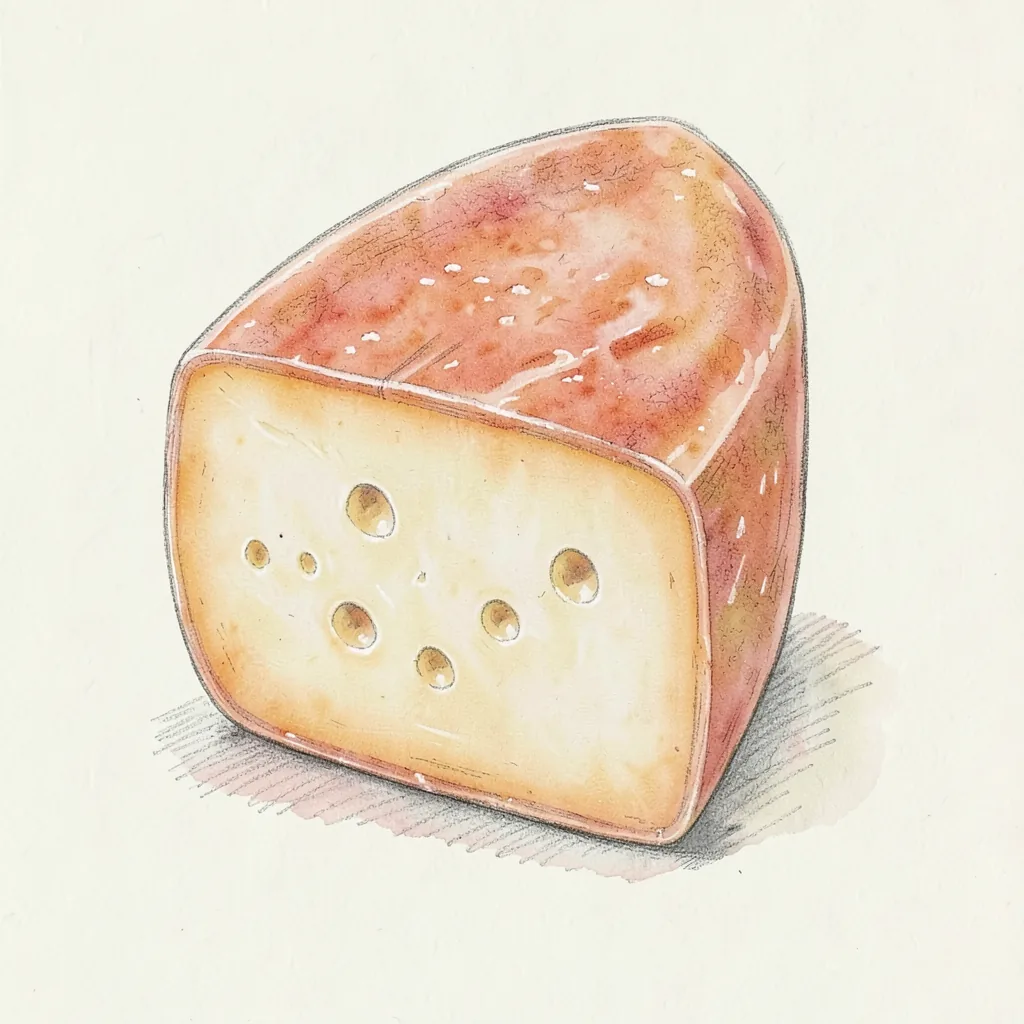
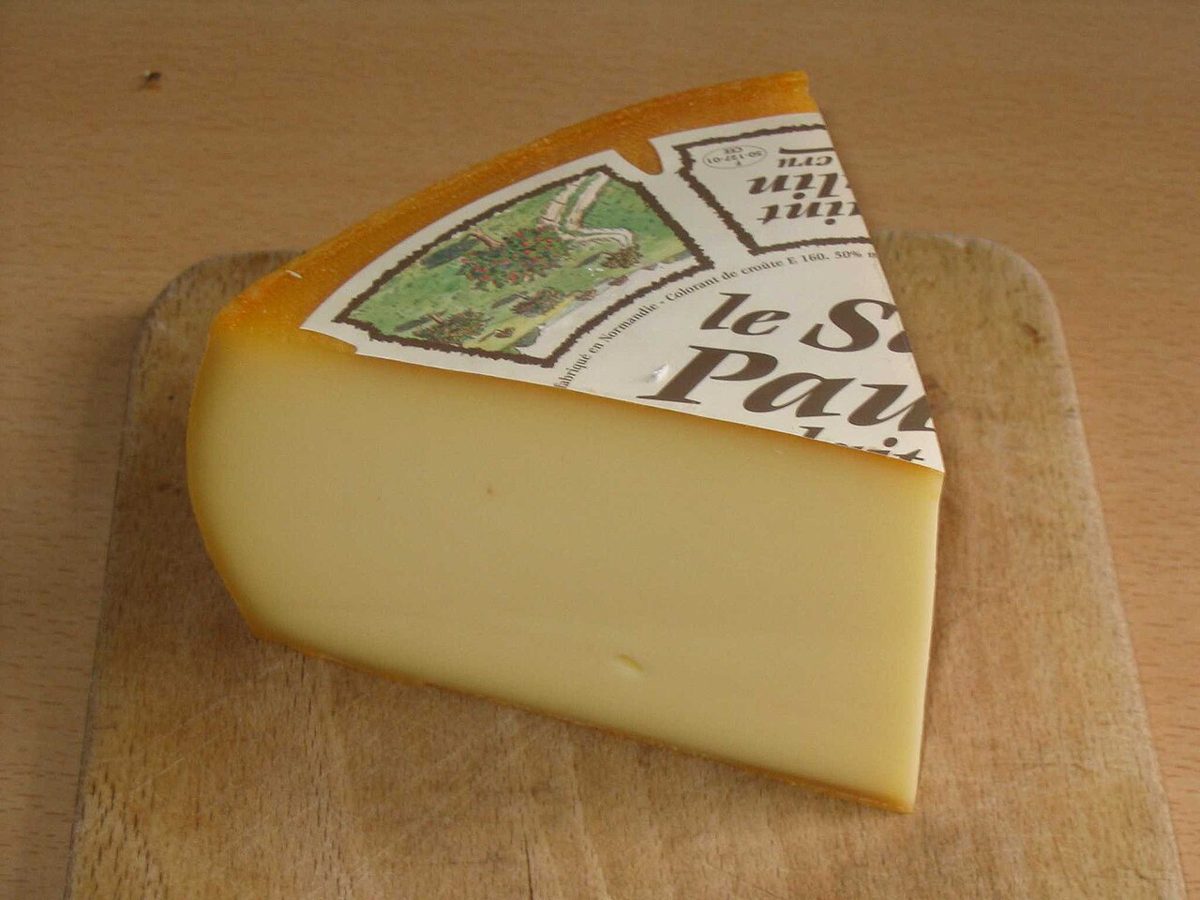
Saint-Paulin
Facts
- Milk
- Cow
- Texture
- Semi-soft
- Type
- Washed rind
- Rind
- Washed rind
- Country
- France
Saint-Paulin is a mild semi-soft cheese from France, made from cow's milk and sold in small rounds. The paste is pale, smooth, and supple enough to slice, with a buttery taste and little sharpness. The rind is thin and orange to yellow, and it is edible, though some people trim it. The cheese is pressed, then salted, and it is ready without a long age. It is a table cheese more than a grating cheese, and Port-Salut is the close cousin most shoppers already know.
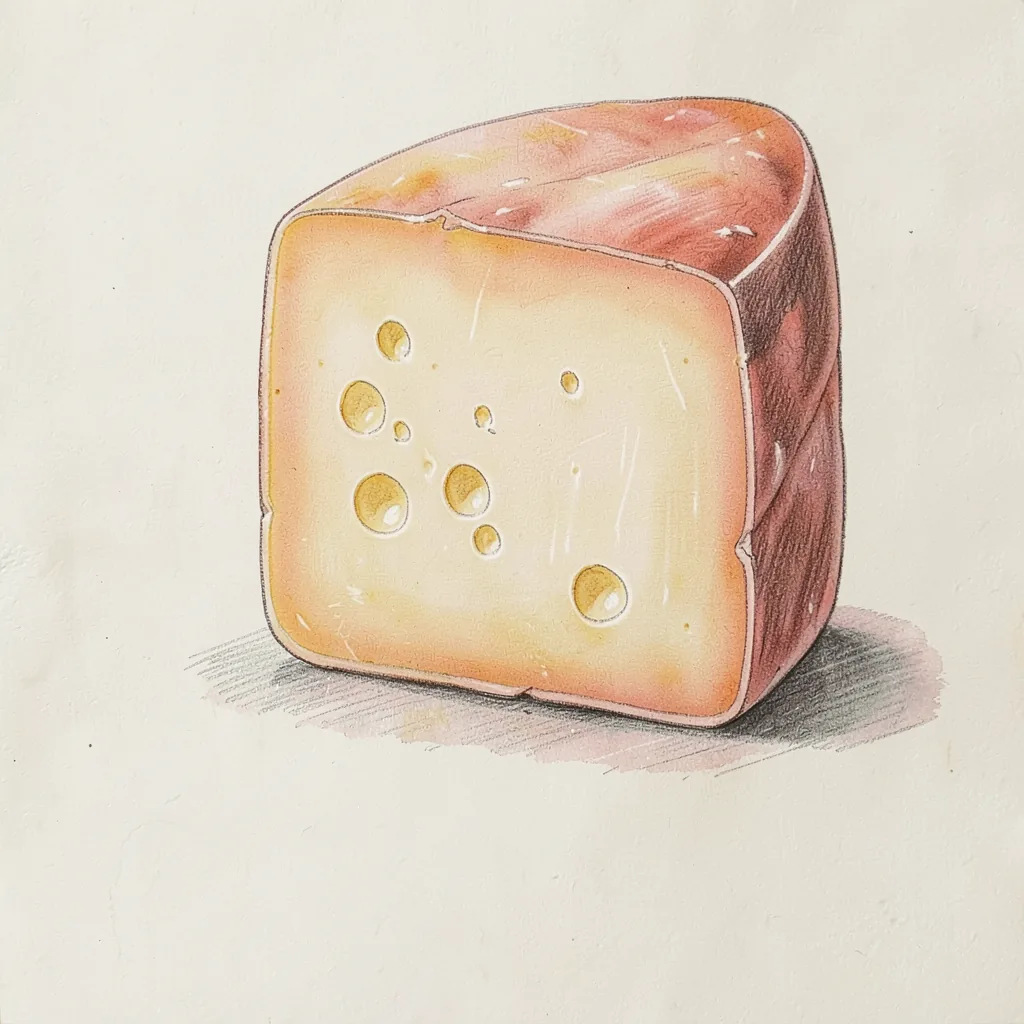
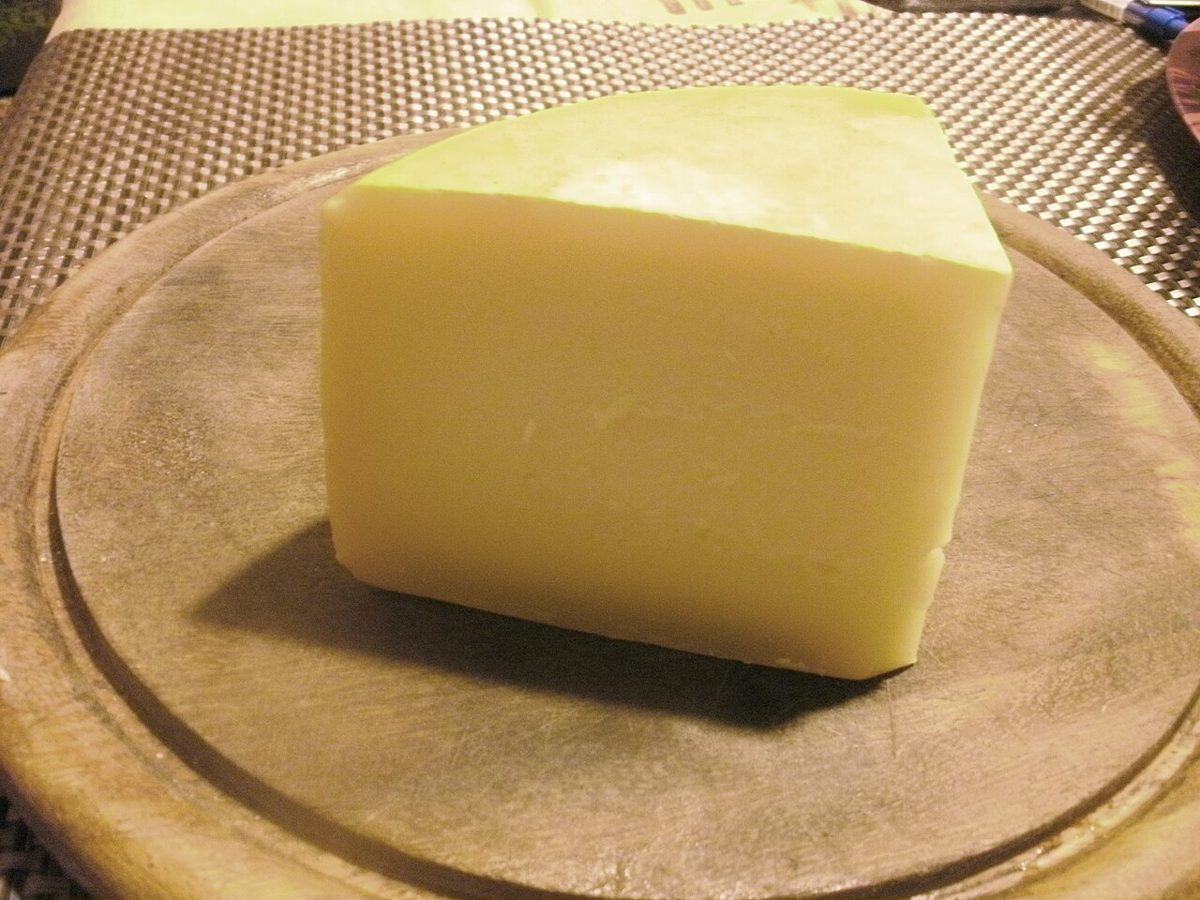
Trappista
Facts
- Milk
- Cow
- Texture
- Semi-hard
- Type
- Washed rind
- Rind
- Washed rind
- Country
- France
Trappista is a mild semi-hard cheese made from cow's milk, and the style comes from France. The paste is pale yellow, smooth, and a little springy, usually with a few small holes. The flavor stays gentle, buttery, and slightly tangy rather than sharp or pungent. Many pieces slice easily and melt without a fight. In France the same family is widely sold under the names Port-Salut and Saint-Paulin.