Cow
What it is
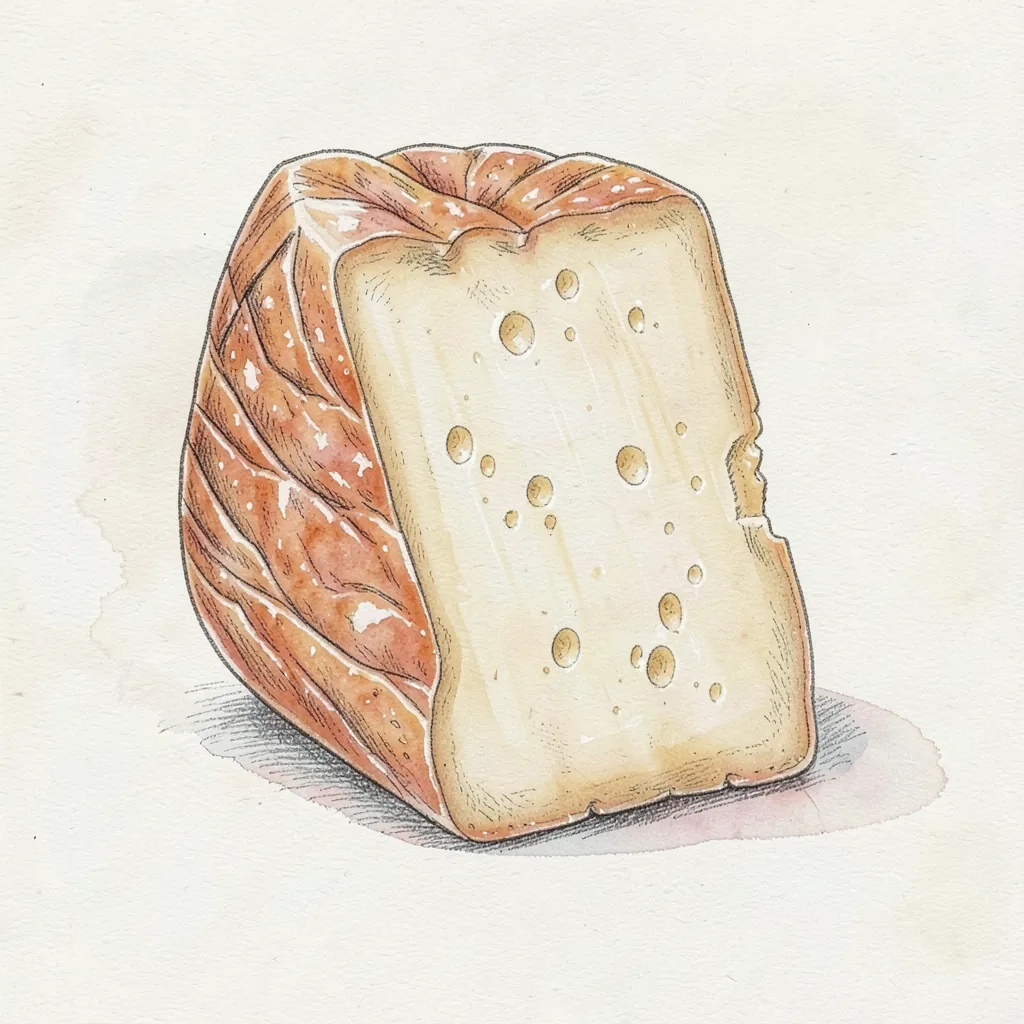
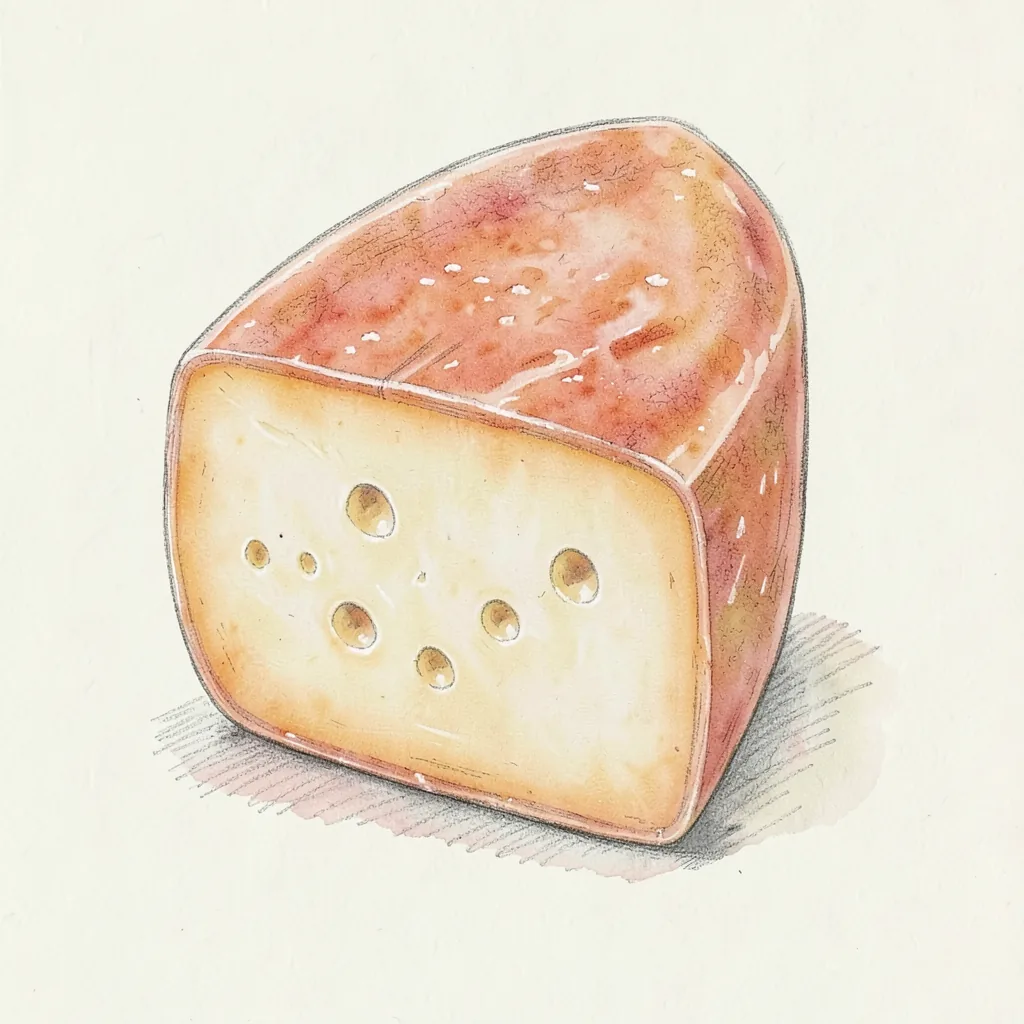
The paste is pale yellow, smooth, and a little springy, usually with a few small holes. The flavor stays gentle, buttery, and slightly tangy rather than sharp or pungent. Many pieces slice easily and melt without a fight. In France the same family is widely sold under the names Port-Salut and Saint-Paulin.
The word points to Trappist cheesemaking, but the cheese in shops today is an everyday creamery food. It is pressed, lightly salted, and made to be approachable for a wide range of eaters. Some pieces show a soft orange surface from washing or from the way the rind is finished. Others are simply wrapped, with almost no rind character at all. Either way, the interior is the mild cow's milk cheese people buy for bread, snacks, and quick cooking.
History
The style grew out of French dairies linked with Trappist communities, which wanted a cheese mild enough for daily meals and firm enough to travel. The name Trappista kept that link after production moved into ordinary creameries. Port-Salut became the best-known French trademark in the family. Saint-Paulin became the common name for a very similar cheese. Together they show what the French version is, even when another country prints Trappista on the pack.
From France the method spread, and the name Trappista took hold in several parts of Europe. Hungary, Bosnia and Herzegovina, and other countries still sell a gentle cow's milk cheese under that name or a close spelling. Those later cheeses kept the small holes and the easy flavor, even when details drifted from the French original. The French side of the family stayed in trade as Port-Salut and Saint-Paulin. One broad idea sits behind several labels.
How it is made
Cow's milk is set with cultures and rennet, and the curd is cut so it can drain while staying moist. The curds go into round moulds and are pressed lightly, not with the heavy pressure used for a cheese meant to become very hard. Salt comes from a brine bath. In the traditional path, the surface is washed while the cheese ripens, and a thin orange rind can develop. That wash is gentle compared with the repeated washing that makes a very pungent rind.
Many plants now wrap the cheese and shorten the rind work, so the surface may be a smooth colored coat rather than a fully developed washed rind. The paste still ends up pale, supple, and mostly closed, with only a scattering of small eyes. The rest before sale is short by the standard of a hard alpine cheese, which is why the flavor does not turn sharp. The aim is a stable piece that slices cleanly and melts without separating into grease. Factory and traditional pieces share that aim.
Taste
The flavor is mild, buttery, and lightly acidic, with a soft dairy sweetness and very little bite. The smell is warm milk more than a barnyard, and it should not fill the room. The paste feels smooth and springs back slightly under a knife. Small holes are normal, and they do not mean large Swiss-style eyes, while the salt stays moderate. Nothing in the taste should sting the way a blue or a long-aged cheddar can.
A true washed rind adds a gentle savory note near the surface and an aroma a step stronger than the paste. Many shop pieces are so mild that the outside and the center taste almost the same. If a wedge smells harsh, it has likely been kept too long, because this style is not meant to become sticky and loud. The paste color stays pale yellow from the cow's milk. The pleasure is a moist slice and an easy melt, not a strong or challenging flavor.
In the kitchen
Trappista is a sandwich and snack cheese before it is a recipe star. Slices sit on bread with butter, ham, or cucumber, and the mildness lets those partners stay clear. It melts readily in a grilled sandwich, over cooked vegetables, or in a quick cheese sauce. Cubes belong on a board for guests who dislike strong rinds and sharp finishes. The paste slices thin without cracking, so it is an easy breakfast cheese, but it will not fall into dry gratings the way a hard wheel does.
Heat it with a little care, because a very hot pan can make even this mild paste oily. A thin orange rind can be eaten if it looks clean, or trimmed if you want only the gentle center. Port-Salut and Saint-Paulin can stand in directly in French recipes that name this family. Havarti can cover the same mild melt if it is the cheese you already have. Keep Trappista cold and wrapped, and eat it while the paste is still moist and flexible.
Around the world
In France, Port-Salut or Saint-Paulin will put you in this family even if the word Trappista is missing. In Hungary, Trappista is a grocery staple, a mild cheese for bread and cooking, often sold in a bright wrap. Bosnia and Herzegovina and several neighboring countries sell a similar pale cheese with small holes under a close form of the name. The shared word can hide small differences in moisture and rind. All of them aim at a mild cow's milk profile rather than a sharp one.
Shoppers sometimes expect a strong cheese and then find a gentle slice. That result is normal, not a failed batch. Trappista is closer to a mild table cheese than to a sticky orange rind with a powerful smell. It will not replace a nutty alpine cheese in a deep bake, and it will not replace a sharp cheddar if you want bite. It fills the role of a mild melting cheese with a little tang, so look for cow's milk and a pale, supple paste.