Cow
What it is
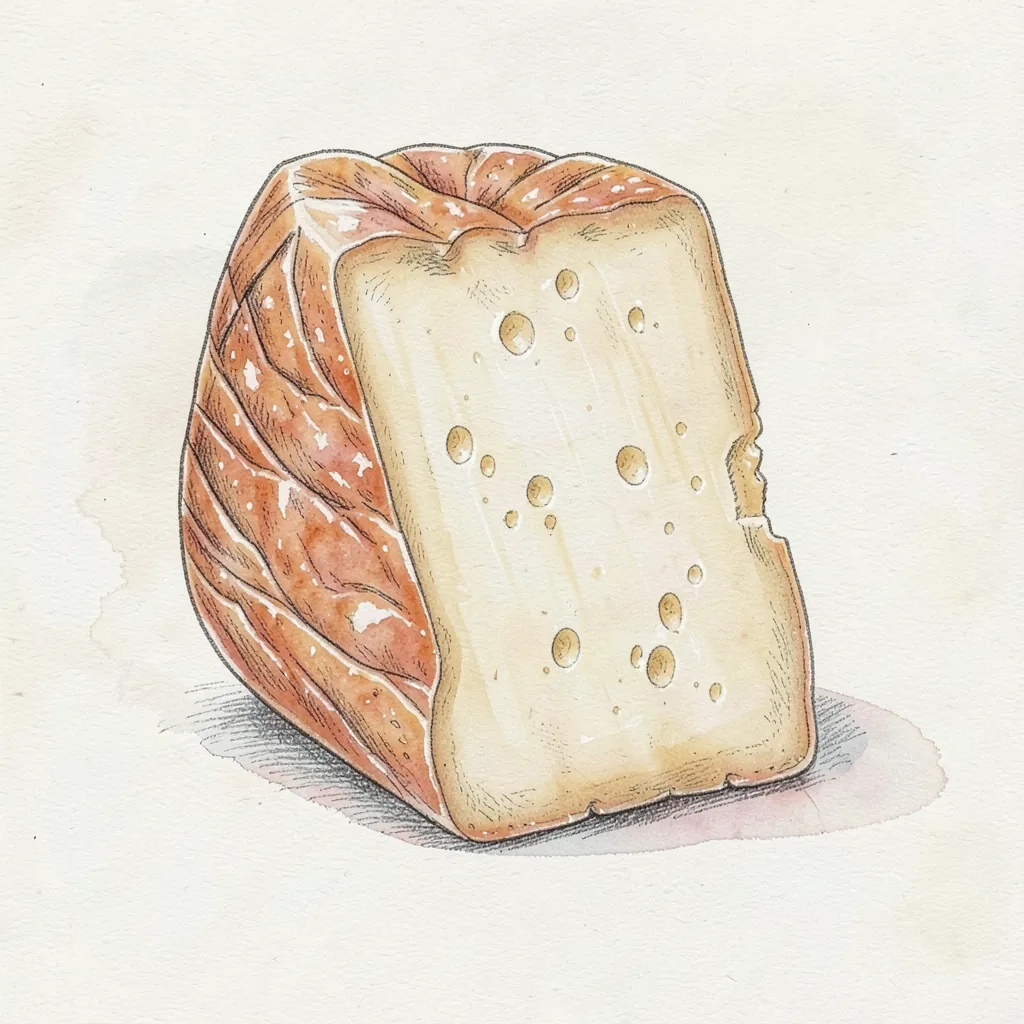
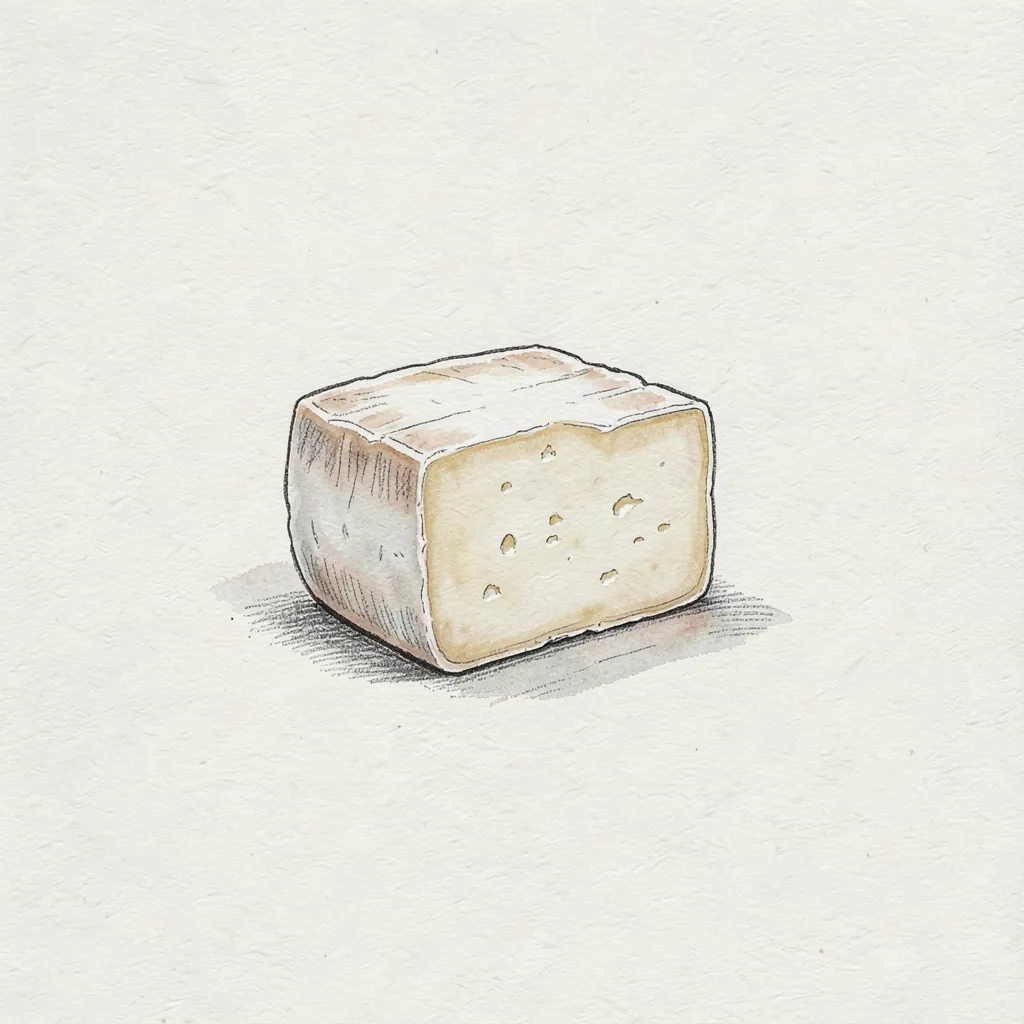
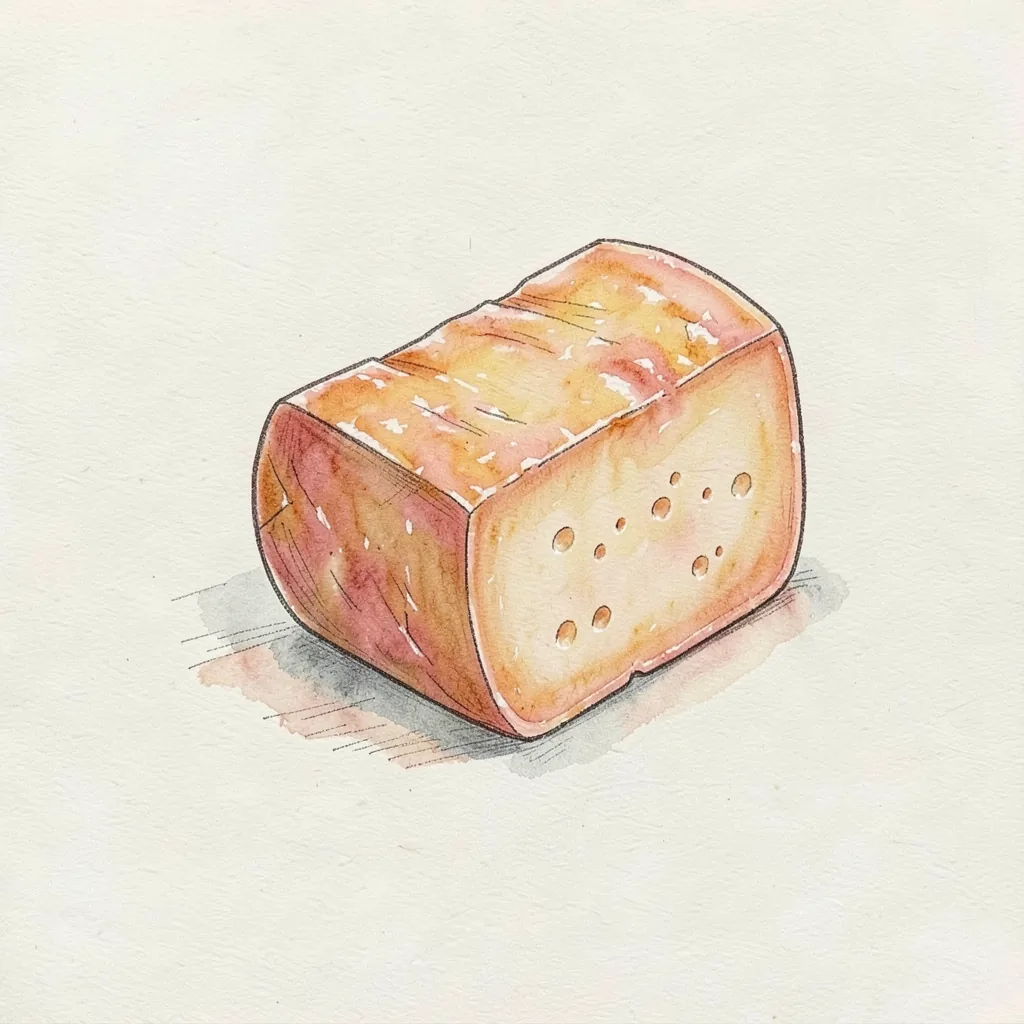
The paste is pale, smooth, and supple enough to slice, with a buttery taste and little sharpness. The rind is thin and orange to yellow, and it is edible, though some people trim it. The cheese is pressed, then salted, and it is ready without a long age. It is a table cheese more than a grating cheese, and Port-Salut is the close cousin most shoppers already know.
The name covers a style made by many dairies, not a single farmhouse wheel. Commercial makers in France and in other countries produce cheeses of this type, and the label may say Saint-Paulin or Saint Paulin. The flavor stays approachable: slightly sweet, lightly salty, and milky. Aroma from the rind is gentle compared with a strong washed cheese such as Munster. You can put it on a board with fruit, or melt it when you want a soft, quiet cheese in a hot dish.
History
Saint-Paulin grew up beside Port-Salut in the family of mild French pressed cheeses with an orange rind. When the Port-Salut name stayed with particular makers, Saint-Paulin became a broader name for a similar cow's milk cheese. That is why the two labels can look alike in a case and still not be the same product. The style spread because it is easy to like and easy to slice. It did not need a long age or a fierce smell to find buyers.
The cheese is not a rare relic of one village. It is a commercial type, and versions are made beyond France, including in places that adopted the French name for local cow's milk. Those copies share the mild paste and the colored rind more than they share one recipe. Some rinds are truly washed during ripening, and others are tinted to look like the familiar orange coat. Expect a deli or grocery cheese, not a wheel you age for a long time at home.
How it is made
Cow's milk, usually pasteurized in the widely sold version, is cultured and set with rennet. The curd is cut, stirred, and drained, then pressed into a round with gently bulging sides. Pressing gives a closed, smooth paste that still stays moist, and the wheel is salted in brine. During ripening the surface is washed or colored so it turns yellow-orange, while the interior remains pale. There is no blue mold and no white bloomy coat on the finished round.
Ripening lasts long enough for the paste to become supple and for the mild flavor to settle, and it stops before the cheese dries into a grating block. The rind stays thin. A few small eyes may show, but a dense, even paste is normal, and makers turn the wheels in a humid room so the surface does not crack. The finished cheese is wrapped for sale. It is ready to slice when you buy it, and it does not need a further cellar stay in a home kitchen.
Taste
The taste is buttery, lightly sweet, and gently salty, with a fresh milk note and a soft tang. Nothing in the flavor is smoky, spicy, or bitter when the cheese is in good condition. The rind can add a faint savory edge, but it should not smell harshly of ammonia, or the piece is too old. The paste feels smooth and elastic, closer to a young Havarti than to a crumbly aged cheese. People who avoid strong cheeses often accept it, and fans of pungent rinds may find it plain.
Temperature changes the impression more than any garnish will. Straight from the cold, Saint-Paulin can seem muted and firm, and after a short rest the butter note opens and the slice feels softer. It still will not run like a ripe bloomy cheese. Salt is moderate, and the fat gives a creamy coating on the tongue without the thickness of a double-cream cheese. That clean finish is why it works next to fruit, where a strong cheese would take over the plate.
In the kitchen
Slice Saint-Paulin for sandwiches, toast, and a simple board. It melts in a grilled cheese or over vegetables, though the melt is soft rather than dramatically stringy. Cubes can go into a mild sauce if you add them off the boil and stir until they blend. The orange rind can stay on in a bake, or you can trim it if you want only the pale paste. Pair it with apples, pears, grapes, or a light salad, and keep any mustard light so the mild flavor can show.
It is a poor grater, because the paste is too moist and too mild to replace an aged hard cheese. For a cheese plate, give it the mild slot beside a sharper wedge so guests can taste the contrast. Port-Salut can stand in, and so can a young Havarti or Esrom when the French cheese is missing. Butterkase is another mild semi-soft option with a similar quiet melt. Use those swaps in sandwiches and sauces, and do not swap in a blue and expect the same gentle result.
Around the world
Saint-Paulin travels well because the flavor is mild and the format is a small wrapped round. Shops outside France often file it with Port-Salut, Havarti, and other approachable semi-soft cheeses. The name is French, but the style is copied in several dairy countries, so a wedge may be local cow's milk under a French-style name. Check the country on the label if origin matters to you. The eating experience stays in the same range: pale paste, orange rind, and a gentle taste.
In cooking abroad, it fills the role of a mild melting cheese that still slices for a sandwich. It will not replace a stretched-curd cheese when you need a long pull, and it will not replace a pungent washed rind when you want a strong aroma. People who like Esrom or a mild Munster-style cheese will understand the family, with Saint-Paulin on the quieter end. If a French recipe lists it, a Port-Salut of similar character is the most honest substitute.