Sheep
What it is
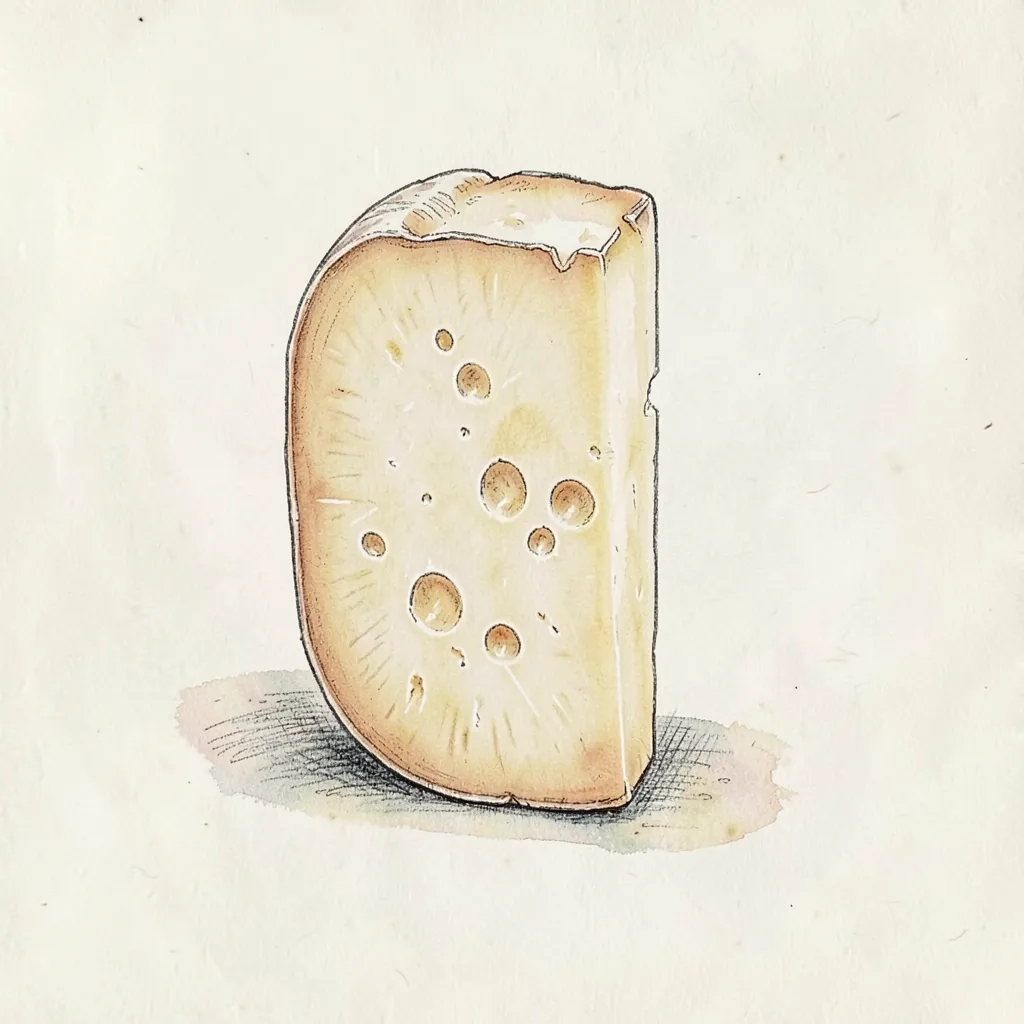
It belongs to the French Basque tomme tradition, with a flat wheel, a natural rind, and a dense yellow paste. The name refers to an abbey, and the cheese was developed for that house before dairies near it kept the method. The flavor leans to toasted nuts, brown butter, and light caramel, with a gentle woolly aroma. It is a board cheese first, and an older wheel can also be shaved or grated.
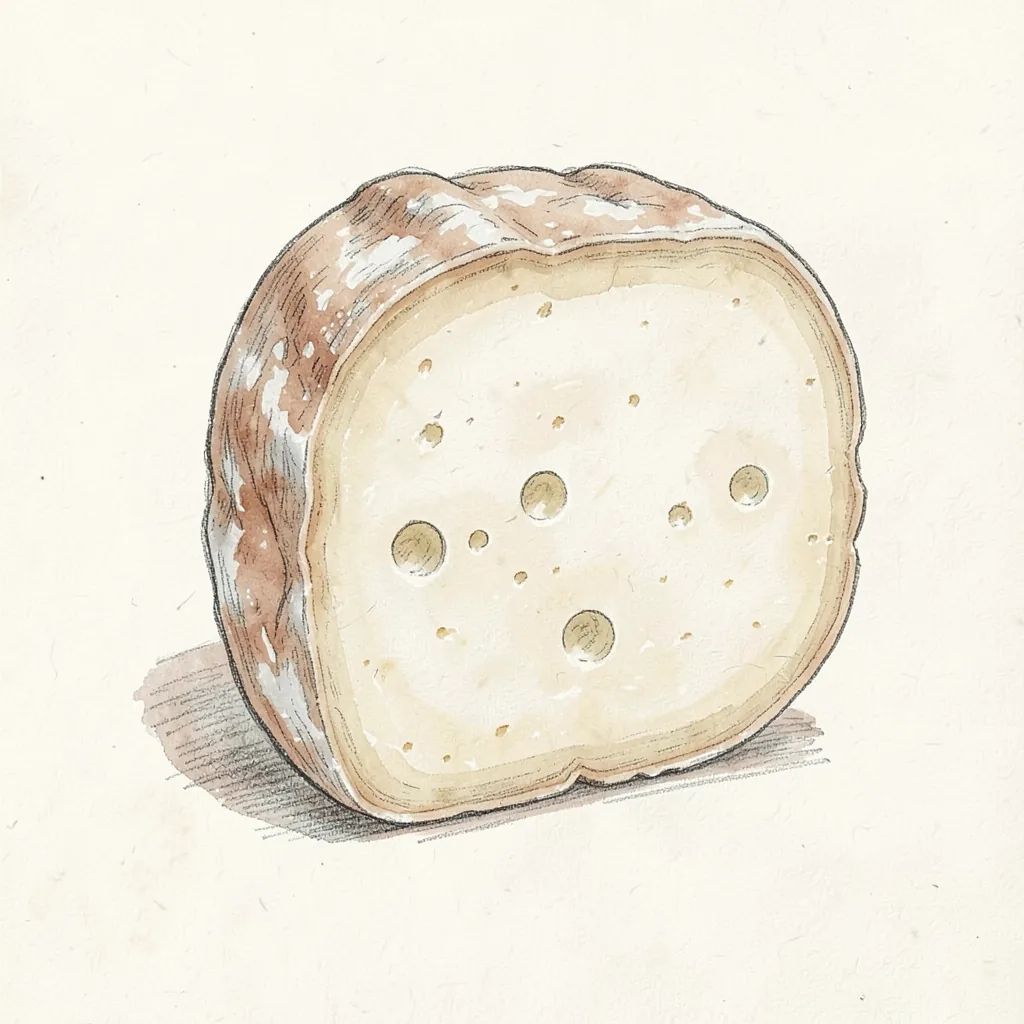
The rind is rustic and brownish, sometimes with small pits and a touch of orange or gray from the cellar. The paste is firm, smooth, and rich, and it slices cleanly when it is not too cold. Younger wheels taste milder and creamier, while older wheels dry a little and taste more of caramel and nuts. There is no blue veining and no sticky washed rind. If the smell is sharply animal, the piece may be past its best, because a good wheel stays mellow.
History
Sheep's milk cheeses have a long place in the French Basque country, where the tomme style was already a farm food before this wheel carried an abbey name. Abbaye de Belloc took that regional method into an abbey dairy. Local sheep's milk was set, pressed, and aged until the paste turned dense and nutty. Later, production continued in dairies that follow the same recipe, so the cheese is no longer limited to one house. The name stayed with the wheel.
Buyers sometimes treat Abbaye de Belloc and Ossau-Iraty as the same cheese. They are close, because both are pressed sheep's milk wheels from the French Basque tradition, with natural rinds and a nutty taste. Ossau-Iraty is the broad regional type. Abbaye de Belloc is one recipe within that world, with its own abbey name and a reputation for a caramel sweetness. Etorki is another Basque sheep's milk cheese that shoppers mix in, so read the name on the rind or the label before you decide they are interchangeable.
How it is made
Sheep's milk is warmed gently and set with rennet, and the curd is cut, stirred, and drained, then pressed into flat wheel molds. The pressing gives the dense paste and the neat sides. Wheels are salted and moved to a cellar, where a natural rind forms. The rind is not washed into a sticky orange coat, and it is not covered with wax. Time in the cellar dries the surface and deepens the caramel note, while the center stays smooth.
A finished wheel is broad and fairly flat, with a firm natural rind that may show tiny holes and mottled color. The paste should be even, ivory to gold, without cracks or blue lines. Some wheels are made from pasteurized milk, and some traditional wheels used raw milk, but both are pressed sheep's milk tommes. Ask the shop which one you are buying if the label is quiet about the milk treatment. The difference shows more in aroma than in shape.
Taste
The taste is mellow, nutty, and lightly sweet, often compared with browned butter or pale caramel. A woolly, lanolin aroma is normal in a sheep's milk wheel, and here it stays soft rather than barnyard sharp. Salt is present and balanced. The paste feels dense and a little oily on the tongue, then melts away without a grainy finish. The rind tastes earthier than the center, so eat a bit of it if you like that cellar note, or trim it for a milder bite.
Age is the main split inside this one cheese. A younger wheel is creamier, sweeter, and quieter in aroma, while a longer aged wheel is drier at the edge, more nutty, and a little more savory. Neither version is spicy, and a sharp pecorino style is the wrong comparison. Serve it warmer than fridge temperature so the fat softens and the caramel note can show. A cold slab tastes flatter than the cheese really is.
In the kitchen
Put Abbaye de Belloc on a board with bread, walnuts, and a mild fruit paste or a slice of pear. It also melts into a simple potato or vegetable bake, where the nutty fat seasons the dish. Shave an older wheel over a green salad or a warm grain bowl. Do not expect it to stretch like a pasta filata cheese, because heat softens it into a rich layer instead. Keep the other flavors quiet so the caramel note is not lost.
Take the wheel out of the cold before you cut it. A warm knife or a cheese plane gives clean slices from the dense paste, and cubes are better than crumbs for a salad. If you cook with the rind, taste it first, because the earthy edge can dominate a mild dish. Pair it with a light red wine or a dry white from southwestern France. Strong pickled flavors will cover the sweetness that makes this cheese worth buying.
Around the world
Abbaye de Belloc is sold in France and, when exports allow, at cheese shops abroad that carry Basque sheep's milk wheels. It is not a supermarket block, and the full name Abbaye Notre-Dame de Belloc may appear on the label. If you only see a generic Basque sheep tomme, you may be looking at Ossau-Iraty or another wheel. That can still be excellent, but it is not this abbey cheese. Ask to taste if the counter will cut a sliver, because the caramel note is the clue.
Ossau-Iraty is the practical substitute for the board and for light cooking. Etorki is a milder Basque sheep's milk wheel that can fill in when the abbey cheese is absent. P'tit Basque is smaller and easier to find, with a similar nutty taste, but none of them carries the abbey name. If you only need a dense sheep's milk slice, any of the three will do. If the recipe names Abbaye de Belloc, match the caramel sweetness.