Sheep
What it is
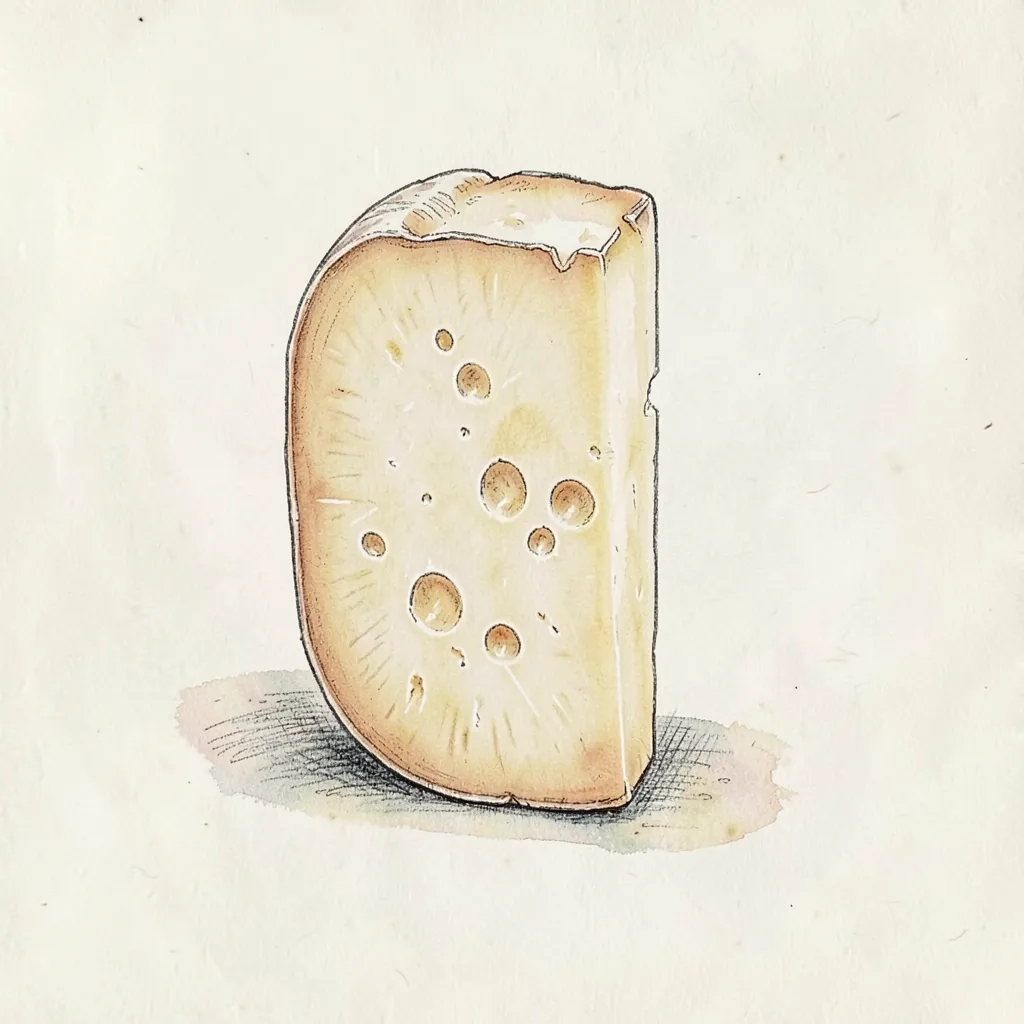
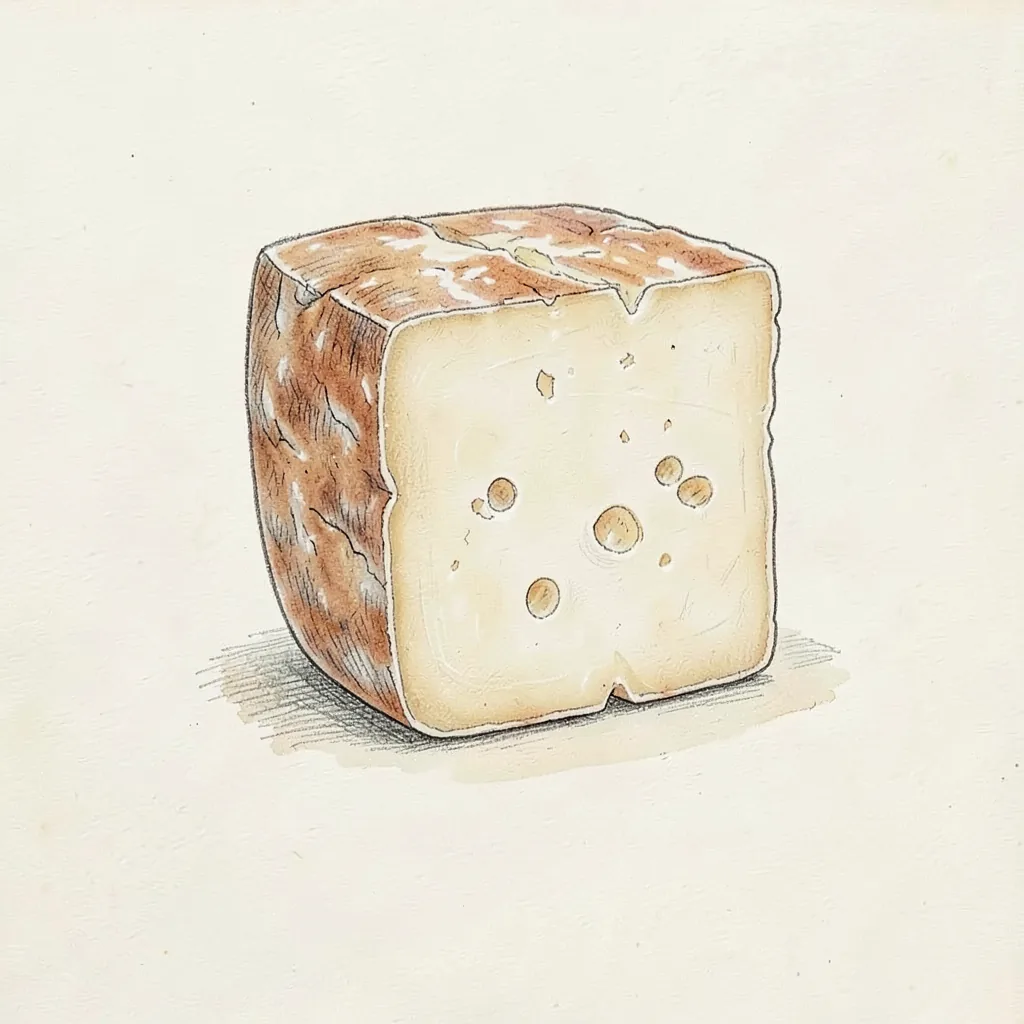
The milk is pasteurized, the curd is pressed and not cooked, and the cheese is firm but supple. A washed rind turns reddish brown, and the pale yellow interior can show a few small holes. The taste is mild, sweet, and a little nutty, and many people notice a hint of browned caramel. The Basque name means origin or heritage, and the cheese is a commercial brand rather than a shared farm name.
The texture is smooth and a bit elastic, so a slice bends before it breaks. Sheep's milk gives richness without the sharp bite of a long aged grating cheese. The smell is earthy and sweet, not pungent like a strong washed rind cheese made from cow's milk. It is sold through the year in cut wedges and larger pieces. On a board it is an approachable sheep's milk cheese for people who find some Basque wheels too forceful.
History
Sheep's milk cheese has deep roots in the Basque country, and Etorki is a modern brand made in Mauléon-Licharre on that tradition. The word was chosen because it means origin in Basque, and it points shoppers toward the region. The cheese follows a steady recipe with pasteurized sheep's milk, so it is more uniform than a farmhouse wheel. It is not Ossau-Iraty, the traditional sheep's milk cheese of the western Pyrenees. The brand gave buyers a mild sheep's milk cheese they could find easily.
Mauléon-Licharre remains the place named with the cheese, in the French Basque country. The brand suggests a link to mountain milk, and the cheese in the case is a consistent mild make rather than a wheel that changes with each farm. That does not make the cheese false. It makes it a brand, and shoppers should expect the same sweet, supple style each time. Over time it became a familiar sheep's milk wedge in French shops and in export cases.
How it is made
Makers start with pasteurized sheep's milk, set the curd, and press it without cooking the grain the way a very hard cheese is cooked. Pressing drives off whey and gives a closed, supple body. The wheels are salted, often with brine and with dry salt, and then they ripen until the sweet note appears. A smear develops on the rind, which turns orange brown to reddish. The interior stays ivory to yellow and may show a few small openings.
The brand aims for the same character in every wheel, which is easier with pasteurized milk and a fixed recipe. Ripening is long enough for a caramel like sweetness and not so severe that the cheese turns granular and dry. The rind is thin, and many people eat it for a light savory edge. A wedge should look smooth inside, not cracked and chalky. The public method is a pressed, uncooked sheep's milk cheese with a washed rind and a mild, steady flavor.
Taste
The taste is sweet, mild, and nutty, with an earthy aroma and a note that tasters call browned caramel. Sheep's milk is clear, but it is gentle rather than barnyard sharp. Salt is moderate and does not cover the sweetness. The paste feels velvety and a little elastic, and it does not crumble into dry grains. A good piece smells sweet and clean, not of strong ammonia or harsh cellar damp.
Set beside a firmer traditional Basque sheep's milk cheese, Etorki is softer in flavor and smoother in texture. The sweetness sits up front, and a mild tang follows behind it. Very cold cheese tastes flatter, so serve it cool rather than icy. If the paste is hard, dry, and sharply salty, it is not a typical piece of this brand. Expect a rich, approachable sheep's milk flavor that many people find easy.
In the kitchen
Put Etorki on a board with bread, walnuts, and a spoon of black cherry jam or another tart fruit preserve. It also melts in a sandwich, a tart, or over roasted vegetables, and it grates over warm dishes when you want sheep's milk richness without a fierce salt. Thin slices go into a salad of bitter leaves. Heat should stay gentle so the fat does not separate into oil. Use it where a supple, sweet sheep's milk cheese fits, and keep the other flavors from shouting over it.
In a Basque style meal it can sit beside cured meat, and it does not fight the other food on the plate. For cooking, grate or slice it and add it near the end of the heat. A melted dish is possible, but keep the heat low and stir so the paste stays smooth. Leftovers should be wrapped, because the cut face dries and the mild flavor fades. Bring it toward room temperature before a board.
Around the world
Outside France, Etorki is one of the Basque sheep's milk cheeses that export shops actually carry. It is easier to find than many farmhouse wheels from Mauléon-Licharre. Read the label for sheep's milk and for the brand, and do not assume every Pyrenees wedge is the same cheese. Ossau-Iraty is the traditional cheese of the area, often more complex and less uniform from wheel to wheel. Etorki should taste sweet and feel supple.
Ossau-Iraty is the substitute when you want a Basque sheep's milk character and can accept more variation. P'tit Basque is closer in the mild branded role, and it can replace Etorki on a board or in a melt. Abbaye de Belloc is a richer sheep's milk cheese from the same mountain country, and it works if you want more depth. Idiazabal is often smokier or more savory, so it changes the dish. Choose a pressed sheep's milk cheese, not a cow's milk alpine wedge, when this brand is gone.