Sheep
What it is
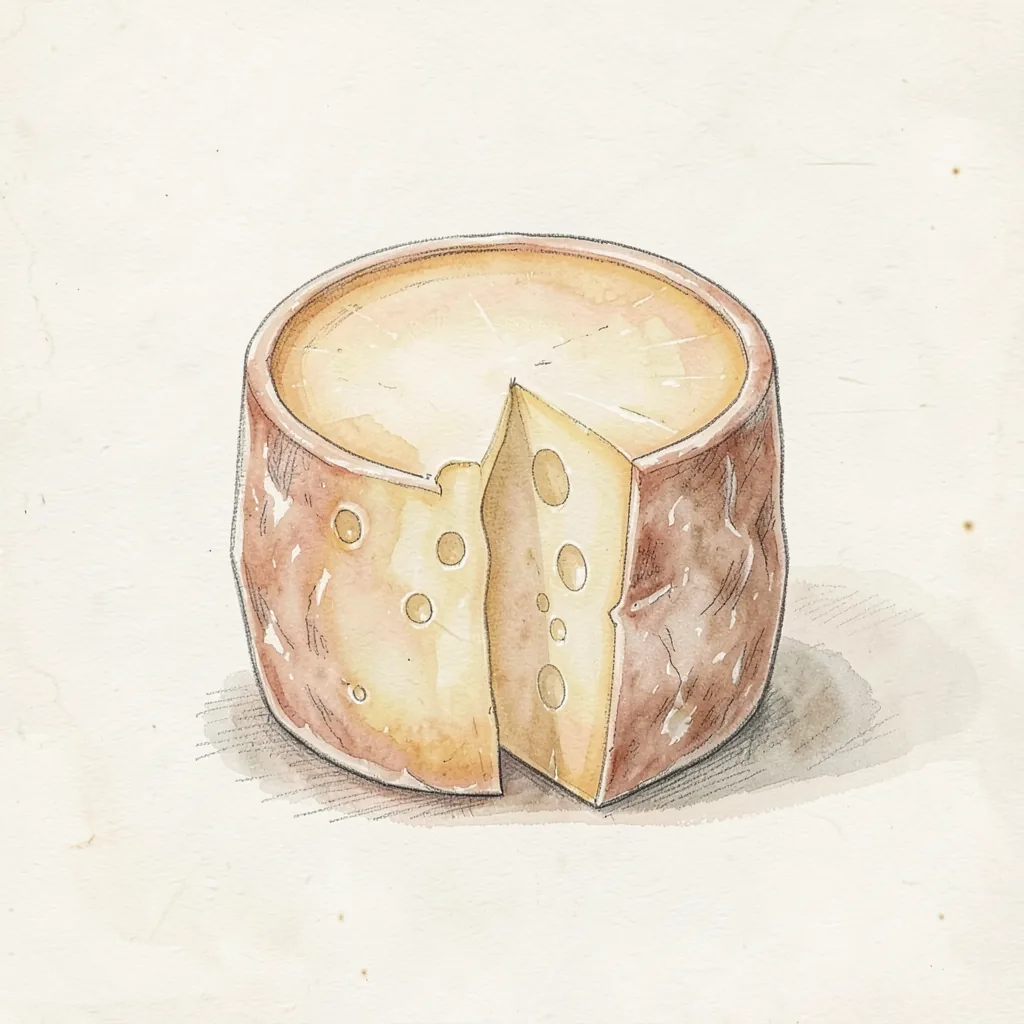
The name joins the Ossau valley and the Iraty forest, two landmarks in that Basque and Béarn country. Wheels are pale inside, with a natural rind that runs from orange-yellow to grey. The taste is nutty, lightly salty, and gently sheepy, without the sharp bite of a very old grating cheese. It is a mountain cheese meant for the table as well as the kitchen.
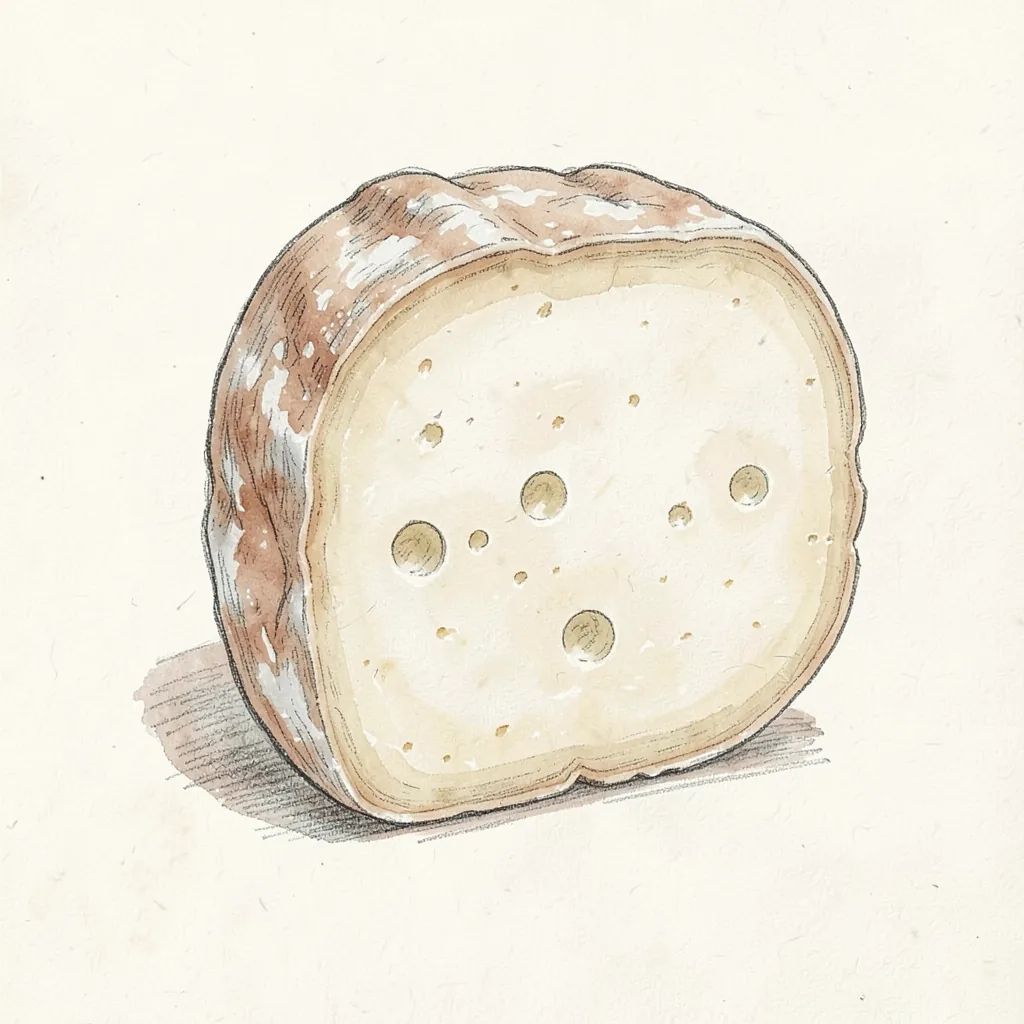
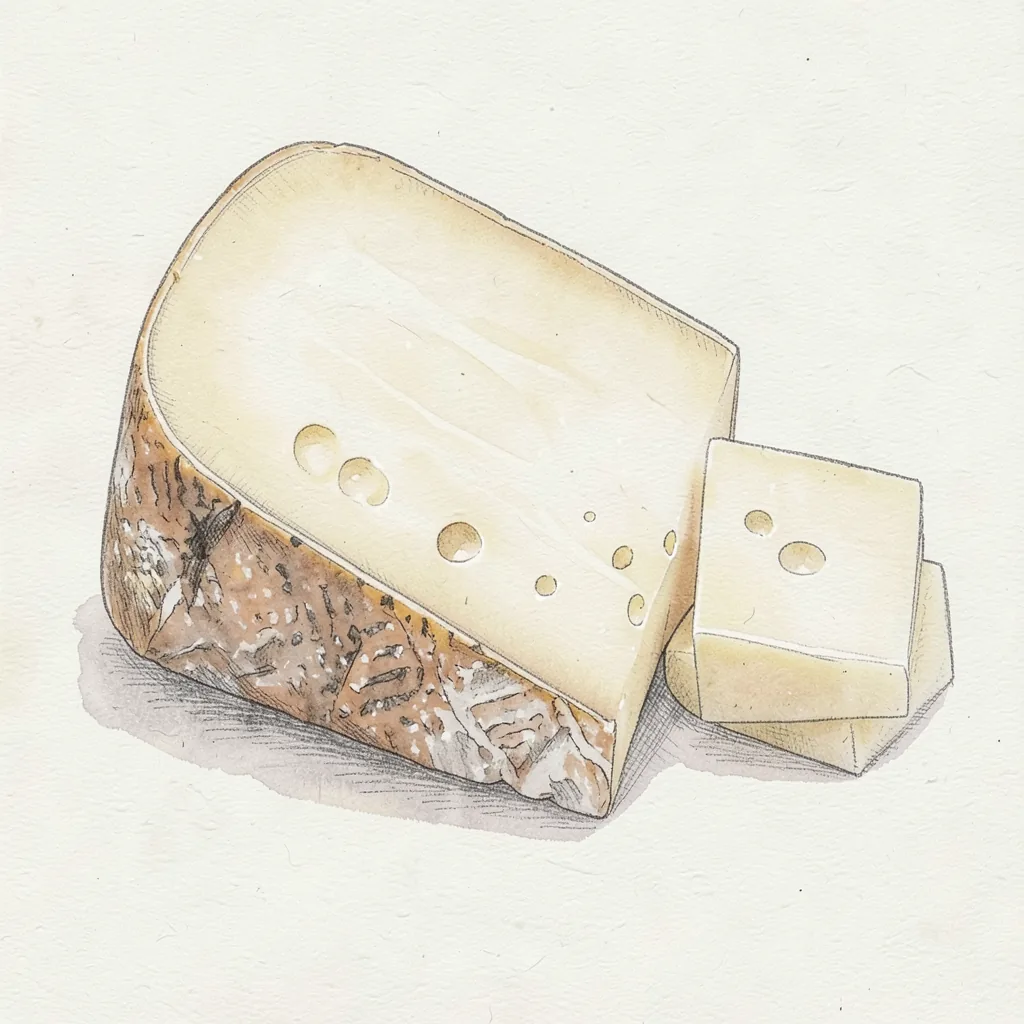
Size and rind color vary with the maker and with which side of the mountains the cheese comes from. Some wheels are rubbed, and some are washed, so the outside may look smooth and amber or duller and grey. The paste stays firm and supple, and it can feel almost melting when the cheese is well ripened. Sheep's milk gives a richer mouthfeel than a typical cow's milk tomme from the same range. A young wheel is milder, and a longer-aged wheel tastes deeper and nuttier.
History
Sheep's milk cheese has been made in the western Pyrenees for a very long time, because the high pastures suit flocks better than large dairy herds. Shepherds moved animals up to summer grass and made cheese near the grazing. The modern name Ossau-Iraty ties that old mountain practice to two places in Pyrénées-Atlantiques. Farmhouse wheels and dairy wheels both continue the same sheep's milk tradition. The cheese you buy now is part of a living pastoral economy, not a museum copy.
Over time, producers in the French Basque country and in Béarn agreed on a shared identity for this sheep's cheese. Small farm cheeses and larger creamery cheeses sit under one name, with differences in size and in how the rind is cared for. Summer milk from mountain grazing and winter milk from hay each leave a mark on the flavor. The cheese stayed a regional food as it found shops far from the Pyrenees. Its story is one of flocks, pastures, and a pressed wheel, not of one inventor.
How it is made
Whole sheep's milk from local breeds is set with rennet, and the curd is cut and stirred. The curd is pressed in molds, but it is not cooked hard the way some Alpine wheels are cooked. Salting comes next, either by hand or in brine, and then the wheels go to a cellar. During ripening, makers rub or wash the rind, which builds the colored coat. Farm batches may use raw milk from one flock, while larger dairies may pool milk.
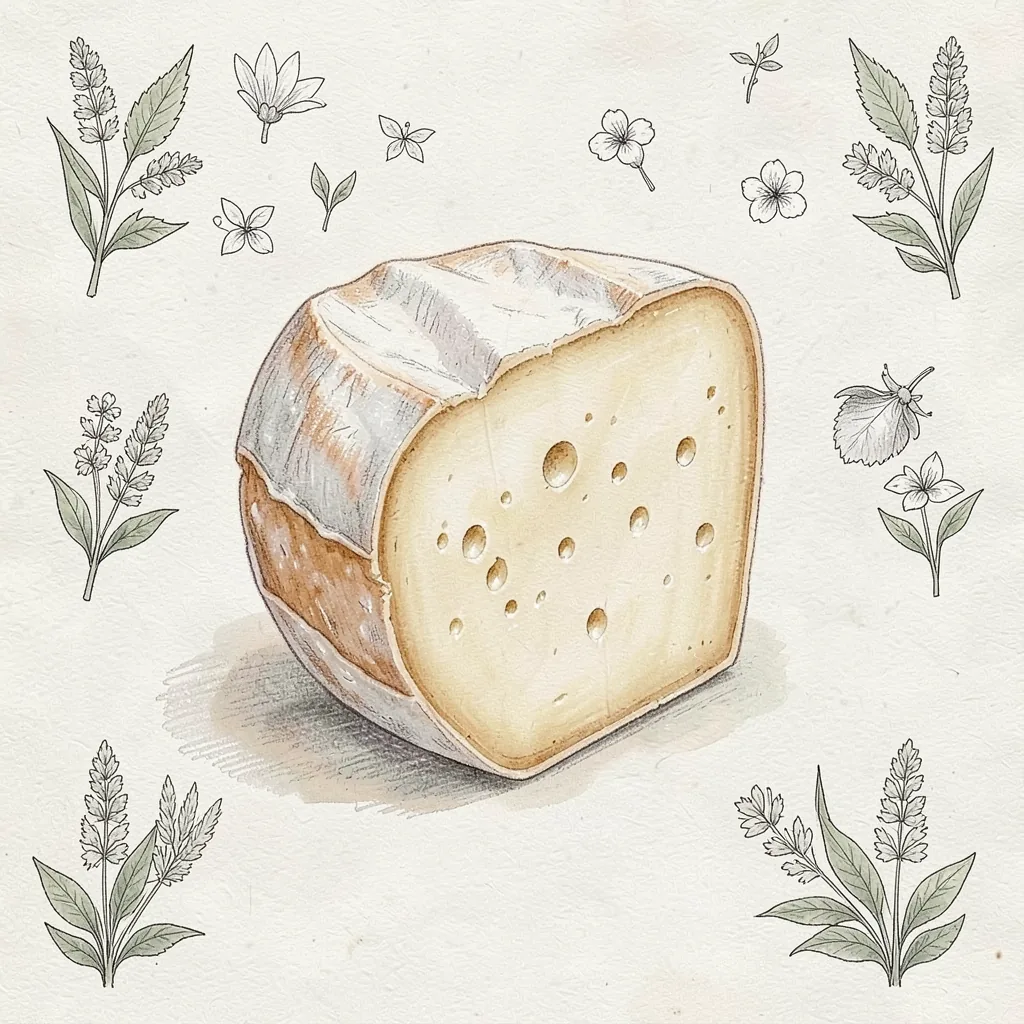
Ripening lasts long enough for the paste to turn supple and for nutty aromas to develop. Smaller wheels and larger wheels are not kept for the same span, and the rind treatment differs between Basque and Béarn cellars. A rubbed rind tends toward grey, while a washed rind tends toward orange. The interior stays ivory to pale yellow, with few or no holes. When the wheel is ready, the rind is firm and the center yields under a knife.
Taste
Expect hazelnut, browned butter, and a soft sheep aroma, with salt that stays in balance. The flavor can hint at dried grass or wild herbs when the milk comes from mountain grazing. It is rich but not heavy, and the finish is clean rather than bitter or sharp. A younger cheese tastes sweeter and milder on the board. A longer-aged cheese tastes more intense, with a fuller nuttiness and a firmer, drier bite.
The rind smells stronger than the paste, so many people trim it or leave only a thin line. Texture is smooth and a little elastic, and a ripe piece can feel oily on the tongue in a pleasant way. There is no blue mold and no bloomy white coat to confuse the flavor. If the cheese tastes harsh or soapy, it is likely too old or poorly kept. At its best, the sheep character is clear and gentle.
In the kitchen
Serve Ossau-Iraty in thin slices or small wedges on a board with cherry jam, quince paste, or walnuts. It also melts well, so it belongs in a grilled sandwich, a tart, or a vegetable gratin. Shred it over a warm salad or into a baked dish when you want nutty richness. The sheep flavor stands up to roasted peppers and to a simple green salad. Do not drown it in spices, because the mild nuttiness is the point.
A firm piece grates over pasta or soup in place of a harder sheep's cheese, though the result is milder. Cubes can go into an omelet or onto toast with a little honey. Take the cheese out of the cold before a meal so the paste softens and the aroma opens. Wrap the cut wheel so the rind does not dry and crack. Use the rind in a broth only if you like its stronger smell.
Around the world
Ossau-Iraty is the best-known sheep's milk cheese of the French western Pyrenees, and it now appears in shops across France and in many cheese counters abroad. Travelers meet it in the Basque country and in Béarn, often next to a denser local sheep cheese or a mixed-milk tomme. Across the border, Idiazabal is the Spanish Basque sheep cheese that people compare with it most often. The two share a mountain sheep character, but they are not the same wheel. Etorki, a widely sold Basque sheep cheese, is another frequent comparison.
Cooks outside France use it anywhere a nutty sheep cheese fits, from a board to a melted sandwich. A young Manchego or a mild pecorino can fill the gap if the French wheel is missing, with a change in salt and sharpness. Abbaye de Belloc, another sheep cheese from the same broad area, is close enough that labels deserve a second look. None of those substitutes copies the exact rind or balance. Buy a wedge and taste it plain before you decide how to cook with it.