Cow
What it is
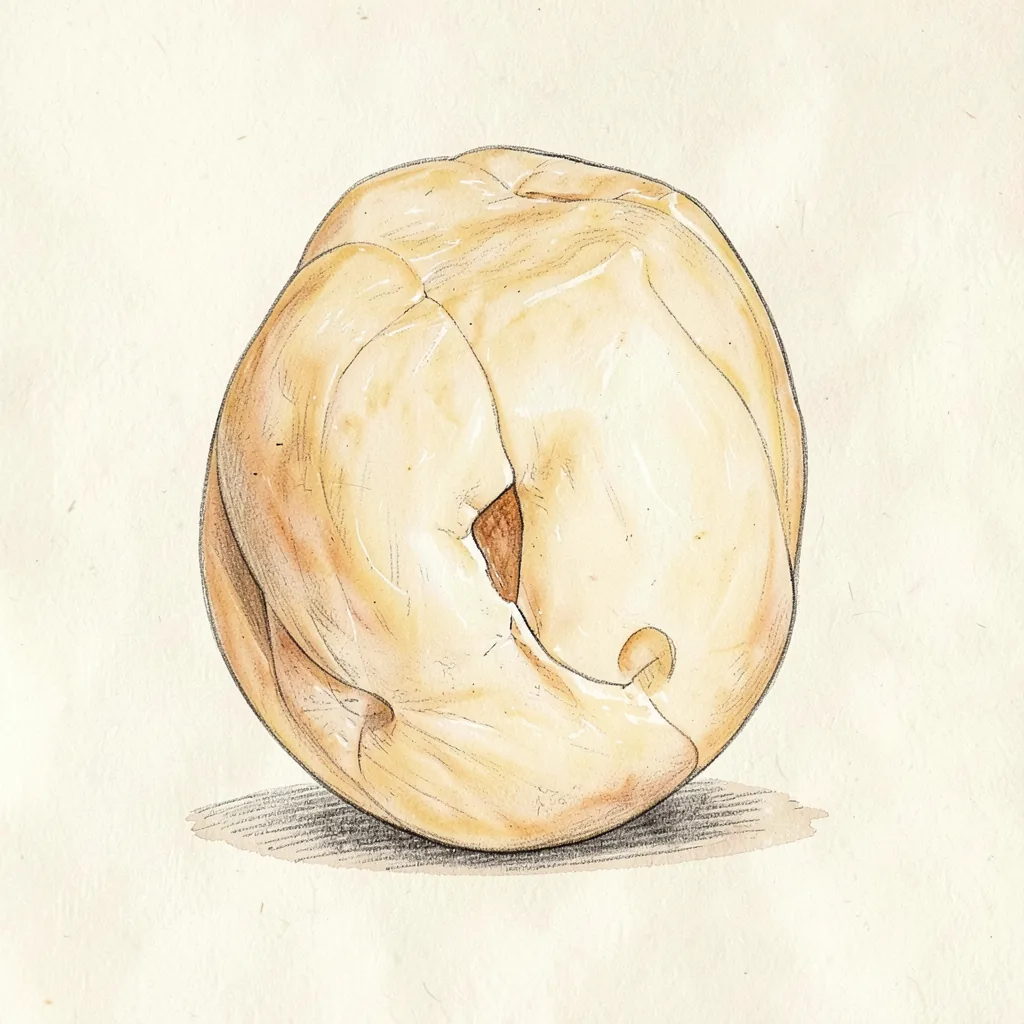
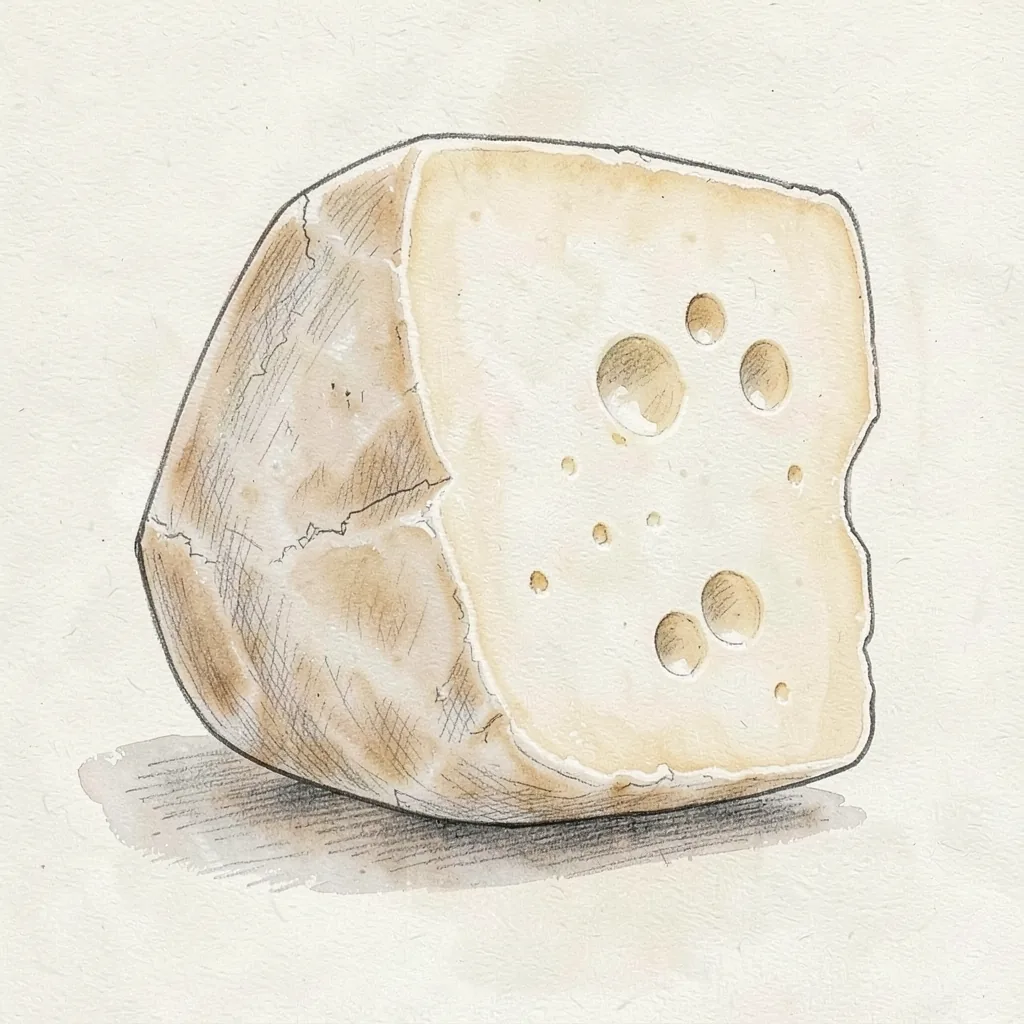
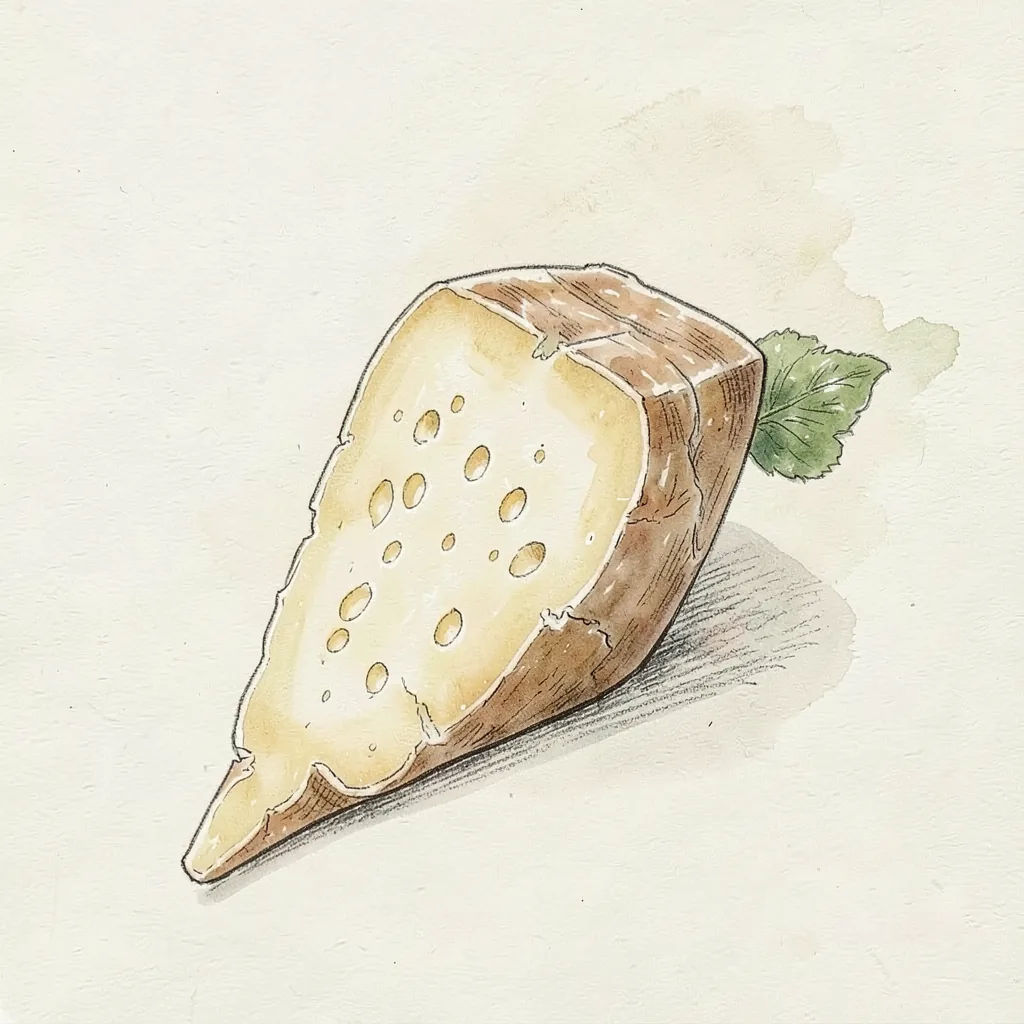
The name comes from asar, a Spanish verb for roasting or grilling, and that kitchen use is the identity of the cheese. Pieces are often flat rounds or tidy blocks, pale and smooth, with no real rind. The body is semi-soft when cold, and it softens and stretches once it is warmed. Cooks reach for it when a dish needs melt more than a strong aged flavor.
Individual pieces are sometimes called asaderos, and queso asadero is the fuller Spanish name. An older spelling, azadero, appears in some references for the same cheese. The taste is gentle, lightly salty, and milky, so it does not fight with chiles, beans, or tortillas. It is a cooking cheese first. People sometimes mix it up with Oaxaca or Chihuahua cheese, and those are related Mexican melts, but they are not the same item.
History
Melting cheeses have a long role in Mexican cooking, and asadero grew as a cheese you could roast, grill, or fold into a hot dish. The style is tied to home cooking and to dairies that supply fresh or briefly rested pieces, not to a long cave age. The cheese traveled with people who moved, and it is now made and sold in Mexico and in parts of the United States. It remains a type, so texture can vary from one maker to the next.
Writers do not agree on every step of the old method, which is a reason to stay with the plain facts. The curd is heated so it becomes supple, and the cheese is shaped while it is still warm. Some makers form flat disks, and others form blocks that are easier to slice in a shop. The constant is the melt. A good asadero should soften smoothly in a pan or under a grill, and a rubbery or greasy piece has missed the point.
How it is made
Milk is cultured and set, and the curd is cut and warmed until it is ready to be worked. Heat and handling give the proteins the stretch that shows up later in a quesadilla or a grilled tortilla. The warm curd is salted and formed into rounds or blocks. There is no bloomy rind and no long wash, so the surface stays bare and pale in the package. Some versions are eaten quite fresh, and others rest briefly so the paste settles and the salt evens out.
Because the name covers a type rather than one factory recipe, the details differ. One dairy may pull the curd in the manner of other strand-forming cheeses, and another may knit it into a flat shape with less pulling. Both paths aim at a mild body that melts and can stretch, and rennet is the usual coagulant in modern dairy work. You do not need a colored rind to recognize the cheese. Look for a smooth, rindless piece that bends without cracking when it is still cool.
Taste
Cold asadero is mild, clean, and a little salty, with a milky sweetness and almost no bite. The aroma is faint, more like fresh dairy than like a washed rind or a blue, and the paste is moist and supple rather than crumbly. Heat changes it more than time does. Warmed, it turns glossy and can pull into strands, and the salt tastes a bit clearer. It will not grow crystals or a fierce finish, because it is not an aging cheese.
The pleasure is texture as much as flavor. A good melt is even and stretchy, and it should not split into a pool of oil. If the cheese is very fresh, the taste can be almost blank, which is useful under a spicy salsa. If it has rested a little longer, it may taste slightly fuller, still without funk. People who want a pungent cheese will be disappointed, and people who want a quiet melt will be satisfied.
In the kitchen
Asadero is built for quesadillas, melted cheese dips, and stuffed dishes that go under heat. Shred or slice it, then let the pan or the grill do the work. It also suits enchiladas and casseroles where you want cover without a sharp cheese taste. Chiles, onion, tomato, and herbs carry the taste, and the cheese carries the texture. Do not expect it to grate like a dry aged cheese over a finished plate.
On a board it is only a quiet option beside bread, and the better test is a hot tortilla. Fold the cheese in, warm it until it stretches, and you will see why the name points to roasting. Oaxaca can replace it when you want strands you can pull from a ball. Chihuahua cheese is another Mexican melt, often a bit tangier, and Monterey Jack is the familiar shop swap in the United States. Use a cheese that melts, not a cheese that crumbles.
Around the world
Outside Mexico, asadero is most often found in Latin American markets and in larger grocery stores with a broad cheese case. In the United States it sits near Oaxaca, quesillo, and other melting cheeses, and labels are not always consistent. Read the name on the package rather than guessing from a pale color alone. A cheese sold as asadero should be rindless and meant for heat. If the counter only has firm aged cheeses, you are in the wrong section for this style.
Cooks far from Mexico use it the way they use other mild melting cheeses, in grilled sandwiches, baked dishes, and pan melts. The stretch is the trait to protect, so avoid a long hard bake that drives off moisture and leaves the cheese tough. Where asadero is absent, Oaxaca or Monterey Jack will do the melting job with a similar quiet taste. For a recipe that says asadero, any of those mild melts is closer than a sharp aged cheese.