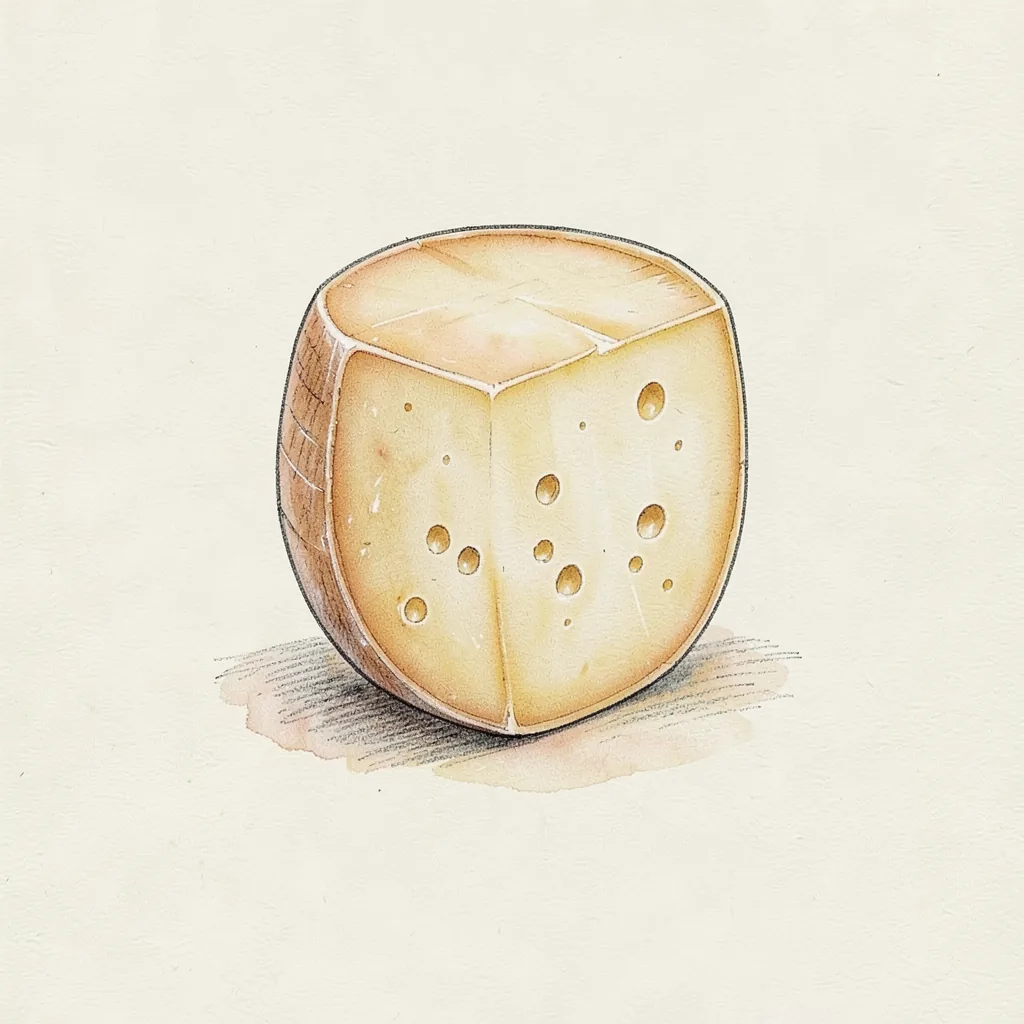
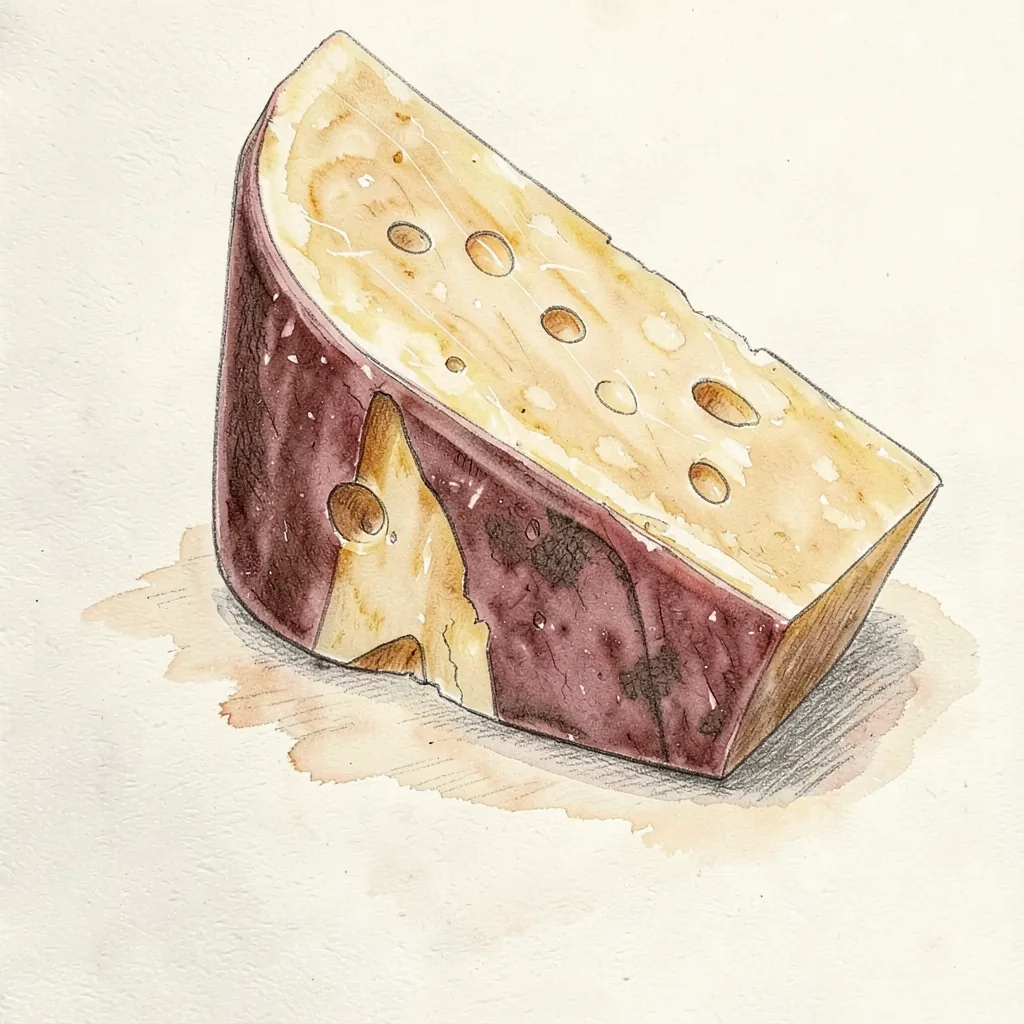
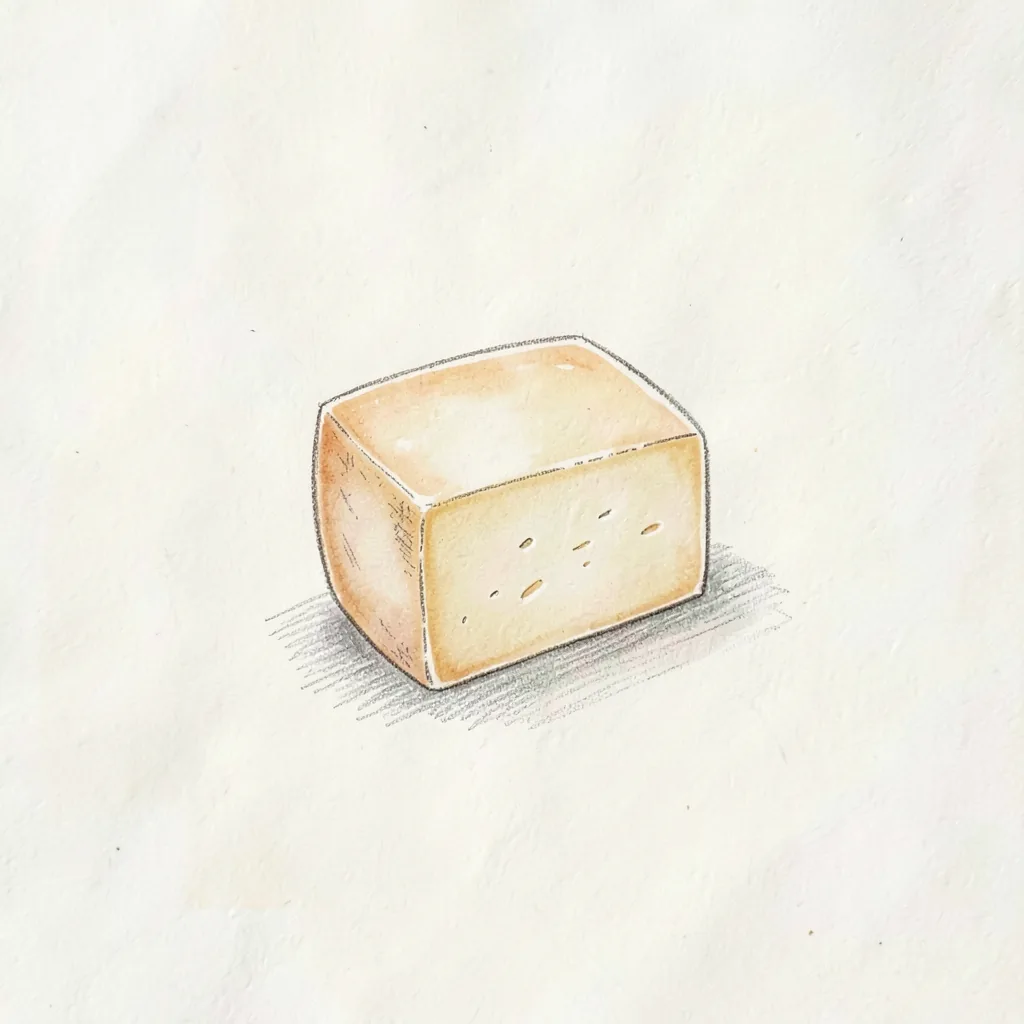
Cow
What it is
That original is a semi-hard cheese made from pasteurized cow's milk, formed into a small round and sealed in red wax. A wrapper sits over the wax, and the rounds are often sold together in a net bag. The flavor is mild, smooth, and slightly tangy. It is a brand portion, not a large wheel from one region of France.
The red wax is the signal most people know, and other wax colors in the same range mark other styles, such as cheddar or Gouda versions. Those are still snack portions under the brand, and they are not the same as buying a whole aged wheel. The original behaves like a young Edam-style cheese: sliceable, mild, and ready once the wax is peeled away. The wax is a coating. It is not a rind you eat.
History
The brand was developed in France as a small cheese that could travel as a snack, using a wax coat to protect a mild pressed cheese. The red round became the familiar original, and Mini Babybel is the name many packages use. It sits near other French portion cheeses in the shop, but the format is its own. No valley name is required to explain it. The product is the brand, the small size, and the wax coat that shoppers recognize.
Sales later reached far outside France, and the small waxed round became a lunch cheese in many countries. The original follows an Edam-like make, with pasteurized cow's milk and a cultured, salted curd, rather than a processed spread. Varieties multiplied, including other cheese styles and, in some markets, versions that are not dairy. The red original remains the reference point. When a package does not say which style is inside, the wax color and the label are the facts to trust.
How it is made
For the original, pasteurized cow's milk is cultured, set, and worked into a curd that is salted and formed into small rounds. The make follows the general path of an Edam-style pressed cheese, scaled down to a snack size. Vegetarian rennet is widely used, so the set does not depend on traditional calf rennet. The young cheese stays mild because it is not given a long dry aging. After forming, each round is coated so the surface stays clean.
The coat is colored wax, red for the original, applied so air stays off the surface. A thin wrapper covers the wax, and retail bags hold several pieces for the shop. Wax here is packaging and protection, not a natural rind that grows during aging. Peel it fully before you eat the cheese, since other colors in the range can mean a different style inside, so the wax is also a label. The cheese itself should look smooth and pale when the coat comes off.
Taste
The original tastes mild, milky, and lightly tangy, with a smooth dense body and a gentle salt. It is sweeter and less sharp than a mature cheddar, and it has a quiet nutty note that fits an Edam style. Cold from the fridge, the paste is firm and neat to slice. Let it warm a little and it feels creamier, still without becoming a spread. There should be no ammonia, and there should be no bitter wax flavor if the coat was removed cleanly.
A good piece is uniform, without cracks, slime, or a sour smell under the wax. The flavor does not deepen with a long age, because these portions are made to be eaten young. Other styles under the same brand can taste like Gouda, cheddar, and other mild cheeses, so the red original is the one this description fits. If the wax is a different color, trust that label instead of assuming the same taste. The shared trait is the small size, not one single flavor.
In the kitchen
Peel the wax and eat the round as a snack, or cut it onto a board with bread, apples, and a few nuts. It also works in a salad, cubed or in small pieces, where the mild salt picks up dressing. The cheese can melt on toast or inside a warm sandwich, though it will not flood a pan the way a processed slice does. Keep the heat moderate so it softens instead of frying hard. It browns a little, but it is still a young pressed cheese.
Lunch and travel are the jobs the format was made for, and one round is already a portion. That makes it simple for children and for a bag, as long as the wax stays intact until eating. Do not heat it in the wax, and remove the coat first, then slice or melt the cheese. It is a weak grate compared with a hard aged cheese, so use it in slices and bites. For a stronger cook, add cheddar or another firm melting cheese beside it.
Around the world
Babybel is sold widely, and production outside France supplies many markets. The red wax original is the international signal, even when a local label spends more words on snack size than on cheese style. In the United Kingdom the original is openly described as Edam style, while some other country sites say less about that kinship. The wording on the back of the bag can differ. The piece is still a small mild semi-hard round when the label says original.
Do not confuse it with La Vache qui Rit, even though both are French portion brands. That other brand is a soft processed wedge in foil, while Babybel original is a waxed pressed round. Edam from the Netherlands is the style relative, usually in a larger wheel and not as a French snack brand. A young Gouda can stand in on a board if you want a mild cow's milk cheese and cannot find the red wax. A random waxed round from another maker is a different cheese.