Cow
What it is
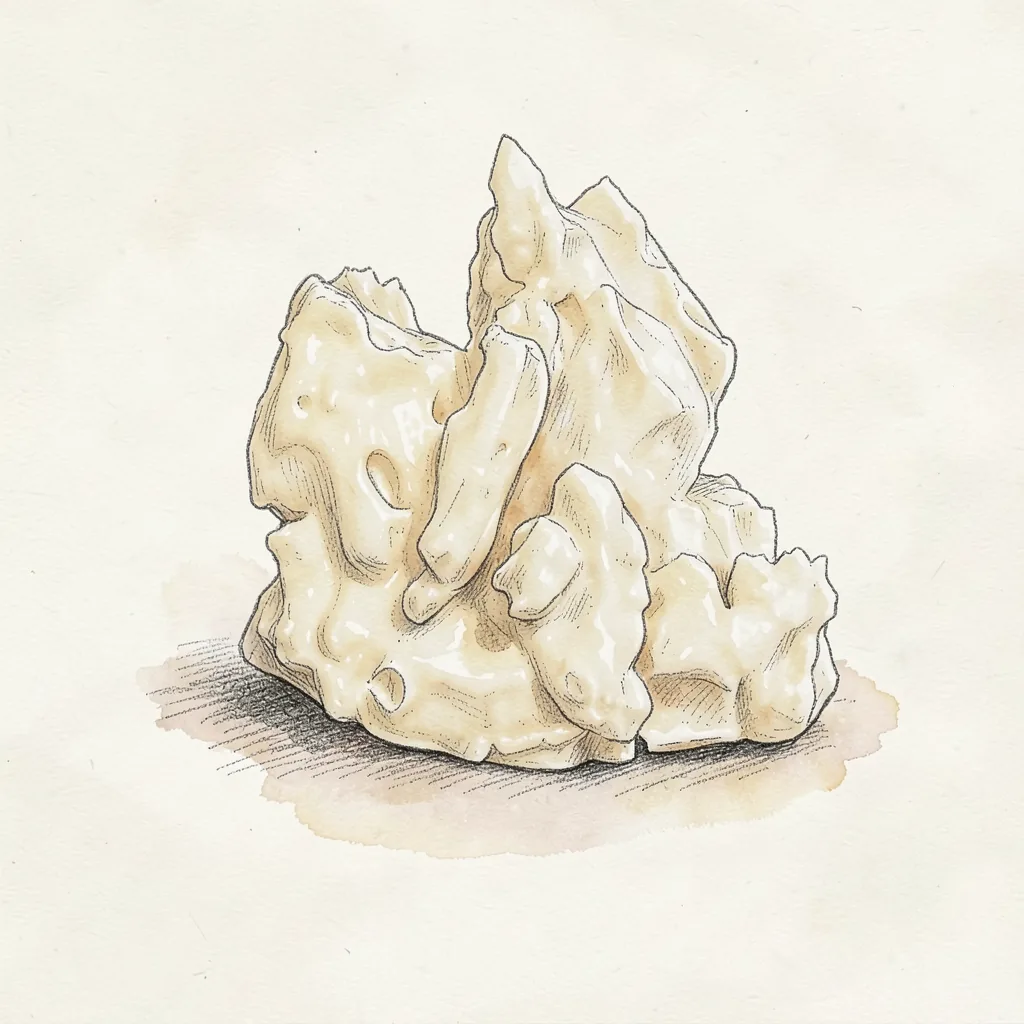
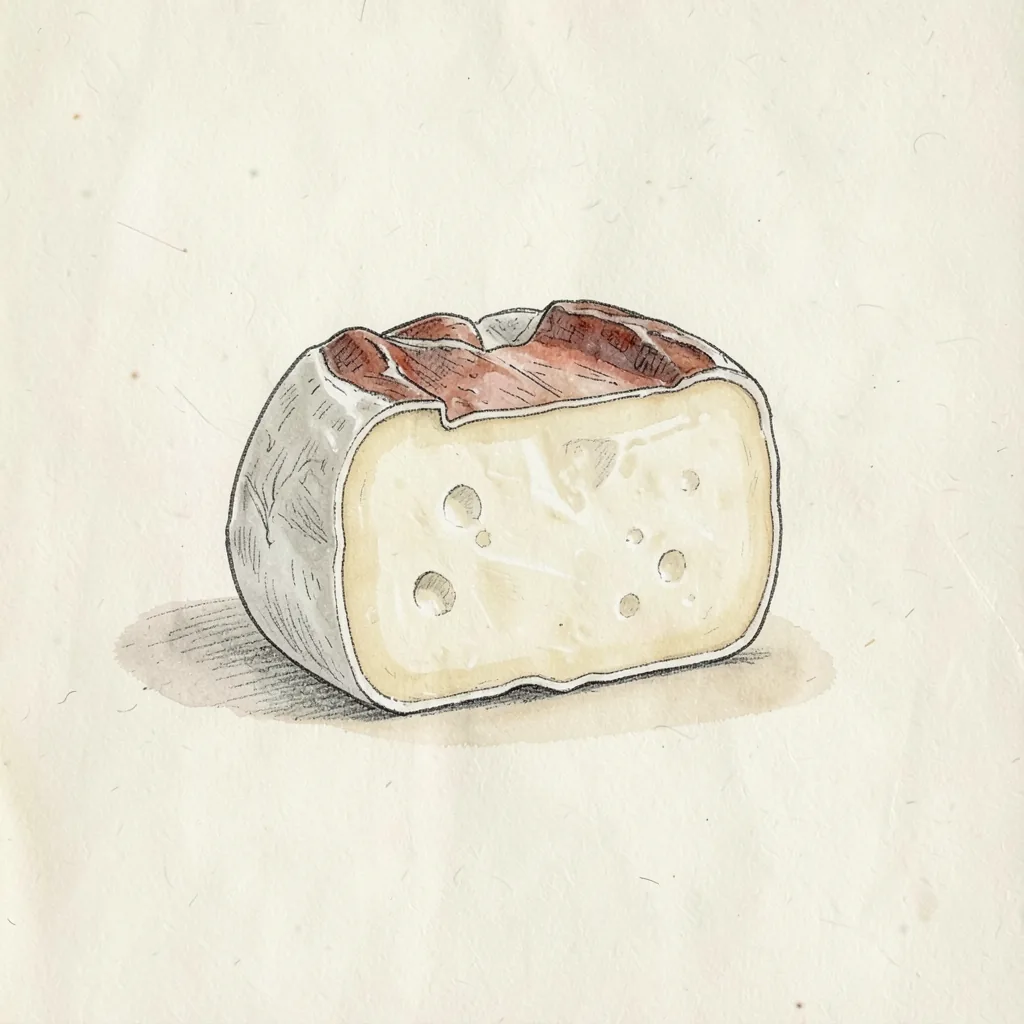
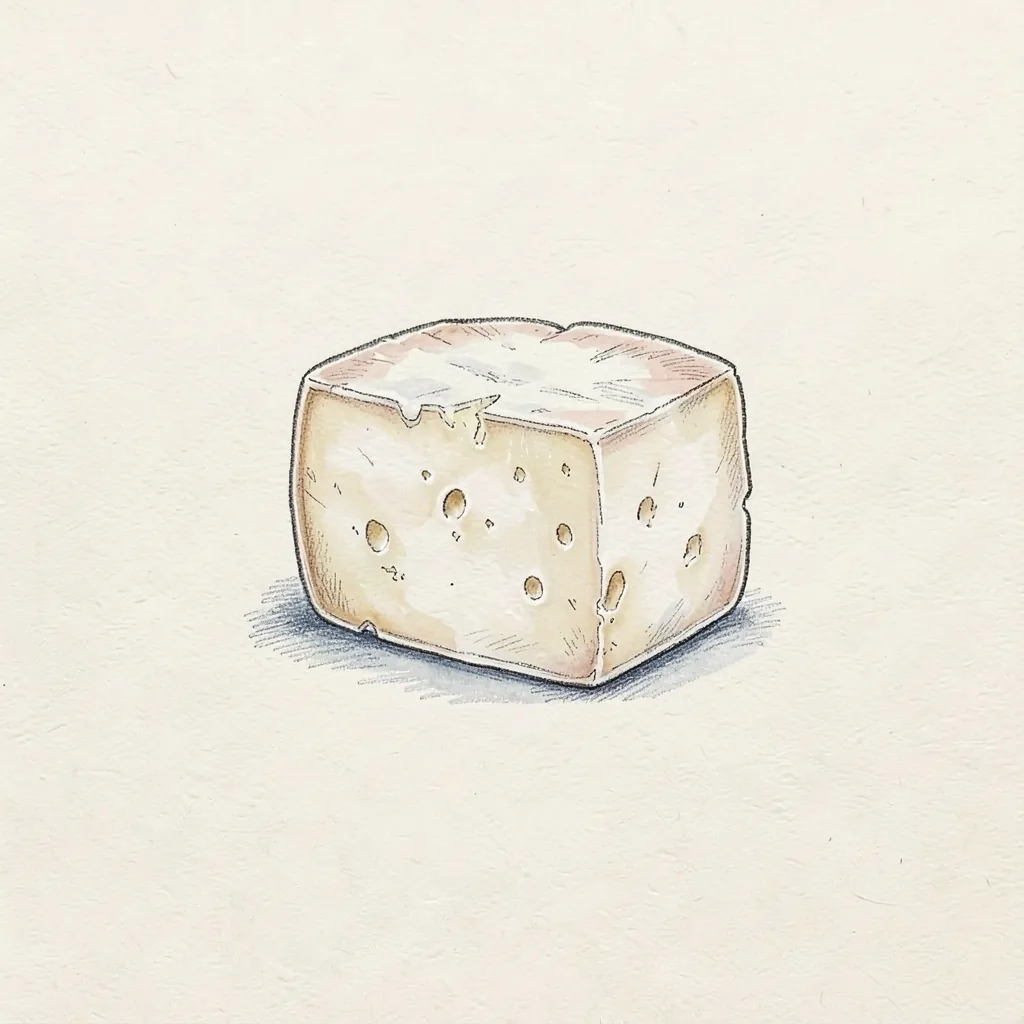
It is made mainly from cow's milk that is heated, cooled, and set with sour milk rather than with rennet. The curd is drained until it is thick enough to spoon or to spread on bread. Salt is part of the mix, and there is no rind and no long aging. The cheese stays mild, moist, and close to fresh dairy.
Home cooks and small dairies both make it, so the texture can change from one batch to the next. A leaner cheese uses more skimmed milk, and a richer one keeps more of the cream. Some batches are folded with kaymak, the thick cream layer taken from heated milk. All of them stay in the fresh family and are eaten soon. Basa is a kitchen cheese for bread, potatoes, and simple plates, not a wheel stored for a special board.
History
Basa grew up as a farmhouse cheese in Croatia, where households needed a way to turn fresh milk into food without a long wait. Sour milk from an earlier day was the culture, so a family could set a new pot with what it already had. The method moved from house to house, and small changes in cream and salt became local habits. It was everyday food, not a cheese made for export. That home origin still explains why one batch does not match the next.
Three loose types are still named in Croatian kitchens. Posna basa is the lean version made from skimmed milk. Ordinary basa mixes skimmed milk with whole milk, and basa pomješa blends the cheese with kaymak so the result is richer and closer to thick cream. None of these is a separate family of cheese. They are ways of balancing fat in the same fresh curd, and a shop label may not spell out which type you are buying.
How it is made
Fresh cow's milk is strained and heated, then cooled until it is warm rather than hot. Sour milk is stirred in, and the pot is left until the mix clots into a soft curd. Salt is added at a point that varies by household, sometimes early and sometimes after the curd has set. The curd is poured into cloth so the whey can run off. Rennet is not part of the usual method, which is why the taste stays lactic rather than firm and chewy.
Draining is the step that decides the texture of the finished cheese. A short drain leaves a loose, spoonable mass that barely holds a shape. A longer drain in cloth makes a thicker spread that can sit in a soft mound. Cream taken from the heated milk may be stirred back in for a richer batch. The cheese is not pressed into a wheel or given a rind, and it is kept cold and eaten while it is still fresh.
Taste
Basa tastes clean, milky, and gently sour, and the salt should be noticeable without turning harsh. The lean version is fresher and a little plain, like a soft curd with a yogurt edge. The cream-rich version is rounder and smoother on the tongue, with more of the milk's fat in the finish. There is no blue mold, no washed-rind smell, and no sharp bite from long aging. Aroma stays close to yogurt or to fresh dairy in a cold kitchen.
Because batches vary, one pot can be looser and tangier than the next, even in the same house. Kaymak makes the flavor richer and slightly fuller in the fat, not sugary. If the cheese smells yeasty, or sour beyond a light tang, it has sat too long and should be set aside. Serve it cool so the fresh taste stays bright. A dull, dried piece has lost the point of the cheese, which is softness and clean milk.
In the kitchen
Spread basa on bread, or spoon it beside baked potatoes and a few slices of cured meat. It can fill a savory pastry or sit on a plate of tomatoes and onions with a thread of oil. A spoon of it finishes a warm vegetable dish the way a fresh cheese does, without forming strings. It is not a grating cheese, and it will not brown like a firm slice on a grill. Use it as the soft, cool element in the meal.
Salt is already in the cheese, so taste a dish before you add more. If the curd is very wet, let it drain a little longer in a clean cloth until it thickens. Do not boil it, or the gentle texture breaks into grainy bits and the whey weeps out. Fold it into a warm dish at the end, off a hard boil. Keep it covered in the cold, and eat it soon, because a fresh cheese does not improve if you wait.
Around the world
Outside Croatia, basa is uncommon in ordinary supermarkets and easy to miss on a long cheese counter. You are more likely to meet it in a Croatian home, a specialty shop, or a market that stocks Balkan dairy foods. The name can be confused with other white cheeses if the label is vague and shows no description. Look for a soft spread with no rind, sold fresh and kept cold. Lička basa and lički sir are names you may see on a jar or a wrap.
Quark or fromage blanc can stand in when you need a mild, spoonable cheese and basa is not on the shelf. Both are fresh and tangy, though neither carries the same range from lean curd to kaymak-rich cream. Cottage cheese is lumpier, so mash it if a dish needs a smooth spread instead of curds. Do not swap in a brined white cheese and expect the same soft, fresh curd. Basa is closer to a dairy spread than to a salty cube kept in brine.