Cow
What it is
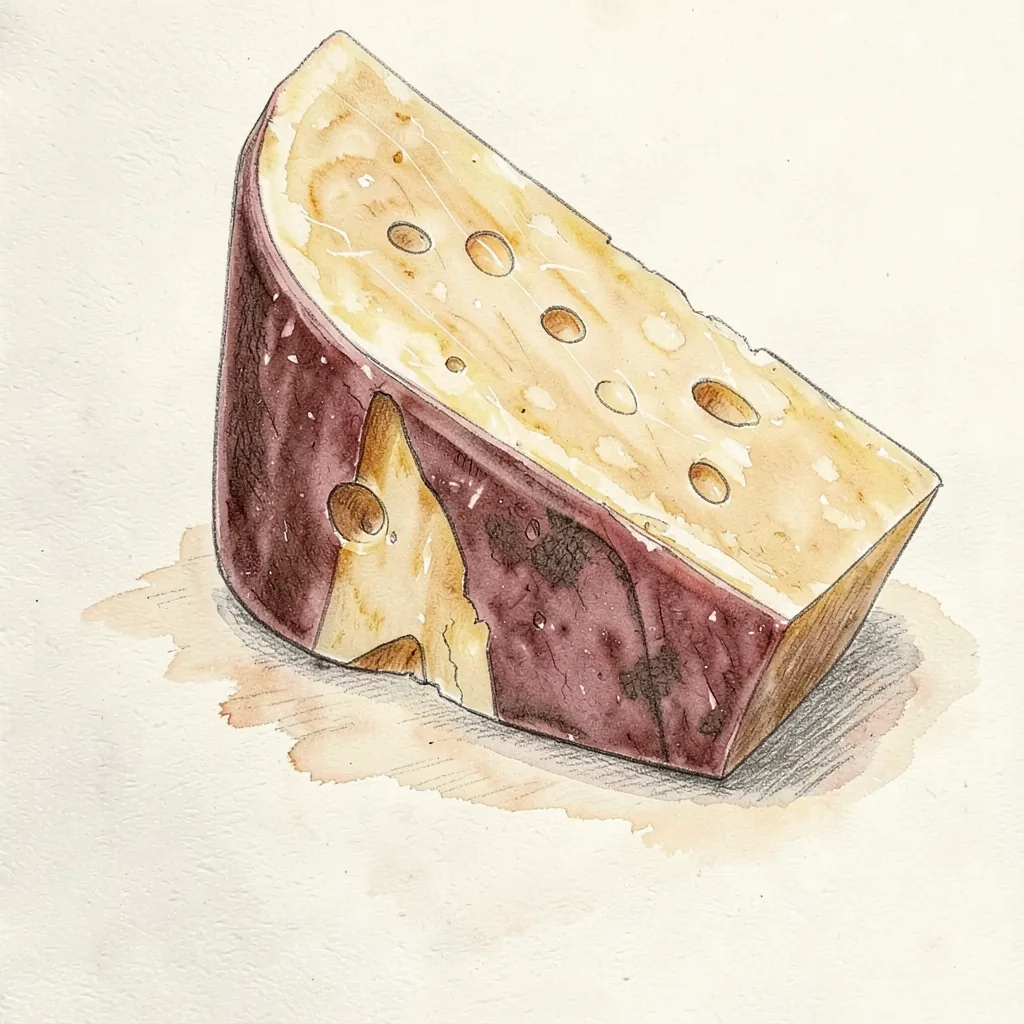
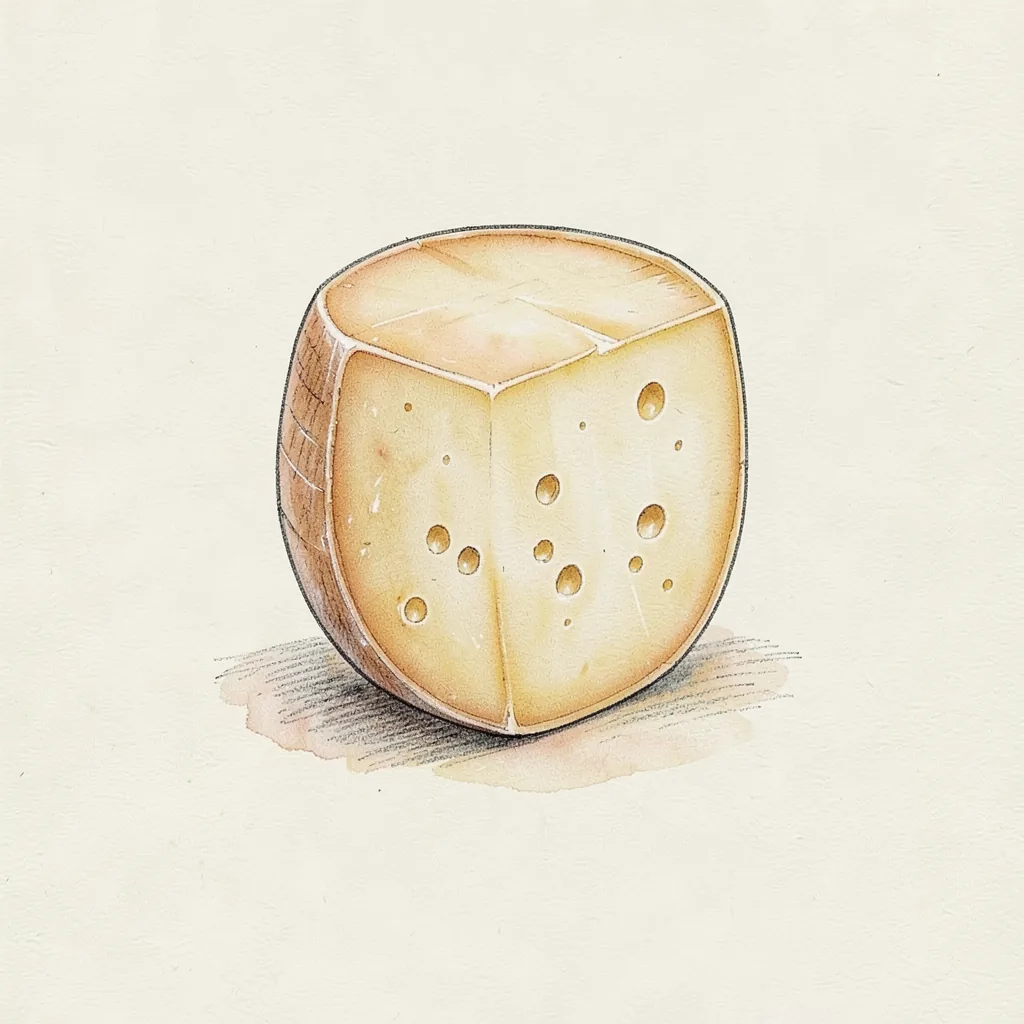
The paste is smooth when the cheese is young, with small eyes that come from the cultures used in the make. Flavor starts sweet and mild, then grows deeper and more savory as the wheel dries. Cow's milk is the base of the familiar wheels. A shop label often adds a style, such as a younger wheel or a mature one, and that cue matters in the kitchen.
A young Beemster slices cleanly and melts well, and an older wheel is drier, more intense, and better for a board or a grater. Both carry the same name at different stages, and they do not behave the same way in a pan. The rind on a traditional wheel is natural, and the interior stays a warm yellow. You will not find blue veins or a washed-rind smell. Think of a Dutch pressed cheese, close to Gouda, with a clean dairy sweetness that age can turn nutty.
History
Dutch cheesemaking has long centered on pressed cow's milk wheels, and Beemster belongs to that national habit. The name is tied to dairy culture in the Netherlands rather than to a recipe borrowed from another country. Creameries make it in the broad Gouda manner: a washed curd, a brine, and a wheel that can be sold young or held to mature. The cheese became familiar abroad as a grocery and specialty-shop Gouda, not as a fresh cheese. The note on the label tells you which character you are buying.
There is no need for a founder story to explain the cheese. It is a commercial Dutch cheese with a consistent house style, and different ages are the main variation. Younger wheels feed the everyday market, and older wheels are the ones counters cut for people who want a firmer, sweeter intensity. Exports carried the name well beyond the Netherlands, where it often stands for aged Dutch Gouda. The country of origin on the wheel remains the Netherlands, and the milk in the standard cheese is cow's milk.
How it is made
Pasteurized cow's milk is warmed, cultured, and set with rennet. The curd is cut, and part of the whey is replaced with hot water, which is the washed-curd step typical of Dutch Gouda. That step supports a sweet potential flavor and helps the cheese age in a stable way. The curd is pressed into wheels, then salted in brine, and a natural rind forms as the wheel dries and is turned. Small eyes can appear as the cultures produce a little gas inside the wheel.
Aging is what splits the lineup. A short rest leaves a supple, mild cheese that still holds moisture, and a long rest drives off water, firms the paste, and builds a savory, slightly sweet depth. Very mature wheels may show a little crunch from crystals in the paste. The rind is kept clean and dry rather than washed into a sticky orange coat. Young and mature wheels share the method, and only the time in storage separates them.
Taste
Young Beemster tastes of sweet milk, butter, and a light salt, with a smooth, elastic bite and a clean aroma. As the cheese matures, the same milk turns toward caramel, nuts, and a brothy savor, and the paste becomes firmer and a bit flaky. Salt seems clearer because there is less water left in the wheel. The rind itself is not the part you eat for pleasure, because it protects the paste. The flavor people want is inside the wheel, and it should taste rounded rather than bitter.
Eyes are small and scattered, not the large holes of a Swiss-style cheese, and they do not change the taste much. Texture is the practical clue on the board. If a slice bends, the cheese is still in its melting stage, and if it breaks into shards, it is in its grating stage. A good mature piece is rich and slightly sweet, with a savory finish. If a piece tastes flat and waxy, it is a very young cut, not a well-kept mature wheel.
In the kitchen
Use young Beemster where you would use a young Gouda. It melts into sandwiches, sauces, and potato dishes, and it slices for bread. Grate a mature wheel over vegetables, pasta, or a finished soup, where the concentrated flavor can stand in small amounts. Cubes of a middle wheel sit well on a board with apples, pears, or mustard. Do not cook the oldest, driest pieces for a long time, because they are better as a finishing cheese than as the base of a sauce.
The cheese also works on bread with mustard, and in a grilled sandwich if you choose a younger, moister piece. A mature wheel can be shaved rather than shredded when you want thin, flavorful bites. Pair the sweet older paste with something sharp, such as a pickle or a bitter green. Edam is a leaner Dutch swap for simple slicing, and Gouda is the closest match at the same age. Match age to age, or the melt and the flavor will both be wrong.
Around the world
Beemster is one of the Dutch cheeses most likely to appear in export markets under its own name. In the United States and elsewhere it is stocked as a Gouda, sometimes young and sometimes aged, in grocery cases and in cheese shops. Shoppers should read the cue on the label, because the name alone does not tell you whether the wedge will melt or flake. A mild wedge and a mature wedge can share the name and still cook differently. The milk in those familiar wheels is cow's milk.
Other countries make Gouda-style cheeses, and those can stand in when a Beemster wedge is missing. A Dutch farmhouse Gouda, including boerenkaas, will be close if the age is similar and the milk is cow's milk. Maasdam is a different Dutch cheese, with larger eyes and a milder nutty taste, so it is a poor match for a mature Beemster. Edam is often milder and a bit leaner. For a recipe that says Beemster, start with Gouda of a similar stage.