What it is
Local names include suhi dimljeni sir and dimljeni sir, which point to a cheese that is smoked and dried. A dark skin covers a pale interior, and the taste is piquant from the smoke and the salt. People eat it with meals rather than as a mild snack. Both home kitchens and dairies make it, so pieces can look a little different from one another.
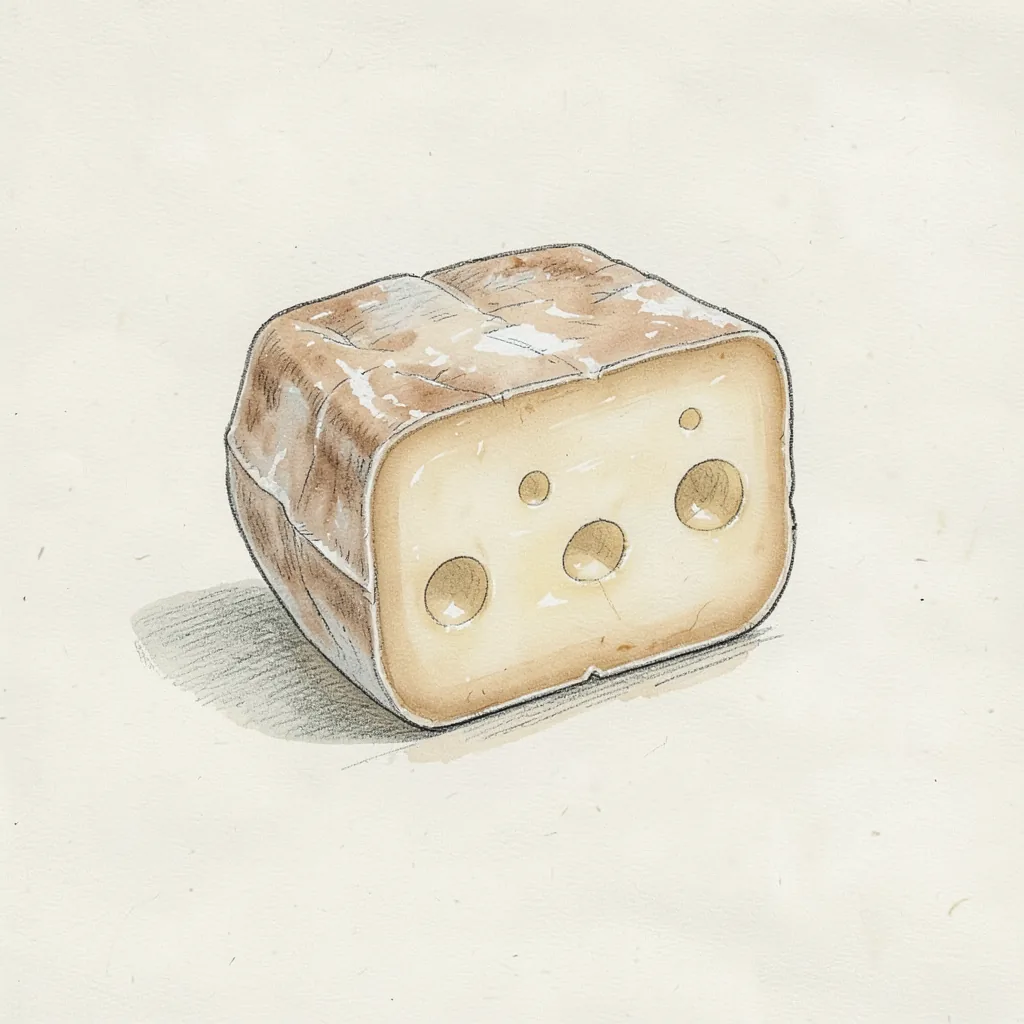
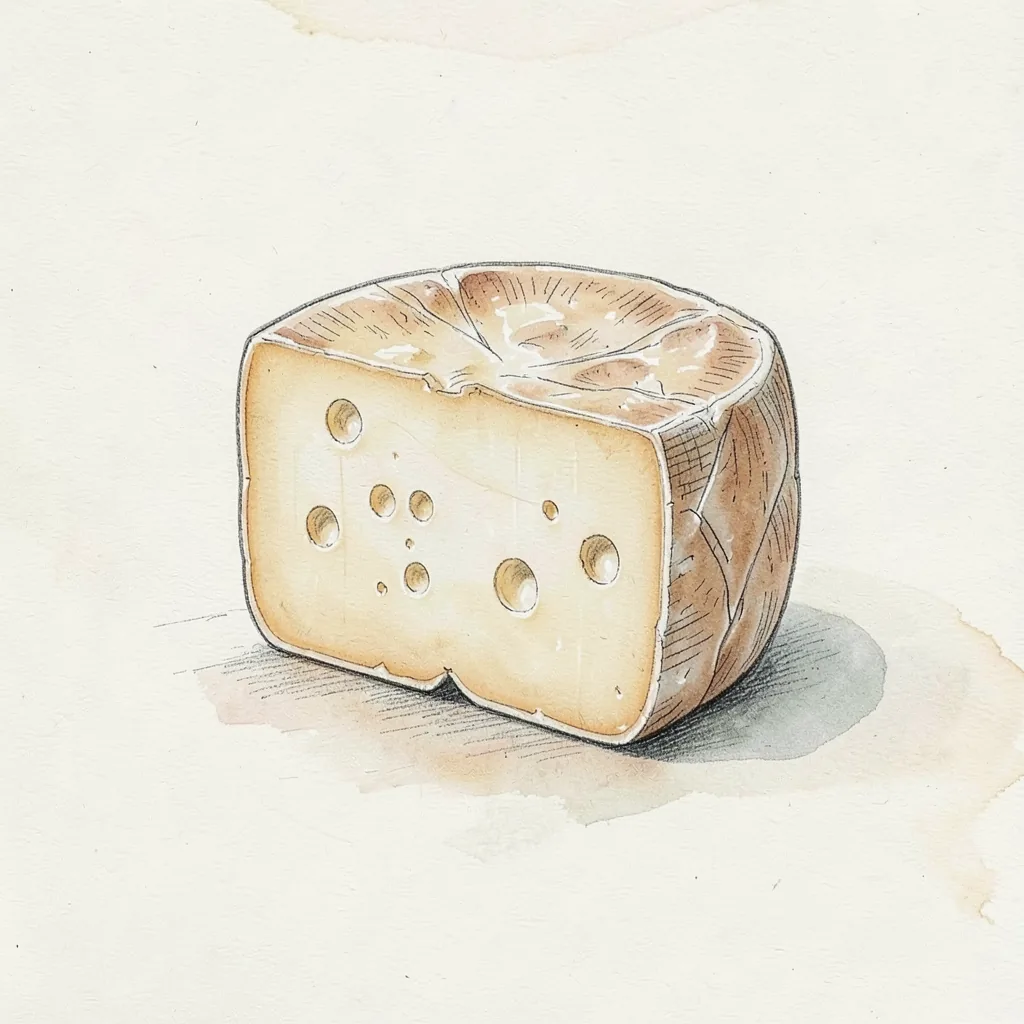
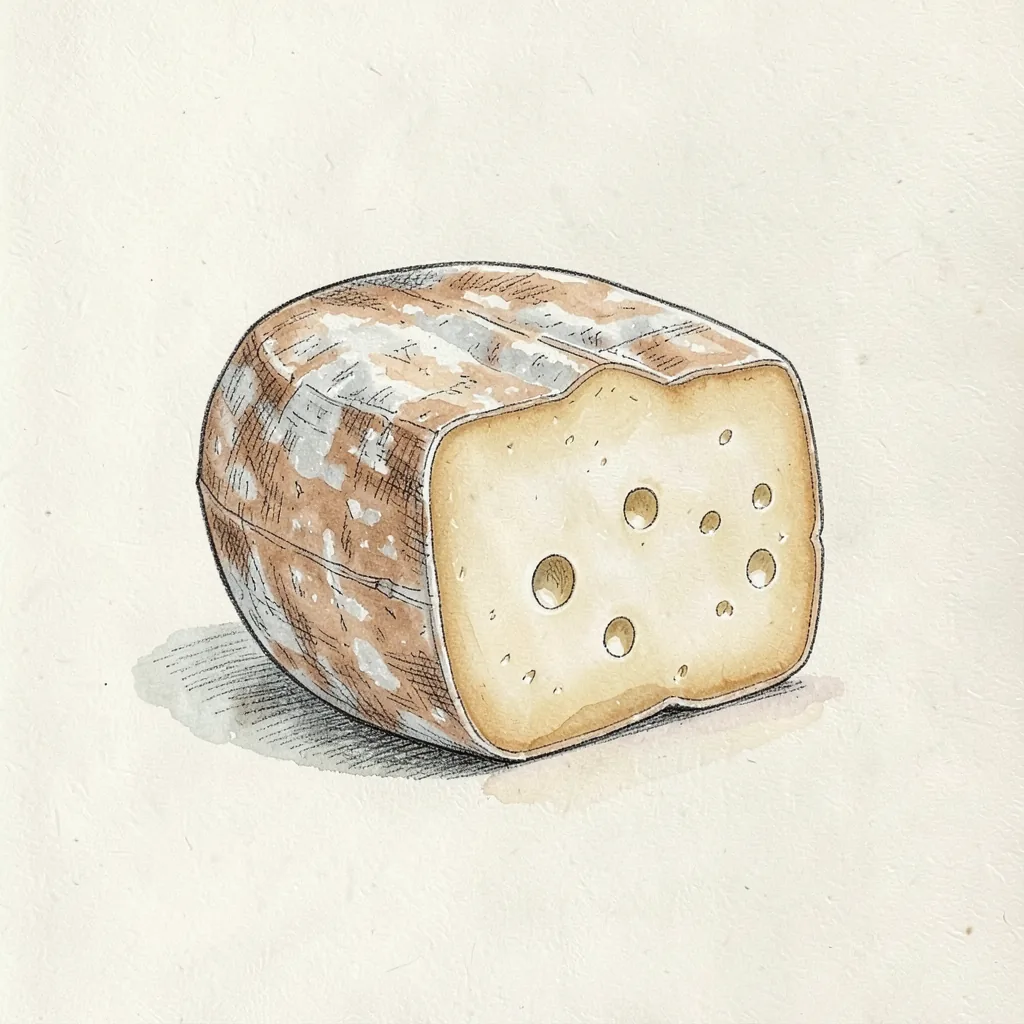
The form is usually a small round, with a firm body that slices thin or breaks into dry crumbs. The skin is darker than the paste because smoke colors the outside. There is no bloomy white coat and no blue veining. The cheese is sharp and savory, meant to add smoke to a plate. It keeps longer than a fresh curd because drying and smoking remove moisture and discourage spoilage.
History
Smoking and salting were old ways to keep food in Bosnia and Herzegovina before cold storage was common. Cooks already smoked meat, and they used smoke on cheese for the same reason. The cheese took on a dry texture and a piquant taste that people came to want, not only a longer life in the pantry. Similar smoked cheeses exist in neighboring Balkan countries. The Bosnian version stayed tied to home production as well as to dairies.
The cheese never became one sealed brand. Households smoked small rounds, and later some factories did the same on a larger scale. The names suhi dimljeni sir and dimljeni sir remained descriptive. Dry and smoked are the points those words carry. A piece from a farm smokehouse and a piece from a dairy can both be this cheese if they are dry, pale inside, and marked by smoke.
How it is made
Makers start with fresh curd, drain it well, and shape small rounds. Salt goes in to season the cheese and to help it keep. The rounds are then dried until the body is firm and low in moisture. Smoke is applied so the outside darkens and the aroma moves inward. The goal is a dry cheese, not a soft smoked slice that still weeps whey.
Home batches and dairy batches follow the same outline, with differences in how long the smoke lasts and how dry the paste becomes. The skin turns darker than the pale interior as the smoke takes hold. The paste inside stays white and firm. There is no wax dip and no mold-ripened coat. When the round is firm and the smoke smell is clear, it is ready to eat or to store.
Taste
Smoke is the dominant aroma, with a sharp, savory taste and a dry finish that stays on the tongue. Salt is clear, and a light sour note can sit under the smoke without turning the cheese harsh. The paste is hard and not creamy, so the bite feels lean. A thin slice has more bark-like intensity than a fresh mild cheese of the same size. People who like smoked food recognize the flavor at once, even before they look at the dark skin.
A well-smoked piece tastes clean, not like burnt wood and not like a chemical smoke flavor. Too little smoke leaves a plain dry cheese. Too much smoke covers every other note. The interior should be pale and pleasant, while the skin carries the darkest taste. If the cheese smells only stale or musty, it has been kept past its best and should not be the piece you serve.
In the kitchen
Serve Bosnian smoked cheese in thin slices beside cooked dishes, or grate a dry piece over vegetables, eggs, or a warm savory pie. The smoke acts like a seasoning, so taste before you add more salt. It can replace another sharp cheese in a simple meal. It does not melt into a smooth pool. Use it where you want bits of smoky flavor, not a stretchy layer.
A firm knife or a grater handles the hard paste better than a spreader. If the skin is very dark, some people trim it and others keep it for a stronger taste. Pair the cheese with plain bread, potatoes, or grilled vegetables. Sweet jams are optional and easy to overdo. Wrap the cut cheese so the smoke smell does not take over the rest of the fridge.
Around the world
Bosnian smoked cheese is best known in Bosnia and Herzegovina and in nearby Balkan markets. Elsewhere it is a specialty, found at shops that import foods from that region. Smoked cheeses from other countries can look similar because of the dark skin. Livno cheese is another Bosnian cheese, and it is not the same product. Read the label for smoke if that is the flavor you want.
Rauchkäse, the German smoked cheese, is a useful substitute when you need smoke and a firm slice. Oscypek, from Poland, is drier and can be grated or eaten in pieces in a similar role. Neither one is Bosnian, and neither carries the local names. Livno cheese can fill a Balkan board, but it will not guarantee the same smoked taste. If smoke is the point, choose a cheese that was actually smoked.