Mixed milk
What it is
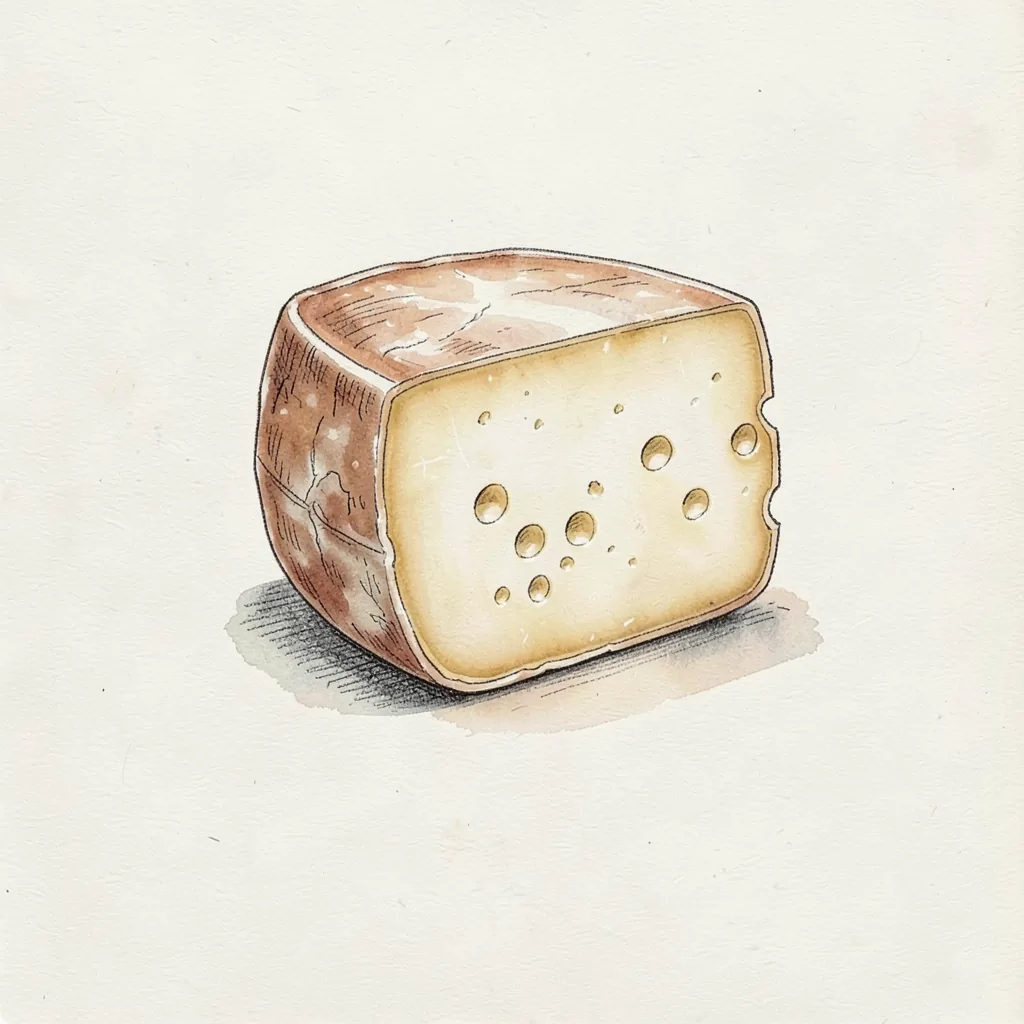
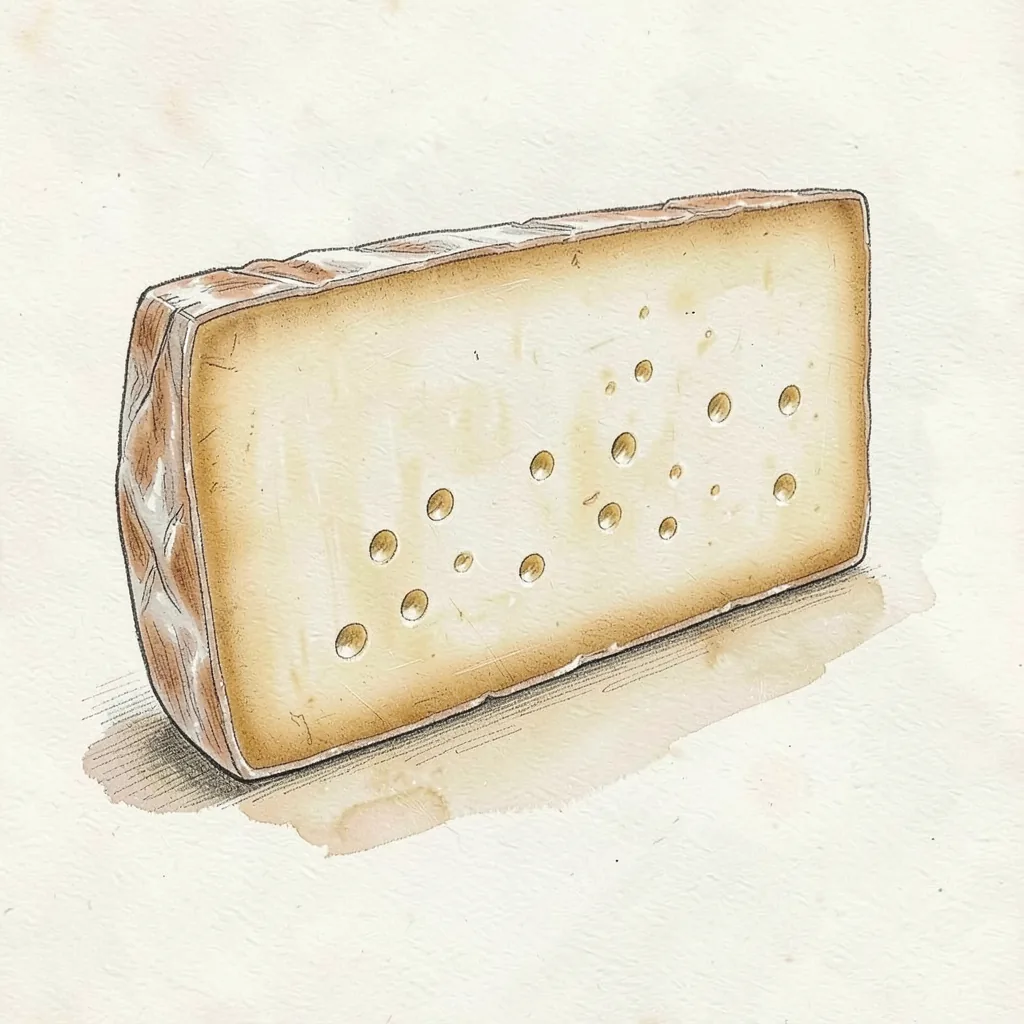
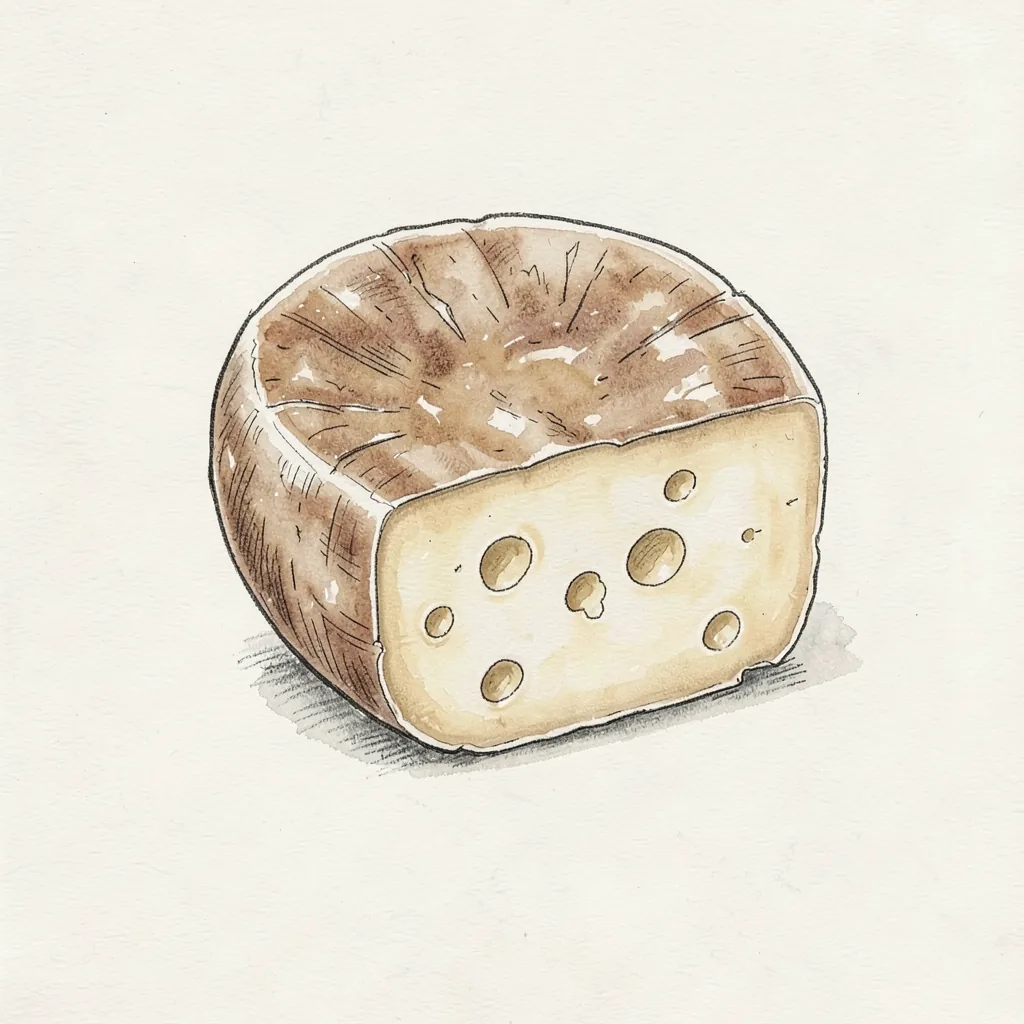
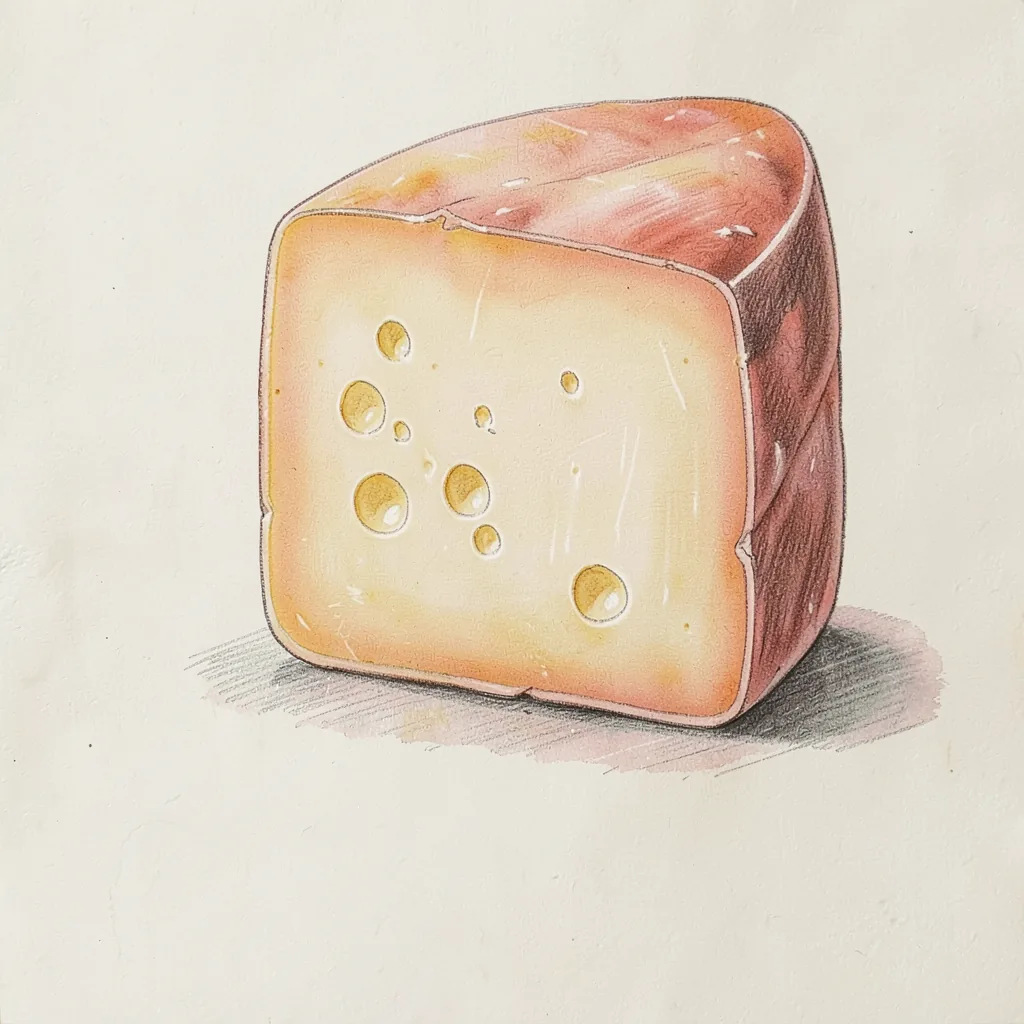
Makers use cow's milk, sheep's milk, or a mix of the two, and the wheels are round with a smooth natural rind. The paste is compact and pale yellow, often with a few small eyes scattered through it. The smell is strong and savory, like a mature mountain cheese. People also call it Livanjski sir, which is the Bosnian name for the same cheese.
The flavor is full, a little sweet, and often reminiscent of walnut. Older wheels turn more piquant, and the paste loses some of its elastic give. It works on a board and on a grater, not as a fresh soft cheese for spreading. Shoppers usually meet it in wedges cut from wheels made in and around Livno. A young piece slices cleanly, and a drier piece shaves into thin salty curls.
History
Livno cheese takes its name from Livno, in the west of Bosnia and Herzegovina. The style follows large alpine hard cheeses and was adapted to sheep and cow milk from the local pastures. Early wheels were often made entirely from sheep's milk. Later, many dairies moved to a blend, and some now use cow's milk alone. The name stayed with the town even as the mix of milks changed over time.
The cheese became a food of the wider country, not only of one town market. Households still make small batches, and larger dairies make wheels for shops and export. Both aim at a firm paste with a savory and slightly sweet taste. It is not a smoked cheese, though other Bosnian cheeses are dried over smoke. Age and the share of sheep's milk explain most of the difference between one wheel and the next.
How it is made
Milk is warmed, set with rennet, and cut until the curd is small and even. The curd is stirred and warmed gently, then pressed into molds so the whey leaves. Wheels are salted and aged until the paste is hard and the rind is dry and smooth. Cow's milk, sheep's milk, or a mix of both can follow that same basic path. Some dairies use raw milk, and others heat the milk before they set the curd.
During aging the wheels are turned in a cool and moist room. The paste starts elastic and light yellow, then grows firmer and a shade darker. A few small holes may form, and raw-milk wheels can show more irregular eyes. The aim is a closed, dense body rather than a wet or crumbly mass. No blue mold is added on purpose, and the rind stays natural and smooth.
Taste
The smell is pronounced, with herbs, cooked milk, and a light sheep note when sheep's milk is in the mix. Flavor is salty, mildly sweet, and nutty, and many tasters think of walnut. A young wheel is gentler and a little elastic on the tongue. Longer aging brings a piquant edge and a drier, firmer bite. Fat in the paste keeps the cheese from tasting chalky or hollow.
Color runs from pale yellow to a deeper gold as the cheese ages in the room. The cut face is compact, with few holes or with small regular ones. Sheep's milk pushes the aroma toward the pasture and the flock. Cow's milk alone is usually milder and a bit sweeter in the finish. Both versions stay hard, with the same broad wheel and the same savory character.
In the kitchen
Slice Livno cheese for bread, or shave it over warm potatoes and cooked vegetables. It grates once it is firm, and it melts in sauces and baked dishes without losing all of its nutty taste. Pickles or a ripe pear keep the salt in balance on the plate. Use a sturdy knife, because the rind is dry and the paste can be dense. Thin pieces do better on a plate than thick, heavy slabs.
In Bosnian meals it shows up at breakfast and again after the main plate. Cooks abroad can treat it like other hard mountain cheeses in a gratin or a savory pie. It is not the right cheese for a creamy spread on soft bread. Wrap the cut wedge so the face does not crack in the open air. A few shavings wake a salad, and a larger piece belongs on a cheese board.
Around the world
Livno cheese is the best known hard cheese of Bosnia and Herzegovina, but it is still uncommon in many export markets. Diaspora shops and Balkan grocers are the usual places to find a real wedge. Buyers sometimes expect a smoked cheese and get a plain hard wheel instead. The label may say Livanjski sir rather than the English name. Either name should point back to Livno and to this firm style.
Cooks who cannot find it often choose a nutty alpine cheese of similar firmness. That swap works in a melt or on a board, though the sheep note may be missing. It is not a blue cheese and not a fresh cheese kept in brine. Interest has grown as Balkan foods travel, and the cheese still reads as a local product. Check the milk on the label if you need sheep's milk, because all-cow wheels are also sold.