Cow
What it is
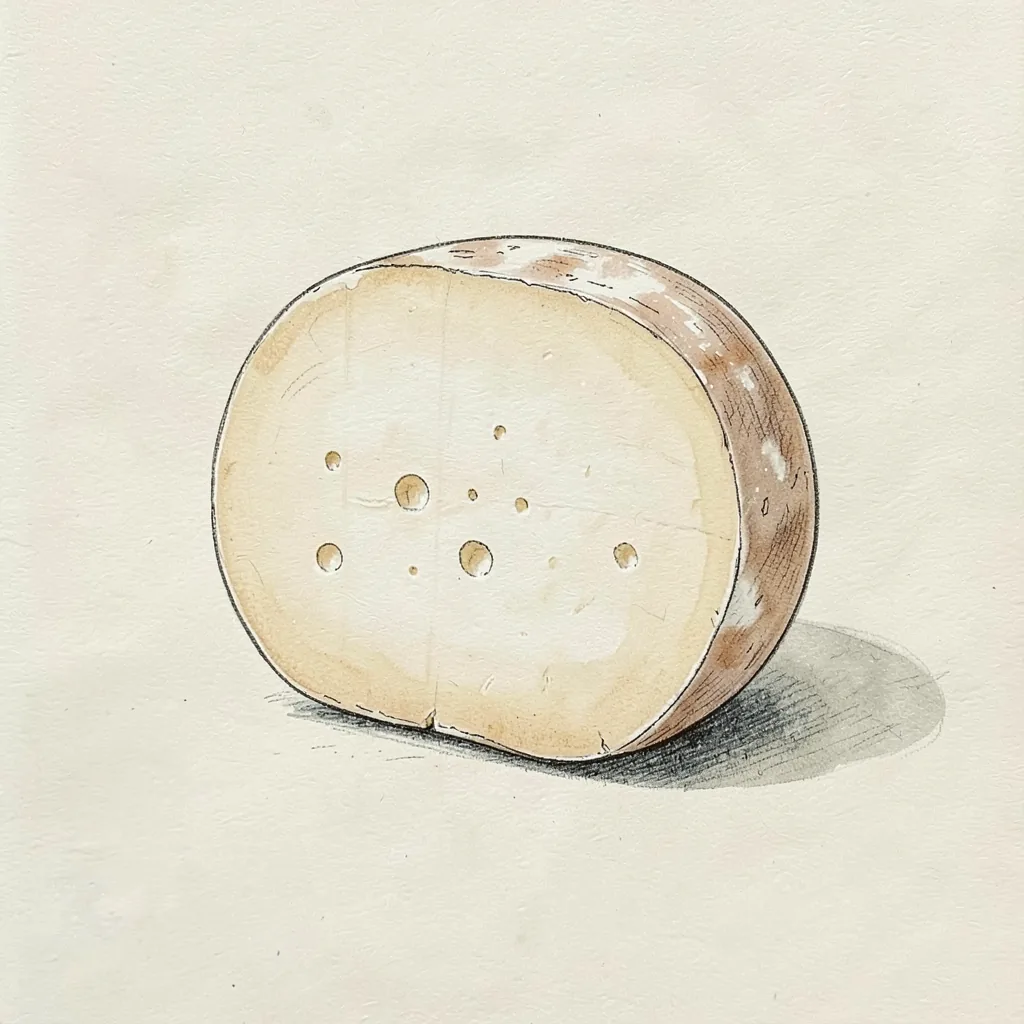
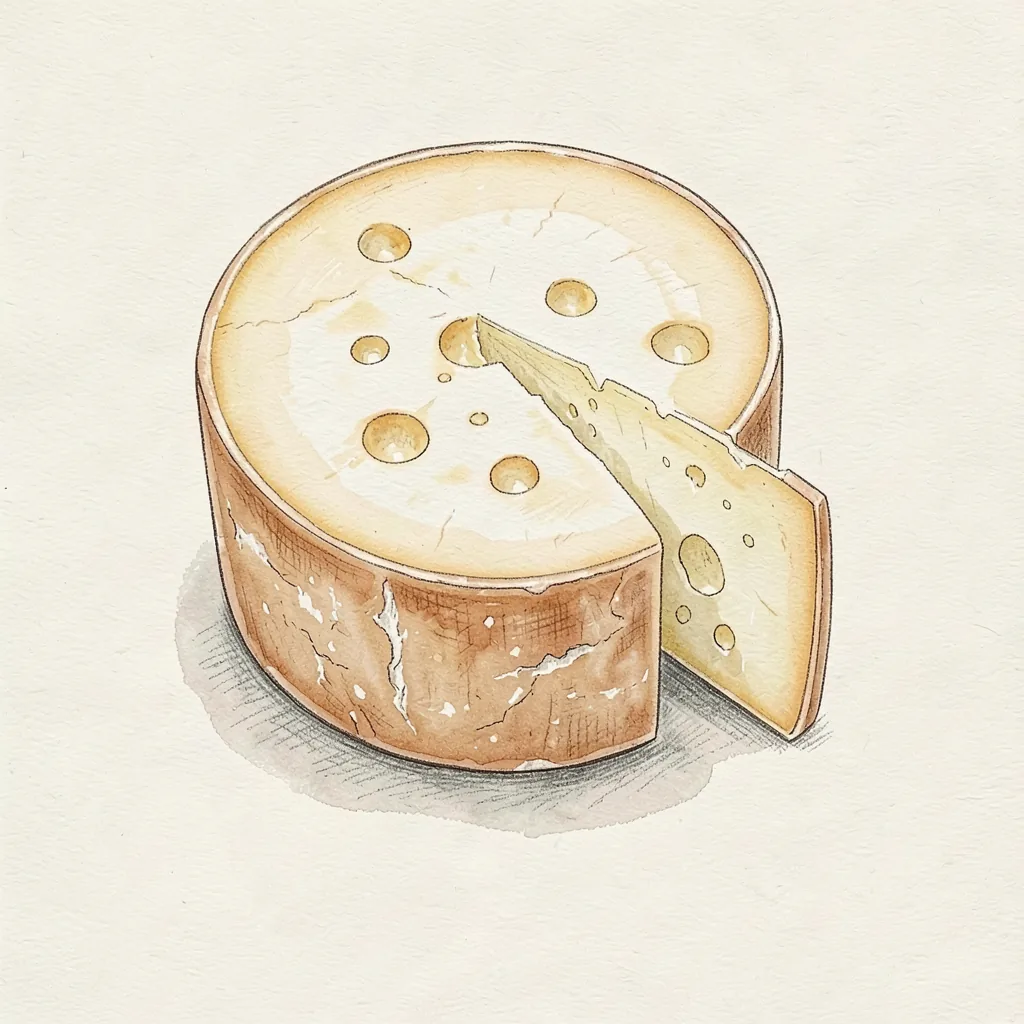
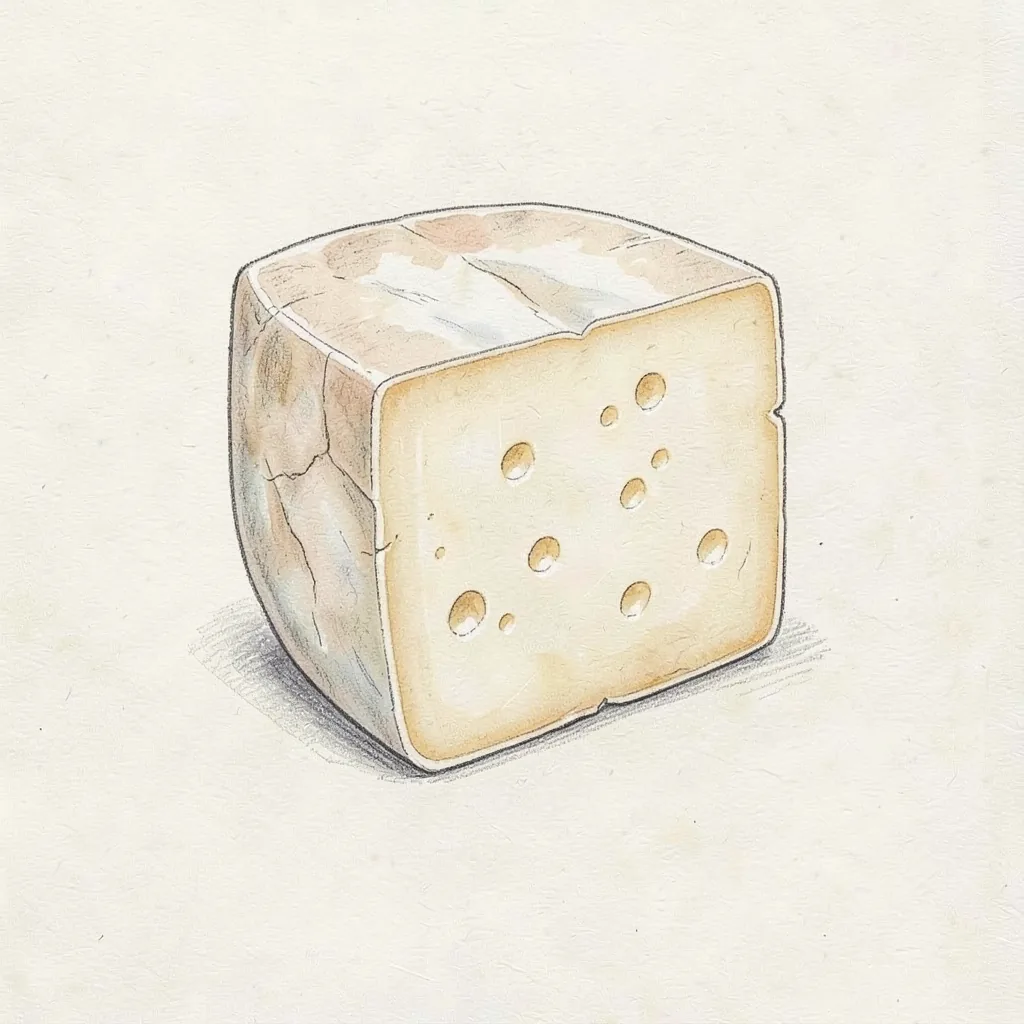
The name means smoke cheese, and the smoke is the defining step, not a single brand. A typical piece has a brown rind, a pale dense interior, and a savory smell of wood smoke. The paste is smooth and compact, and it softens readily when heated, with salt and a mild spice note under the smoke. It is sold in blocks and small wheels for both the table and the kitchen.
Rauchkäse is a style, so two makers can smoke different mild cheeses and still use the name. The better known examples are semi-soft, cow's milk, and smoky without being harsh. The brown outside is edible if it tastes clean, and inside, the color stays pale yellow to ivory, sometimes with a few small eyes. It is not a hard alpine wheel and not a fresh cheese. Think of a supple slicing cheese that has spent time in smoke.
History
Smoking cheese is an old way to season food and help it keep, and in Germany that habit produced the style called Rauchkäse. The word is general, and it describes the treatment more than one village recipe or one family firm. Dairies in different parts of the country smoke mild cow's milk cheeses and sell them under this name. Some versions became familiar grocery items, but the name is not a trademark with a single owner. What the cheeses share is wood smoke on a supple paste.
Because the name is broad, labels matter. One Rauchkäse may be a smoked version of a mild semi-soft cheese with a natural rind. Another may be a specific dairy's smoked wheel with its own brand name beside the style. Both can be honest Rauchkäse, and you are buying a smoked character and a supple texture, not one official recipe from a single place. Compare the milk, the rind, and the strength of the smoke when you choose.
How it is made
Makers start with cow's milk and make a mild semi-soft cheese. The curd is set with rennet, cut, drained, and shaped in molds, then salted. The young cheese is supple before it ever sees smoke. Smoking comes next, usually over wood, until the rind browns and the aroma moves into the paste. The exact fuel depends on the dairy, a light smoke is the usual aim, and the goal is flavor rather than a blackened crust.
A well made Rauchkäse has a dry brown rind and a moist, even interior. Small eyes can appear, but large cracks mean the cheese dried too much. The smoke should smell like clean wood, not like soot or chemicals. Some dairies smoke a cheese that already has a washed rind, and the smoke then sits on top of that aroma. Others smoke a plain mild cheese and let the wood be the whole story, and both appear under the same German name, so the label line is worth reading.
Taste
The flavor is smoky, salty, and mildly savory, with a smooth dairy background, and a good piece is not bitter. The rind carries more smoke than the center, so a bite with both parts tastes fuller. The paste is semi-soft, dense, and a little springy, and it does not crumble. Warm, it becomes softer and the smoke seems rounder and less sharp, while cold it slices for bread and still shows the wood note. Spice, when it is there, is gentle rather than hot.
Not every smoked cheese labeled this way tastes the same. A light smoke leaves the milk flavor easy to find, while a heavy smoke can cover it and turn the rind acrid. If the piece smells only of ash, choose another. Eyes, when present, do not change the taste much, but they tell you the base cheese was an open semi-soft style. Let the cheese lose its chill before you judge it, because cold smoke smells thinner than it really is.
In the kitchen
Rauchkäse melts well, which is why cooks use it in gratins, on potatoes, and in raclette-style pans. It also slices onto bread with mustard, pickles, or a thick tomato slice. The smoke means you can use less of it than of a very mild cheese and still taste it. Add it late in a sauce so the smoke stays fresh and the fat does not separate. It browns nicely on a grill or under a hot broiler, but keep the heat moving so the rind does not scorch.
Balance the smoke with something fresh or sharp, such as apple, onion, pickled cucumber, or a simple green salad. Beer is a natural drink beside it, and a dry white wine works too. Do not pair it with another very smoky food, or the plate tastes flat. Leftover slices are good on toast, and they also melt onto a baked potato. Cover the cheese, because the smoke smell travels in a shared box.
Around the world
Rauchkäse travels better than many soft cheeses, and German grocers abroad stock a smoked loaf or a small wheel. The English words smoke cheese may appear next to the German name, so do not assume every brown rind is this style. A smoked scamorza, a smoked cheddar, and a German semi-soft Rauchkäse can look similar at a glance. Check that the paste is supple and the label says the cheese is semi-soft or a slicing cheese. A hard smoked block will not melt the same way.
Scamorza is a useful substitute when you need a smoked cheese that softens over heat. It is firmer and more elastic than Rauchkäse, but the kitchen result is close. Metsovone is a Greek smoked cheese that can cover a gratin or a bread plate in a similar savory way. Butterkäse is the mild German semi-soft cheese people confuse with the base of Rauchkäse, yet it has no smoke unless the label says so. If you want the wood note, buy the smoked cheese.