Sheep
What it is
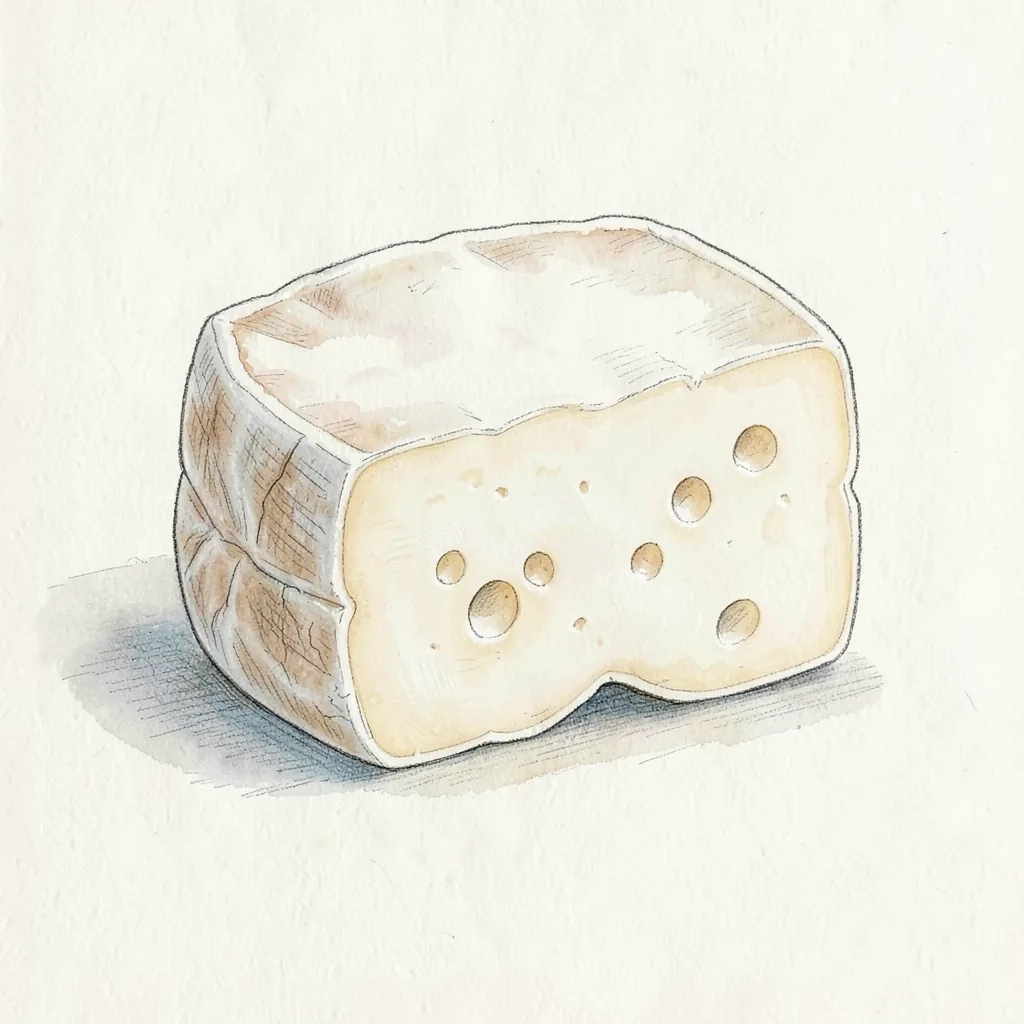
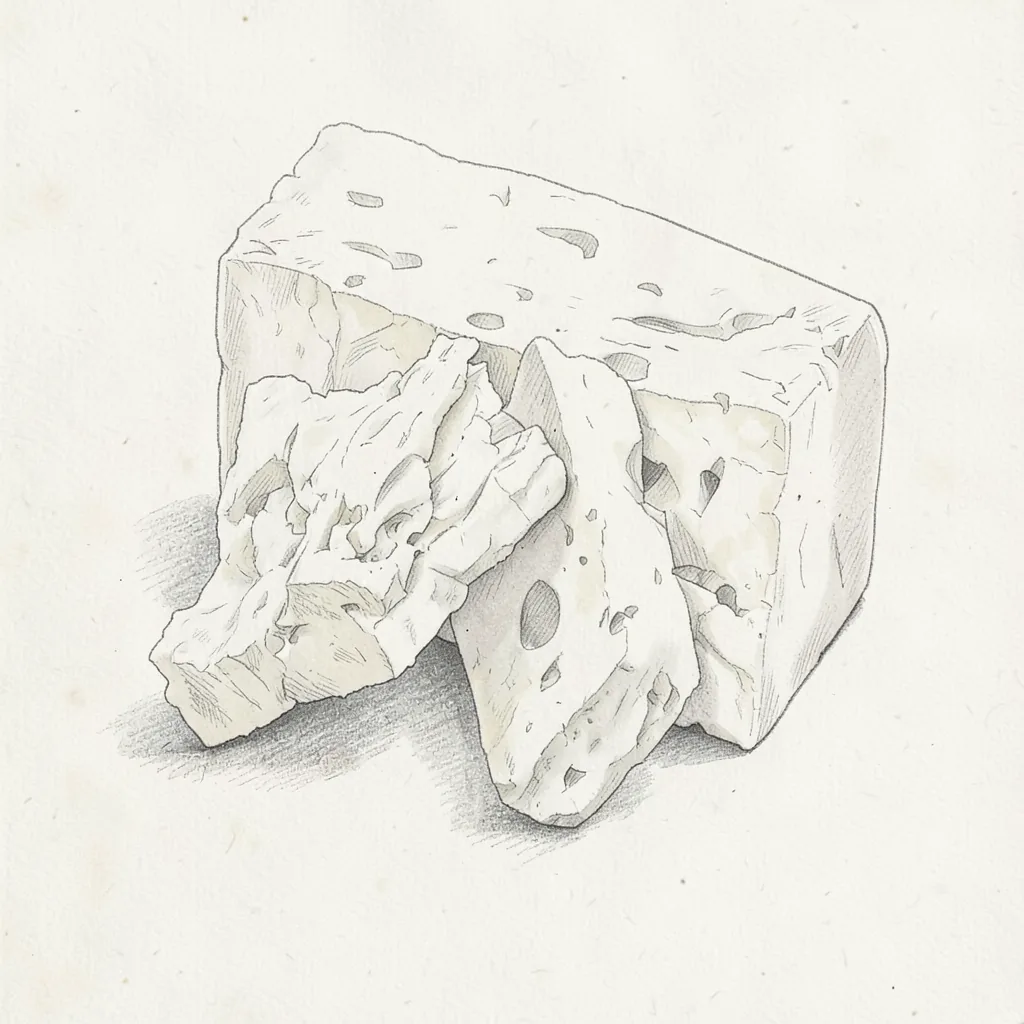
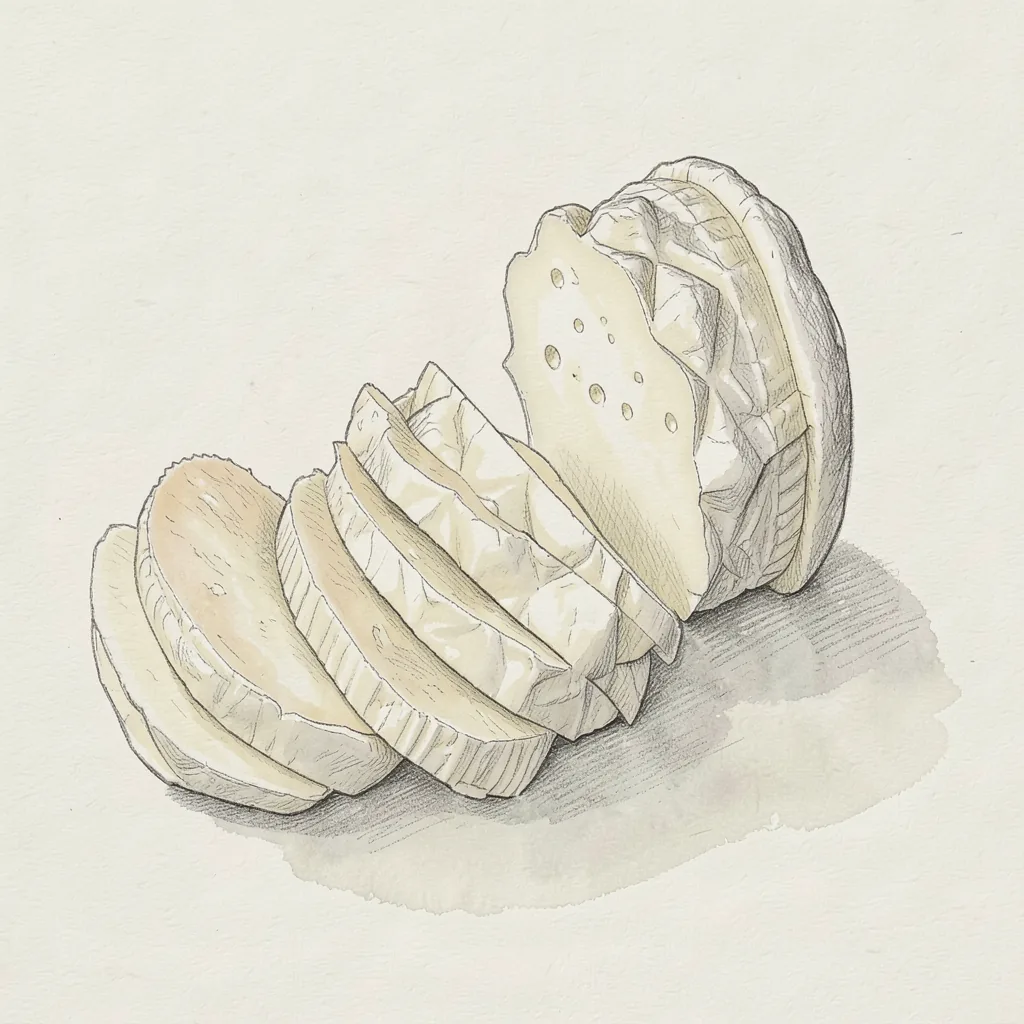
Shepherds make it from the milk of mountain flocks, and the paste is white, cream, or sometimes faintly green. It is salty, lightly sour, and strong enough to taste of the pasture. The cheese is spreadable and a little grainy, not a firm wheel you cut into neat tiles. Sheep's milk is the heart of it, and that milk gives the sharp, savory smell.
A small share of cow's milk is sometimes mixed in, but sheep's milk still leads the recipe. The cheese follows the grazing season, when the flocks are on high grass and the milk is at its richest. Fresh batches feel creamy and loose in the tub. More rested batches can turn firmer, saltier, and a little more piquant. People in Podhale eat it on bread, stir it into dumplings, and use it as a sharp accent in warm dishes.
History
Bryndza is an old sheep-cheese word in the mountains of Poland and in neighboring lands. Bryndza Podhalańska is the version tied to the Podhale region, where flocks graze high pastures and the milk tastes of those plants. Herders turned fresh curd into a salted, fermented cheese that would keep beyond the day it was made. The method stayed in local hands rather than moving to one large factory. The name now marks cheese from that region, made in the shepherd style.
The cheese belongs with other Podhale dairy foods, including fresh sheep curd and smoked sheep cheeses from the same pastures. Those foods share milk and grass, but they are not the same thing on the plate. Bryndza Podhalańska is the soft, salty one you spread or crumble. Households still expect it when the flocks are out, and shops in Poland stock it when the season allows. A tub from outside the region may use the short name bryndza without being this cheese.
How it is made
Makers warm sheep's milk and set it with rennet in the shepherd way. The curd is broken, kneaded, and drained in cloth until it is firm enough to handle. Salt goes in, and the mass is worked until it is smooth but still a little grainy. Some batches start from fresh sheep curd that is crumbled and beaten with salt. A limited amount of cow's milk may join the sheep's milk, yet the sheep share stays the larger part.
The cheese is not pressed into a heavy wheel, and it does not grow a thick rind. It is packed as a soft mass, white to cream, sometimes with a pale green cast from the plants the sheep eat. Fermentation gives the sour edge that people expect. The surface may crack a little, and that is normal for this loose style. Keep it cold, because the soft paste does not have a dry rind to protect it from the air.
Taste
Expect salt, sourness, and a clear sheep aroma as soon as the tub is opened. The taste is lively and piquant, not hot with chili or pepper. A fresh batch is creamy and a bit tangy, with a soft grain on the tongue. A more rested batch is stronger and can feel sharper at the finish. That grain is part of the pleasure, like a gentle crumble that still spreads on bread.
The smell is pastoral, with notes of fresh milk, salt, and mountain grass. It is stronger than a mild cow's milk spread, and some people need only a small bite. Bitterness is not the goal, and a good batch stays savory and clean. The sheep character should be pleasant rather than rough or stale. Let the cheese soften slightly out of the cold so the aroma opens, then taste it on plain bread before you cook with it.
In the kitchen
Spread Bryndza Podhalańska on bread, boiled potatoes, or a warm flatbread. Crumble it over a salad when you want salt and tang without a firm cube. In Podhale cooking it goes into dumplings and other hearty dishes, where heat softens it and the sheep note seasons the filling. Use a light hand, because the salt is already high. A dry white wine is a simple partner, and plain rye bread works just as well.
Do not expect a long stretch like a firm slicing cheese. The paste loosens and blends, which is useful on a baked potato or in a simple sauce, but it will not pull into strings. If the tub looks wet, stir it and taste before you add any more salt to the dish. Herbs can sit beside it, yet the cheese already carries a pasture smell, so raw garlic can cover that. Finish a dish with it rather than boiling it until the flavor turns flat.
Around the world
Outside Poland, Bryndza Podhalańska is a specialty, not a standard supermarket item. Look for it in Polish shops, at importers, and at counters that know mountain sheep cheeses. Read the label with care, because the short word bryndza also covers cheeses from other countries and other recipes. A real Podhale tub should name the region. Keep it chilled and use it while it is fresh, since the soft paste does not age like a hard wheel.
Plain bryndza is the closest substitute, and it can fill a spread or a salad when the Podhale cheese is missing. The taste may be milder, or the milk mix may be different. Bundz is the fresh sheep curd of the same mountains, so it is related, but it is not the salted fermented cheese. Feta can stand in for salt and crumble, though it is brined in another way. It will not taste of Podhale grass, so use it as a salty stand-in, not as a twin.