Sheep
What it is
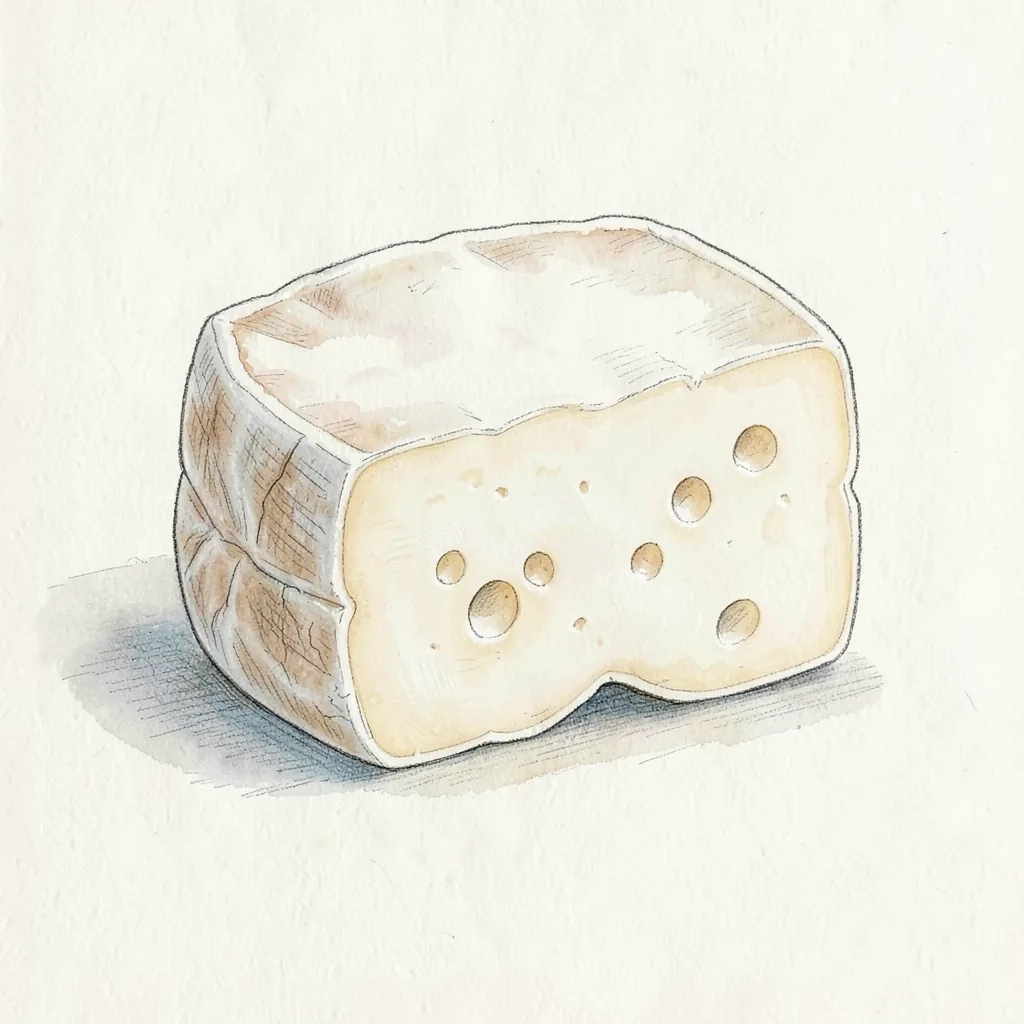
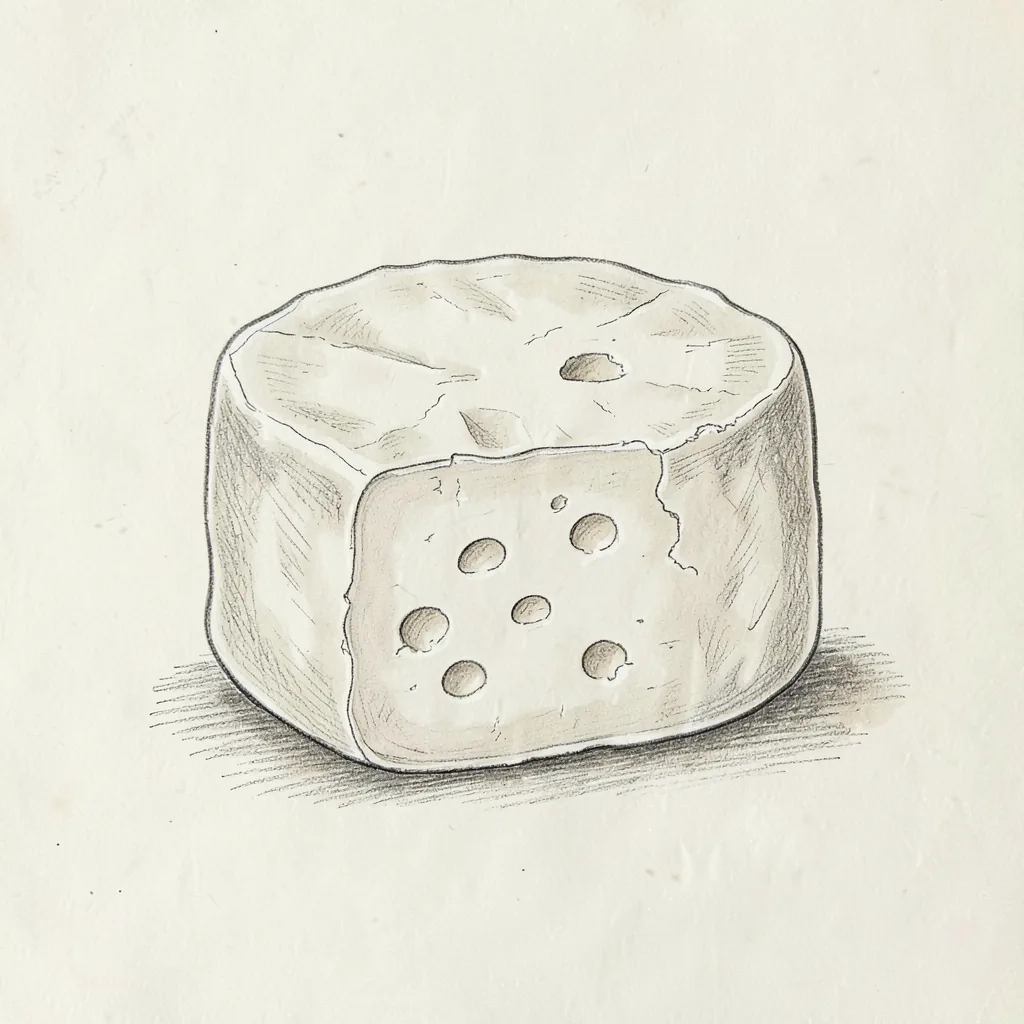
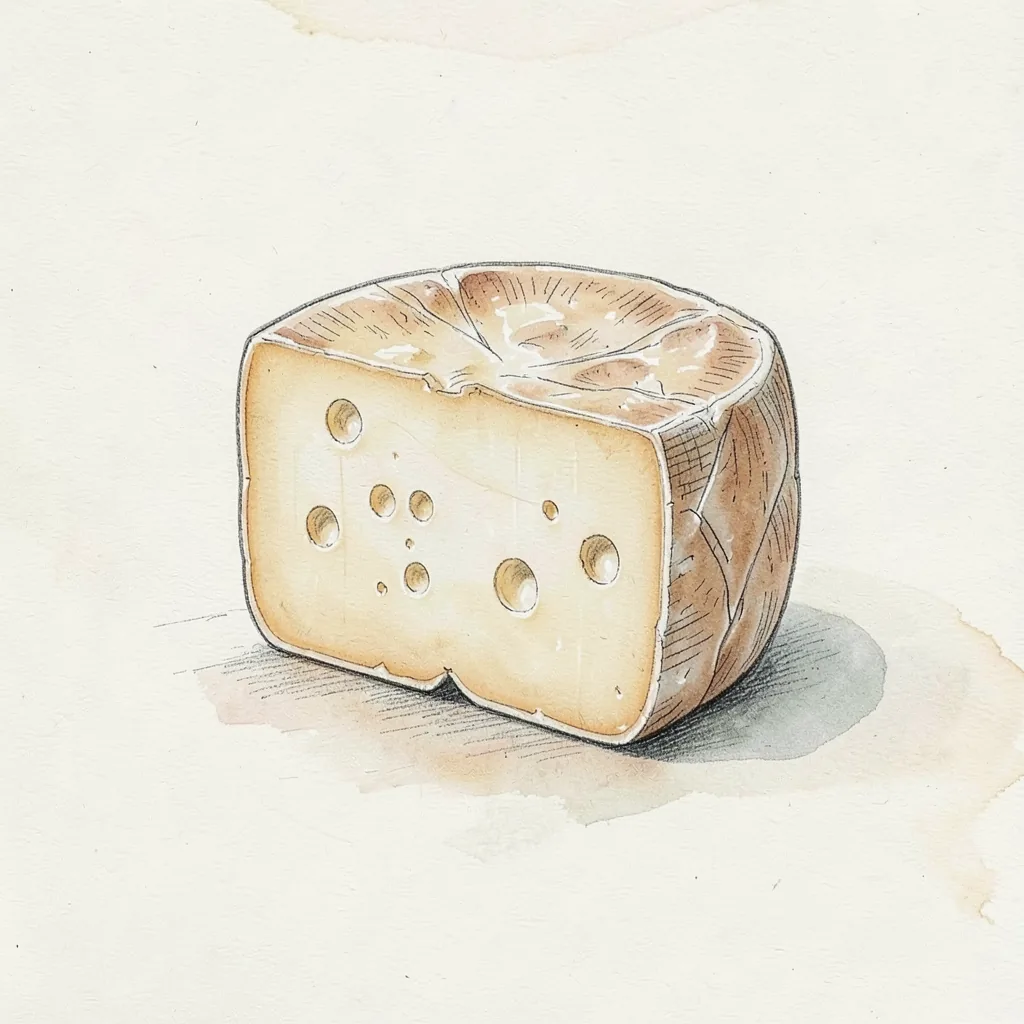
It is the soft white curd that highland dairies lift from the vat before later cheeses are shaped or heavily salted. The taste is mild, milky, and a little sweet, closer to a tender farmer's cheese than to a smoked wedge. The body is moist and slightly springy, and a very fresh piece may squeak gently. Bunc is a local name for the same cheese.
If the curd rests, it turns more sour and more crumbly, and that older paste is the base for bryndza. A different path takes related curd into oscypek, which is salted, shaped, and smoked. Bundz itself stays unsmoked, and it is best eaten fresh. In season it is a simple food with bread, a spoon, or a salad. Out of season, check the label, because a firmer smoked cheese may be standing in the same display.
History
Podhale, in southern Poland, has a long season of sheep on high pasture. Bundz came out of that work as an early cheese of the day, made while the milk was still sweet. People could eat it at once or hold the curd for salted and smoked cheeses that keep longer. The name also appears as budz, and in the Podhale dialect it is bunc. Those words point to one fresh cheese, not to a brand.
The cheese stayed tied to seasonal milk and to mountain huts, so it did not become one factory block with a single age. Fresh curd is a mild meal. Curd that ripens, then is ground with salt, becomes bryndza, a sharper spread. Visitors often learn three names at once: bundz, bryndza, and oscypek. Only the first is the gentle unsmoked curd, and a swap of names changes the dish.
How it is made
Sheep's milk is warmed and set with rennet. The curd is heated briefly so it firms, then gathered in a cloth to drain. Large white lumps are the cheese, mild because they are not smoked and not pressed for a long, hard finish. Whey runs off, and that whey is the base of żętyca, a traditional sour drink. Salt is light or absent at this stage, which keeps the flavor sweet.
If the lump is kept, acid builds and the paste grows drier and more tart. That matured bundz can be broken up and salted to make bryndza. Curd headed for oscypek is worked, pressed in a spindle mold, salted, and smoked, so it leaves the fresh category. Bundz for the table stops at the drained curd. There is no rind to wash or bloom, and the surface should look clean and moist, not gray or slimy.
Taste
Very fresh bundz tastes of milk, cream, and a faint sweetness, with only a gentle tang. The texture can be compact yet tender, and a new piece may squeak against the teeth. Salt is low, so the sheep character reads as rich rather than sharp. There is no smoke and no bitter rind. A light pastoral smell can belong to sheep's milk, but sour rot is a fault.
As the curd rests, it grows more acidic and crumbly, which is a step toward bryndza. That older taste is still bundz if it has not been ground and heavily salted. It is no longer the sweet cheese of the first make. The color stays white to ivory, and there are no blue veins. Choose the mild curd for freshness, and the tangier curd for a stronger sheep note without smoke.
In the kitchen
Eat fresh bundz with bread, radishes, or a thread of honey if you want a soft contrast. Crumble it over a salad, fold it into a dumpling filling, or spread it when it is moist. Because it is mild, it takes black pepper, chives, or other fresh herbs. Do not expect long melted strings. Heat makes it soften and then turn grainy, more like fresh curd than like a cooking block.
Older, tangier bundz fits a potato dish or a savory pancake, where the acid stays interesting. If you only have the fresh curd, add a pinch of salt yourself. Keep it cold and covered, and use an open piece soon, because this fresh cheese does not wait. It is not the piece for a grill. For smoke and a firm slice, choose oscypek, and for a salty spread, choose bryndza.
Around the world
Bundz is easiest to find in Poland, especially in Podhale and in shops that stock highland foods. Abroad it is rarer than oscypek, which travels better because smoke and salt protect it. A package labeled bundz or bunc should be white, soft, and made from sheep's milk. If the piece is brown and shaped like a spindle, it is a different cheese. For a mild plate, choose the freshest tub you can.
Bryndza is the usual substitute when the fresh curd is gone, but it is saltier and sharper, so use less of it. Cottage cheese can play the mild, crumbly role in a salad, though it lacks the sheep's milk richness. Oscypek may sit beside bundz in a market and still is not a stand-in for the fresh curd. One is smoked and firm. The other is tender and unsmoked, and the names should stay attached to the right taste.