Goat
What it is
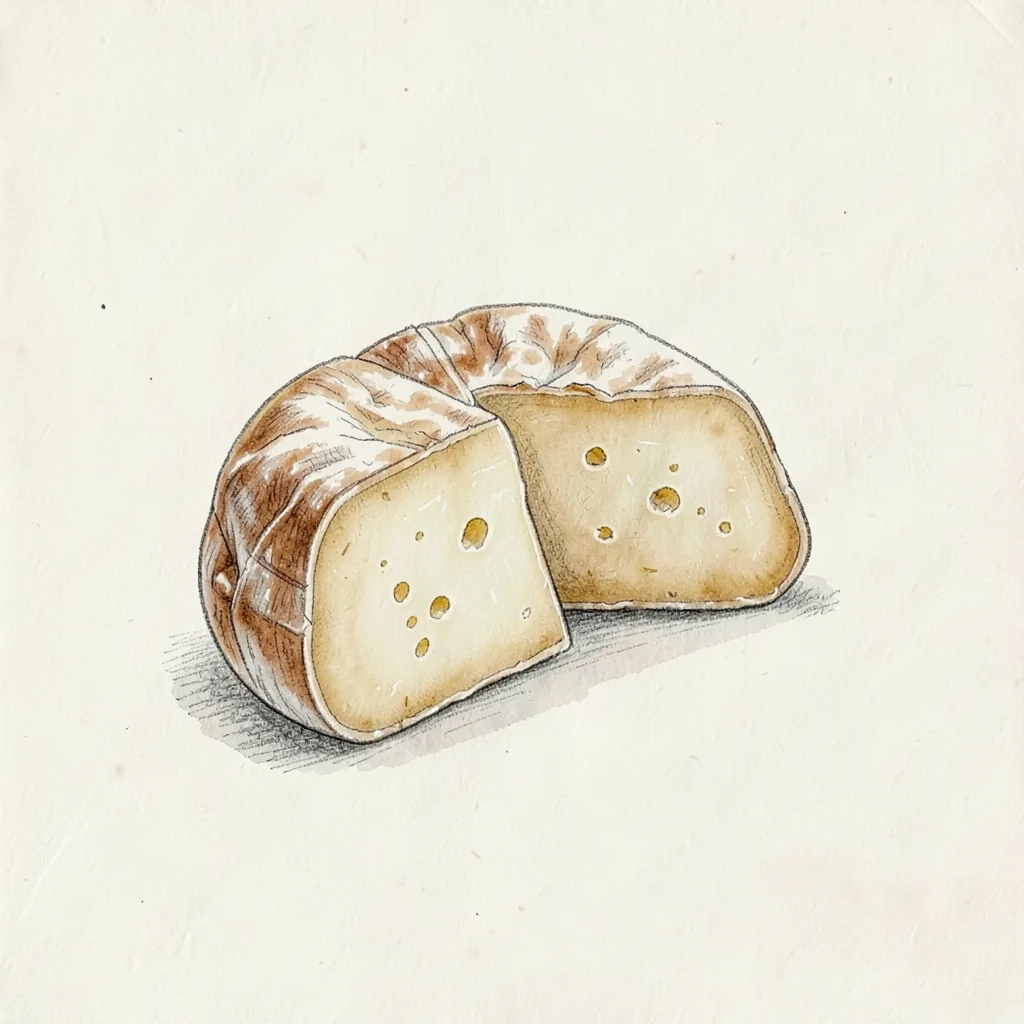
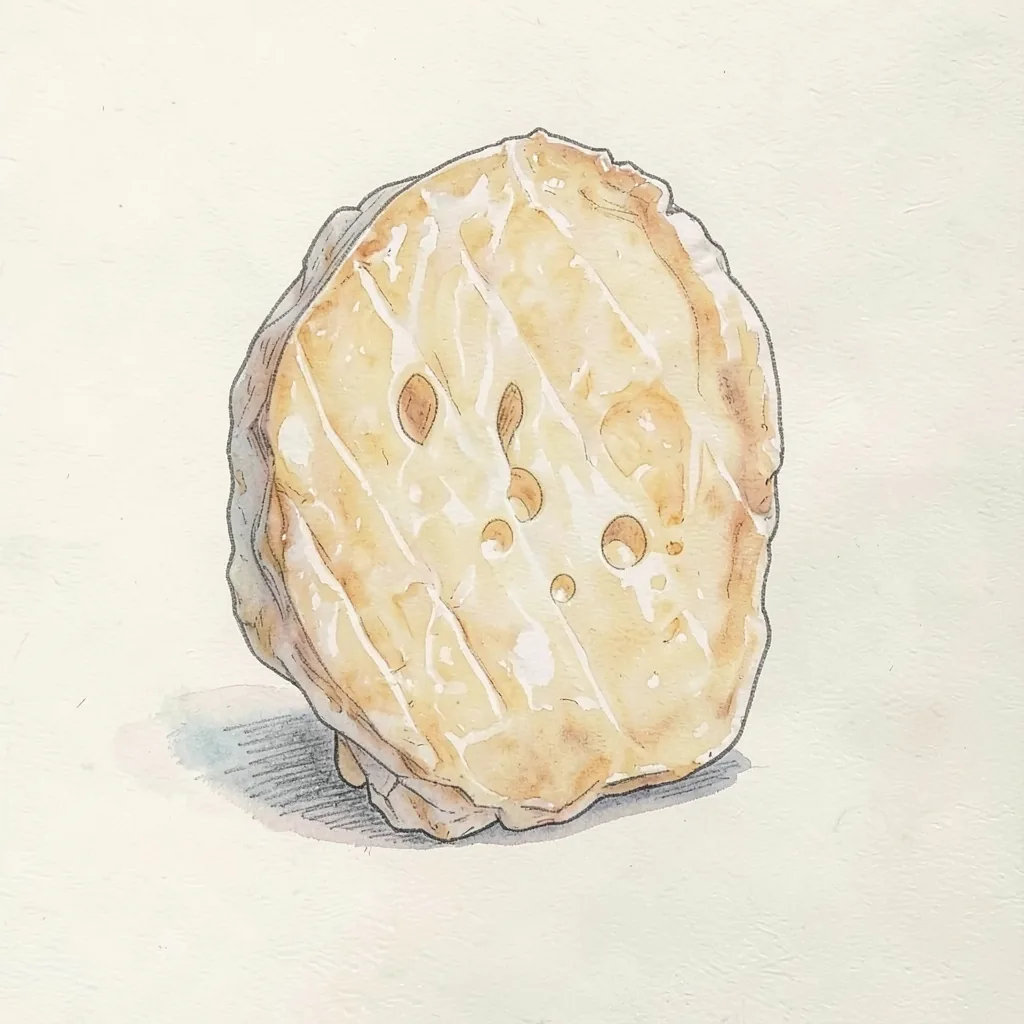
The name comes from an Occitan word for goat, and it fits a cheese made only from goat's milk. Each piece is a flat little round with a thin bloomy rind and a cream-colored center. The paste is tender and mildly lactic when the cheese is young. With more time the rind develops and the goat flavor grows stronger.
This style is a family, not one single dairy brand. Rocamadour is a famous small goat cheese of the same type, sold under its own name and its own rules. Other cabécou cheeses are made across the region and in nearby parts of the south. They share the size, the goat's milk, and the soft rind, but they are not identical. A label that says only cabécou is the broader cheese.
History
Small goat cheeses have long been made in the south of France, where herds grazed rough ground that suited goats. The little rounds were easy to drain, salt, and carry, and they became a market food as well as a farm food. The Occitan name stuck, and French speakers kept it. Over time, one member of the family, Rocamadour, gained a separate identity. Cabécou remained the wider word for the small soft goat cheese of the area.
The Midi-Pyrénées region is the home named for this cheese, though similar rounds appear in neighboring southern districts. Farm cheeses and creamery cheeses both use the word. Some are made from raw goat's milk and some from pasteurized milk, so the label matters if that difference is important to you. The cheese never became a large waxed block. Its identity is still the small round with a soft rind.
How it is made
Goat's milk is set gently, often with a small amount of rennet, and left until a delicate curd forms. The curd is ladled into small molds so the whey drains slowly and the paste stays moist. Salt is added on the surface or in the curd. The little cheeses are turned so they dry evenly. A white bloomy rind then grows on the outside.
Early on, the center can be chalky and the rind very thin. As ripening goes on, the paste softens from the outside inward and the flavor deepens. Some cheeses later show a light blue-gray mold on the rind, which changes the taste again. That mold is a surface development, not a pierced blue cheese, and makers do not cook the curd or press it into a hard wheel. The finished piece stays small enough to serve whole.
Taste
A young Cabécou tastes clean, milky, and lightly tangy, with a gentle goat note rather than a strong one. The texture is soft, moist, and a little crumbly at the center if it is very fresh. The rind is thin and edible, with a mushroom hint once the bloom is established. Salt is moderate. There should be no harsh bitterness in the paste or on the rind.
A riper cheese is creamier under the rind and tastes more of goat, nuts, and a damp cellar. If blue mold appears, the flavor turns sharper and more pronounced. That stage is a choice, not a fault, as long as the smell stays appetizing. A cheese that smells of ammonia or feels slimy has gone too far. Choose the mild young rounds for a quiet goat cheese, and the riper ones for more character.
In the kitchen
Serve Cabécou whole or halved on a board with bread, honey, or a few walnuts. It also sits well on a green salad, where the soft paste dresses the leaves as it warms. You can bake a round briefly on toast or on a tart so the center softens. Do not boil it. Strong spices will cover the goat flavor, so keep the plate simple and let the cheese lead.
Take the cheese out of the cold a little before you eat it, or the paste stays tight and the aroma stays dull. If the rind is very dry, the piece is older and better crumbled than sliced in a neat wedge. Wrap leftovers so they do not pick up fridge smells. A soft goat cheese such as Rocamadour or a small crottin can replace it in most recipes. Expect small differences in salt and in how soft the center is.
Around the world
Outside France, Cabécou is less known than larger French goat cheeses, but shops that carry small rounds often have a version. The word on the label may be cabécou, or a more specific name from the same family. Rocamadour is the one many buyers meet first, and it is easy to treat it as the only cabécou. It is one member, not the whole group. Look at size and milk if the name is unfamiliar.
Pélardon, Picodon, and Crottin de Chavignol are other French goat cheeses that can fill the same role on a board. They differ in shape, salt, and how strong the goat taste is. A generic fresh goat log is milder and has no bloomy rind, so it will not copy a ripe cabécou. If you need the soft rind and the small round, choose another bloomy goat cheese. Say so in a recipe note so guests know the swap.