Goat
What it is
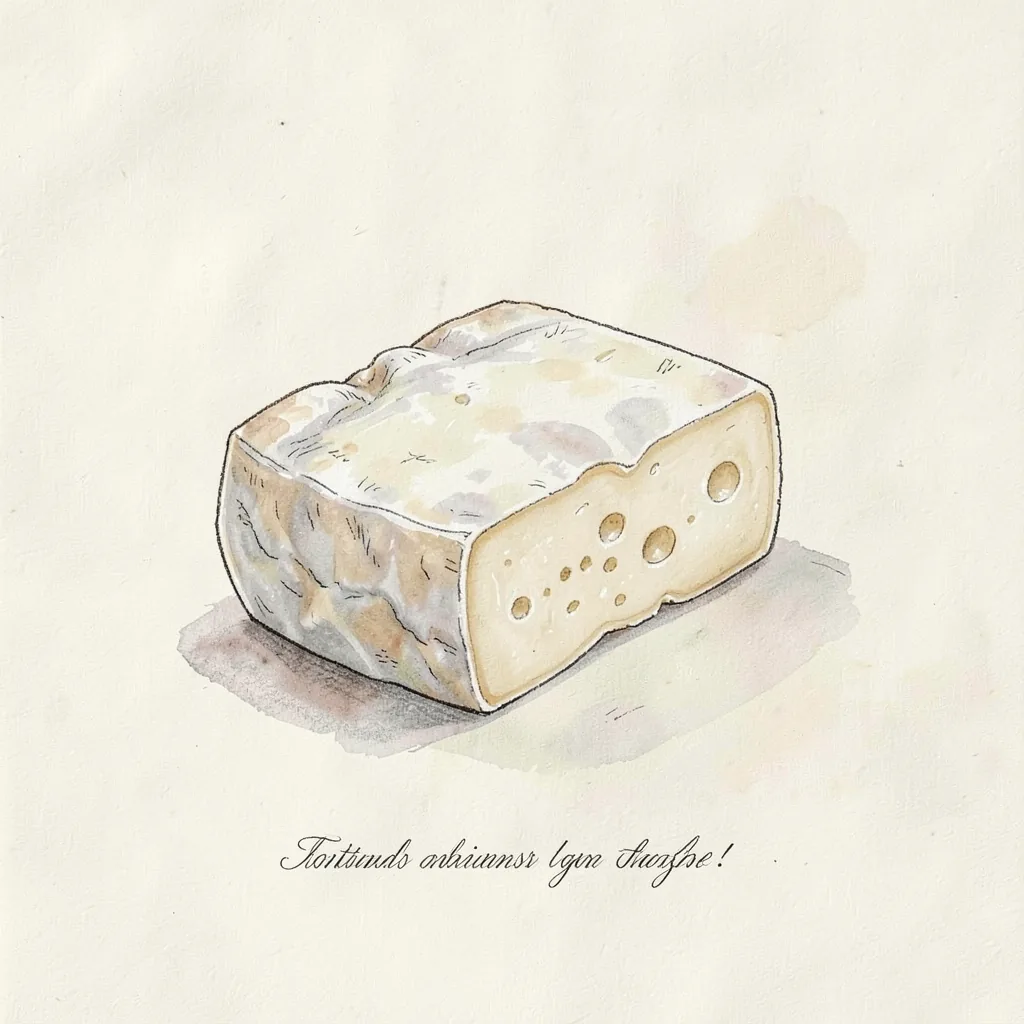
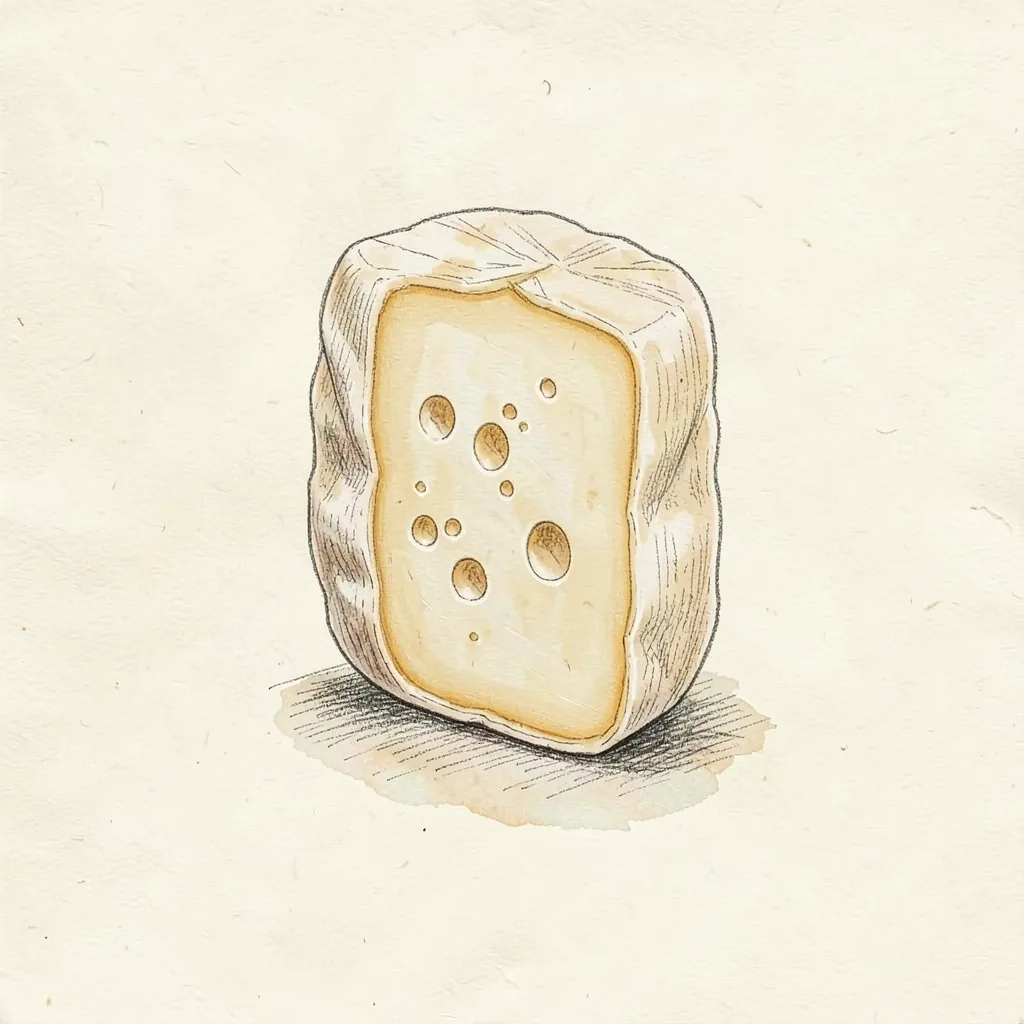
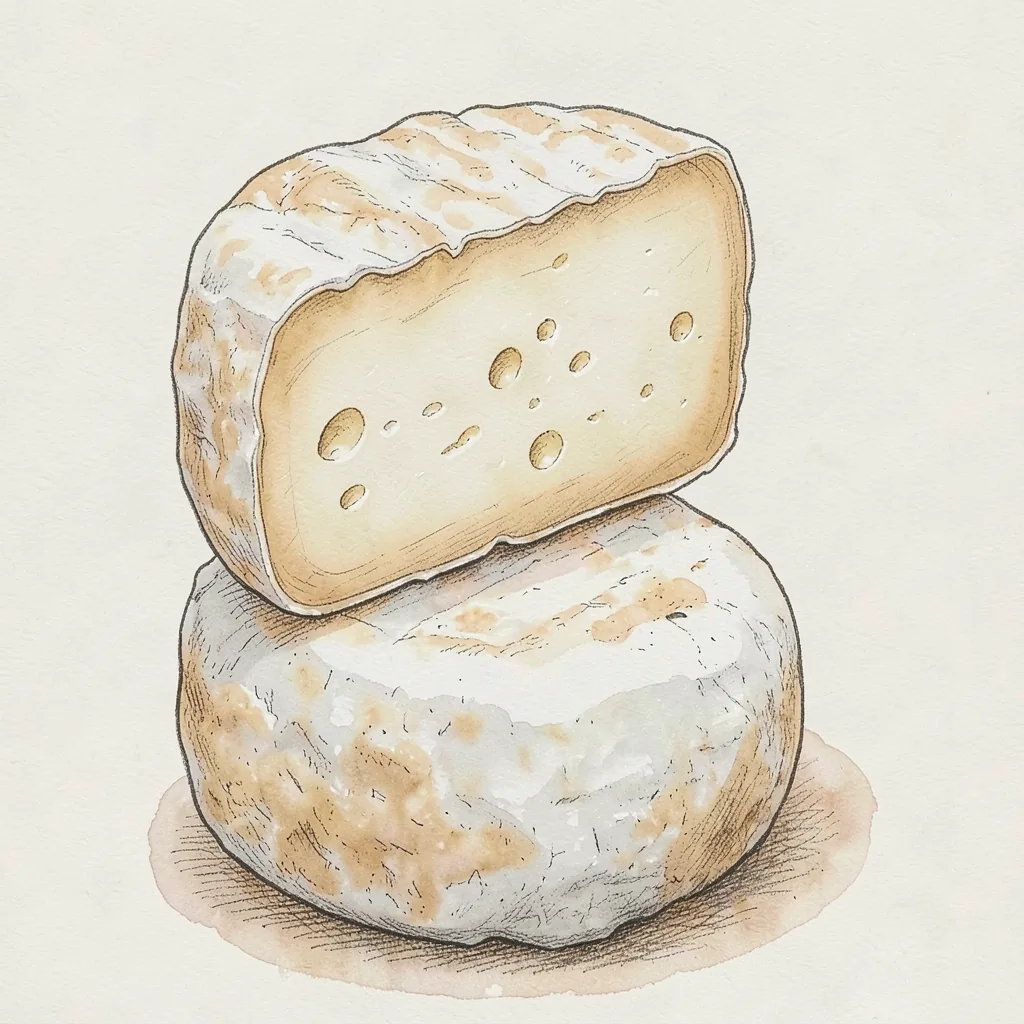
Each piece is a low disk, light enough to serve whole, with a thin natural rind and a tender center. The milk is goat, and that flavor is part of the public identity, gentle at first and clearer as the cheese ripens. It sits in the family of southern cabécou, the little goat cheeses of this part of France. It is a board cheese and a spreading cheese, not a hard wheel.
A young disk is mild, moist, and almost spreadable. A riper disk is creamier at the center, with a stronger goat note and a more noticeable rind. Both are Rocamadour, and the kitchen use changes with that ripeness. The cheese is also called Cabécou de Rocamadour, which points to the small round shape rather than to a different recipe. Buy it cool, and eat it before the paste dries out.
History
Small goat cheeses have long been made in this part of southern France, where herds were part of farm life on the dry uplands. Rocamadour is the disk that became the best known name in the Midi-Pyrénées for that cabécou shape. The cheese was a local food before it was a shop name, sold and eaten near the farms that made it. No single founder is needed to explain it. The form, the goat's milk, and the short ripening are the tradition.
As roads and markets improved, the little disks traveled beyond the farms, and the name Rocamadour became the one shoppers recognized. The cheese stayed small, which suited a goat cheese eaten over a few meals rather than stored as a huge wheel. Creameries and farm makers both produce it, and the shared shape is what links them. The name on the label matters more than a dairy legend. What shoppers should expect is a goat cheese from the Midi-Pyrénées, round, soft, and briefly ripened.
How it is made
Makers start with goat's milk and set a soft curd, usually by a slow lactic path that suits these small cheeses. The curd is ladled into little molds so each cheese drains in its own round. Salt is added, and the disks are turned while whey leaves. A thin rind develops on the outside while the center stays soft. There is no cooking of the curd into a hard paste, and there is no blue veining.
Ripening is short compared with a large pressed wheel, but it is long enough for the flavor to move past fresh curd. Young disks stay moist and mild. Given more time, the center turns creamier and the goat character grows. Makers sell both stages, so the label or the feel of the paste tells you which you have. The cheese is kept cool, because warmth makes a small disk slump and sour.
Taste
At a young stage the taste is fresh, lightly salty, and milky, with a gentle goat note rather than a heavy one. The paste is smooth and a bit moist, and the thin rind adds only a small earthy edge. Acid is present but soft. There is no peppery blue bite and no washed rind pungency. If the cheese smells like ammonia, it has gone too far.
A riper Rocamadour tastes stronger without becoming a hard grating cheese. The center can turn creamy, almost oozy, and the goat flavor becomes nuttier and more direct. Some eaters notice a hint of hazelnut in the paste, along with a clean tang. The rind is still thin, so you can eat it or trim it if you prefer the center alone. A dry, chalky disk has lost the texture that makes this cheese worth buying.
In the kitchen
Serve Rocamadour on a board with bread, nuts, and a little honey, or set a whole disk on a green salad. When the center is soft, spread it on toast instead of forcing a neat slice. A brief warm-up in the oven can soften it further for a starter, as long as you do not cook it into a hard crust. It pairs with salad leaves, roasted beet, or a simple fruit. It is not a cheese to cube into a fryer.
Because each piece is small, plan on one disk for a modest serving, or more if the cheese is the center of the plate. Crumble a firmer disk over warm vegetables if it is too set to spread. Do not grate it, and do not expect it to stretch. Salt in the rest of the dish can stay light, since the cheese already carries some. Take it out of the cold a little before eating so the paste tastes less tight and more creamy.
Around the world
Rocamadour travels better than a very wet fresh cheese, and specialty shops outside France sometimes carry the disks. Even so, many counters will not have this exact name. Cabécou, Picodon, and Crottin de Chavignol are the goat cheeses shoppers confuse with it, because all are small, soft, and French. They can stand in on a board, but the shape and the ripening are not identical. A log of goat cheese is a different cut of a related idea, not the same disk.
Do not mix the name up with Roquefort, the blue sheep's milk cheese of southern France. The two share a broad region in the popular imagination and almost nothing on the plate. Rocamadour is goat's milk, soft, and small, with no blue veins. If a shop offers only a generic fresh goat cheese, that can cover a mild spreading role for one meal. For the real disk, look for the name Rocamadour or Cabécou de Rocamadour on the label.