What it is
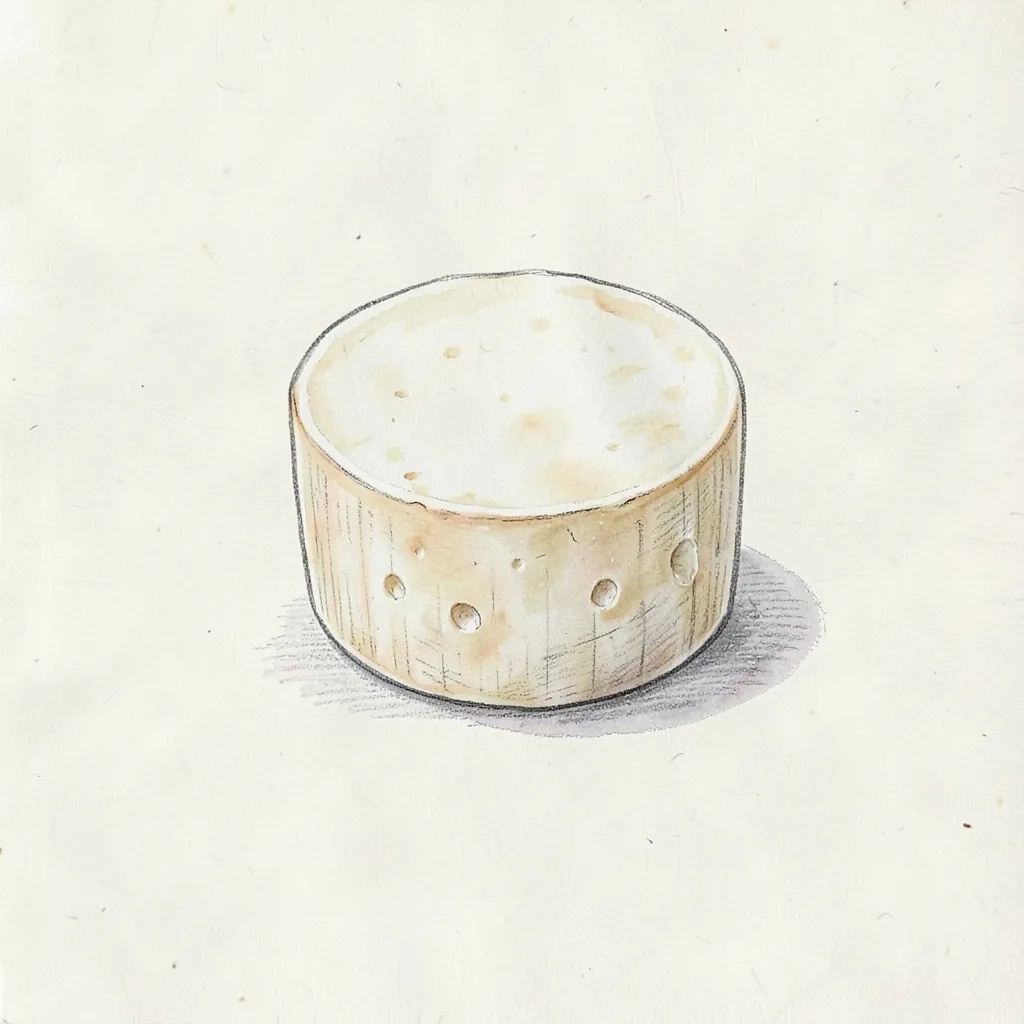
The make uses whole milk and a high heat, then rennet, so the curd keeps proteins that a simple whey ricotta and a simple rennet cheese would split apart. Fresh pieces are white, soft, and lightly sweet or gently salty, with no real rind. The surface may show the weave of the basket used to drain them. It is a country cheese eaten soon after making or kept until it dries.
Because the milk and the season change, one basket is not identical to the next. A fresh cheese is moist and mild, good with vegetables, bread, or a little honey. A piece kept longer turns firmer, saltier, and better for grating over pasta. Both are Cacioricotta. The aged one is not a different type, only the same curd after it has lost moisture and gained a stronger taste.
History
The method is a practical answer to whole milk in a warm season. Heating the milk hard, then setting it with rennet, captures more of the milk solids in one cheese. That is why the name describes a hybrid, not a blend of two finished products stirred together. Pastoral communities in Italy kept this style as everyday food, both fresh and dried for later. It never became one of the great named export wheels, and it still belongs to local tables.
Records and kitchen habit treat it as a traditional product, not as a modern brand. Small dairies and farms still make it when milk is plentiful. Some is sold very soon, still soft and bright white. Some is salted and held until the paste firms and the outside deepens in color. There is no single national shape, so baskets differ in size, but the high-heat rennet curd is the constant.
How it is made
Whole milk goes into the vat and is heated until it is nearly at a boil. That heat changes the whey proteins so they can join the curd instead of staying in the liquid. The milk is then cooled, and rennet is added to set a firm curd. The curd is cut into small grains, often compared with a grain of rice or a nut, and left briefly under the whey. It is ladled into baskets to drain, without a heavy press.
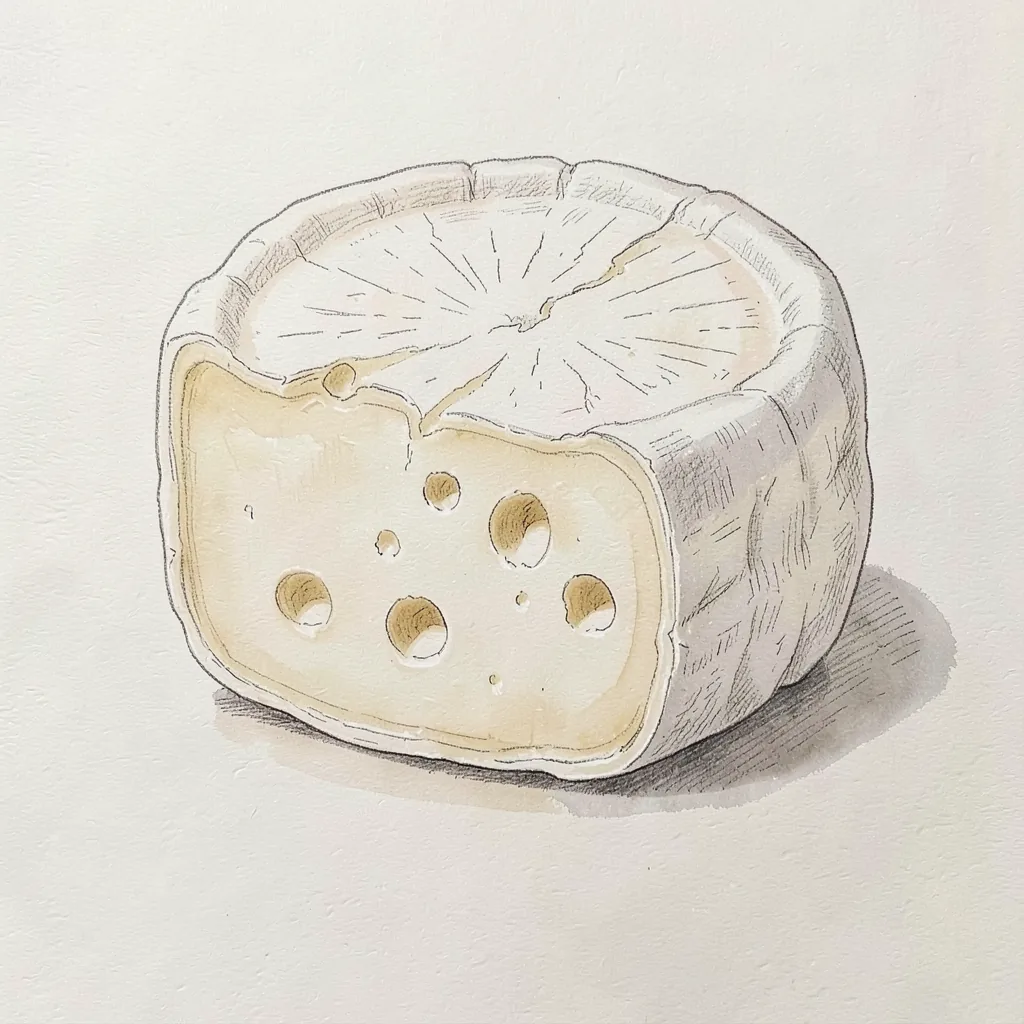
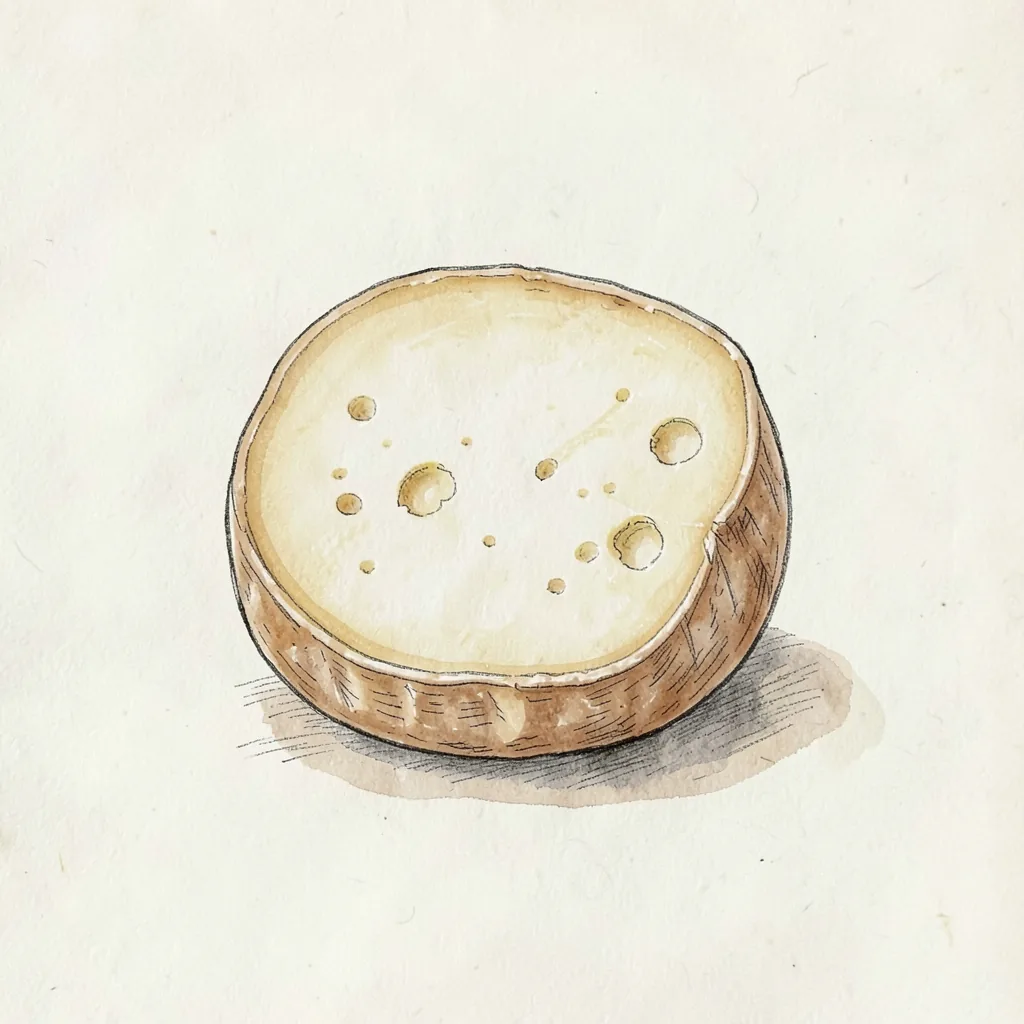
Salt is not always used on the cheese sold at once. Pieces meant to keep are salted on the faces and turned while they dry. Fresh cheese stays white, soft, and closed, with little or no eye formation. With time the paste grows firmer, more crumbly, and more savory, and a light colored coat can form. The character of the milk remains easy to taste, which is why two makers' cheeses can seem related but not copies.
Taste
Fresh Cacioricotta is mild, milky, and a little sweet, with salt that ranges from barely there to gently savory. The paste feels soft and slightly crumbly, not stretchy and not creamy like a bloomy cheese. A clean dairy smell is a good sign. Harsh bitterness or a yeasty fizz means the piece is tired. Eat the fresh cheese while it still tastes bright.
Aged Cacioricotta concentrates those same notes. Moisture drops, salt seems louder, and a tang or a light peppery edge can develop. The color of the paste moves from white toward straw. It still should taste of the milk that made it, not of smoke or added spice, unless a maker has chosen a separate flavored batch. Grated, it finishes a dish with a savory, slightly sweet crunch rather than a long nutty hardness.
In the kitchen
Use the fresh cheese as you would a soft curd. Crumble it onto cooked greens, tomatoes, or a piece of bread, or fold it into a simple baked dish that needs moisture. A spoon of honey is reasonable if the batch is very mild. It does not need a fierce sauce. Heat softens it quickly, so add it late if you want pieces to remain visible.
The drier cheese belongs over pasta, soups, and baked vegetables. Grate or crumble it at the table so the grains stay fragrant. It will not melt into long strings, and it will not brown like a grilling cheese. Think of a savory finish, closer to a firm ricotta than to a hard wheel kept for a long time. If both ages are in the kitchen, use the fresh one in a salad and the firm one on a hot plate.
Around the world
Cacioricotta is little known outside Italy, and even in Italy it is a local product rather than a national brand. Delis that import traditional Italian cheeses sometimes carry it fresh, and less often carry the aged form. The fresh cheese is perishable, so it does not travel as easily as a hard wheel. Read the label for the name, because similar white curds are easy to mix up. Ricotta is the usual point of confusion, and the two are not the same.
Cooks abroad can swap in ricotta for the fresh cheese and a dry grating curd for the aged one. Brocciu and manouri are other fresh, milky options when the dish is simple. Caciotta is a different Italian cheese with a similar-looking name, usually milder and more of a small table wheel. Do not buy a flavored spread and expect this curd. If you find it in an ordinary shop, with a clear name and a fresh smell, treat it as everyday food.