What it is
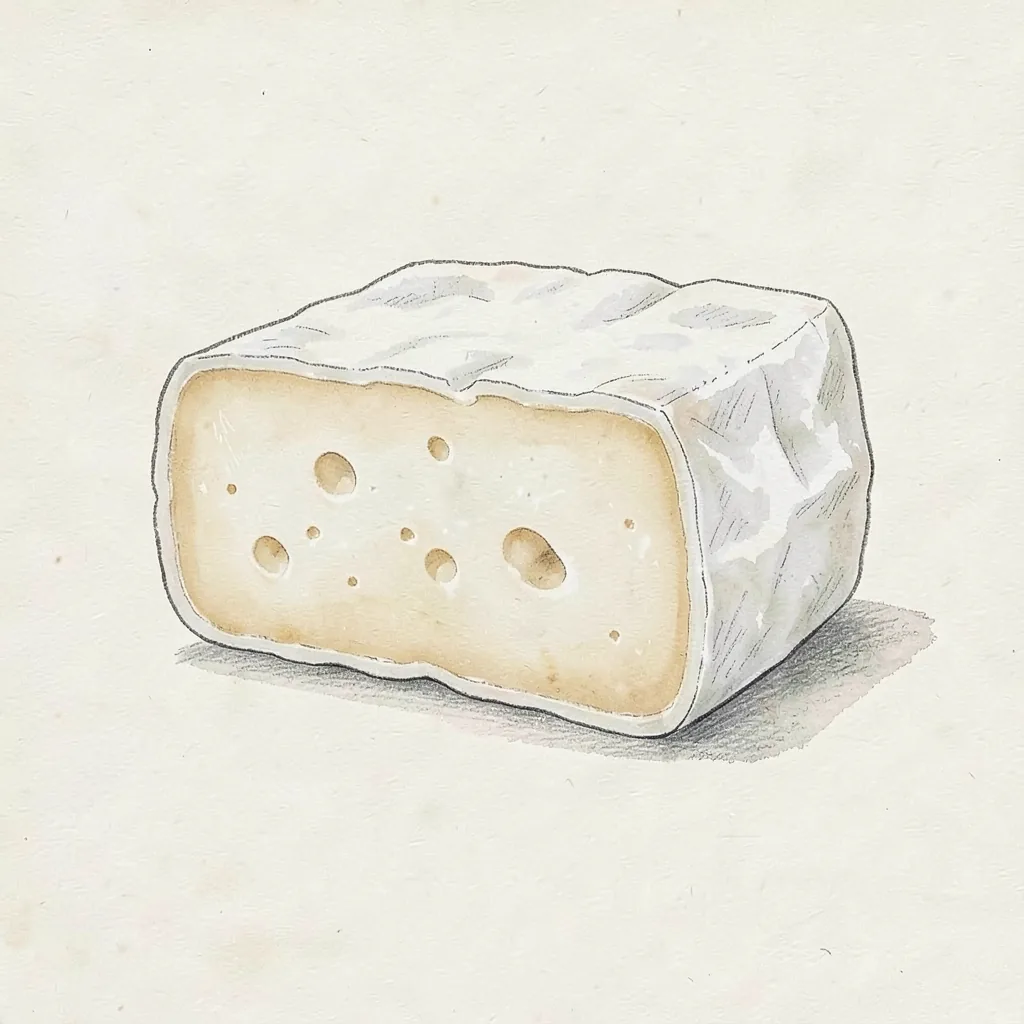
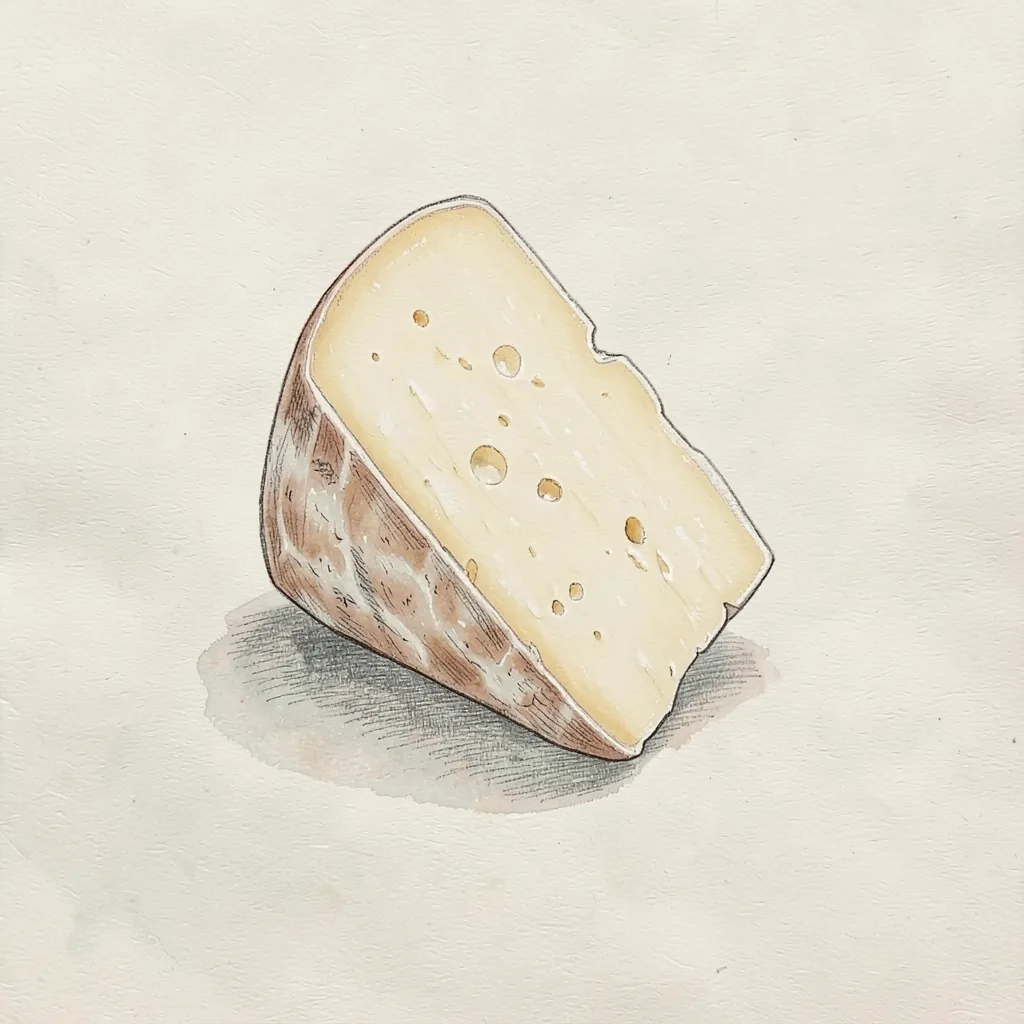
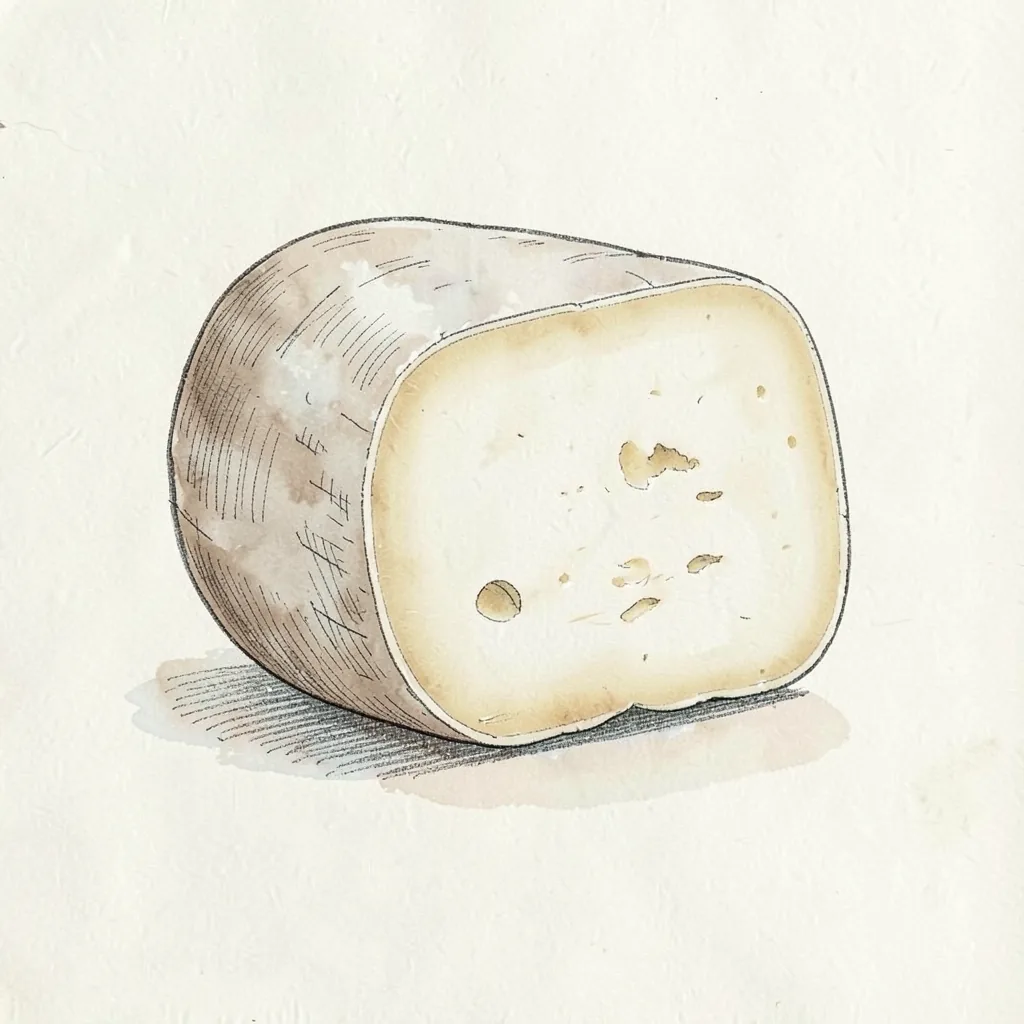
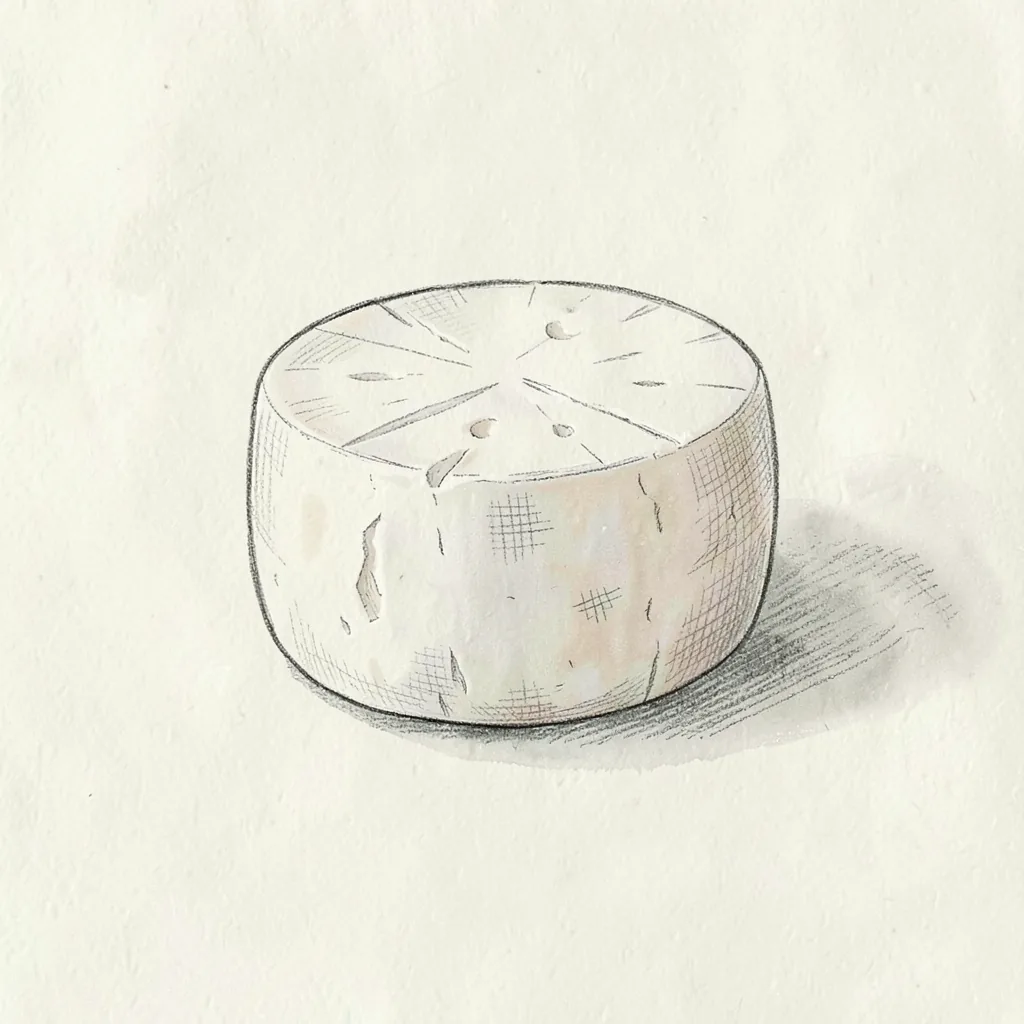
The word is a diminutive and means a little cheese. Wheels are modest rounds with a thin rind and a paste that is usually semi-soft. Dairies in those regions make it for the daily table, not as one famous mountain trophy. Milk and flavor change with the maker, so two wheels that share the name can still taste different.
A young wheel is mild, milky, and easy to slice for bread. A wheel kept longer turns firmer, saltier, and more useful in cooking than as a soft snack. Some batches stay plain. Others carry herbs, chili, or truffle, and the quiet paste lets those flavors show. Read the label for age and for anything mixed in, because the shared name does not settle the taste in the mouth.
History
Small cheeses, eaten before a long cellar rest, have long been everyday food on farms in central and southern Italy. Caciotta grew from that habit. People made a modest wheel that could be finished without the wait given to a hard grating cheese. The name traveled with the format, not with one town or one brand. Because the word means a little cheese, many districts kept their own habits under the same label.
The style never shrank to a single written recipe. One dairy may drain the curd firmly, while a neighbor sells the wheel younger and softer. In parts of central Italy, walnut leaves sometimes wrap a wheel during the rest, and they lend a faint bitter aroma. That leaf finish is local, not a rule for every batch. What stays constant is the small round form and the idea of a cheese for ordinary meals.
How it is made
Milk is set with rennet after a lactic culture has started its work. The curd is cut to a size that matches the texture the dairy wants. A finer cut and more stirring lead toward a firmer paste. A gentler cut keeps more moisture for a softer wheel. Curds go into small molds and drain, with light pressure or with turning alone, and salt is added in the mass or on the surface.
The rest after molding is short beside the time given to the great hard cheeses of Italy. Many wheels are ready while the paste is still supple and the rind is thin and pale. Some are held until the interior firms and the flavor deepens. A few receive herbs, pepper, or other seasonings in the curd, or a leaf wrap on the outside. None of those extras is required by the name, and the plain salted wheel is the base.
Taste
Plain young caciotta tastes of fresh milk, light salt, and a gentle tang. The paste is smooth or slightly open, and it yields to a knife without falling into dry crumbs. Color runs from white to pale straw. The rind is thin and can taste a little more savory than the center. Nothing in the basic cheese is smoky or blue, and the finish stays quiet.
Time and extras move the flavor in clear ways. A longer rest brings more salt, a firmer bite, and a light nutty edge. Chili adds heat on top of the mild base, and herbs add a green note. Truffle, when a maker uses it, smells louder than the cheese under it. A wheel that tastes very sharp or very dry has left the young style and will act more like a small aged cheese.
In the kitchen
Slice a young wheel for bread, a lunch plate, or a salad of tomatoes and greens. It softens in a sandwich or on flatbread when the heat stays moderate, and it can brown without a huge run of fat. Cubes can go into baked pasta near the end, where they relax but can still be seen. The mild taste will not cover a sauce, so season the dish on its own. A firmer wheel can be shaved over warm vegetables.
Match the wheel to the job before you start. A very fresh, soft round is better in slices than on a grater. A drier round can take coarse grating and a frying pan. Flavored wheels belong where chili, herbs, or truffle are welcome, and they can clash in a delicate cream sauce. Serve a plain piece with fruit, honey, or a simple cured meat, and keep the cut face covered so the small wheel does not dry.
Around the world
Outside Italy, caciotta shows up in Italian shops and in cases that import small table cheeses. The label may add a place, a flavor, or a note about age, and those words matter more than the shared name. A plain imported wheel is a safe mild cheese for guests who dislike strong rinds and blues. It will not replace a hard grating cheese over pasta. Ask about age and style if the meal depends on a soft slice or a firmer piece.
The name is easy to mix up with other Italian cheese words that start the same way. Casciotta d'Urbino is one specific cheese from the Marche, not a generic small wheel from anywhere in the south. Cacioricotta is a different southern food, closer to a fresh drained curd than to a briefly rested round. Caciocavallo is stretched curd with another shape entirely. When a recipe says caciotta, it usually wants the small semi-soft round, and another mild Italian table cheese can cover the slice or the melt.