Sheep
What it is
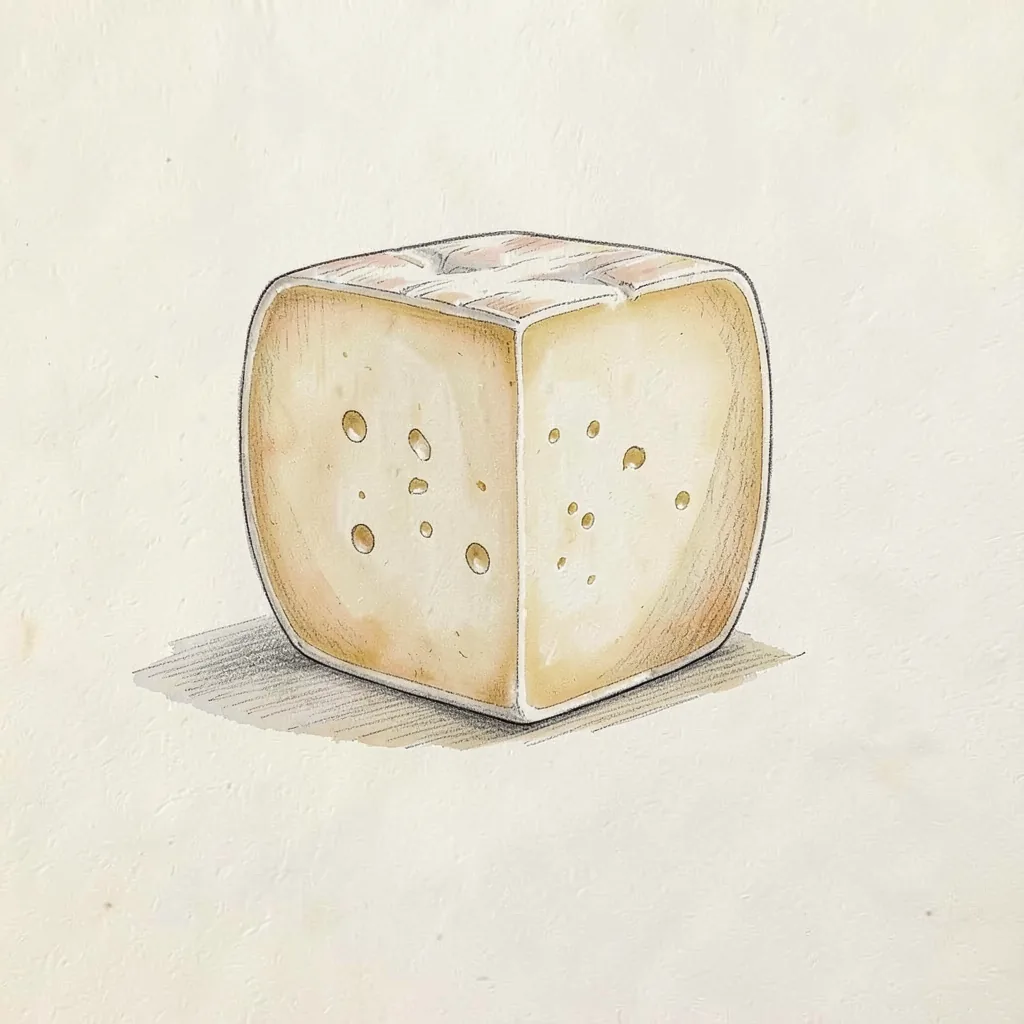
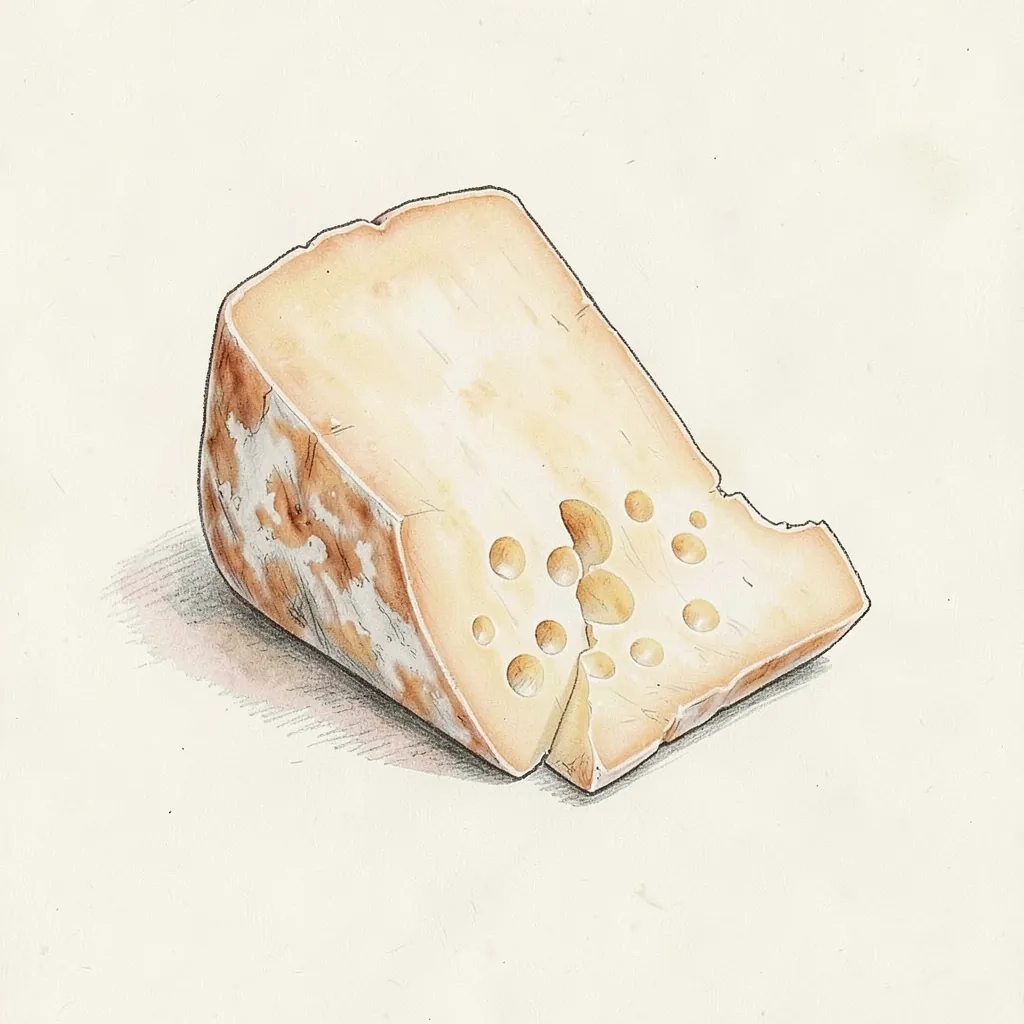
Whole peppercorns are often mixed into the curd, so many wheels taste spicy as well as salty. The paste is pale and compact, and it grows grainier as it ages. A natural rind carries the marks of the basket used to drain the curd. The cheese belongs to Italy's hard sheep's milk tradition, and it is sold for the table and for the grater.
A younger wheel is smoother, a little sweet, and still firm. An older wheel is drier, saltier, and more pungent, with the pepper standing out if it was added. Both are Calcagno, and they do not do the same job. The younger cheese can be cut in chunks for bread. The older cheese is better shaved or grated over hot food, where fat and steam wake the spice.
History
Calcagno sits in the wide Italian family of pecorino, the hard cheeses made from sheep's milk. Basket draining, dry salt, and a long rest are old tools in that family. Pepper in the curd is a common choice, not a separate brand, and it gives some wheels their heat. The style is made in more than one part of Italy, so the name does not point to a single town. Sheep's milk, a firm paste, and a savory salty finish stay the steady marks.
Sheep's milk cheeses in Italy were practical food, because the milk is rich and the pressed curd keeps. Pepper helped a salty wheel taste lively after storage, and cooks still look for that bite. Calcagno stayed a working cheese rather than a luxury name tied to one house. It is still made by small dairies, and recipes vary a little from place to place. Read the label for pepper, because a plain wheel and a peppered wheel share the name.
How it is made
Sheep's milk is warmed and set with rennet, and the curd is cut so whey can leave. Makers often stir peppercorns into the curd before it goes into baskets. The baskets drain the curd and leave a patterned rind. The cheese is salted, then aged until the paste is hard enough to grate. A longer rest makes the texture grainier and the taste stronger, while a shorter rest keeps more sweetness.
The wheel is usually a cylinder with a rind that darkens as it ages. Inside, the paste is white to pale yellow, compact, and sometimes marked by a few small holes. Peppercorns, when used, should be whole and spread through the body, not burned onto the rind only. Rennet and salt levels change the balance of sweet, sharp, and spicy, which is why two wheels can differ. The finished cheese is dry enough to store, and it is sold as a hard cheese rather than a fresh curd.
Taste
Expect a savory sheep's milk taste, salty and a bit sweet at first, then sharper. Herbal notes can show up when the animals have fed on mixed pasture, though that varies. Pepper, if it is in the curd, adds heat that builds after the salt. The smell is pleasant and pungent, not the ammonia of a neglected soft cheese. An older piece tastes stronger and drier, and the grain of the paste feels more obvious on the tongue.
A good piece is clean, not bitter, and not so salty that the sheep's milk disappears. The pepper should taste like spice, not like a burnt crust. Texture runs from firm and sliceable to hard and flaky. If the paste is chalky in a dull way, or the rind smells sour, the wheel is past its best. At its best the finish is long, savory, and warm, and a little fat from the sheep's milk softens the salt.
In the kitchen
Grate Calcagno over pasta, soups, and roasted vegetables, especially when you want salt and a peppery edge. Shave it onto warm beans or eggs so the thin pieces soften. Chunks of a younger wheel belong on bread with olive oil or beside cooked greens. The cheese can go into a stuffing or a meatball mix, where it seasons the food from the inside. Use less salt in the dish, because the cheese already carries plenty.
On a board, pair it with pears, a little honey, or plain walnuts, and let the pepper meet the sweetness. Do not expect a smooth melt. The cheese softens, then stays grainy, so it finishes a dish better than it builds a sauce. Wrap the cut face, or the wheel dries and cracks. If a recipe needs a mild melting cheese, pick something moister, and keep Calcagno for the last sprinkle.
Around the world
Outside Italy, Calcagno is a specialty wedge in shops that carry pecorino, not a standard grocery block. The peppered wheels are the ones cooks remember, because the spice makes the name easier to spot. A plain sheep's milk wheel can still be Calcagno, so the label matters more than a guess from the color. It travels well because it is hard and salty. In a mixed case it can look like other basket-rind pecorino cheeses, and the pepper is the quickest clue.
Pepato is the closest stand-in, because it is also a sheep's milk cheese with peppercorns in the paste. Pecorino Sardo can replace a plain wheel when you need a firm Italian sheep's milk cheese for grating. Both substitutes will season pasta, but the pepper level will not match every Calcagno. Do not swap in a cow's milk hard cheese if you want the sheep flavor. If the dish only needs salt and crunch, any aged pecorino will do, and the pepper can come from the mill.